Asia vs Europe

Asia vs Europe

Last month, I wrote about how the Chinese are attacking the commercial vehicle (CV) industry. Now I can reveal that there are a number of contenders from Asia in two of the world’s most significant CV competitions…

The two contests to which I refer are the International Van of the Year (IVOTY) award and the International Pickup Award (IPUA), which have long been dominated by European manufacturers like Ford Europe, Volkswagen, Mercedes-Benz, Renault, and Peugeot. But everything is about to change…

I have spent the past couple of weeks judging the 2026 IVOTY and IPUA awards; they are showcasing a lineup unlike any before. Out of the 12 contenders across both contests, five hail from Asia – an unmistakable sign of how rapidly the market is globalising.

This sudden influx of Chinese and Korean challengers is very significant. The dominance of Europe is being challenged – not just in sales volumes, but in innovation, electrification, and ambition. The stage is set for a fascinating duel: Asia versus Europe; tradition versus disruption.

The IVOTY finalists

Known as the “Oscars” of the van world, the IVOTY award is now in its 34th year. Unlike a red-carpet pageant, however, IVOTY is grounded in tough realities. Vehicles are judged by a jury of leading CV journalists from Europe and South Africa on their ability to advance safety, efficiency, sustainability, and innovation. To qualify, each must be in full production by year-end and present tangible benefits to operators.

For 2026, seven models have been nominated, including a joint platform entry. And for the first time, two Asian brands – Farizon from China and Kia from South Korea – stand shoulder-to-shoulder with Europe’s stalwarts.

Farizon SV: a clean-sheet design

Farizon, part of the Chinese giant Geely, has made waves with its SV electric van. Unlike many rivals that retrofit electric drivetrains into platforms designed for diesel, the SV was conceived as a born-electric vehicle. This gives it a packaging advantage: better space efficiency, improved handling, and fewer compromises.

The SV is offered with three battery choices – 67kWh, 83kWh, and 106kWh – with ranges of up to 550km verified by the WLTP. Fast charging capability (20 to 80% in just 36 minutes) makes it suitable for fleet use. Cargo practicality is equally strong, with capacities ranging from 6.95 to 13m³ and payloads of over a tonne. With a low loading height of just 550mm, it’s a van designed for hard daily graft.

Kia PV5: the modular challenger

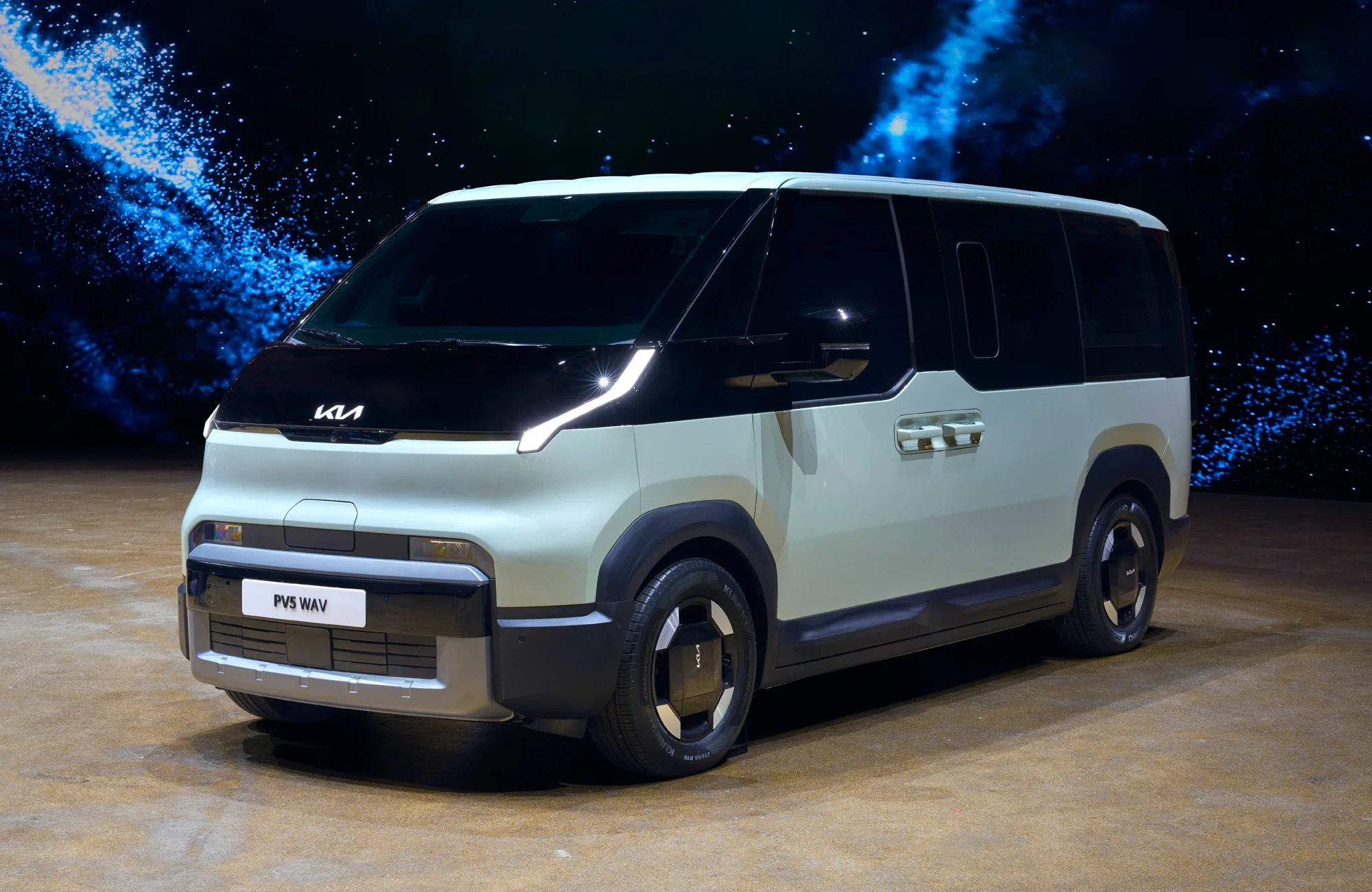
South Korea’s Kia has entered the fray with its PV5, a radical electric van built on the E-GMP.S platform, itself a derivative of Hyundai Motor Group’s acclaimed EV architecture. The PV5 is more than a van: it’s a modular mobility solution.

Kia envisions the PV5 as part of its Platform Beyond Vehicle strategy, with body styles ranging from cargo hauliers and passenger shuttles to wheelchair-accessible models. With a targeted range of around 400km and DC fast charging that takes it from 10 to 80% in about 30 minutes, it is positioned firmly at the cutting edge. For operators, this flexibility could redefine fleet thinking: one platform, many solutions.

Ford Pro: strength in numbers

Ford has three finalists in this year’s competition:

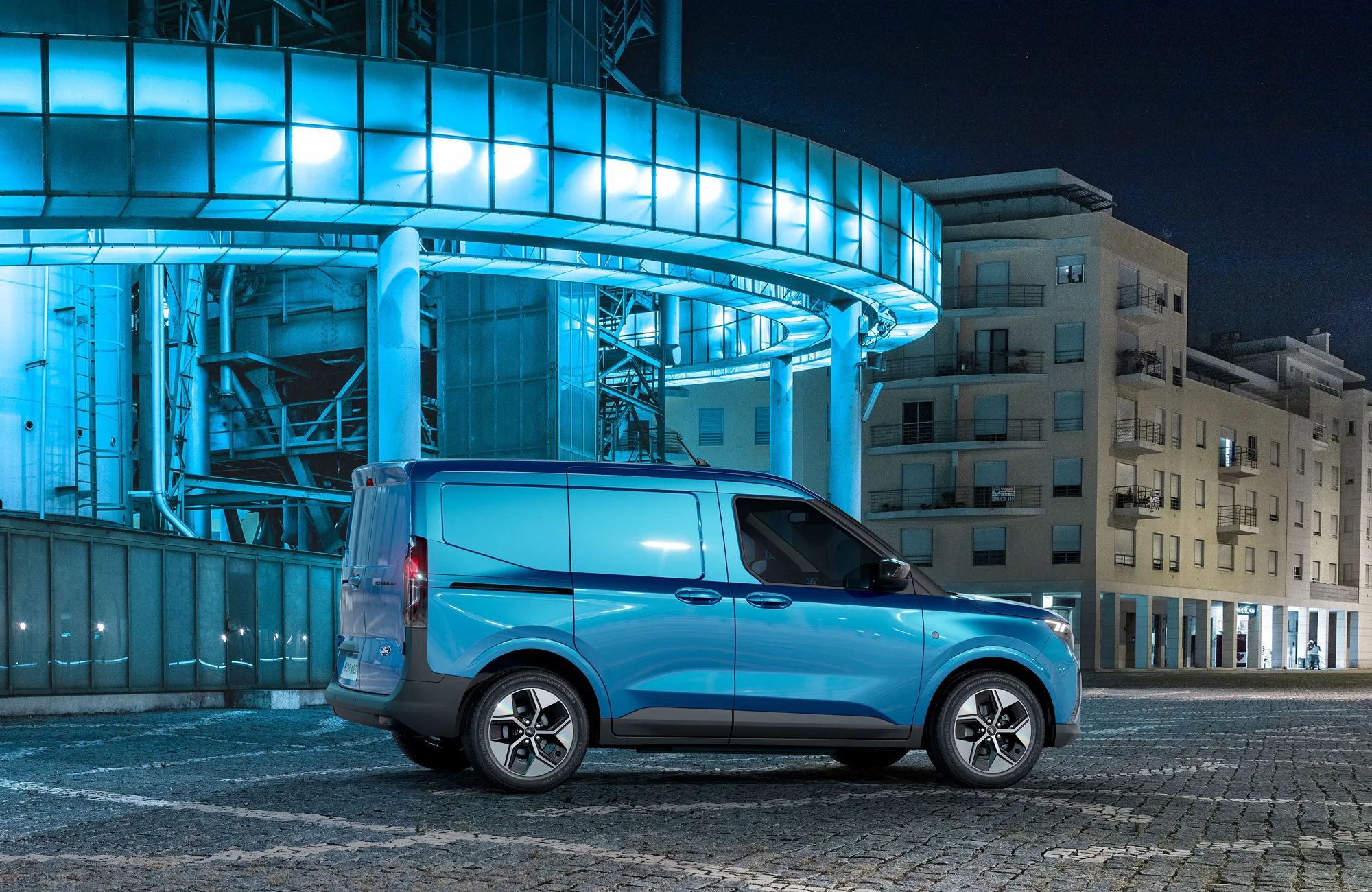
  • E-Transit Courier: Ford’s smallest electric van yet. With space for two Euro pallets, payload approaching 700kg, and rapid DC charging, it is aimed squarely at last-mile urban delivery.
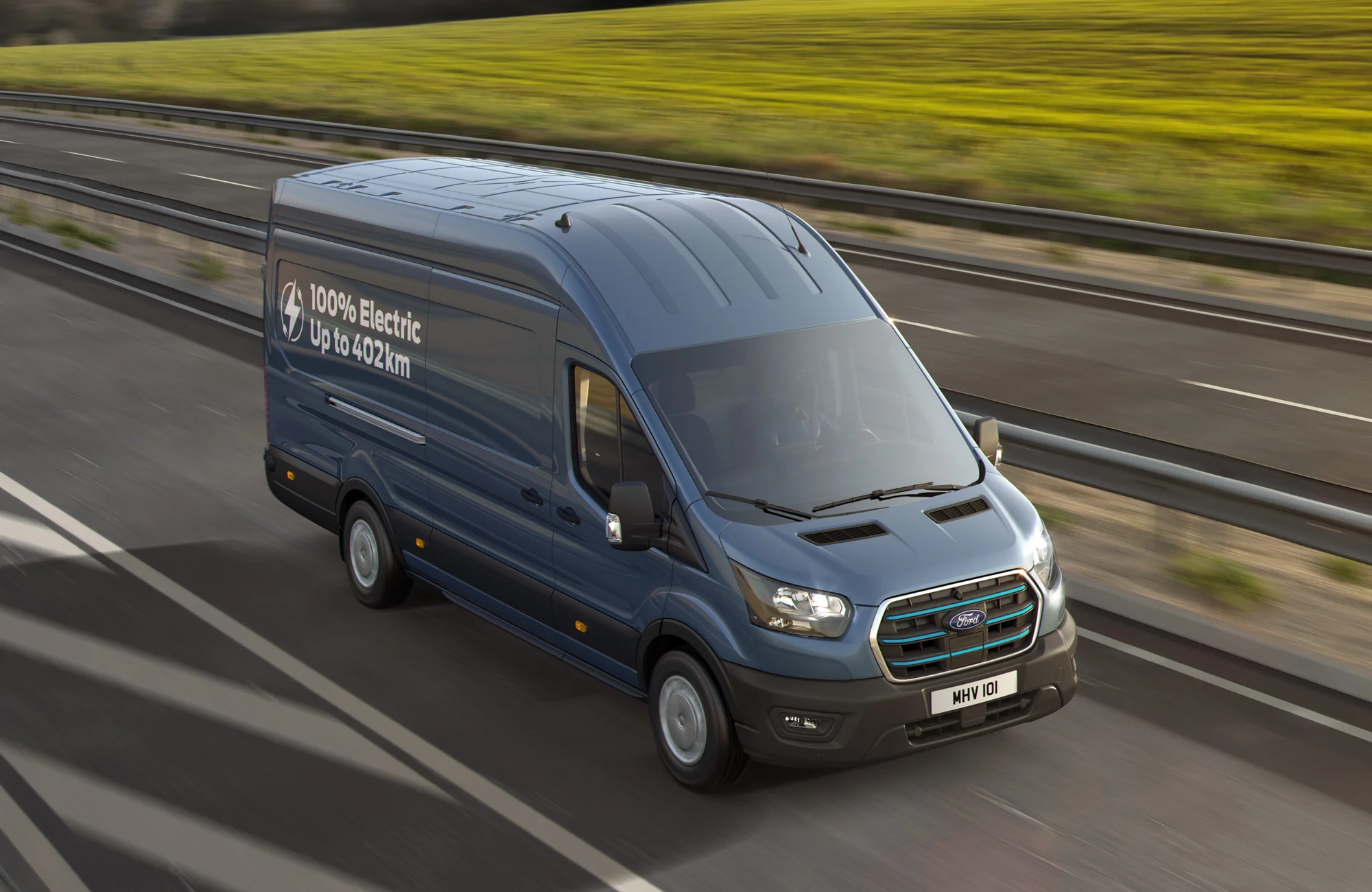
  • E-Transit Long Range: With an 89-kWh battery, this new version stretches range to over 400km, opening up regional work for electric vans.
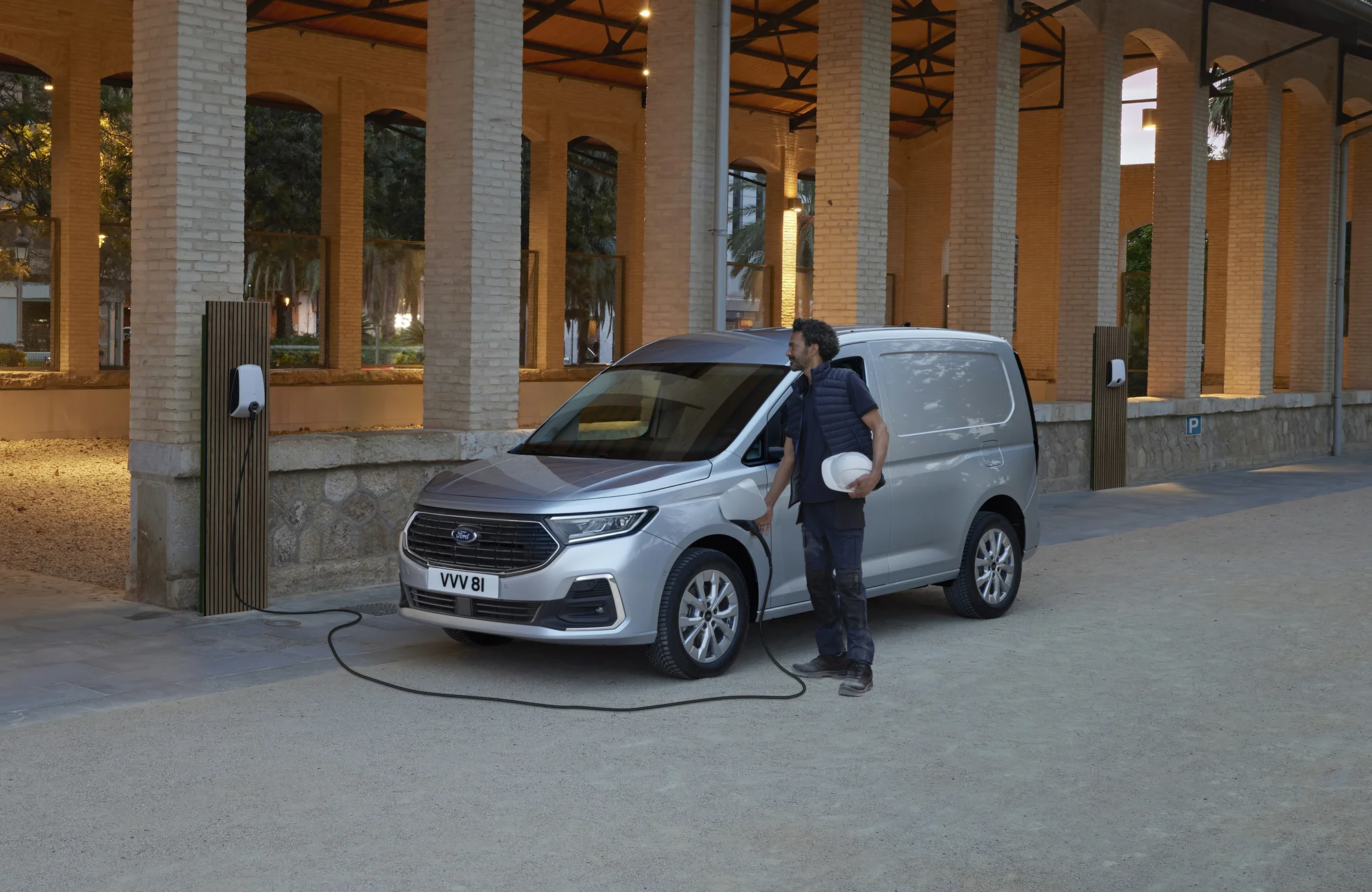
  • Transit Connect Plug-in Hybrid Electric Vehicle (PHEV): A plug-in hybrid with a targeted 110-km electric range, backed by petrol power for longer trips. It brings flexibility, improved carrying capacity, and Ford’s most advanced digital cockpit in a compact van.

Together, these models underline Ford’s ambition to dominate electrification across every van size class.

Volkswagen Transporter and Crafter/MAN TGE: evolution of icons

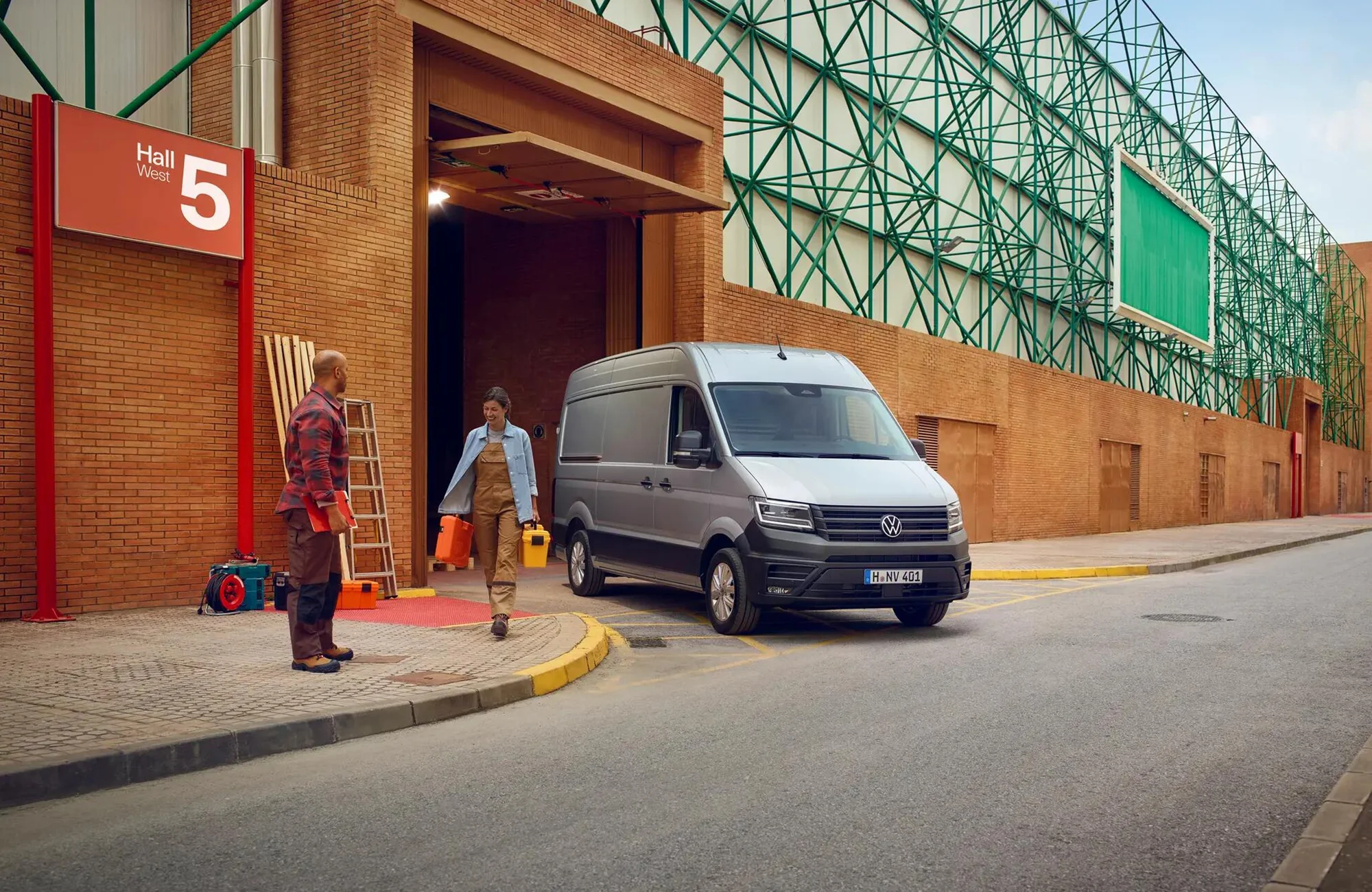
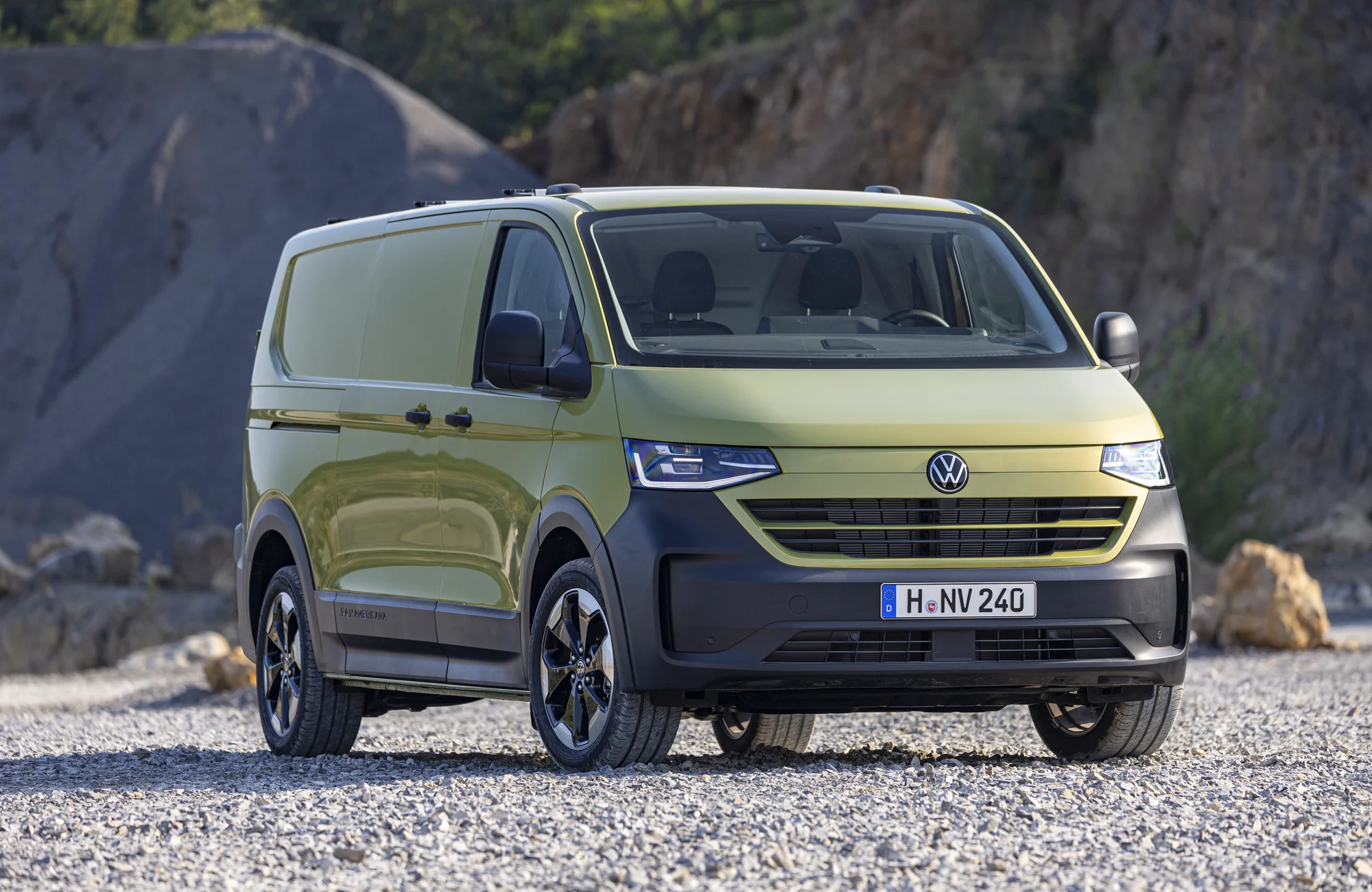
Volkswagen’s line-up is formidable. The new Transporter (T7), co-developed with Ford, comes in diesel and fully-electric forms, with a plug-in hybrid on the horizon. It offers payloads of over a tonne and towing up to 2.8 tonnes.

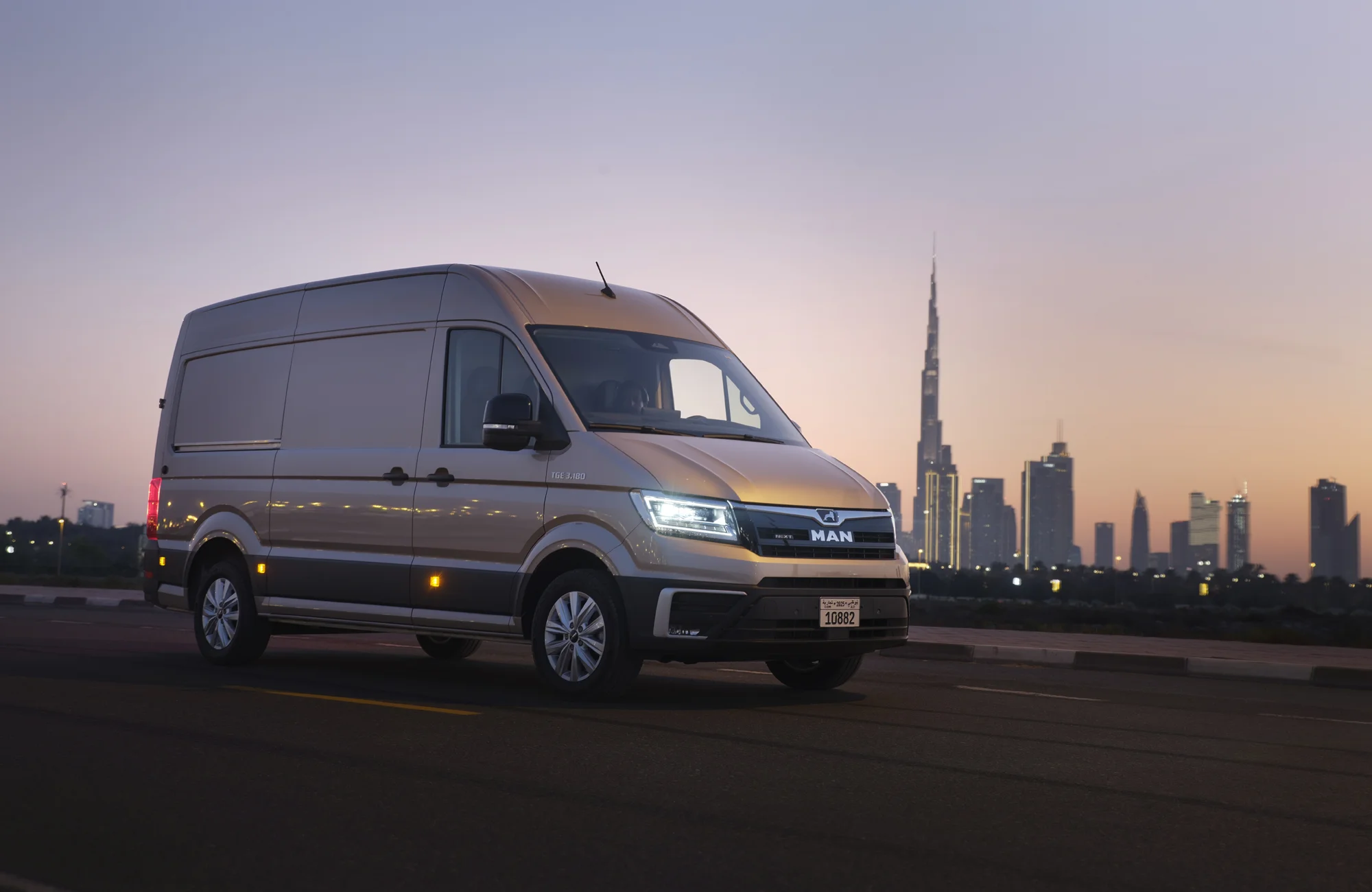
Meanwhile, the Volkswagen Crafter and its twin, the MAN TGE, have been jointly nominated. Their 2025 upgrades include new interiors with advanced digital interfaces, enhanced safety systems, and more powerful engines. Both remain versatile workhorses available in countless body styles, from tippers to refrigerated vans.

The IPUA Finalists

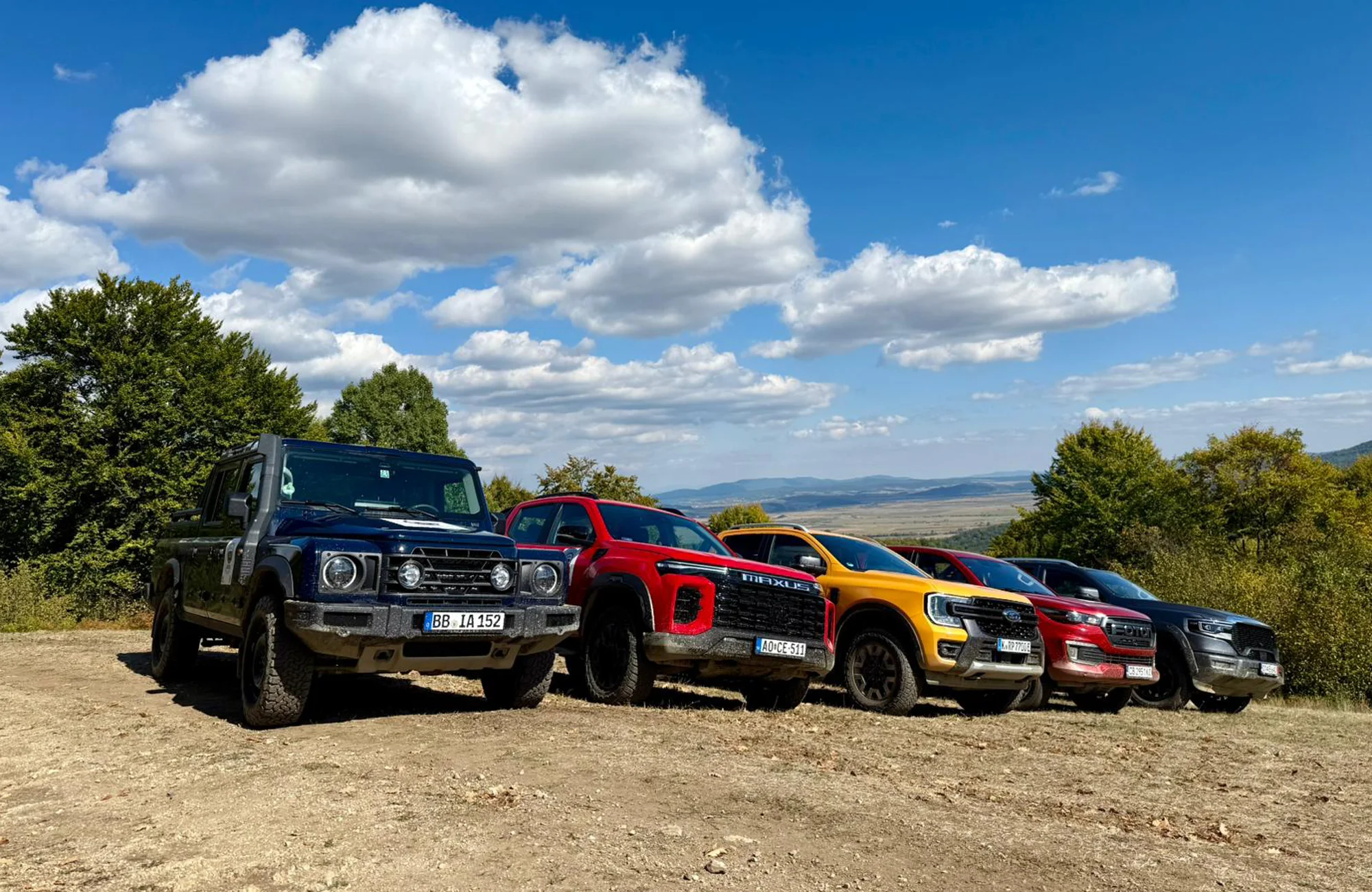
While IVOTY is about vans, the IPUA is about bakkies – the rugged workhorses that double as lifestyle vehicles. For 2026, five models are in the running… and three are Asian.

Ford Ranger Plug-in Hybrid: electrification without compromise

The Ford Ranger is Europe’s best-selling pickup, holding a 47% market share. Its new PHEV version aims to maintain that dominance.

It pairs a 2.3-litre EcoBoost petrol engine with a 75-kW electric motor and 11.8-kWh battery, producing a class-leading 207kW and 697Nm of torque. With a towing capacity of 3.5 tonnes and an electric-only range of 43km, it promises to deliver Ranger capability with lower running costs. Modes such as EV Auto, EV Now, and EV Charge give drivers flexibility, while onboard power outlets can run tools at worksites.

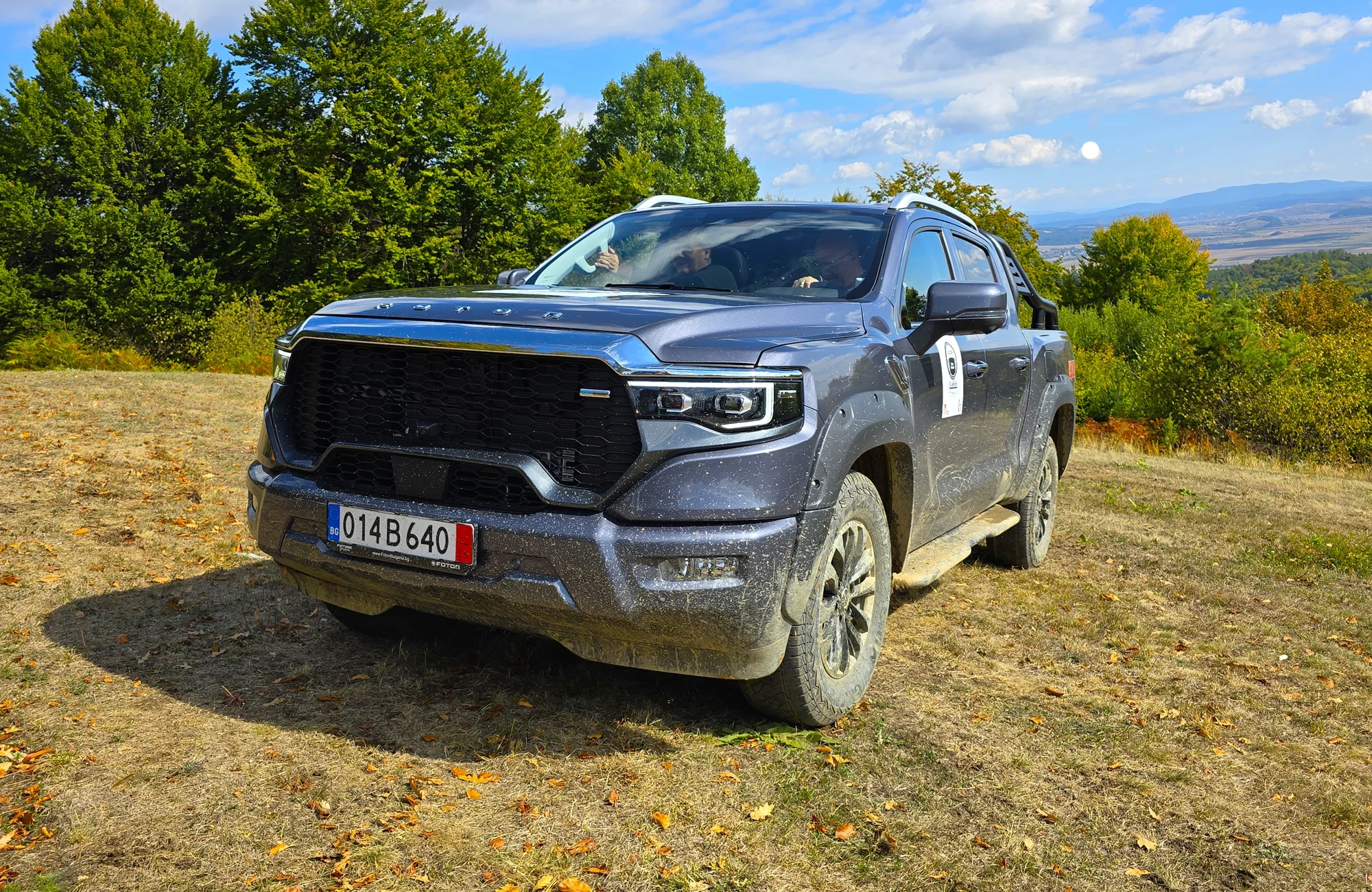
Foton G7 and V9: value with muscle

China’s Foton has two contenders: the Tunland G7 and Tunland V9.

  • G7: Powered by a 2.0-litre turbo diesel delivering 120kW and 390Nm, paired with an eight-speed ZF automatic. It offers BorgWarner part-time 4WD, three-tonne towing, and robust suspension.
  • V9: A step up, with a 2.0-litre Aucan turbo diesel mild-hybrid, producing 120kW and 450Nm. Built on a ladder-frame chassis, it tows up to 3.5 tonnes. Independent front and multi-link rear suspension give it refinement, while the cabin features modern tech like paddle shifters.

Foton has sold over 11 million vehicles in more than 100 countries, and with aggressive pricing, it aims to undercut European rivals.

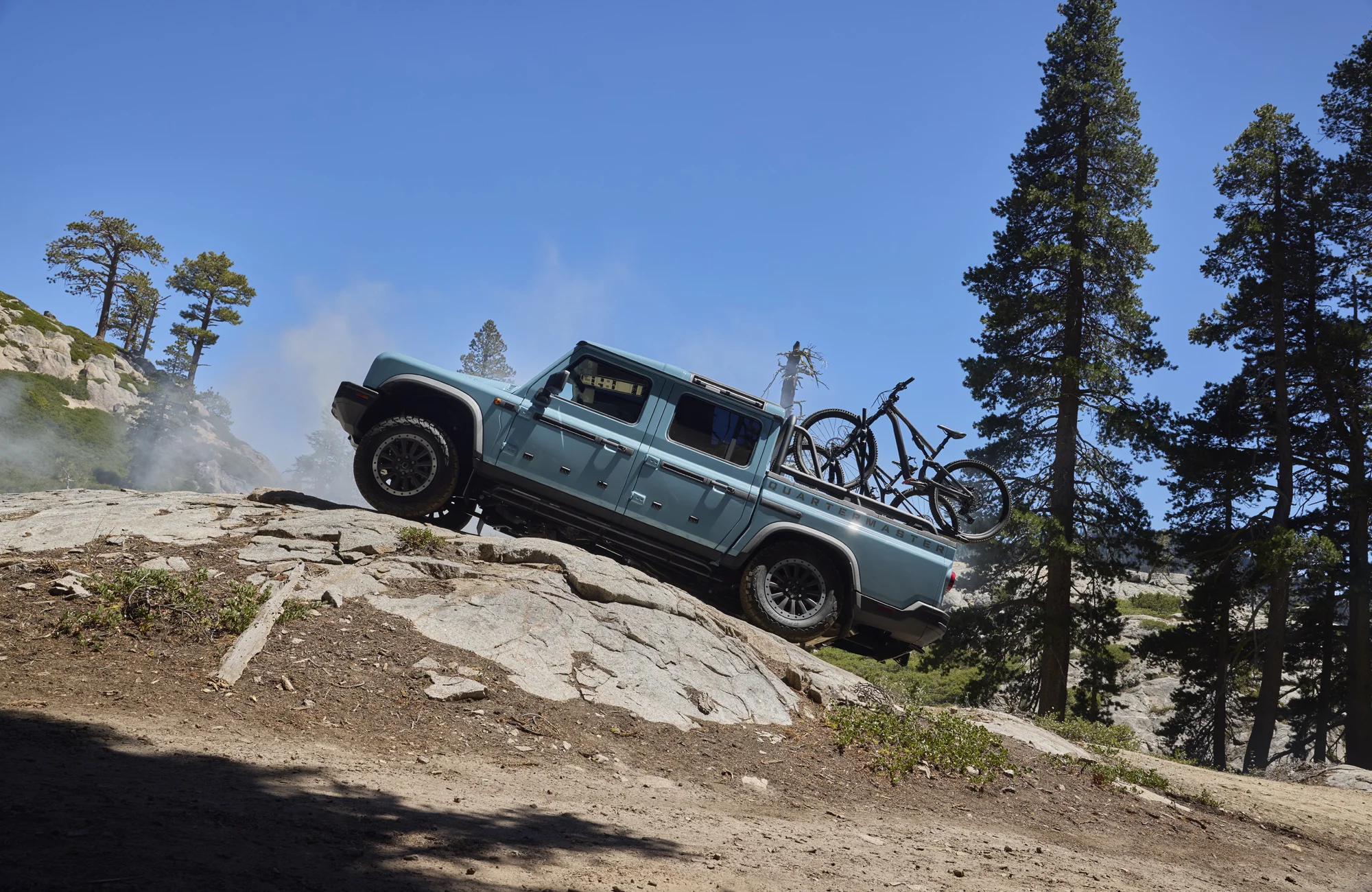
INEOS Grenadier Quartermaster: British grit reborn

Perhaps the most fascinating finalist, this is a pickup version of the rugged Grenadier 4×4. INEOS Automotive was born out of Sir Jim Ratcliffe’s vision in a London pub: to create an uncompromising, no-frills utility 4×4 in the mould of the old Land Rover Defender. Vehicles are built at the Hambach plant in France, formerly owned by Mercedes-Benz.

The Quartermaster shares its interior with the Grenadier station wagon but adds a load bed big enough for a Euro pallet. It is powered by BMW’s 3.0-litre straight-six petrol and diesel engines, paired with a ZF eight-speed automatic gearbox. Suppliers like Carraro (differentials), Recaro (seating), and Bosch (electronics) reinforce its engineering pedigree.

Built on a ladder-frame chassis, it offers 3.5-tonne towing capacity, payloads up to 835kg, and industry-leading off-road geometry. The cabin is deliberately analogue, with aviation-style overhead switches and controls designed for gloved hands. Even the interior can be hosed down after a muddy day.

Two trims are available: Trialmaster for serious off-roading, and Fieldmaster for longer journeys. With more than 30,000 Grenadiers already delivered globally – 70% to the US – the Quartermaster brings British grit into the pickup contest with serious intent.

Maxus T60 Max: power from China

Rounding out the list is another Chinese contender, the Maxus T60 Max. With a 2.0-litre bi-turbo diesel producing 160kW and 500Nm, an eight-speed automatic, and 3.5-tonne towing, it is a credible rival to established names. Large dimensions, a long wheelbase, and modern infotainment make it equally appealing for work and lifestyle buyers.
What this trend means for the market

The influx of Asian entrants into both contests cannot be ignored. While Europe still holds sway, the likes of Kia, Farizon, Foton, and Maxus are signalling their global ambitions. They bring competitive technology, strong pricing, and in some cases, bold new ideas about how vans and bakkies should work.

For South African fleets, the implications are mixed. On the one hand, electrification remains constrained by infrastructure. Charging networks are patchy, meaning plug-in hybrids like the Transit Connect PHEV or Ranger PHEV may be the most practical near-term solutions. On the other, the arrival of Asian brands could open up more affordable choices, broadening the market. Indeed, we have already seen this in our country…

The jury’s task

But, for now, the jury members (including yours truly) need to cast their votes. It’s going to be very tough this year. As Jarlath Sweeney, chairperson of the IVOTY and IPUA jury, observes: “We’re in a very interesting period, with new players creating new segments and offering fresh solutions. These new brands are welcome, and their inclusion alongside household names makes our voting task more difficult.”

The new brands are, of course, also making business more difficult for European companies; the shifting power balance is clear. Asia is no longer a peripheral player; it is charging into Europe’s stronghold with advanced EVs, hybrids, and rugged bakkies that can go toe-to-toe with the best. Europe, for its part, is fighting back with its own electrification and digitalisation strategies.

And the winners are…

The winners of the 2026 International Van of the Year and International Pickup Award trophies will be named at Solutrans in Lyon, France, on 19 November 2025. It’s going to be very interesting to see whether the laurels go to the Asians or the Europeans.

For all of us here in South Africa, meanwhile, the message is clear: keep watching both fronts. Whether it’s Farizon’s born-electric van, Kia’s modular PV5, Ford’s hybrid Ranger, or INEOS’s uncompromising Quartermaster, the future is arriving fast.

In the years to come, the global commercial vehicle market will not just be a story of Asia versus Europe. Rather, it will be about who can adapt quickest, innovate boldly, and deliver the necessary tools to keep the world’s economies moving forward. The race is on, and – for the first time in decades – it feels truly wide open. 

Published by

Charleen Clarke

CHARLEEN CLARKE is editorial director of FOCUS. While she is based in Johannesburg, she spends a considerable amount of time overseas, attending international transport events – largely in her capacity as associate member of the International Truck of the Year jury, member of the International Van of the Year jury, judge of the International Pickup Award, judge of the Truck Innovation Award, judge of the Truck of the Year Australasia, and IFOY Award jury member.
Prev Five Es, one F: failing road safety
Next Buffalo Truck Stop: Africa’s answer to the world’s best

Leave a comment

This site is protected by reCAPTCHA and the Google Privacy Policy and Terms of Service apply.