More than 700 supply chain managers from across Africa and around the world convened in Cape Town for this year’s 47th annual SAPICS Conference, Africa’s leading event for the profession. The accessibility of lifesaving medicines in Africa was on the agenda in the wake of global funding cuts, along with critical topics like South Africa’s ports crisis, the supply chain skills deficit, and the rise of technology like artificial intelligence (AI) and gamification.
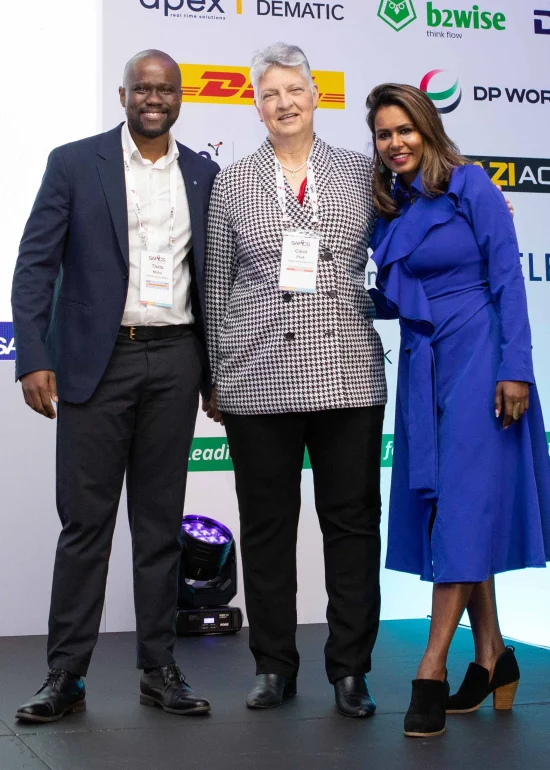
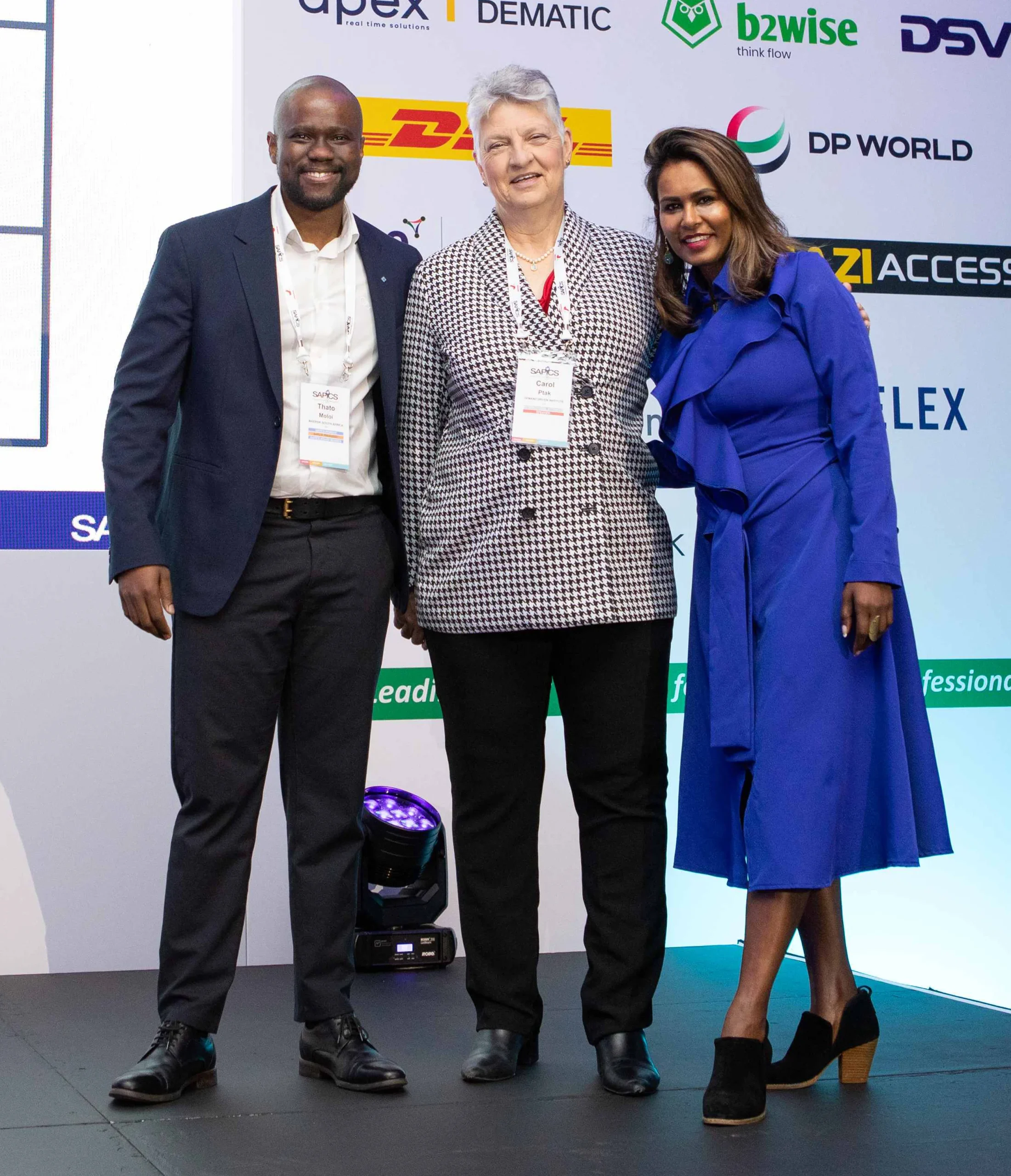
Supply chain management has moved from the back office to the boardroom, according to SAPICS. Opening the conference, the organisation’s president Thato Moloi said that supply chains today are recognised as enablers for job creation and sustainable growth. They are key to global trade and thriving economies and populations: not just getting goods and commodities from A to B, but also saving lives.
SAPICS stresses that today, supply chains must be agile, robust, and resilient to absorb the ongoing disruptions in an increasingly volatile, uncertain, complex, and ambiguous (VUCA) world. Since 1966, the mission of the not-for-profit supply chain industry body has been to elevate, educate, and empower supply chain professionals in South Africa and across the continent, through education offerings and events like the annual SAPICS Conference.
World-renowned US-based supply chain expert and author Carol Ptak delivered this year’s keynote presentation, urging attendees to adapt to the current volatile, disruption-fraught environment or risk business extinction. “One ship turns sideways in the Suez Canal and world trade shuts down,” she said, referencing the blockage of the canal in 2021 when the container ship Ever Given ran aground. Ptak is the co-founder of the Demand Driven Institute, a global organisation that advances Demand Driven supply chain strategies and practices.
Imperative for improved port efficiency
The Nando’s Group’s global supply chain executive Linda Reddy returned to South Africa from England to deliver the conference’s second keynote. She stressed the imperative for improved port efficiency in South Africa, as there’s “a problem with almost every shipment” and companies are struggling with soaring airfreight costs. Despite port issues and water and energy instability, however, she is optimistic about South Africa – and particularly South Africans.
Reddy told SAPICS attendees that Nando’s is committed to sourcing all its ingredients – and even restaurant décor and supplies – from Africa. More than 400 products are exported from Southern Africa for Nando’s restaurants and retail outlets in 20 countries. These include bird’s eye chillies, art, furniture, groceries, and uniforms.
More than 60 people in South Africa work with Nando’s teams in New Zealand and the US, and the skills and dedication of South African workers led Reddy to appoint her own global team from within the country. “We have buckets of excellence in South Africa,” she said, urging the SAPICS audience to keep thinking about what can be done better and how South Africa can be more competitive – including making exporting more attractive.
US-based sustainability and circularity specialist and author Deborah Dull launched her latest book at this year’s SAPICS Conference. Full Circle: Supply Chains Reimagined: A Story of Circular Supply Chain Capabilities tells the story of Maya Patel. When a global supply chain crisis paralyses her manufacturing company, Maya proposes a radical solution: to repair and manufacture critical components locally, rather than depending on distant suppliers.
In sharing Maya’s story, Dull discussed the concept of urban mining, where minerals and components are extracted from e-waste. “It’s less expensive to mine e-waste than the planet,” she told SAPICS delegates, sharing the astonishing statistic that there are 10 billion dead cell phones currently sitting in drawers in homes around the world.