Ever Star Industries celebrates 10,000th truck

Ever Star Industries celebrates 10,000th truck

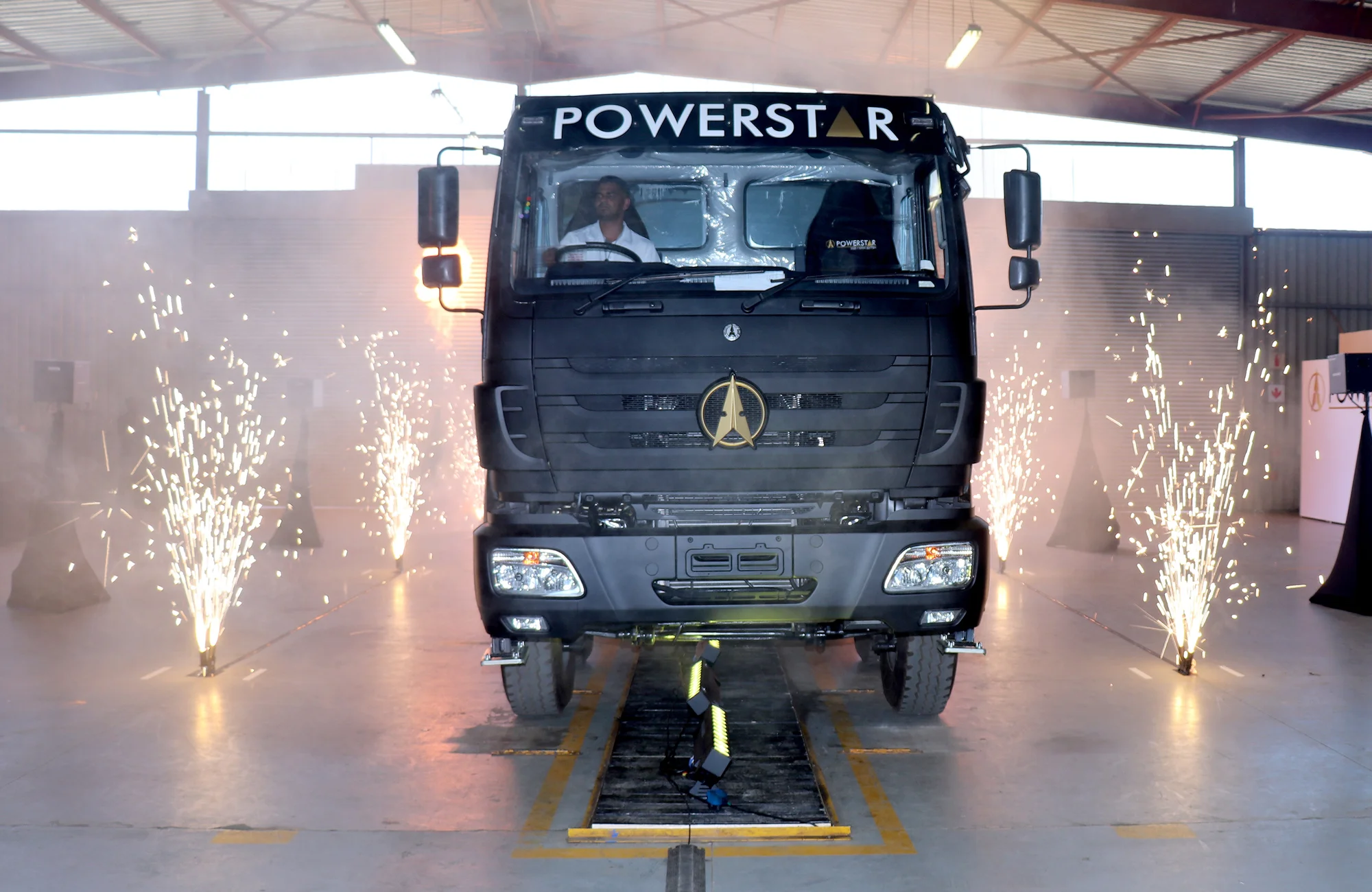
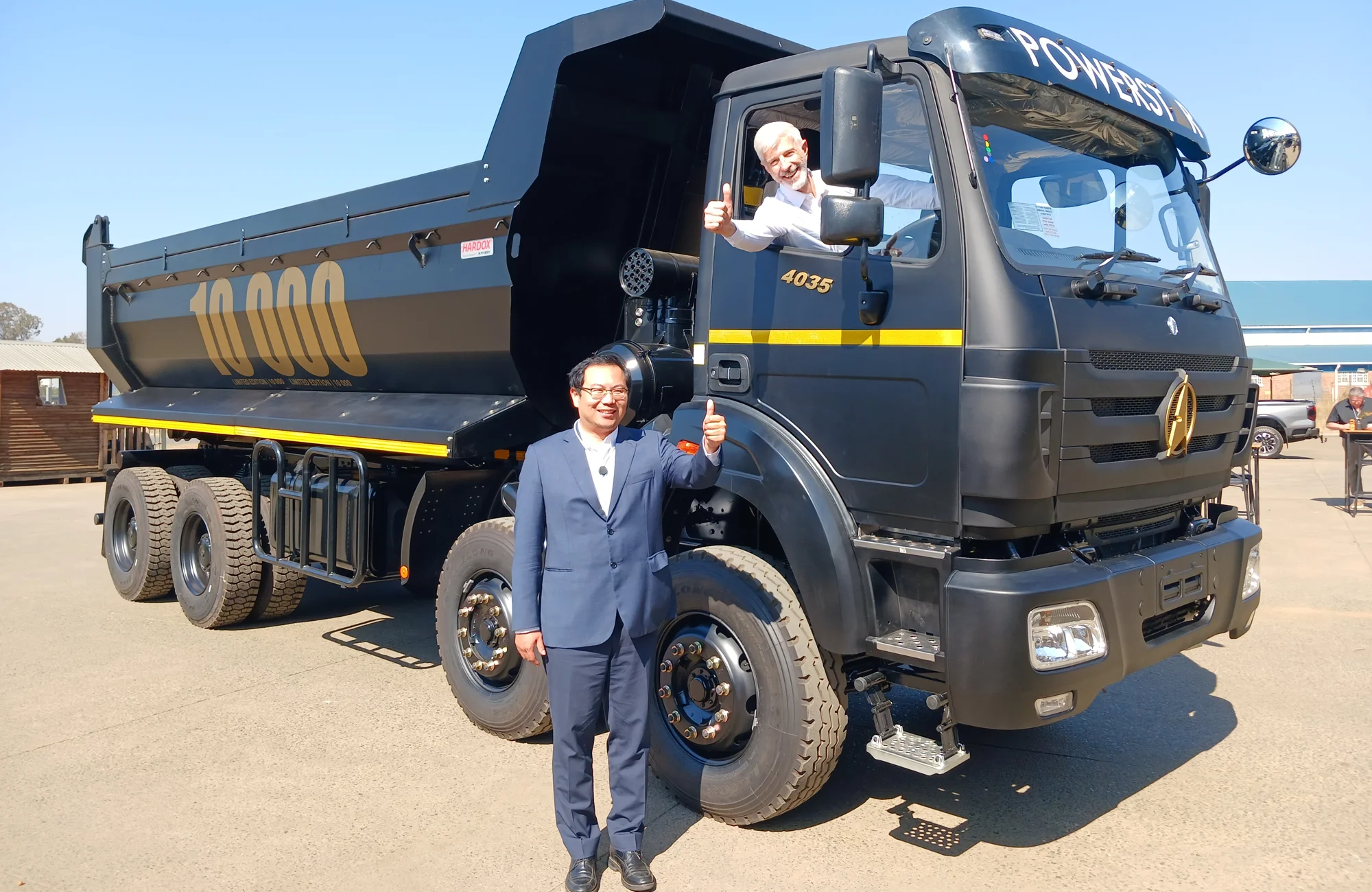
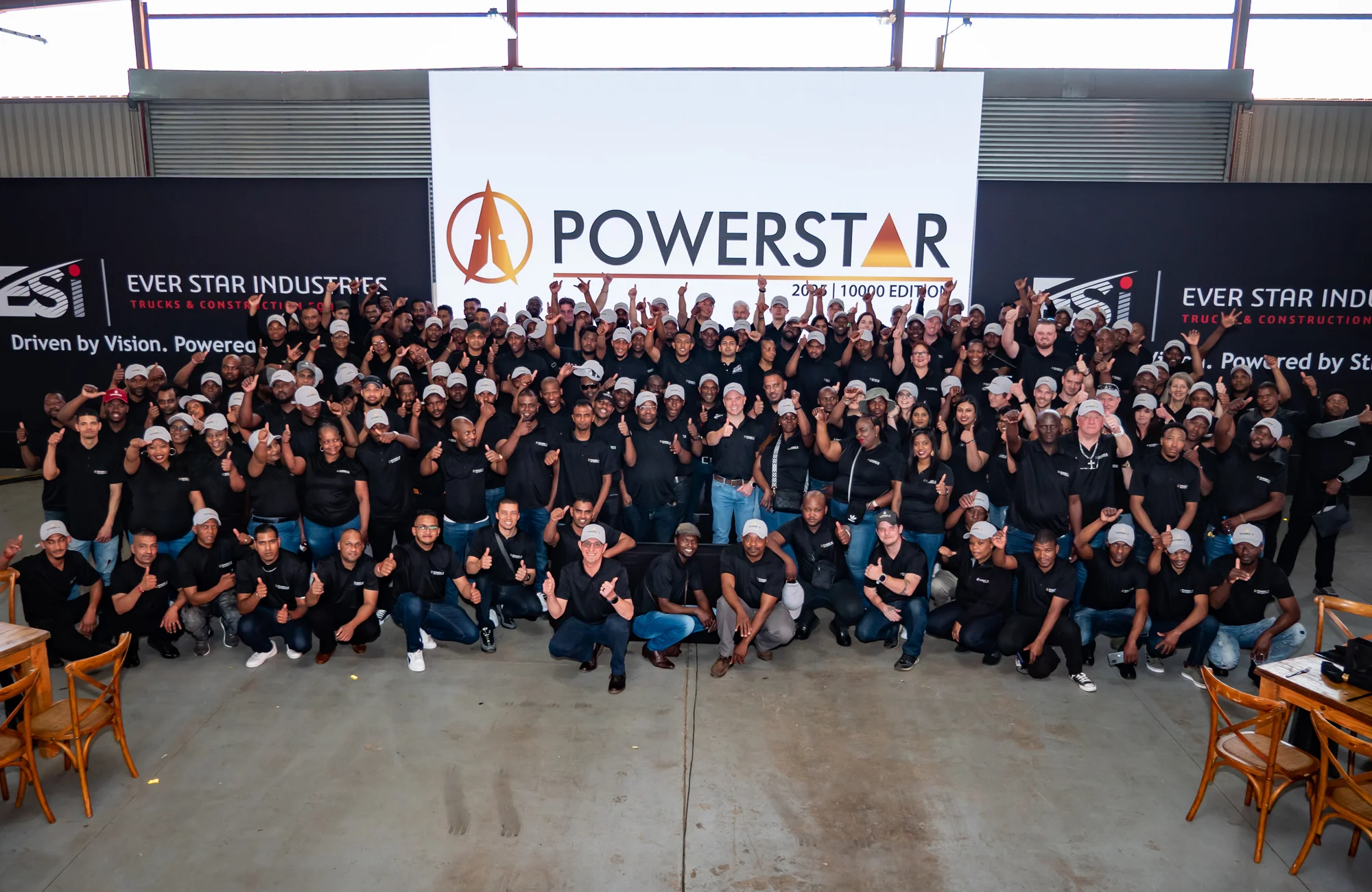
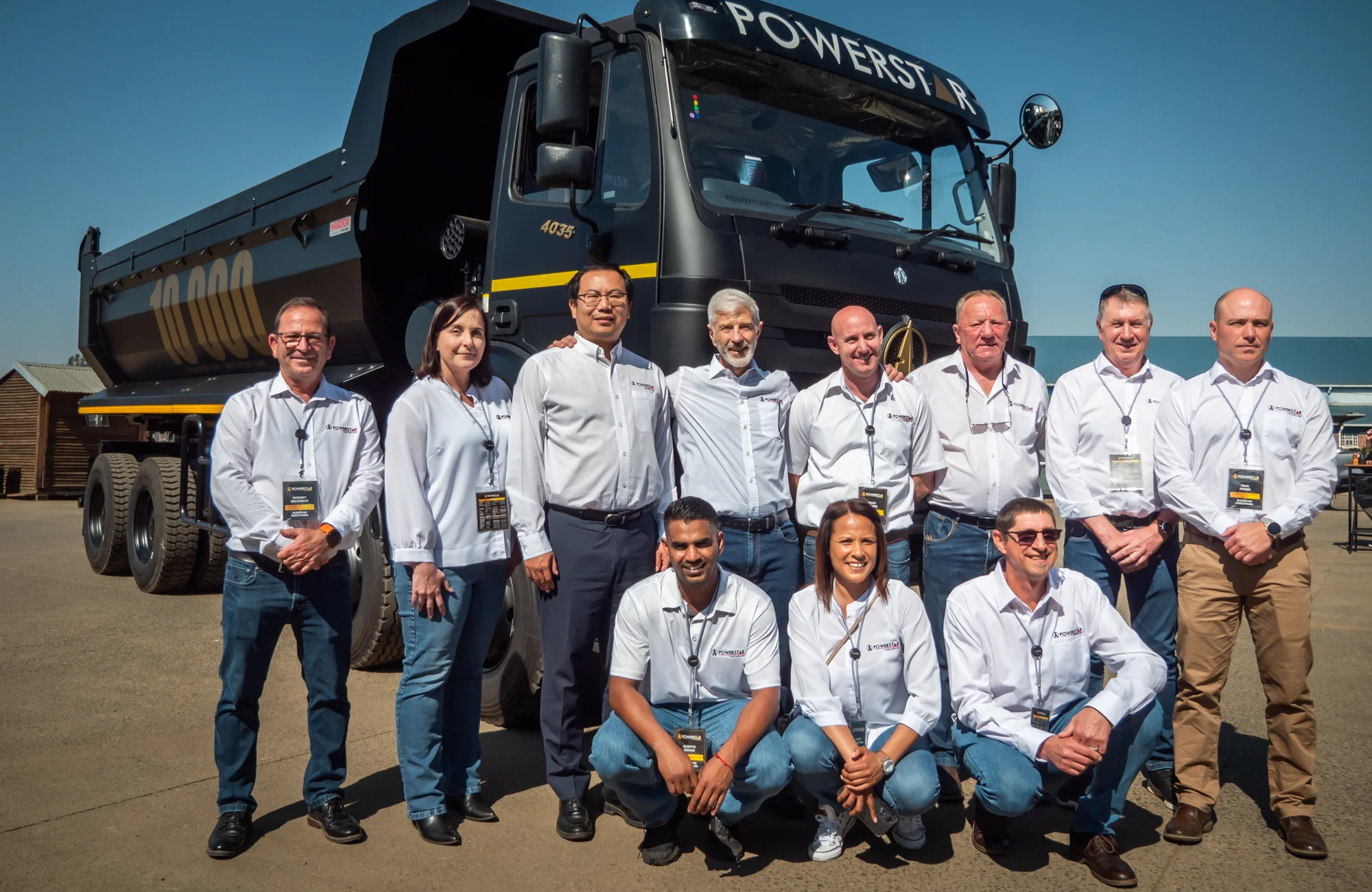
Established in August 2010, Ever Star Industries (ESI) has grown from a bold challenger to a recognised force in Southern African trucking. This much became obvious in August 2025, when the company celebrated the 10,000th truck to emerge from its Pietermaritzburg production line. NICOLA JENVEY joined the celebrations.

The milestone was a truly significant moment for the company, which is the sole distributor of Powerstar trucks, the Powerstar FT Series, and Shantui construction and mining equipment across the Southern African Development Community (SADC).

According to Danny Li, ESIโ€™s chief executive officer, the path to this achievement hasnโ€™t always been easy. โ€œWe are celebrating a story of resilience and overcoming problems, with 2024 being the companyโ€™s best performance to date,โ€ he says. โ€œThat achievement can be credited to the support we have received from our partners.โ€

The number takes on added significance when measured against the beginnings of the business, when the plant was producing three to eight units a day. ESIโ€™s leadership now believes the next 10,000 units can be achieved in half the time, supported by a planned R70 to R100 million investment to expand capacity and sharpen efficiency.

Building a brand the bold way

From the outset, ESI chose a path that many considered risky: bringing a Chinese truck brand into a mature, highly competitive South African market. Powerstarโ€™s proposition โ€“ robust, mechanically straightforward trucks built for harsh duty cycles โ€“ was tested immediately in sectors where reputations are made (or broken) quickly.

โ€œEnticing a Chinese brand into South Africa was a rollercoaster ride,โ€ recalls Rodney Selesnick, senior head of sales. โ€œThis was a courageous move, given the market was already mature. Yet Powerstar is growing and setting records, and we are proud of the team who made this milestone possible.โ€

The assembly model โ€“ completely knocked down (CKD) kits imported from China, built locally to stringent quality standards โ€“ has proven resilient. It gives ESI flexibility to respond to demand, incorporate customer feedback at short intervals, and maintain high levels of parts commonality and serviceability in the field. It also dovetails with the brandโ€™s philosophy: simplicity where it counts, durability where it matters, and total cost of ownership at the centre of value.

A one-stop partner for construction and mining

ESIโ€™s ambitions extend beyond vehicle sales. โ€œWe aim to be a one-stop-shop for mining and construction applications, and to support Southern Africaโ€™s construction economies by delivering high-quality vehicles and equipment that maximise customersโ€™ return on investment,โ€ says general manager Alan Parry. โ€œWe are redefining what trucks can do while building Africaโ€™s networks.โ€

His statement is borne out in the sales mix. Demand for tippers, water tankers, concrete mixers, bitumen units, and crane configurations remains strong; in a move intended to honour the sector that has underpinned much of Powerstarโ€™s growth over the years, ESI chose a tipper as the commemorative 10,000th truck. The construction industry remains the companyโ€™s bread and butter, and Parry describes ESI as a leader in the construction sector โ€“ a position underpinned by continual product refinement and local assembly.

Today, roughly 80% of sales are made within South Africa. ESI notes a structural shift in public-sector procurement โ€“ from contractor-led arrangements towards direct government fleet purchases โ€“ and reports that a B-BBEE partnership has supported deliveries of 450 trucks into government operations.

Beyond South Africa, cross-border growth is a strategic priority, with a measured approach that places aftersales support at the centre. โ€œOur challenge isnโ€™t demand,โ€ Selesnick explains. โ€œItโ€™s ensuring that parts, service, and technical support are in place from day one. We have seen the damage caused when vehicles are sold into neighbouring markets without the necessary backup, and we are determined to do this the right way.โ€

ESI points to Zimbabwe as a strong market, while noting that currency and payment constraints require careful planning. Botswana is a near-term priority, Namibia is returning to longer-term value purchasing after a period of stop-start investment, and island markets such as Seychelles, Madagascar, and Mauritius are on the radar โ€“ Mauritius serving as a โ€œtest the watersโ€ launchpad.

PowerTech: telematics made simple โ€“ and powerful

The 10,000-unit celebration doubled as the launch venue for PowerTech, ESIโ€™s new built-in telematics platform developed with Pretoria-based Khulu Digital. The system reflects Powerstarโ€™s engineering ethos: keep the mechanicals straightforward, then overlay smart, reliable data to lift uptime and reduce waste. Neil Weideman, Khulu Digitalโ€™s tech lead, says PowerTech enables proactive maintenance, identifying irregularities before they become problems and helping fleets plan services around real-world usage rather than rigid intervals.

Standard fitment across new Powerstar models ensures that telematics is not an add-on but part of the truckโ€™s DNA. More than 500 vehicles are already running the locally designed hardware and software, and the platform’s architecture allows it to scale with the range. Crucially, ESIโ€™s in-house validation keeps electronics interference-free, preserving the reliability for which Powerstar is known.

Weideman highlights a practical advantage: fleets can calculate operating costs in real time down to cents per kilometre. โ€œHistorically, tracking devices were installed for insurance compliance,โ€ he notes. โ€œToday, advanced telematics can show you where money is being burned: over-idling, harsh driving, fatigue, and poor cornering all add cost. With actionable insight, managers can coach drivers, adjust routes and service schedules, and curb unnecessary fuel spend.โ€

Under the skin: data, dashboards, and decision-making

What sets PowerTech apart is how far down the stack it looks. Rather than relying solely on the engine control unit, the system draws data from sensor level, building a more granular picture of each vehicleโ€™s health and usage. In addition to location and fuel consumption, PowerTech can track parameters linked to wear and tear โ€“ including components such as clutches and brakes โ€“ so that maintenance becomes predictive rather than reactive.

The data pathway is engineered for coverage and resilience. Vehicles transmit via satellite and cellular (GPRS/LTE) to a secure cloud environment, where the information is presented in a web portal as live dashboards and scheduled reports. For managers, the value is twofold: an instant operational view of each truck and automated analytics that reflect trends, anomalies, and opportunities to save.

Feature sets include driver-behaviour monitoring (with alerts for events like heavy braking or sharp cornering), fuel-level and fuel-theft detection, and configurable service-interval notifications tied to actual operating conditions. For route-sensitive work, geofenced speed management can be applied so that limits align with specific areas or sites. Compliance features are adaptable to local regulations, including markets that require speed-limiting and speed-monitoring devices on specified vehicles.

In short, PowerTech is designed to keep trucks working harder for longer, reduce unscheduled downtime, and capture tangible savings in fuel and maintenance, all while improving driver safety โ€“ exactly the levers that matter in construction, mining, and heavy logistics.

Capacity, investment, and regional growth

The Pietermaritzburg facility has been the heart of the Powerstar story in Southern Africa, and ESI is preparing it for the next chapter. Geotechnical surveys are underway for a potential second production line and an upgraded warehouse. The investment โ€“ estimated at R70 to R100 million โ€“ is intended to lift steady-state output to 1,000 to 2,000 units a year, with 3,000 units annually regarded as feasible once the logistics network is expanded and optimised.

โ€œScaling responsibly is essential,โ€ Parry says. โ€œCapacity is one part of the equation; the other is ensuring that our dealer network, parts availability, and technical training keep pace. The objective is not merely to build more trucks, but to build better trucks faster, and to support them unfailingly in the field.โ€

For the current year, ESI plans to assemble around 1,000 large trucks, with a targeted 50% increase in 2026. The product plan will continue to prioritise configurations that the market wants most โ€“ tipper and mixer applications foremost among them โ€“ while also introducing incremental improvements to safety, comfort, and durability across the range.

ESIโ€™s growth thesis is refreshingly pragmatic: do the basics brilliantly and add technology where it demonstrably enhances uptime or reduces lifetime cost. That approach has resonated with customers who operate in remote locations, on tough surfaces, in heat and dust, and for whom โ€œsimple and strongโ€ is not a marketing line but a performance requirement.

A team built for the long haul

If there is a common thread running through ESIโ€™s narrative, it is people. The companyโ€™s leadership is quick to credit its workforce, dealers, and suppliers for its latest milestone. โ€œReaching 10,000 trucks is a landmark moment in Powerstarโ€™s journey โ€“ a testament to the dedication, craftsmanship, and teamwork that drive our success,โ€ says Li. โ€œFrom manufacturing to aftersales, every individual has played a part in shaping Powerstarโ€™s legacy. Hereโ€™s to our team, our partners, and the journey ahead โ€“ 10,000 trucks down, and many more to come.โ€

That ethos flows into the aftersales realm, where ESI has invested in training, technical support, and parts logistics to underpin uptime. It is also evident in the companyโ€™s posture toward new markets: enter where you can sustain support, expand only when the ecosystem โ€“ dealers, technicians, and parts pipelines โ€“ is ready. The same discipline that governs the plant floor applies to regional growth.

Liโ€™s optimism about the future rests on Africaโ€™s enduring demand for infrastructure, housing, energy, and logistics. In this regard, Powerstarโ€™s goal is clear: supply tough, reliable, affordable trucks that move materials, carry water, pour concrete, and lift equipment safely. Do this consistently and the sales will follow. On this trajectory, reaching the next 10,000 units in half the time looks less like ambition and more like the natural next chapter.
Published by

Focus on Transport

FOCUS on Transport and Logistics is the oldest and most respected transport and logistics publication in southern Africa.
Prev Crooks, spooks, and a transport mythtake
Next The great CV invasion: why no one can stop Chinaโ€™s rise

Leave a comment

This site is protected by reCAPTCHA and the Google Privacy Policy and Terms of Service apply.