International Truck of the Year turns 50: These were the winners from 1997 to 2001
International Truck of the Year turns 50: These were the winners from 1997 to 2001
The International Truck of the Year (IToY) is 50 years old! In celebration of this, RICHARD STANIER is paying tribute to all the winners over the years.
In previous issues of FOCUS, we covered the winners from 1977 to 1996. Now, here are the winners from 1997 to 2001.
1997: MERCEDES-BENZ ACTROS
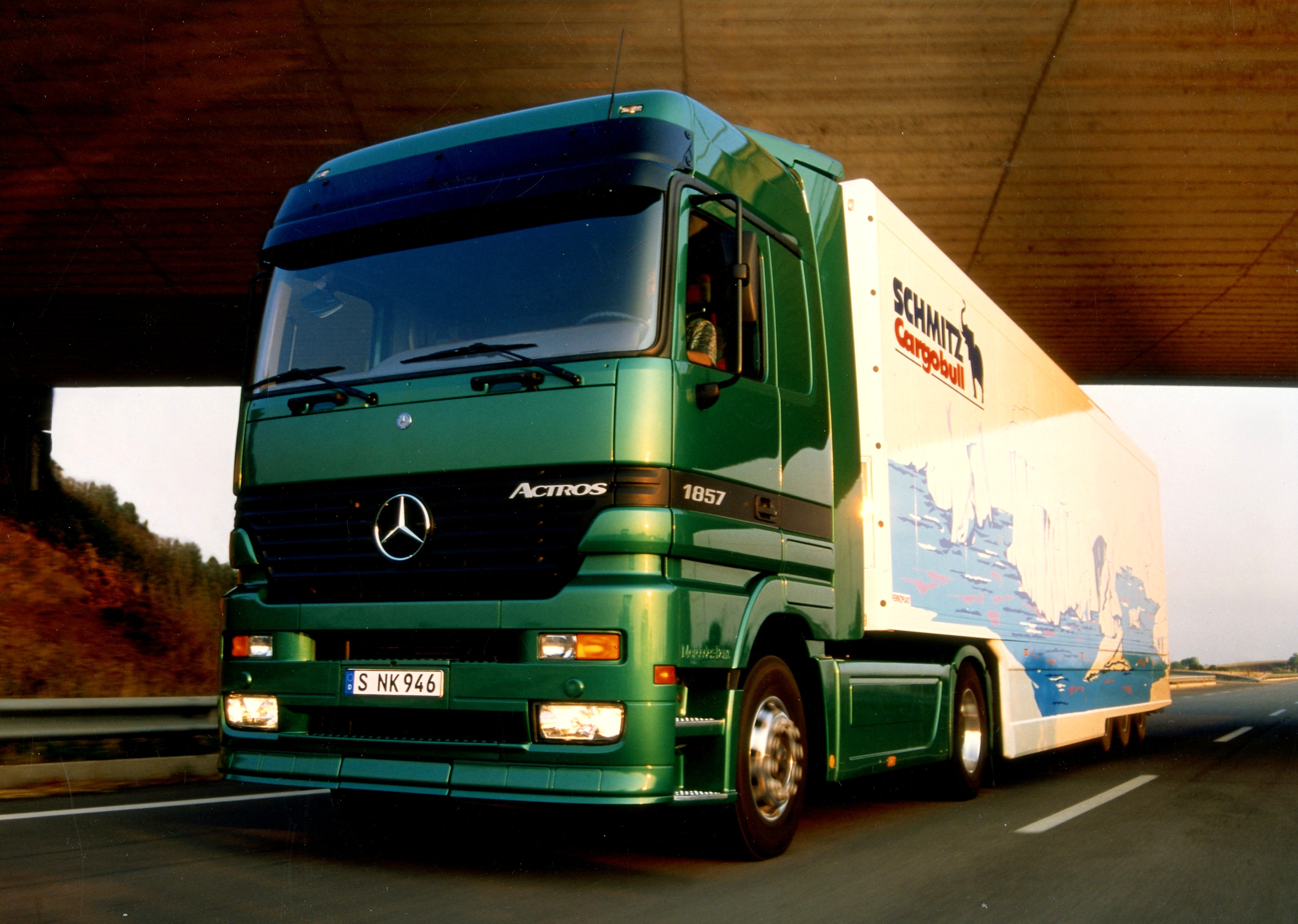
The 1997 competition saw a comfortable third win for Mercedes-Benz with the high-tech Actros. Looking back, the Actros provided the concept for the modern-day truck, with a host of new electronic features and engineering guaranteed to catch the judges’ attention. It secured 76 votes, while Renault’s Premium scored a creditable 57, with a mere 12 votes going to Scania for the remaining classes of 1996’s winning 4-series.
The Actros project was initiated in principle in 1990, born of the realisation that the 1973 NG-derived cab had reached the limit of its potential. Full development started in 1992. With an investment of £780 million (approximately R17.35 billion), the project had a highly ambitious scope and included every aspect of the range, leading to new engines, gear shifting, brakes and Telligent electronic architecture in addition to the cabs.
The design brief also included an ambition to reduce the parts inventory by nearly 75% across the entire truck range, affording the manufacturer the economies of scale required to provide operator value in a price-sensitive market. Lighter vehicles and longer service intervals – up to 120,000km in certain applications – provided a competitive advantage.
Two new engines were introduced: the OM501LA 12-litre V6 – rated at 313hp (233kW), 354hp (264kW), 394hp (294kW) or 428hp (319kW) – and the OM502LA 16-litre V8, rated at 476hp (355kW), 530hp (395kW) or 571hp (426kW). The new engines featured unit injection and a much-improved engine brake. The V6 offered a considerable weight saving over its eight-cylinder predecessor, while the big new V8 was compact enough to allow for a flat floor.
The new Telligent gear-shifting system was applied to the Mercedes-Benz 16-speed gearbox in two alternative forms. The standard shift used a short lever that was pressed forwards or backwards to select gears, with a switch for split shifts. This system retained a clutch pedal, but the Telligent Automatic system offered clutchless shifting, although a foldable “emergency pedal” was incorporated.
Electronically controlled disc brakes were standard all round. This was a first for any manufacturer and offered much-improved stopping distances compared with non-electronic disc braking. A new, lighter four-bag air suspension was standard on the rear axle and was also electronically controlled to self-level.
The new cabs were a full 2.5m wide and offered a significant increase in space over the outgoing SK models. Offered in day, standard sleeper or high-roof sleeper specifications, the designers cleverly adapted the modular principle to include the flat-floor MegaSpace option. Access, dashboard information and stowage space were all regarded as significant improvements, but the seat fabric – a curious 1980s-style combination of red, blue and purple – caused some raised eyebrows.
Coordination of the 26 electronic subsystems was undertaken by Mercedes-Benz’s own Controller Area Network data bus (CAN bus). The Telligent brand name signified a combination of telecommunications and intelligence. Twenty-first-century trucking arrived with the Actros, and the IToY judges would hear plenty more from this German icon…


1998: DAF 95XF
DAF replaced the 1988 IToY winner with its successor after a decade and took the top prize again in 1998 with the 95XF. Following the high-tech Mercedes-Benz Actros’s win in 1997, the 14 judges selected a more conservatively engineered vehicle this time around. The new DAF secured 71 points, with its closest rival, the re-engineered Renault Magnum Integral, on 61 and the new Renault Kerax third on 14.
Having been announced at the Brussels Show in January 1997, the new 95XF had the advantage of significant numbers of vehicles being in service by the time judging took place for the 1998 award. Demand for the truck was outstripping Eindhoven’s capacity to supply the market; some 10,000 units were sold in 1997, and press evaluations were very positive.
The two major factors behind the 95XF’s success were its new class-leading, long-haul Super Space Cab and an all-new 12.6-litre engine. DAF had introduced the original Super Space Cab in 1994, but an extra 20cm of cab length was added for the 95XF. The same extended cab structure was shared by the standard-height sleeper Comfort Cab and the intermediate Space Cab.
The new cabs, featuring an 81cm bunk, were mounted 10cm higher on the chassis than their predecessors. All benefited from a less intrusive dashboard, improved heating and a button-operated adjustable steering column. Externally, plastic panels extended the length of the doors to enclose the cab steps, while a larger grille was introduced to accommodate the increased-capacity radiator required by the dry-liner engine.
The completely new engine replaced the long-serving WS 11.6-litre unit, which had its ancestry in a Leyland design from the early 1960s. Rated at either 380hp (283kW), 430hp (321kW) or 480hp (358kW), with maximum torque of 2,050Nm, the 12.6-litre engine featured 24 valves, a gear-driven fan, a crankshaft forged directly into the correct shape, hollow pushrods and a much stiffer block. Mechanical injection was retained for Euro 2, while the DAF Engine Brake – jointly developed with Jacobs – was also made available. DAF continued to offer the 14-litre Cummins engine, rated at 530hp (395kW), until replacing it with its own design for Euro 3 in 2000.
In keeping with traditional engineering, DAF retained drum brakes for the 95XF because of the longevity of drums and linings compared with disc brakes. Reduced maintenance time and lengthy service schedules were key factors in the truck’s design. Two chassis specifications were offered – the medium-duty M class and the heavy-duty H class – with deeper chassis sides for rigids and additional reinforcement for tractor units. The driveline was completed by ZF’s 16-speed manual transmission and DAF’s SR 1347 single-reduction drive axle.
With its new fuel-efficient engine, spacious cabs and proven engineering, the 95XF appealed widely to European operators, serving them well until the introduction of the electronically enhanced XF95 in 2002.
1999: MERCEDES-BENZ ATEGO
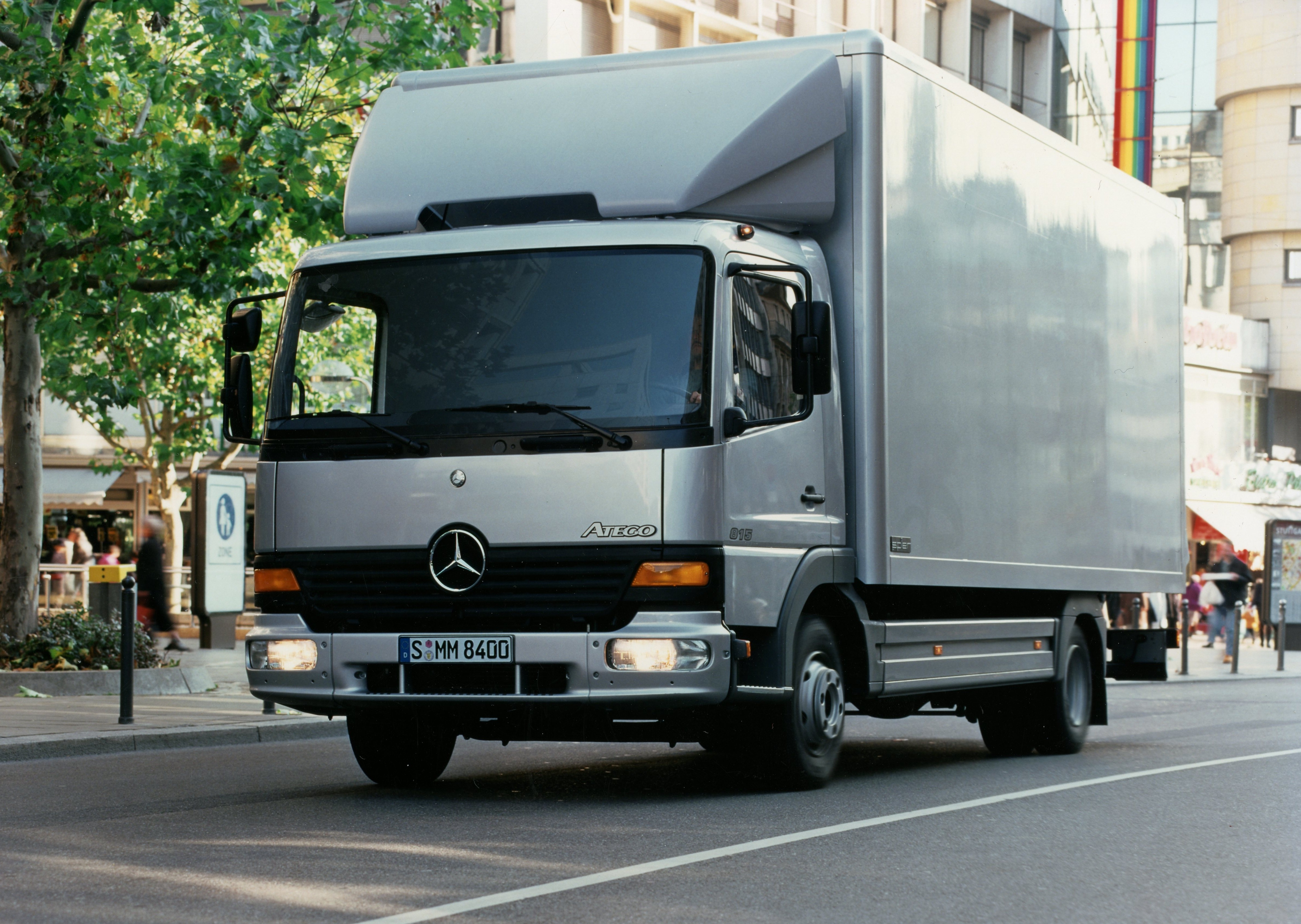
Following the Actros’s success in 1997, Mercedes-Benz scored another victory in 1999 with the light-middleweight Atego. When planning the renewal of its entire truck range, Mercedes-Benz engineers took the bold step of combining the former lightweight and middleweight ranges into a single programme spanning 6.5 to potentially 36 tonnes.
The rationalisation of components and attention to engineering detail required to achieve this successfully, combined with a highly rated driving environment, was enough to secure the Atego a relatively narrow five-point victory over the new Volvo FM. The 18-nation jury (now including Slovakia, Greece and Russia) awarded Mercedes-Benz 69 points, with the FM on 64 and the Iveco Cursor third on 33.
The Atego range essentially consisted of a single cab design, two engines and a new common chassis design for models up to 17 tonnes, with the Actros chassis used at 18 tonnes and above.
The lighter Ategos featured a two-piece chassis, with the rear section comprising a conventional ladder design, to which a separate front section was bolted behind the cab. The front section for models below 10.5 tonnes had a Z-section profile, angled downwards and outwards to allow the cab and engine to be mounted low for easy access.
All on-road Ategos featured disc brakes all round, but the lighter models relied on high-pressure pneumatic actuation rather than the electronic system used by the 18-tonne models and the Actros. Price sensitivity in the market was a factor in this decision. It also influenced the transmission range, which spanned manual five- or nine-speed ZF gearboxes and new Mercedes-Benz six- or 12-speed designs – with no automated options.
The Atego’s engine range consisted of the four-cylinder, 4.25-litre OM 904 – rated at 122hp (91kW), 152hp (113kW) or 170hp (127kW) – and the 6.37-litre inline-six OM 906, rated at 231hp (172kW) or 279hp (208kW). Both engines used three valves per cylinder and electronically controlled unit pumps, but only the six-cylinder engine was completely new (the four-cylinder unit had been used in the previous Light Class models since 1996).
The new 2.3m-wide cab received particular praise, offering 25% more space than its predecessor. It was available in four variants: a short day cab, extended day cab, sleeper cab and high-roof sleeper, which gave it the appearance of a premium vehicle.
Disappointing fleet sales of the high-tech Actros in some markets prompted Mercedes-Benz to launch the Atego-cabbed Axor tractor unit in September 2001. Following an announcement in September 2004, all heavier Ategos were incorporated into the Axor range, leaving the Atego as the 6.5- to 17-tonne specialist that remains highly regarded by operators today.


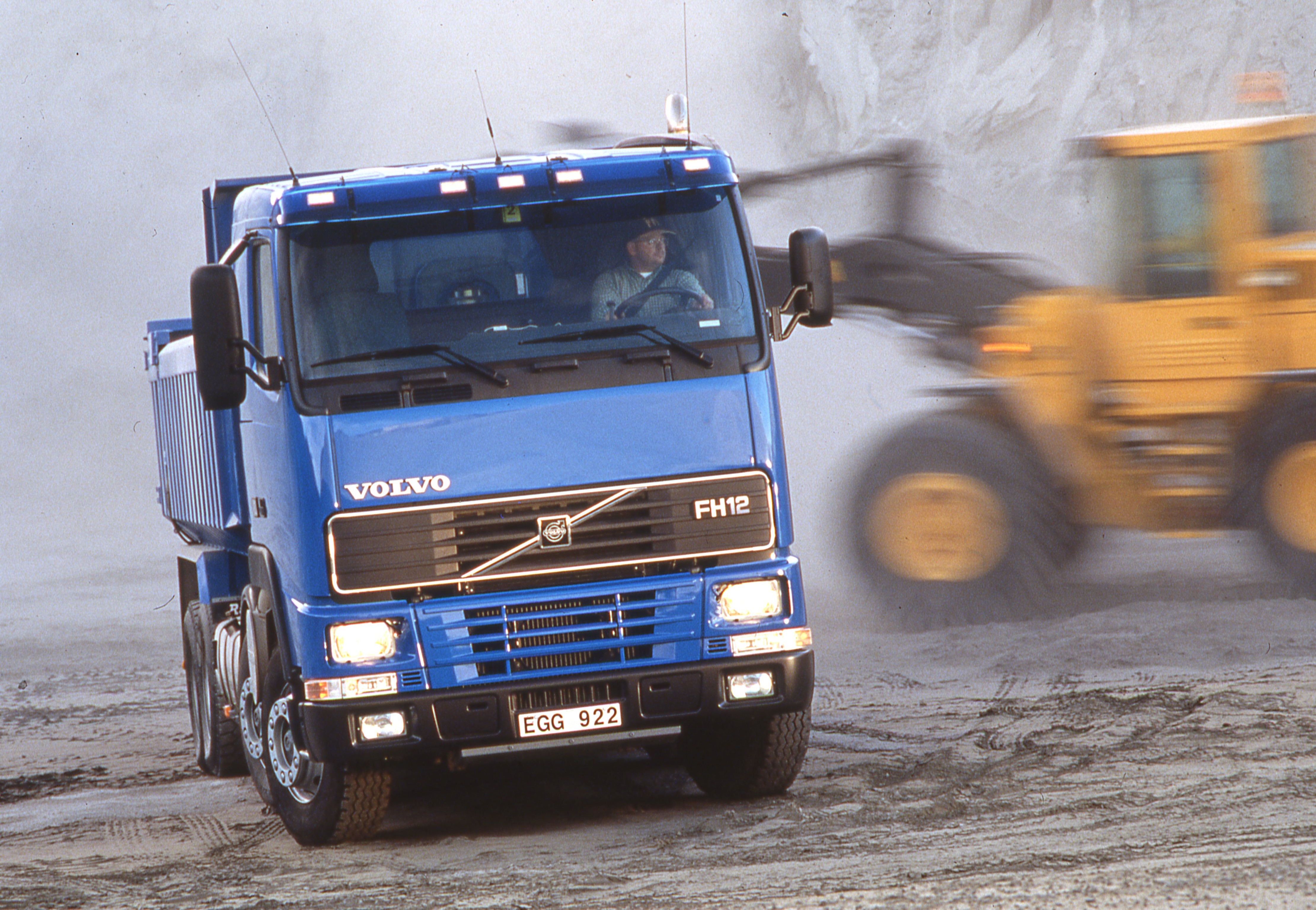
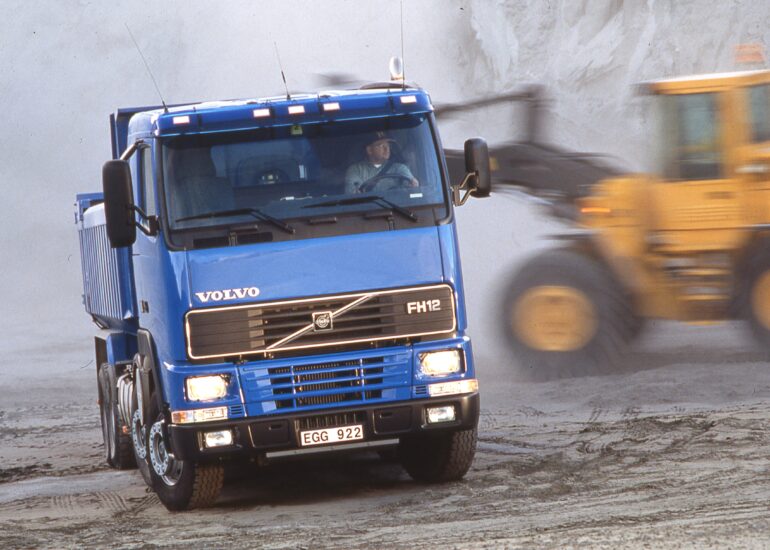
2000: VOLVO FH12
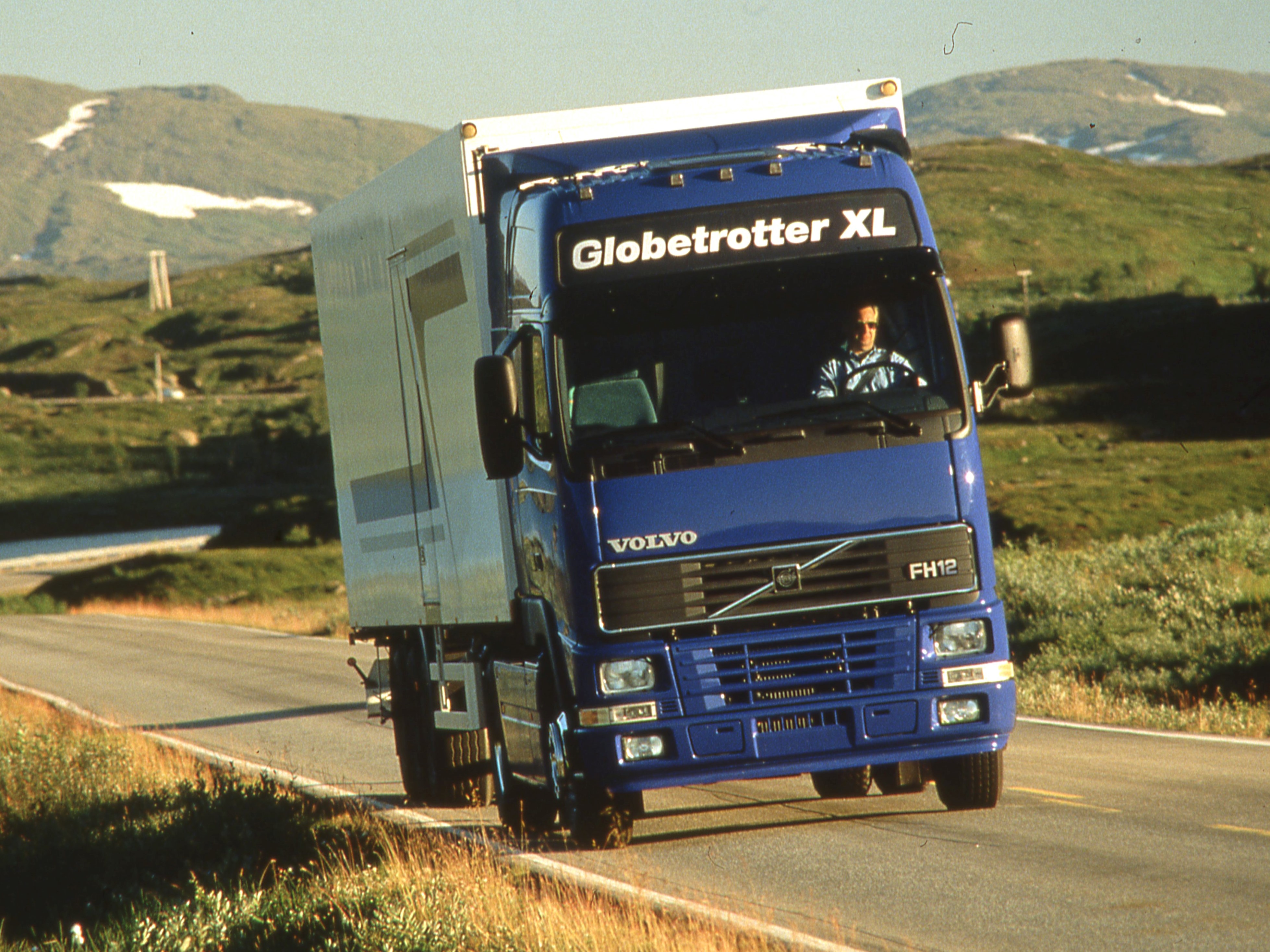
Following the FM’s disappointing second place in 1999, Volvo rebounded with the new FH12 securing an unprecedented fifth victory in 2000. That year’s IToY competition was an unusual affair. The 1999 third-placed entry, the Iveco Cursor 10, increased its score by 23 points to achieve a strong second place with 56, while the small Spanish Nissan Atleon finished third with 31. The FH12 totalled 62 points, but the casual observer could have been forgiven for not realising that the big Volvo was a new truck.
The late 1990s were heady days for Volvo. In 1998, the company sold its truck axle plant in Lindesberg to Meritor and announced an alliance with Deutz for six- and seven-litre engines. The car division was sold in 1999. An alliance with Mitsubishi to develop medium-duty trucks was announced, while a takeover of Scania, with majority voting rights, was agreed in principle.
Against this backdrop of corporate restructuring and the high-profile launch of the long-awaited FM, the FH12 was quietly being modified and re-engineered for the 21st century. Under Volvo’s Global Modular Concept, there was 78% parts commonality between the FM and the new FH, including a shared chassis platform. This resulted in nearly 10,000 fewer parts in Volvo’s inventory.
The FH12 chassis incorporated new CAN bus electronic architecture, branded TEA (Truck Electronic Architecture) by Volvo. Optional electronically controlled disc brakes featured solid, non-ventilated discs, which were said to offer greater resistance to distortion and cracking. The new braking system was introduced gradually, so that any operational difficulties could be rectified quickly.
A new four-bag rear air-suspension design also benefited from electronic control, with automatic ride-height and memory functions built in. Beneath the new suspension was the new RS 1344 axle – a single-reduction design offering a significant weight reduction over its predecessor.
Volvo’s highly regarded D12 engine was revised to create the D12C model, with increased injection pressure and compression ratio achieved through updated electronics, a revised combustion chamber and new pistons, rings and valves. The original camshaft was replaced, the new timing mechanism used fewer gears and the block was stiffened to reduce noise and improve fuel efficiency.
The D12C was available with a new 460-hp (343-kW) rating in the FH12 and was capable of producing 2,200Nm of torque. The 340-hp (254-kW) option was dropped from the FH line-up to become exclusively an FM engine. Behind the new engines were new 14-speed range-change gearboxes – the VT 2014 and VT 2514 – with “light-action” manual shifting mechanisms that Volvo claimed reduced shift loads by 50%. Clutch-pedal effort was also reduced by 30% through new servo assistance.
Despite the extensive reworking of all the major components, the exterior of the FH12 cab remained resolutely unchanged. The improvements were not even acknowledged in the badging – operators had to wait until 2001 for a facelifted cab.


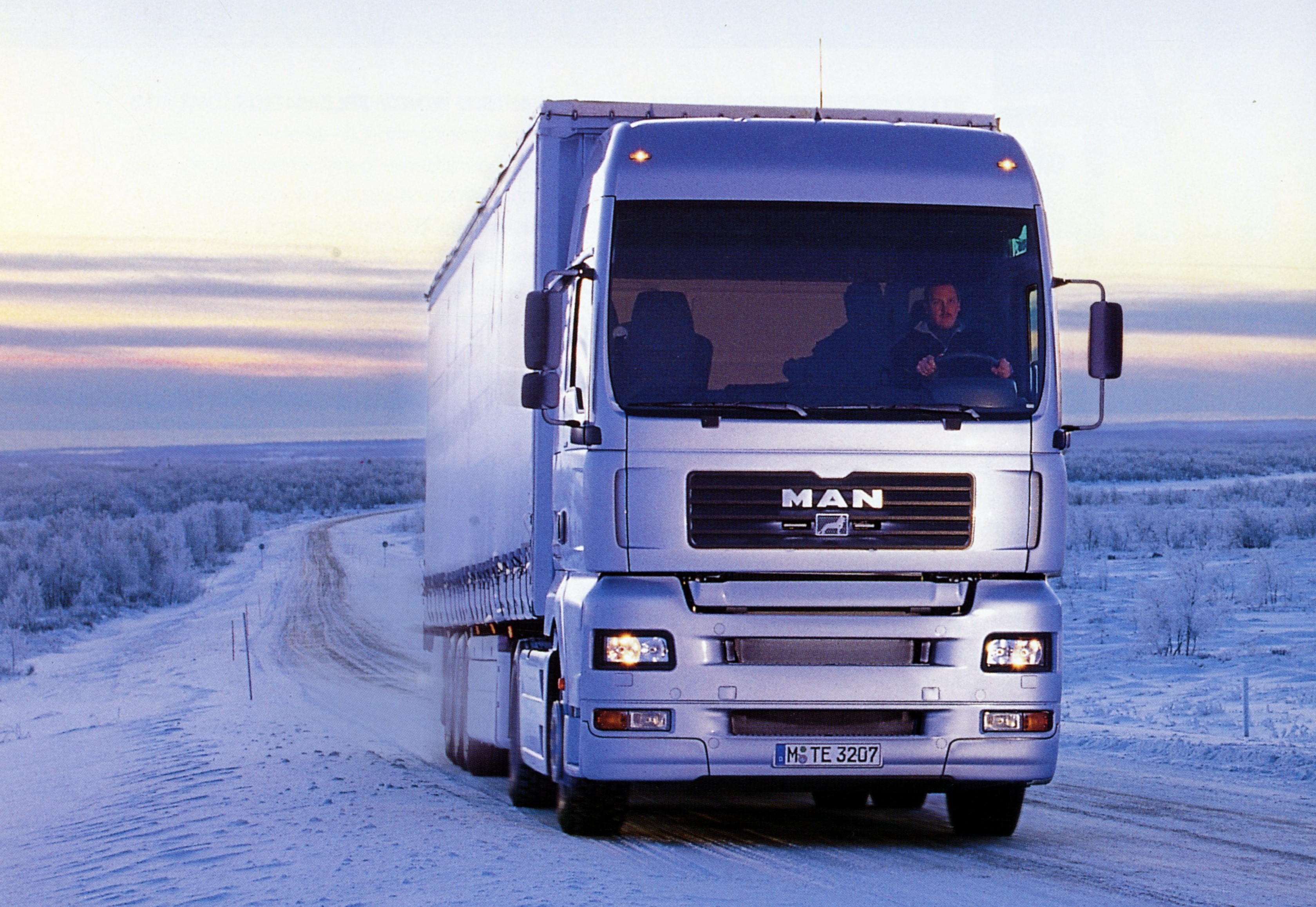
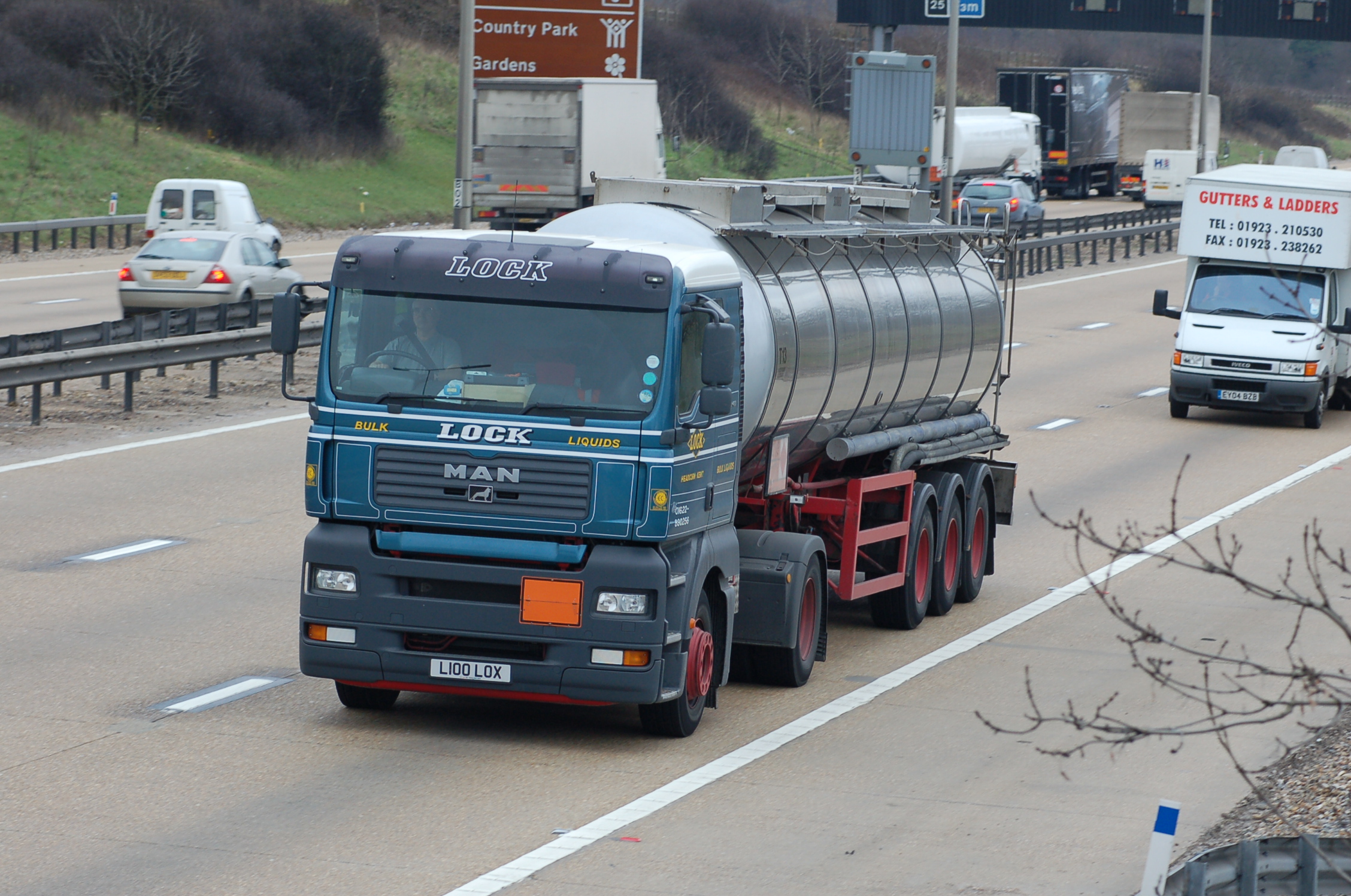
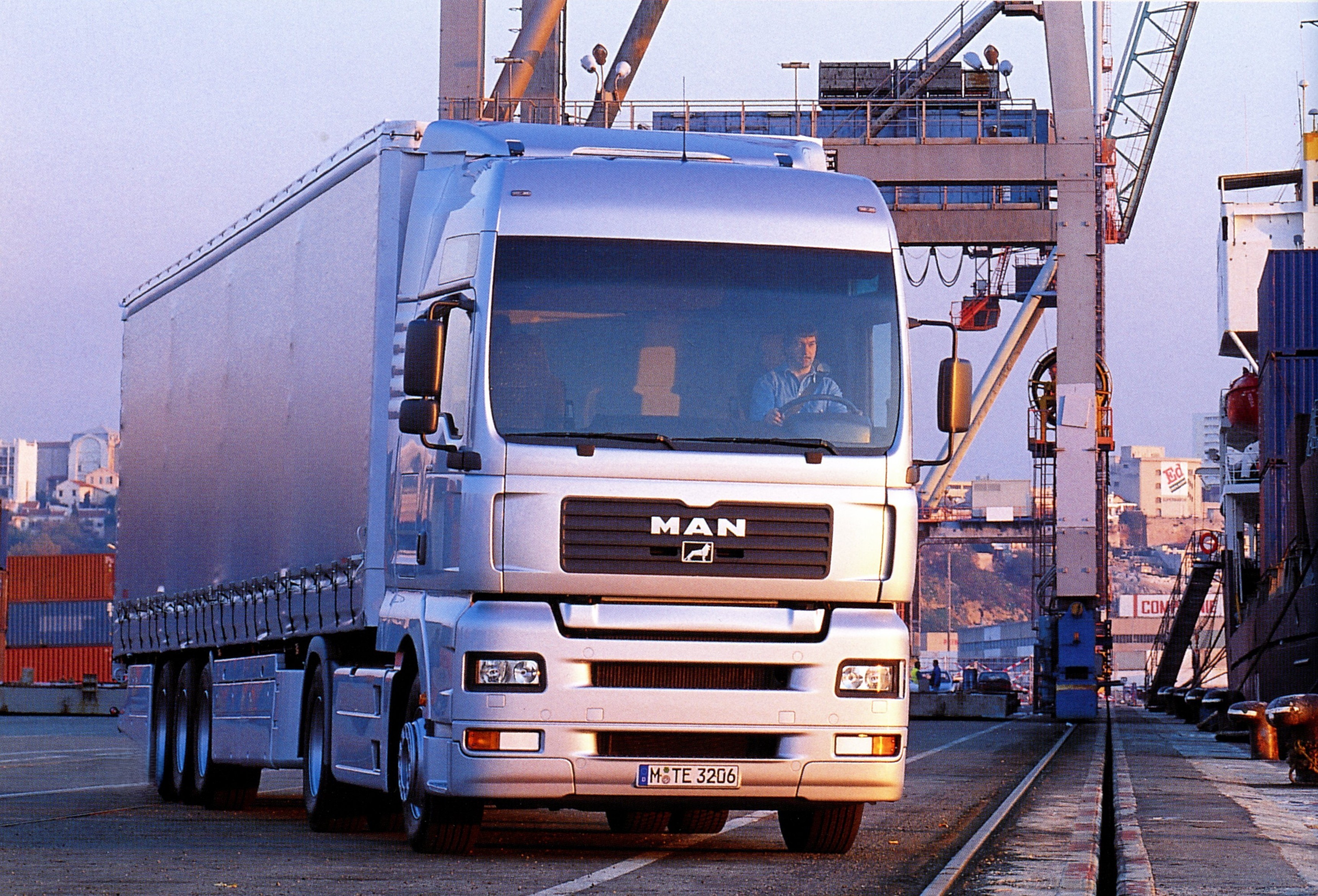
2001: MAN TG-A
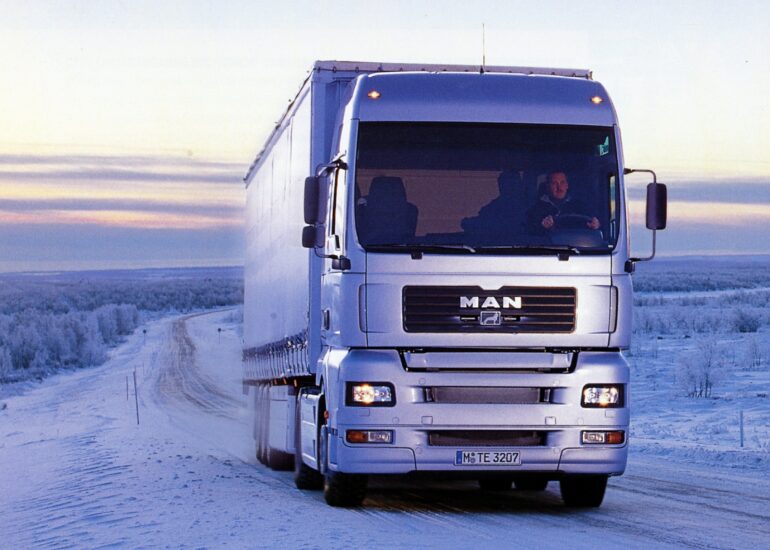
When the MAN TG-A was announced in March 2000, its impressive new cab design, electronic architecture and driveline innovations made it a serious contender for the 2001 IToY award. When the time came for judging, the MAN scored a runaway victory with 114 points, with the Renault Midlum finishing a distant second with 44 points and the Volvo FL coming in third with 29. This gave MAN a fifth victory, matching Volvo’s achievement.
The TG-A took its name from a combination of the words truck and technology – “Trucknology” Generation A. The intention stated at the launch was to develop the concept through successive generations: B, C and so on. This idea was quickly abandoned, along with the hyphen, and the name became simply TGA in 2001.
MAN’s designers readily acknowledged that the 1999 product range, based on the ageing F2000, had left the company in a relatively weak position in some areas, such as the upper end of the tractor-unit market. The ambition for the TG-A was to improve MAN’s sales performance across Europe. At the time, MAN held 30% of the German market for trucks above six tonnes, but only 6% in France and 8% in the UK.
In keeping with technological developments, the TG-A was developed with a full CAN system, facilitating communication between all the electronically controlled components. The system was developed in-house alongside the series-production vehicle, rather than in isolation. This approach, it was claimed – combined with thorough testing – would ensure that the mistakes made by “certain manufacturers” would not afflict the TG-A.
The TG-A featured a new chassis design, which offered front air suspension as an option, with electronically controlled disc brakes fitted to all wheels as standard. The new Brakematic system used a rocker switch to combine the engine brake and retarder with the cruise control. The rear axle was another new development, being lighter and more compact than its predecessor.
The initial engine range was carried over from the F2000 Evolution models. It consisted of the 12-litre D2866 – rated at 310hp (231kW), 360hp (268kW) or 410hp (306kW) – and the 12.8-litre D2876, rated at 460hp (343kW). A 510-hp (380-kW) variant was added in 2000. Euro 2 and Euro 3 models were initially offered, with the latter featuring four-valve technology and becoming the first heavy-truck diesel engines in production to use exhaust gas recirculation.
New transmission choices were derived from adapted ZF hardware. The standard ComfortShift system was based on the 16-speed Ecosplit, with hydraulic shifting and an automated clutch function for high range operated by a button mounted on the gear lever. Alternatively, TipMatic used the 12-speed AS-Tronic gearbox matched to MAN software that offered fully automated shifting or a semi-automatic mode controlled by a column-mounted stalk.
The primary focus of the TG-A was its all-new cab, available in five different forms. The 2.44m-wide version was known as the XL in standard-sleeper form or XXL as a high-roof sleeper with an exceptionally deep windscreen. The 2.24m-wide models were designated M in day-cab form, L in sleeper form and LX as a high-roof sleeper.
The vehicles’ finish and build quality, along with the standard of the new cab, made a significant impression on the contemporary press. Commentators were convinced that the TG-A would cement MAN’s place among Europe’s elite.
- The original version of this article was published in Commercial Motor magazine and contains a number of references to the British market. We have not removed these references because we believe that our South African readers will find them interesting. We will continue this series in the next issue.
Published by

Focus on Transport

focusmagsa