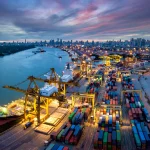
As global tensions disrupt oil flows, fuel prices across Africa are rising sharply, exposing the continent’s dependence on imported energy and the fragility of its supply chains.
Fuel prices across Africa are climbing at an alarming pace, driven by supply disruptions linked to the ongoing conflict involving Iran. The surge is once again highlighting the continent’s vulnerability to global energy shocks beyond its control.
Impact Newswire reports that, in several countries, the increases have been swift and significant. Ghana has recorded petrol price hikes of around 15%, while diesel has risen by nearly 19%. In Malawi, the situation is even more severe, with increases exceeding 30%. Tanzania and a number of West African nations have followed a similar trajectory, adjusting prices in response to tightening supply and rising import costs.
At the centre of the disruption lies the Strait of Hormuz, one of the world’s most critical oil transit routes. Any instability in this corridor has far-reaching consequences, and analysts suggest that the current situation represents one of the most significant supply shocks in recent energy market history.
For African economies, the impact is immediate. Most countries rely heavily on imported refined fuel, leaving them exposed to price volatility and supply constraints. As global prices rise, local markets respond quickly, pushing up the cost of transport, food and basic goods.
Governments across the continent are now under pressure to act. South Africa has introduced temporary relief measures by reducing fuel levies, while other nations are exploring subsidies, wage adjustments or alternative sourcing strategies. However, these interventions come at a cost, placing additional strain on already-stretched public finances.
The crisis is also drawing attention to deeper structural issues within Africa’s energy landscape. Limited refining capacity means that even oil-producing nations remain dependent on imported fuel. Nigeria, despite its vast crude reserves, continues to face similar vulnerabilities due to insufficient local refining infrastructure.
This contradiction has reignited calls for greater energy independence. Speaking on Al Jazeera, African Energy Chamber chairperson NJ Ayuk argued that the continent’s repeated exposure to external shocks is rooted in long-standing structural weaknesses. He warned that without investment in domestic production and refining, African economies will remain “at the mercy of global events” beyond their influence.
His comments reflect a growing shift in policy thinking. While much of the global conversation has focused on renewable energy, the current crisis underscores the importance of securing stable and reliable fuel supplies in the short term. For many African countries, fossil fuels remain essential to economic functioning.
The economic consequences are already being felt. Rising fuel prices are feeding into broader inflation, increasing the cost of transport and driving up food prices. Businesses are facing higher operating costs, while consumers are grappling with a rising cost of living.
If the disruption continues, analysts warn that economic growth across the continent could slow, with some countries facing deeper fiscal and social pressures. The knock-on effects could be particularly severe for economies already dealing with debt challenges and limited fiscal space.
For now, however, the immediate reality is clear. Africa’s fuel price surge is not just a temporary spike, but a reminder of how deeply global events can shape local economies – and how urgently structural change is needed.