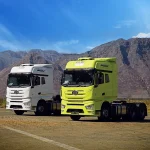
South Africa’s public transport sector is facing growing financial pressure as rising fuel prices continue to strain bus operators, commuters and the broader economy. NELLY MKHABELA says this is raising concerns about the long-term sustainability of essential transport services.
South Africa’s public transport sector continues to face mounting pressure as rising fuel prices place increasing strain on bus operators across the country. While fuel price fluctuations are nothing new, the continued upward trend is becoming more difficult for operators to absorb, particularly at a time when the industry is already managing broader economic and operational challenges.
For many bus operators, fuel is one of the largest operational expenses. Every increase in the price of diesel directly affects the cost of providing safe, reliable and accessible transport services to millions of South Africans who rely on buses to travel to work, school, healthcare facilities and other essential services daily. The impact extends far beyond the transport sector itself – it affects households, businesses, communities and, ultimately, the economy.
Public transport remains a critical socio-economic enabler in South Africa. It connects people to opportunities and plays an essential role in supporting productivity and economic participation. However, the sustainability of these services cannot be taken for granted, particularly as operators continue to navigate rising fuel costs alongside increasing maintenance expenses, insurance premiums, spare parts inflation and regulatory compliance requirements.
Operators continue to carry the burden
Both subsidised and non-subsidised operators are feeling the pressure. Non-subsidised operators often carry the full burden of rising operational costs without financial cushioning mechanisms, while many subsidised operators are also managing contracts that may not always adequately respond to rapidly changing economic conditions.
The reality is that operators are expected to continue delivering quality services while balancing affordability for commuters and maintaining operational viability. At the same time, they must continue investing in safety, compliance, maintenance and service reliability despite shrinking operational margins.
Many operators are being forced to find ways to absorb costs internally to avoid placing additional pressure on commuters – who are themselves facing difficult economic conditions. This balancing act has become increasingly challenging as inflationary pressures continue to affect multiple areas of business operations.
Rising Fuel Prices: The human impact
The challenge is even more significant considering the financial pressures already faced by many South Africans. For millions of commuters, public transport is not a luxury but a daily necessity enabling access to employment, education, healthcare and economic opportunity.
Any increase in operational costs within the transport sector ultimately has a ripple effect on communities. Workers, students and families already managing the rising cost of living are among those most affected when transport affordability comes under pressure.
In many communities, particularly rural and underserved areas, buses remain one of the most reliable and accessible forms of transport. Ensuring the sustainability of these services is therefore not only an industry concern, but also a social and economic priority.
A resilient industry committed to service
Despite the mounting pressures, South Africa’s bus industry continues to demonstrate resilience and commitment. Operators across the country continue to provide essential services daily, often under difficult economic conditions, because they understand the critical role public transport plays in society.
Behind every route is a commitment to keeping communities connected and supporting economic activity. Public transport workers and operators continue to serve with dedication, ensuring that millions of passengers can travel safely and reliably each day. The resilience of the industry reflects not only operational commitment but also the sector’s understanding of its broader responsibility to society and the economy.
The need for sustainable support mechanisms
As fuel-related pressures continue to intensify, there is an increasing need for collaborative and sustainable solutions that can strengthen the long-term resilience of the sector. The conversation can no longer focus only on short-term survival; it must also focus on sustainability, innovation and strategic support mechanisms that recognise public transport as essential national infrastructure.
The recent fuel levy relief measures introduced by the government have provided some temporary cushioning against rising fuel costs. While such interventions are welcomed, there may also be value in exploring additional targeted support mechanisms aimed at supporting public transport operators during periods of severe fuel volatility.
This could include discussions around diesel-focused relief measures for qualifying operators servicing essential commuter routes, particularly where communities depend heavily on public transport access. The industry may also benefit from broader Public Transport Sustainability Support initiatives aimed at strengthening long-term operational resilience.
Such support mechanisms could assist with fleet modernisation, infrastructure investment, operational efficiency improvements and the gradual transition towards cleaner and more sustainable mobility solutions.
Innovation and collaboration will shape the future
Globally, many countries are increasingly investing in greener public transport systems as part of broader economic and environmental strategies. South Africa’s transport sector also has an opportunity to continue embracing innovation through cleaner energy solutions, electric mobility and smart transport technologies. While the transition may take time, investment in modern and efficient transport systems will be critical in ensuring long-term sustainability and competitiveness within the sector.
Equally important is continued collaboration between government, operators, industry stakeholders and the private sector. Addressing the challenges facing public transport requires partnership, practical engagement and a shared understanding of the role the sector plays in supporting economic growth and social development. Sustainable public transport is not only an industry concern – it is a national economic priority.
Protecting the future of public transport
Public transport cannot simply be viewed as a commercial operation. It is an essential service that enables mobility, inclusion and economic participation for millions of South Africans. Protecting and strengthening its sustainability is therefore an investment in the country’s broader social and economic future.
As fuel-related pressures continue to intensify, the need for bold, collaborative and future-focused interventions becomes increasingly important. The goal must remain clear: to ensure that safe, reliable, affordable and sustainable public transport continues to serve communities and support South Africa’s economic development for generations to come.