Fuel adulteration: a national crisis

Fuel adulteration: a national crisis

Fuel adulteration is emerging as a serious threat to South Africa’s economy, transport sector and industrial reliability. RIVENDREN WAYNE MOODLEY examines how paraffin blending is damaging engines, increasing costs and undermining fuel integrity.

Diesel is one of the workhorses of the South African economy, powering the trucks, mines, farms, factories, trains, generators and supply chains that keep the country moving. When that fuel is compromised, the damage does not remain inside the tank: it follows the fuel into injectors, pumps, combustion chambers, balance sheets, delivery schedules and ultimately the price of everyday goods.

Fuel adulteration, particularly the blending of illuminating paraffin into diesel, is therefore far more than a fuel-quality issue. It is a technical crime with significant economic reach. What makes fuel adulteration especially difficult to combat is that paraffin is similar enough to diesel to hide in plain sight, yet different enough to damage the engines and systems that depend on diesel’s precise performance properties.

WearCheck is all too regularly witnessing firsthand the damaging effects of adulterated diesel. Our fuel-testing team cites a particular customer case where a rail operator reported malfunctioning locomotive engines, with extensive damage caused by 600,000 litres of diesel adulterated with paraffin. In another recent customer case, a food-processing plant reported that repairs to a generator engine cost around R2.5 million after the use of adulterated diesel.

This article examines how that deception works, why it has become so profitable, why detection has proved so challenging and why the recognition of adulteration as a contaminant in SANS 342:2025 marks an important step in protecting both machinery and the wider economy.

The economics of adulteration

The motivation behind fuel adulteration is simple: profit. Paraffin is cheaper than diesel because it does not carry the same tax burden. The price difference may appear modest at first, but when multiplied across tanker volumes, the margins become substantial.

The Department of Mineral Resources and Energy has published the latest fuel pricing for May 2026, with illuminating paraffin priced at approximately R27 to R28/litre, while diesel costs approximately R31 to R33/litre. At first glance, the difference of about R5/litre may not appear dramatic. Yet, when one is talking about a 20,000-litre tanker, the economics shift entirely.

If 25% of that load (5,000 litres) is removed and replaced with paraffin, and then an additional 250 litres of paraffin is added to the removed portion, the result is a 25% mixture yielding 25,250 litres of adulterated fuel, of which 5,250 litres is sold separately for profit. When the 5,250 litres of adulterated product is sold at the diesel price of R33/litre, it generates R173,250 in revenue, with a direct profit of approximately R26,250.

Repeated several times a day, this becomes alarming. A single tanker completing three to four loads per day could generate between R78,750 and R105,000 in illicit profit. Across multiple shifts, this could rise to between R236,250 and R315,000 per tanker per day. Multiplied across various fleets and syndicates operating nationally, this represents industrialised fraud of immense magnitude, resulting in an estimated R3.6 billion in lost tax revenue.

The profits are immediate, but the costs are delayed and widely dispersed. Government loses revenue. Operators inherit maintenance problems, consumers pay higher prices, engines fail prematurely, emissions rise and legitimate suppliers are undercut by criminal networks.

The hidden tax of fuel fraud

The damage caused by adulterated diesel often appears gradually. Operators may first notice higher fuel consumption, poor performance, smoke, injector issues, pump wear or unexplained downtime. In the short term, the user pays for more fuel; in the medium term, maintenance costs increase; in the long term, equipment reliability declines and asset life is shortened.

For transport operators, the consequences are severe. Fuel is one of the largest operating costs in the logistics industry, and even a small increase in consumption across a fleet can be significant. Add premature injector replacement, pump failures, towing, downtime and missed delivery schedules, and the cost quickly exceeds any perceived savings from cheaper fuel.

The same applies to mining, agriculture, construction, manufacturing and standby power generation. Diesel-powered assets are often deemed critical to operations. A mining vehicle out of service, a tractor down during a peak agricultural window or a generator failing during a power interruption is not simply a maintenance inconvenience; it is an operational risk.

There is also a wider economic effect. Maintenance costs are built into almost every product and service. When fuel-related costs rise, those costs are passed on through the supply chain. Food, clothing, building materials, consumer goods and industrial products all become more expensive. Fuel adulteration therefore becomes a hidden burden on consumers. However, this cost is not imposed by government; it is driven by criminal activity.

The environmental impact is equally concerning. Poor-quality or adulterated diesel can cause incomplete combustion, increased particulate matter, higher levels of unburnt hydrocarbons and greater smoke emissions. Modern engines and emission-control systems are designed around specific fuel-quality assumptions. When those assumptions are violated, emissions performance and diesel after-treatment durability can be compromised. Adulteration therefore undermines the purpose of cleaner-fuel standards. It is not only a tax crime; it is also an environmental, public health and safety concern.
The chemistry behind the damage

The difficulty in detecting adulteration lies in the fact that diesel and paraffin are chemically similar enough to make the fraud possible, but different enough to make the consequences serious. Both fuels are petroleum-derived hydrocarbons produced during crude-oil refining. Diesel typically consists of hydrocarbons in the C10 to C20 range, with a boiling range of approximately 180 to 360°C. It is formulated for compression-ignition engines and must provide predictable ignition, high energy density, correct flow characteristics and lubricity to protect fuel pumps and injectors.

Illuminating paraffin, often referred to as kerosene, usually falls within the C9 to C16 range, with a boiling range of approximately 150 to 300°C. It is lighter, less viscous and far less lubricating than diesel. Its intended uses are lamps, heaters, stoves and other domestic applications where clean burning and volatility matter more than mechanical protection. This overlap in hydrocarbon ranges allows paraffin to hide in diesel without obvious visual differences. However, it does not behave like diesel in an engine.

Modern diesel fuel is not something that merely burns – it is also part of the fuel system’s protection mechanism. High-pressure pumps and injectors rely on diesel to provide a lubricating film between precision components. When paraffin is blended into diesel, lubricity is reduced, increasing wear in components with extremely tight tolerances.

Injectors may suffer poor spray patterns, wear, sticking or deposit-related problems. Fuel pumps may experience accelerated damage. Combustion may become less efficient and fuel consumption may rise. Because diesel contains more energy per litre than paraffin, adulterated fuel can require greater volume to produce the same work.

Paraffin may also affect ignition quality, leading to rougher running, incomplete combustion, increased smoke and higher emissions. Its lower flash point can further alter the volatility profile of the fuel. It also affects the storage and handling characteristics of fuels, making them more dangerous.

In short, paraffin may look similar enough to diesel to remain hidden, but it is not functionally equivalent. Its presence compromises performance, protection, reliability and emissions.

The detection dilemma

Because the physical properties of diesel and paraffin are so similar, a blend may not look, smell or behave suspiciously. Simple field observations are not enough. Density, viscosity, flash point, distillation behaviour, sulphur content and lubricity can all provide useful clues, but no single parameter tells the full story in every case. Worse still, sophisticated adulterators have learnt how to manipulate results, allowing adulterated fuel to appear compliant with certain specification tests.

This exposes a critical weakness in traditional compliance testing: a fuel may be adjusted to pass selected limits while still being fundamentally compromised. It may appear acceptable on paper while continuing to pose a risk in service. For this reason, fuel integrity requires more than routine specification testing. It requires methods capable of identifying the adulterant itself or detecting patterns that cannot easily be masked.

The adulteration arms race

South Africa has taken steps to combat the problem. One of the most important early interventions was the introduction of chemical markers into paraffin. The South African Revenue Service (SARS), in conjunction with the government, introduced the A1 marker, which was mandated for paraffin sold in South Africa. If the marker was found in diesel, it indicated that paraffin had been added.

For a time, this provided a useful defence. However, syndicates adapted and found ways to chemically remove the marker. This prompted SARS to incorporate the more advanced Authentix A1 multilayered marker, which is still in use. This multilayer marker is resistant to removal.

Technically, this was an improvement because multiple markers were included in one system, allowing for both traditional easy-to-detect testing and a second marker that could not easily be chemically removed. It did, however, create a practical problem: cost. Detecting advanced markers requires specialised laboratory analysis at accredited facilities, so the cost can be prohibitive for routine use.

Syndicates then exploited another gap by importing unmarked paraffin. If paraffin was never marked, marker-based detection became ineffective. Regulators and industry were again forced to rely on broader SANS 342 compliance testing.

The cat-and-mouse game continued. Where high levels of paraffin would normally cause failures in parameters such as viscosity, flash point, density or lubricity, syndicates used additives to mask the effect. These additives adjusted the properties of the blended fuel, helping it pass tests that should have revealed adulteration. Layer by layer, defences were challenged. The A1 marker could be removed. Advanced marker testing was too expensive for routine use. Unmarked imports bypassed the system. Additives masked specification failures… This is why fuel adulteration is so difficult to combat: it evolves, responds to regulation and exploits cost barriers and technical gaps.

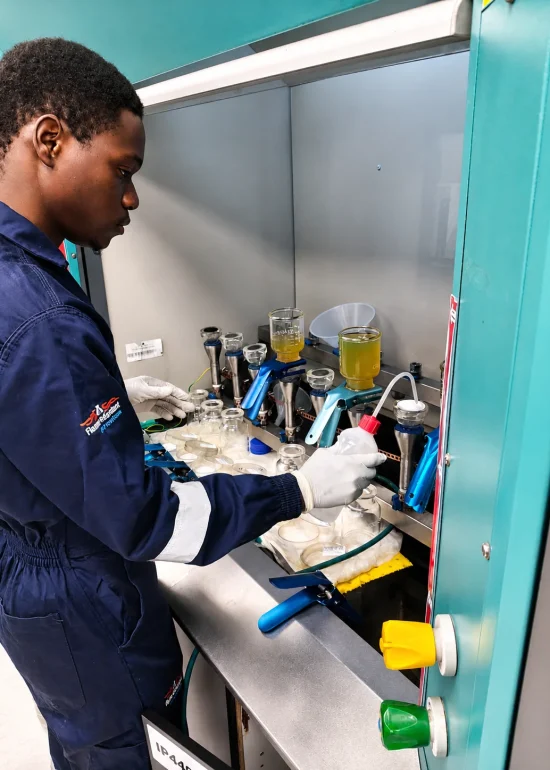
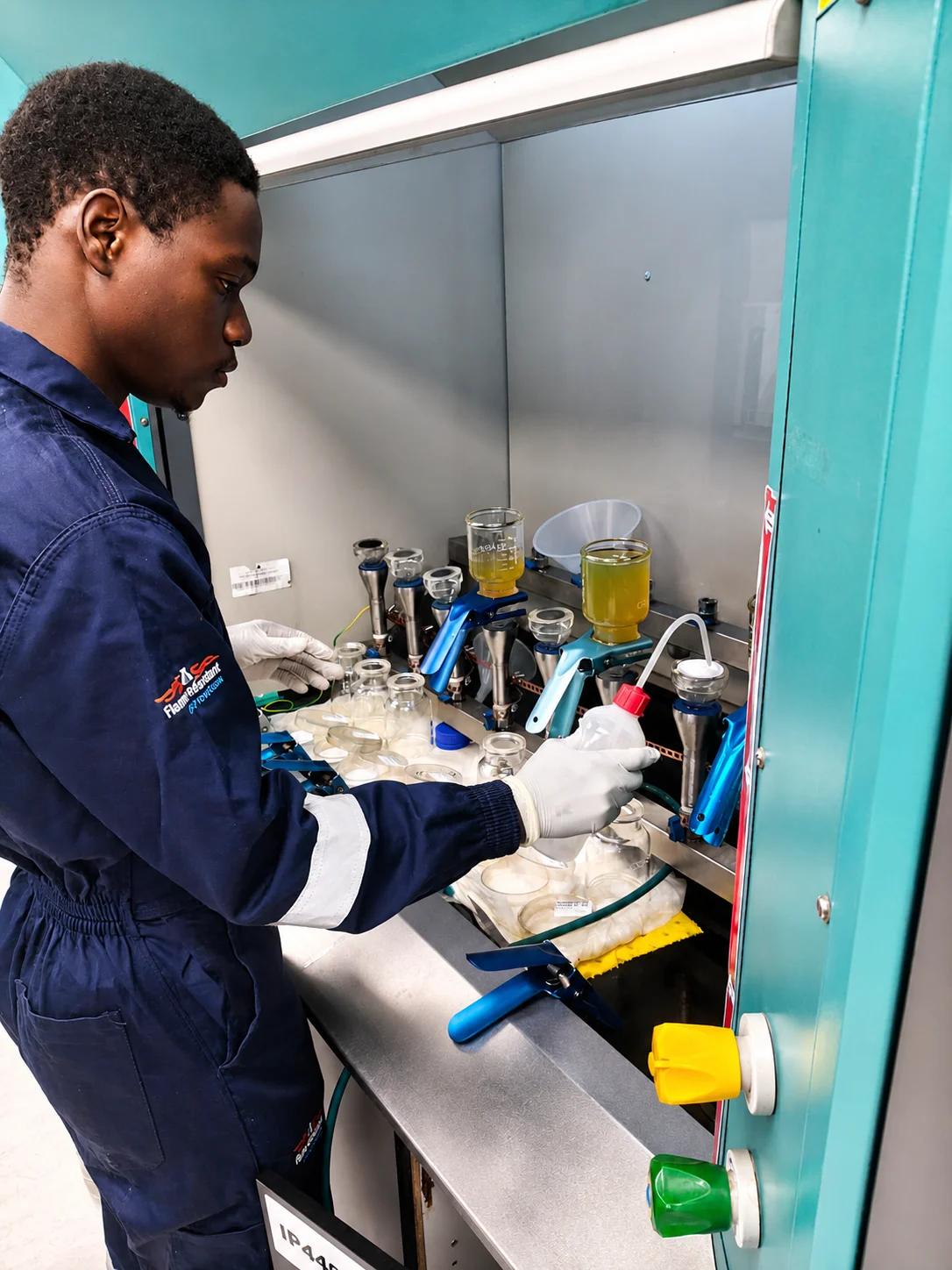
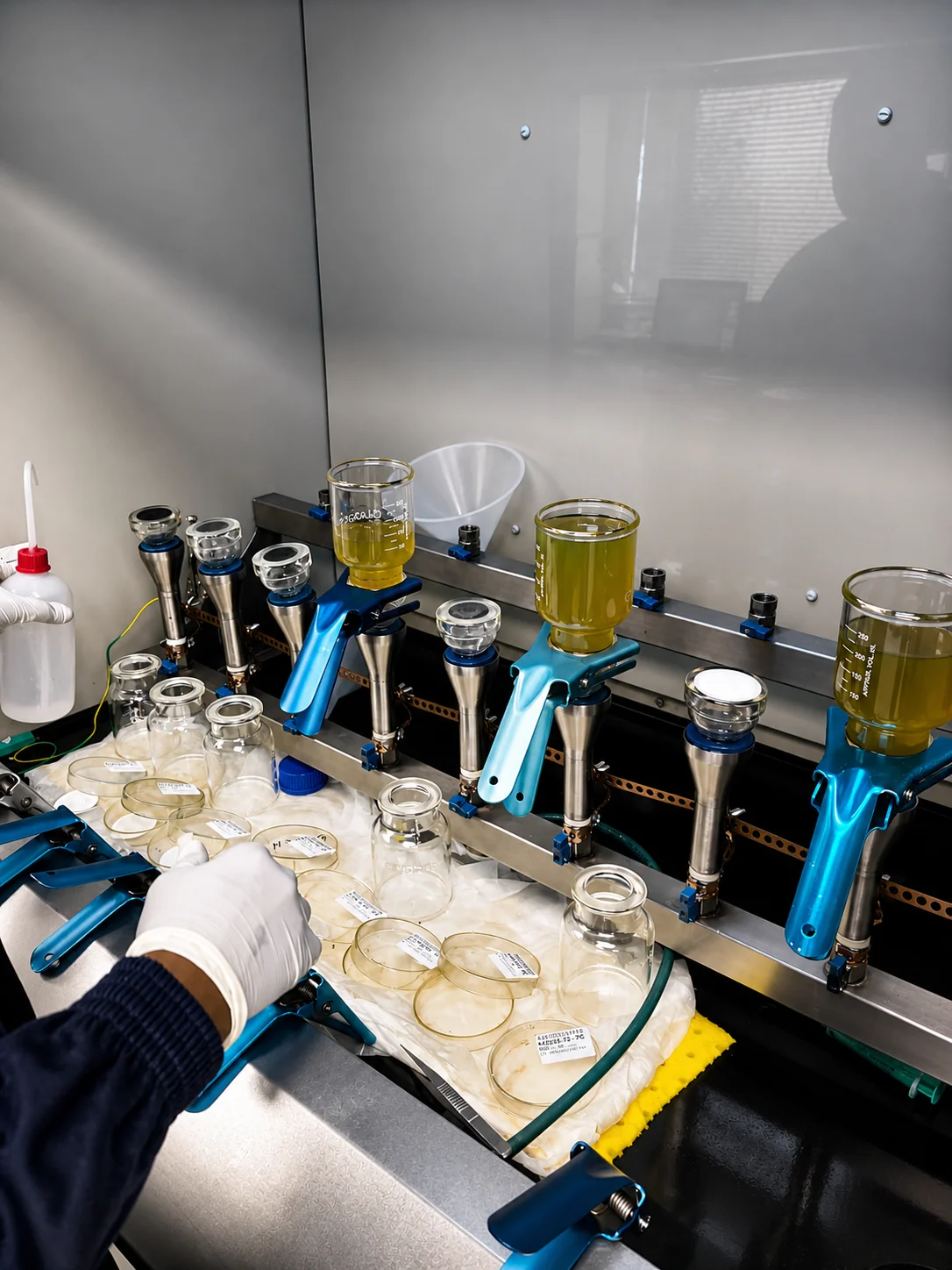
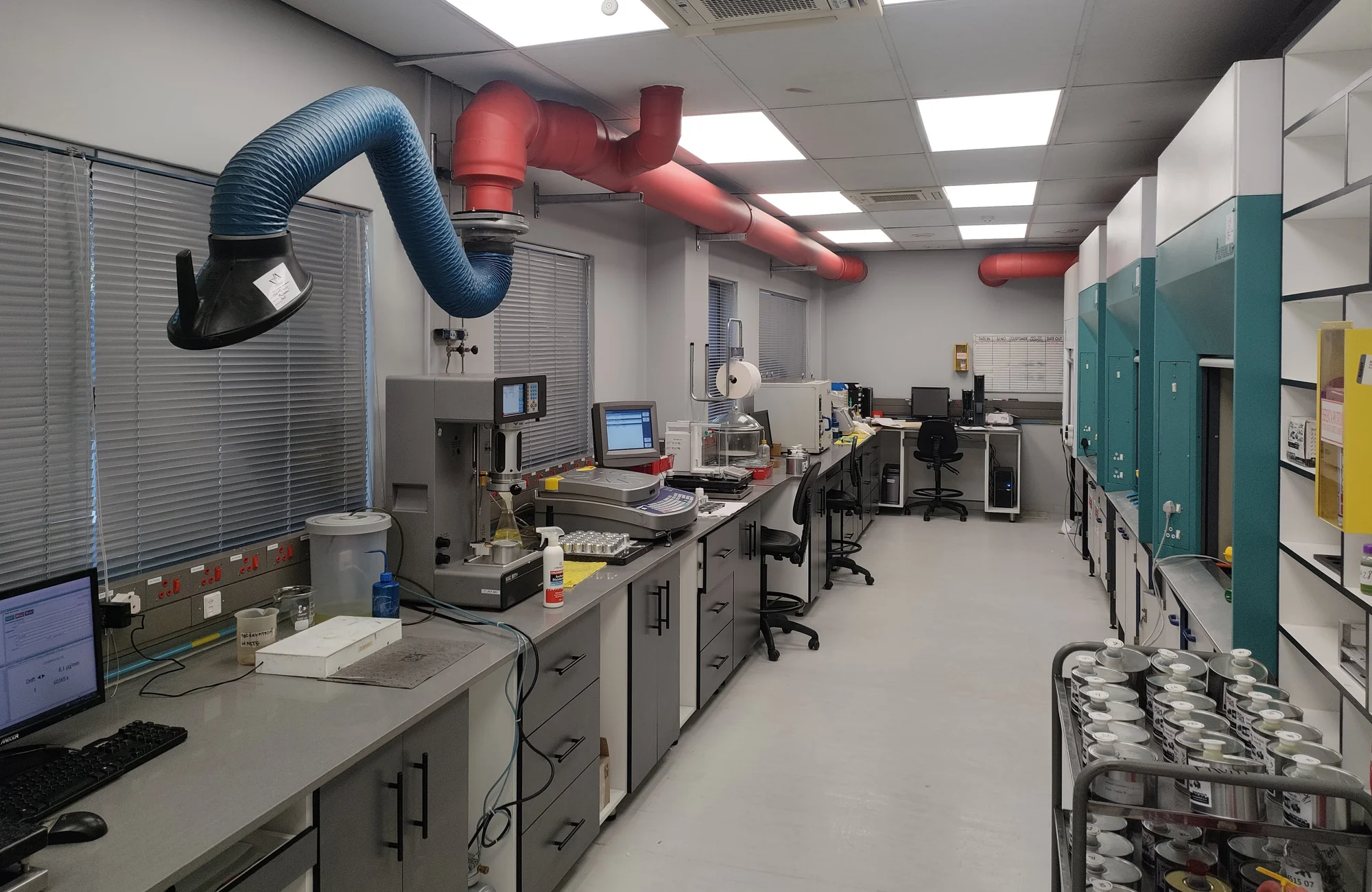
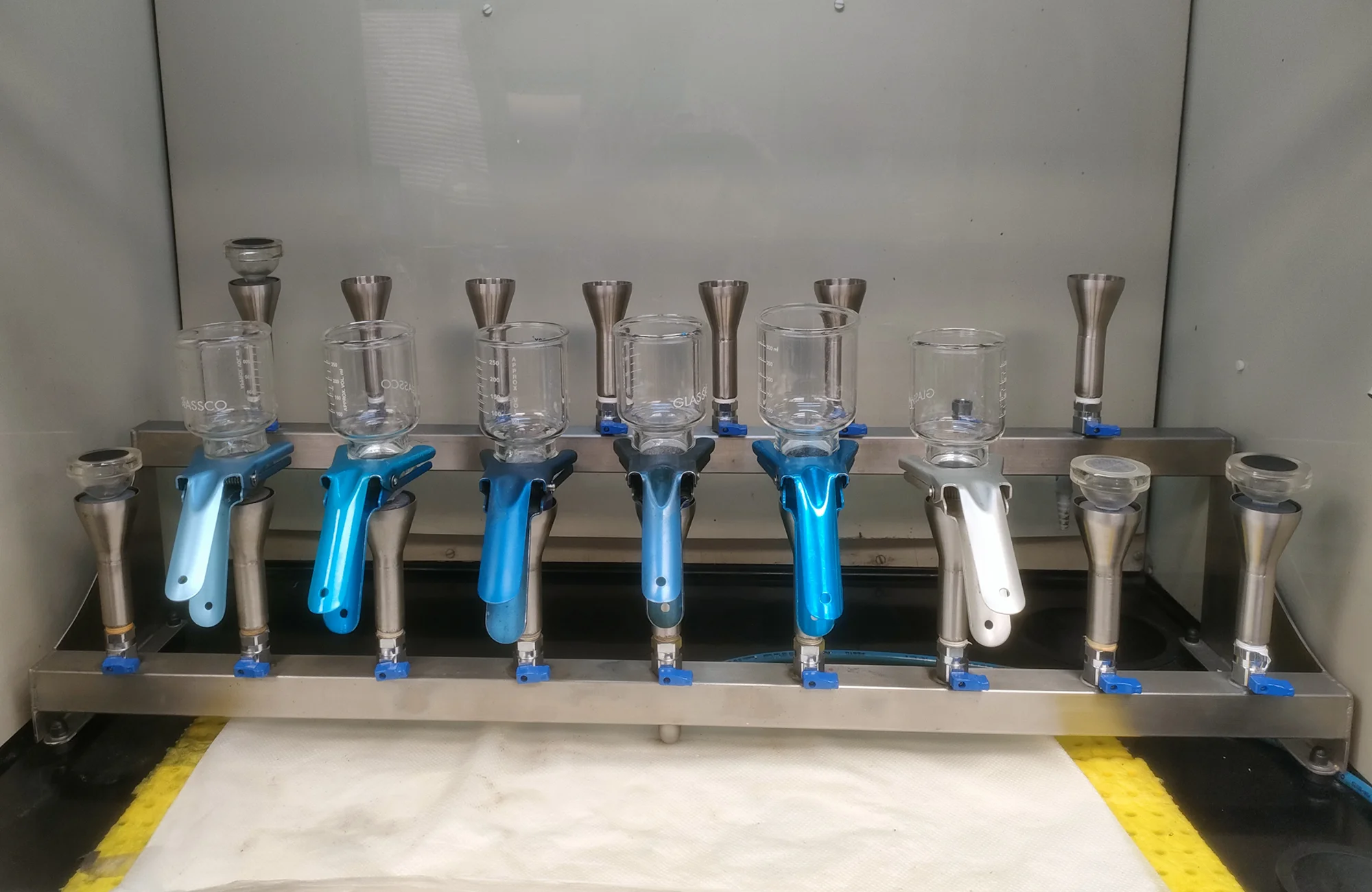
WearCheck laboratory technician, Ntiyiso Masia, conducts the IP-440 test to determine the quantity of solid particles in a submitted fuel sample.

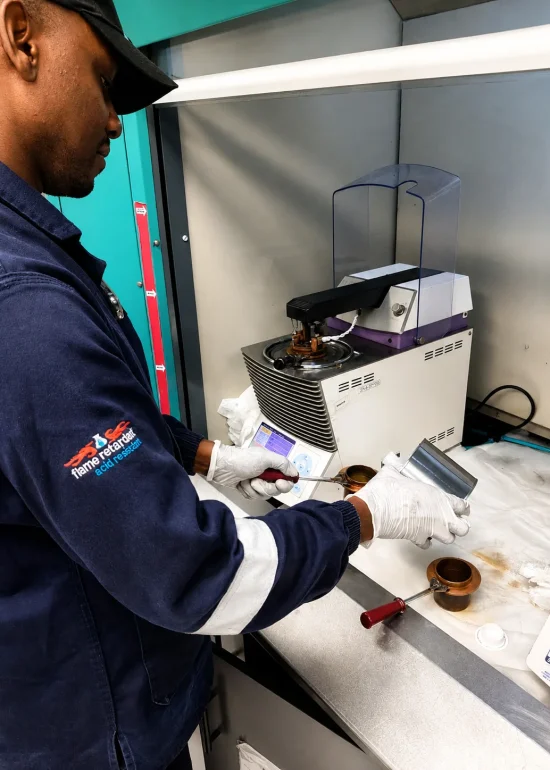
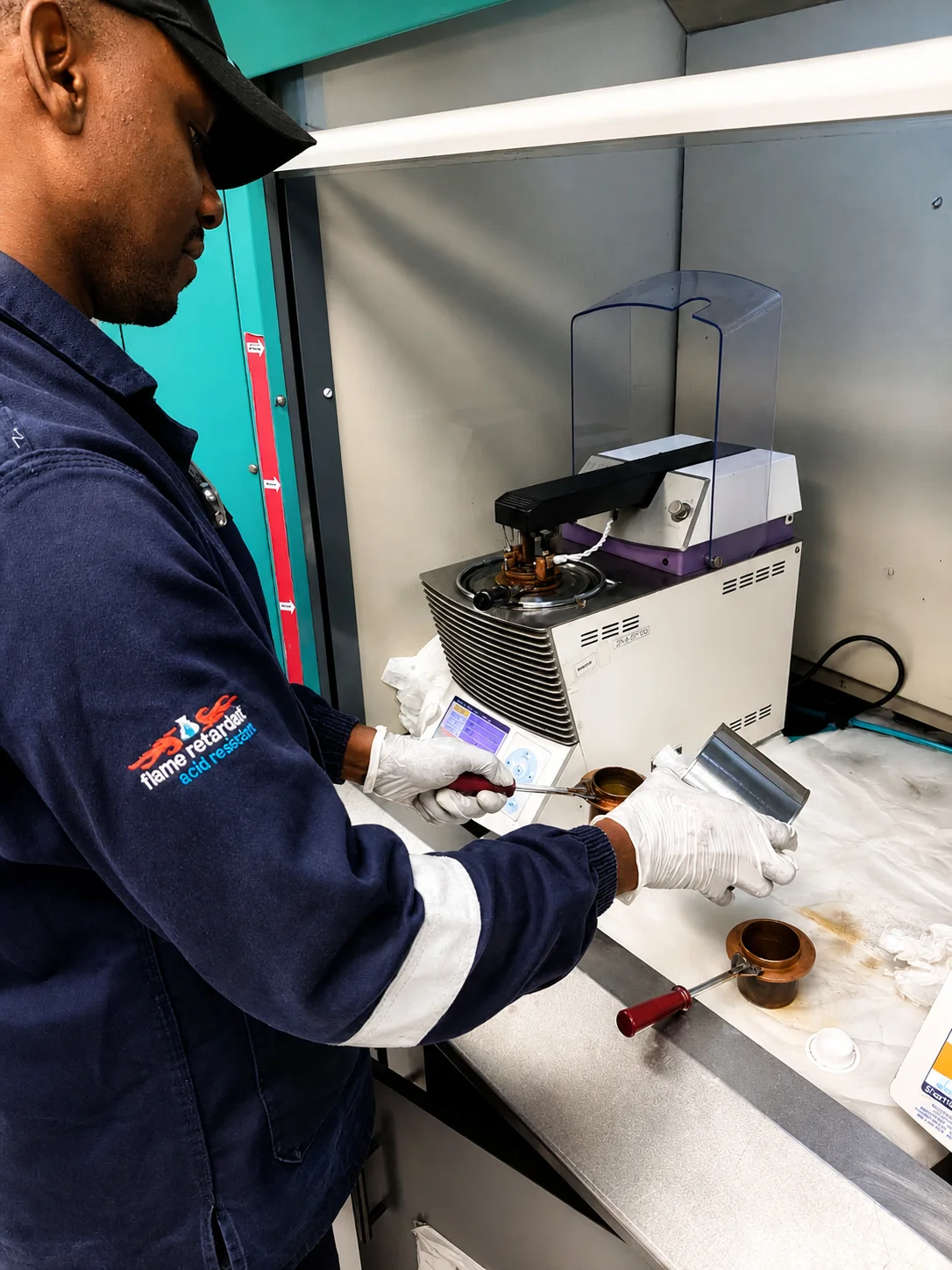
Here, WearCheck laboratory technician, Klaas Ramogayana, tests an automotive diesel sample for the Pensky-Martens Closed Cup Flash Point. This determines the lowest temperature at which vapours from a sample ignite, indicating its potential to form a flammable mixture with air.

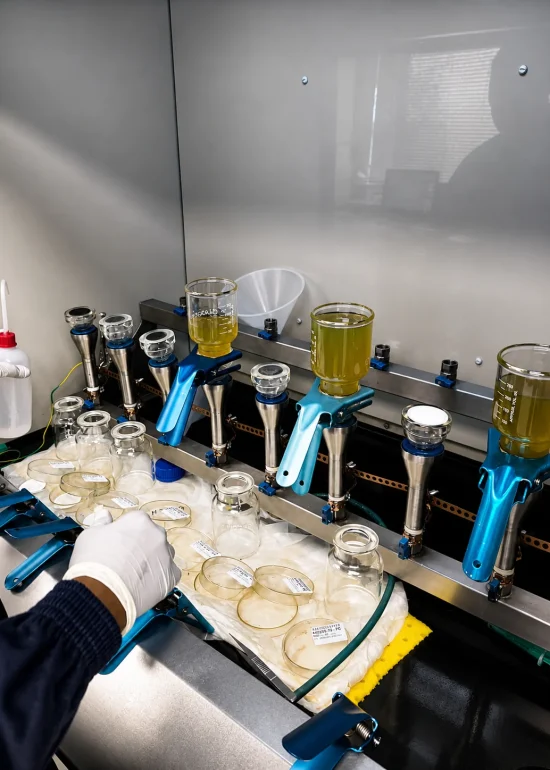
WearCheck conducts the IP-440 test to determine the quantity of solid particles in a submitted fuel sample.

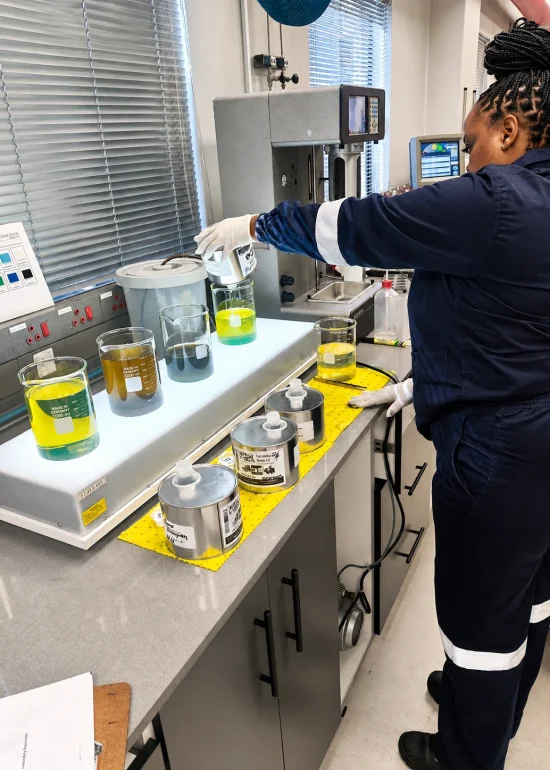
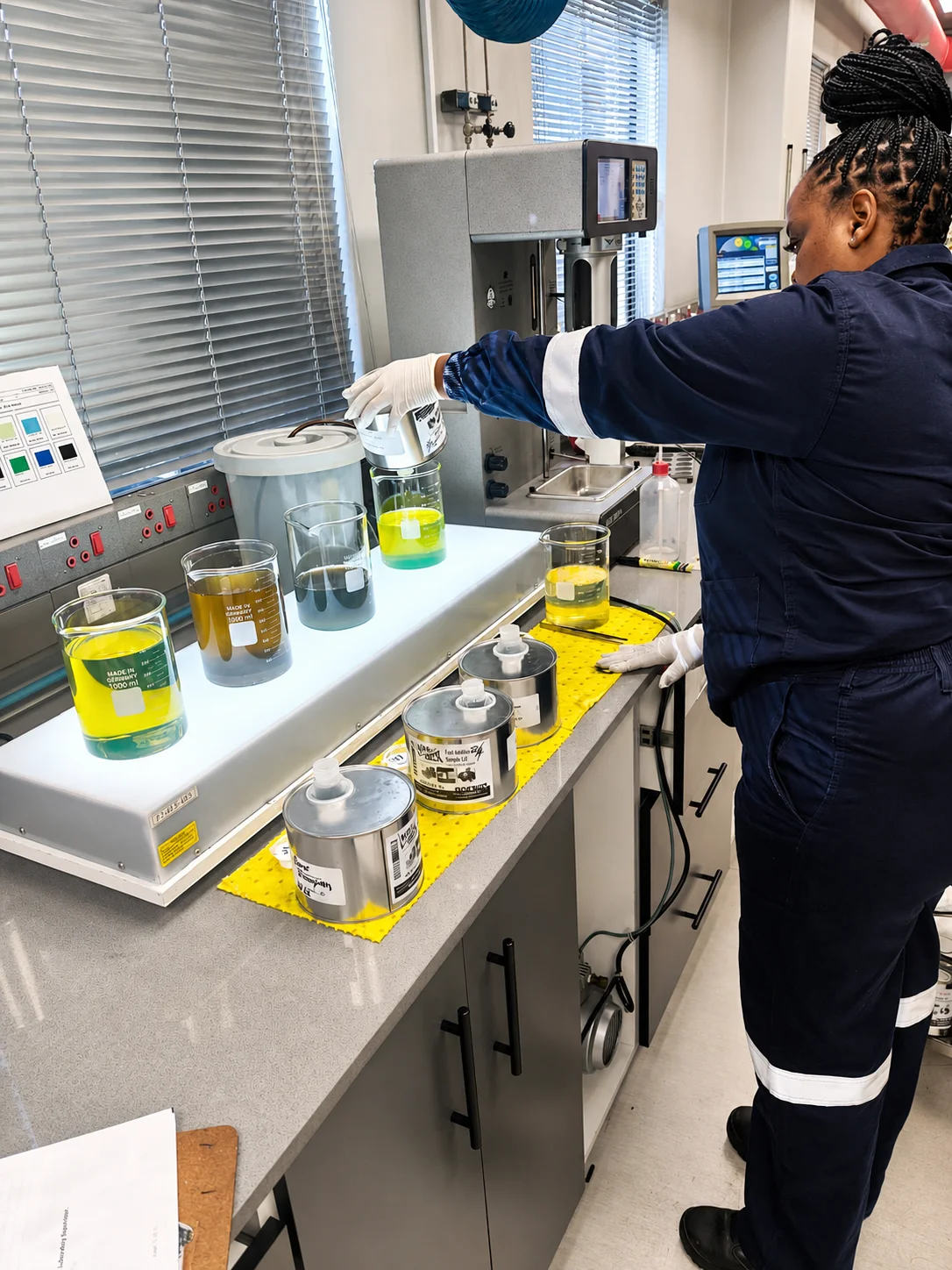
WearCheck laboratory technician, Dimakatso Makgwe, preparing automotive diesel samples to be examined for appearance and colour determination.

Raising the bar on fuel integrity

The inclusion of adulteration as a contaminant in SANS 342:2025 in August 2025 is more than a wording change. It recognises that adulterated diesel is not merely non-compliant: it is compromised fuel that can actively harm engines, distort emissions performance, mislead consumers and undermine the market.

This latest change has strengthened the role of accredited laboratories. As fuels become more complex and adulteration methods more sophisticated, reliable analysis becomes essential. Accredited testing provides confidence in the quality, traceability and repeatability of results, particularly when said results may be used for enforcement, warranty investigations, dispute resolution or commercial decisions.

However, regulation alone cannot solve the problem. A standard can define what is acceptable, but without accessible, accurate and resilient testing methods, the market remains vulnerable. The challenge is not only to define adulteration, but to detect it consistently and affordably.

A turning point in detection

Recognising the magnitude of the situation, WearCheck has invested significant time, resources and technical expertise into launching an advanced test for detecting paraffin in diesel. The importance of this method lies in the fact that it identifies the presence of paraffin directly, rather than relying on whether a chemical marker is present. This places WearCheck among a select few companies offering this service.

That distinction is crucial. If detection depends only on a marker, the system is vulnerable when the marker is removed, masked, or absent in unmarked imported paraffin. A direct detection method avoids this weakness by focusing on the adulterant itself.

In practical terms, the test remains effective whether the paraffin has been marked, chemically treated or never marked at all. It answers the question that matters most: is paraffin present in the diesel? This test provides a decisive tool against adulteration and has already assisted many fleet owners, transport companies, mining operations, agricultural users, fuel distributors and industrial operators to investigate suspicious fuel, support disputes, protect assets and reduce the risk of repeated damage.

Just as importantly, WearCheck has positioned the service to be accessible through a modest pricing structure. Historically, one of the greatest weaknesses in advanced adulteration testing has been cost. If a test is too expensive, it is used only in exceptional cases, which does little to discourage widespread fraud. By offering a more affordable option, routine and proactive testing becomes more realistic for the broader market.

When detection becomes accessible, fraud becomes riskier. Customers can verify what they are buying, dishonest suppliers lose some of their advantage, enforcement becomes stronger and engines are better protected.

Conclusion

Fuel adulteration succeeds because it exploits a narrow chemical similarity and turns it into a wide economic wound. The blending of paraffin into diesel may begin as a hidden act inside the supply chain, but its consequences emerge everywhere: in worn injectors, damaged pumps, higher fuel consumption, increased emissions, lost tax revenue, inflated operating costs and reduced trust in the fuel market. SANS 342:2025 has strengthened the position by recognising adulteration for what it is: a contaminant, not merely non-compliance.

The standard can only be effective when supported by testing that is accurate, affordable, difficult to defeat and conducted by accredited laboratories. Direct paraffin detection represents a crucial shift in that fight because it looks past markers and asks the question that matters most: is the adulterant present?

Protecting diesel quality is ultimately about protecting the machines that drive South Africa’s productivity and the people who carry the hidden costs when fuel is compromised. When fuel integrity is defended, engine reliability, commercial fairness and economic resilience are defended with it.

Published by

Rivendren Wayne Moodley

RIVENDREN WAYNE MOODLEY joined WearCheck in 2010. Starting as a shift laboratory assistant, he progressed to roles with increasing responsibility, including as a technician in the company’s speciality laboratory, where he gained experience across various industries. Now serving as a diagnostician in WearCheck’s world-class diagnostic team, Moodley brings his knowledge and commitment to supporting WearCheck's high standards. He holds an N6 certificate in mechanical engineering and is currently working towards a GCC Engineer's qualification, further advancing his skills and knowledge.
Prev What it takes to excel at Truck Test 2026
Next ACT Expo 2026: fleets become more cautious as transport transition accelerates

Leave a comment

This site is protected by reCAPTCHA and the Google Privacy Policy and Terms of Service apply.