Chinese companies are dominating the passenger car market, but what about light commercial vehicles (LCVs)? JACO DE KLERK explores whether this will happen in SA.
The year 2015 delivered some interesting events. NASA’s Dawn probe entered orbit around Ceres, a dwarf planet in the middle main asteroid belt between the orbits of Mars and Jupiter, becoming the first spacecraft to visit a small planetary body. Scientists also announced the discovery of a previously unknown species of early humans in South Africa, Homo Naledi. The BBC, meanwhile, refused to renew the contract for Top Gear’smain presenter, Jeremy Clarkson.
This was also a time when I decided to take a hiatus from journalism, going on to run a service centre for various vehicle brands in the Namibian town of Keetmanshoop from 2016 until 2020 (just before Covid-19 made its global debut).
Back then, people rolled their eyes if Chinese vehicles popped up in conversation, and the few who did buy them changed their opinions to align with the masses after they had to wait months on end for general wear items. I can’t recall how many times I had to inform a client that they had to wait more than two calendar slots for a wheel bearing, clutch plate, or struts. This was usually met with the quip “Why don’t you just order it from South Africa?”, and my rehearsed response: “We did order it from there, but they don’t have it in stock, so we’re waiting for the parts to arrive from China.”
Fast-forward to 2025, and the situation has shifted. The growth of Chinese-manufactured vehicles in South Africa has been ridiculously successful. A total of 2,573 Chinese vehicles were sold in South Africa over the first five months of 2015. In the first five months of 2025, however, 32,954 Chinese cars were sold in SA. There are currently 24 Chinese vehicle brands in, or soon to be in, South Africa – and both GWM and Chery are considering opening manufacturing plants in Mzansi.
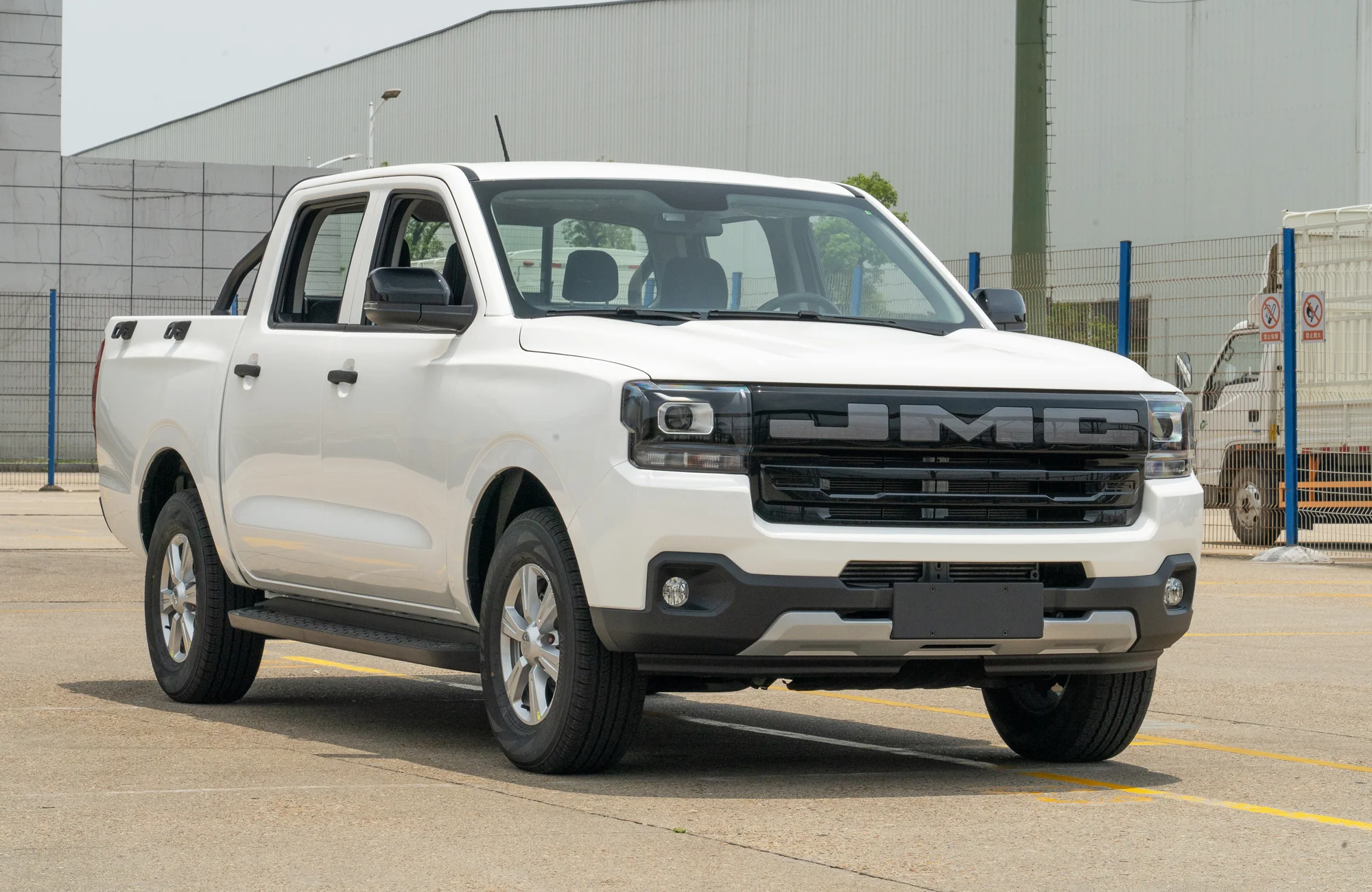
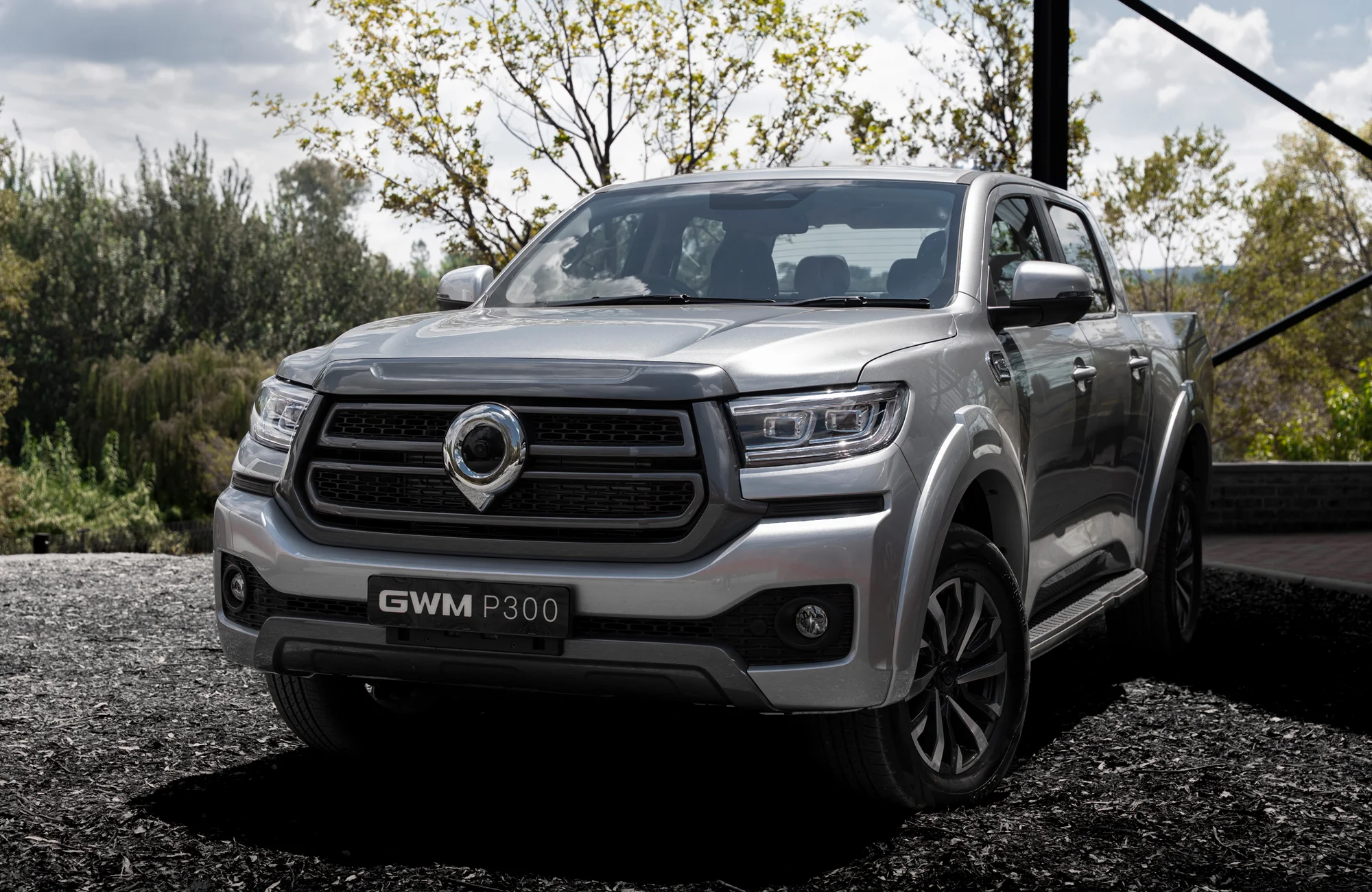
Many of these manufacturers are now targeting the LCV market with feature-packed models positioned well below the price tags of their Japanese or American counterparts. Take GWM’s latest offering, the P300 LS. It’s essentially an upgrade of the earlier P-Series Black Edition LS, but with more punch under the bonnet and a few extra creature comforts in the cabin. The bakkie uses a 2.4-litre turbodiesel engine producing 135kW and 480Nm – figures that put it squarely in the mid-to-upper power range of the segment. It’s also rated to tow 3.5 tonnes.
When it comes to pricing, the 2WD automatic double cab comes in at R529,900, while the 4×4 version is listed at R579,900. For context, that’s about R100,000 to R150,000 cheaper than many similarly specced double cabs from the traditional stalwarts – even before you start ticking the options list.
To be clear, it’s not going to match a Hilux Legend or Ford Ranger Wildtrak for brand distinction or dealership reach. But you do get a lot for your money: leather trim, a 12.3-inch touchscreen with Apple CarPlay and Android Auto, a digital instrument cluster, reverse camera, wireless charging, and even a fragrance diffuser in the cabin. Whether you find that last one useful or gimmicky depends on your commute.