CACSA celebrates 20 years of service to SA’s trucking sector
Reaching a 20-year milestone in the commercial vehicle sector is no small achievement; the industry is defined by tight margins, demanding operating conditions and constant change. For Commercial Auto Components SA (CACSA), this anniversary reflects something more significant than longevity: sustained relevance in a market where practicality, durability and performance are non-negotiable.
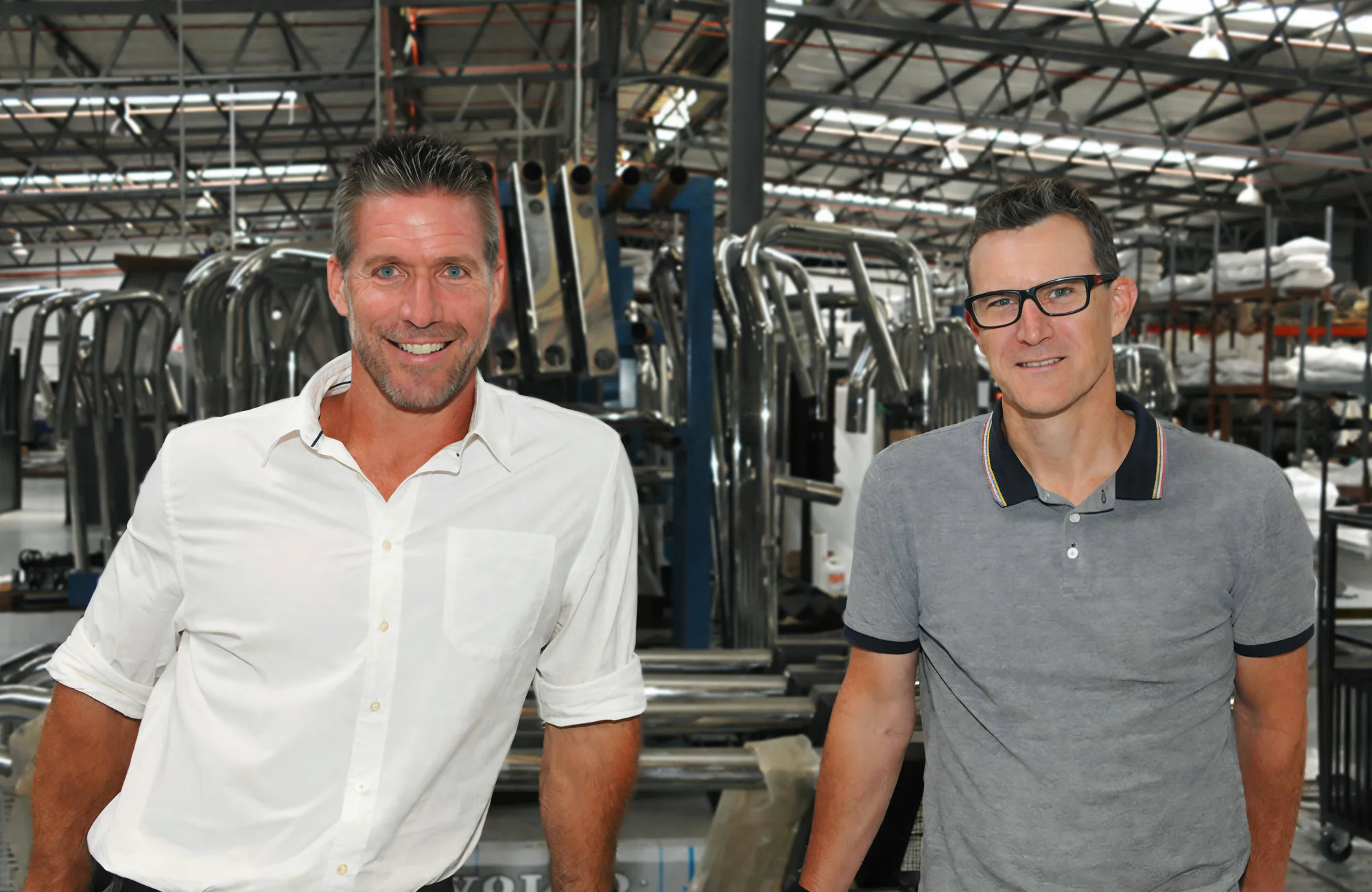
Established in 2006 by entrepreneur Cameron Abbott, CACSA has developed into one of South Africa’s most well-known manufacturers of truck frontal protection and accessory products. Its solutions are available for more than 90% of truck models on the road, reflecting a deliberate strategy to serve the full market rather than a narrow segment.
From distribution to insight
CACSA’s early years were rooted in distribution. However, this evolved through strong partnerships with leading brands such as Volvo, Scania, Mercedes-Benz, UD Trucks, MAN and Iveco. These relationships enabled the company to develop a deep understanding of real-world truck operations and identify where vulnerabilities arise in day-to-day operations. That experience shaped a product philosophy centred on protection, durability and ease of fitment rather than cosmetic appeal.
As the South African truck parc expanded, with newer entrants such as Shacman, Sinotruk, FAW, Powerstar and Foton gaining traction, CACSA maintained its focus on broad market coverage. “We have always believed that protection should not be limited to specific brands,” says Richard Thompson, managing executive at CACSA. “If a truck is working, it needs protection. Our focus has been to ensure that we can support as much of the fleet as possible, including new entrants as they establish themselves.”
Building manufacturing capability
A defining moment in CACSA’s development came in 2013 with the establishment of its own manufacturing facility. This marked the transition from distributor to fully-fledged manufacturer, with complete in-house capability.
Today, the facility encompasses sheet metal processing, tube bending and finishing processes such as powder coating and robotic polishing. All fabrication and finishing procedures are undertaken internally, giving the business a high degree of control over quality and output.
“Having full control over manufacturing has fundamentally changed how we operate,” Thompson explains. “It has reduced supply risk, improved lead times and allowed us to respond more quickly to changes in the market.” This capability has also enabled CACSA to maintain short development cycles, ensuring that protection solutions are available soon after new truck models enter the market.

Designed for operational realities
In a fleet environment, products such as bullbars and windscreen protectors are often viewed as optional. In practice, their role is functional.
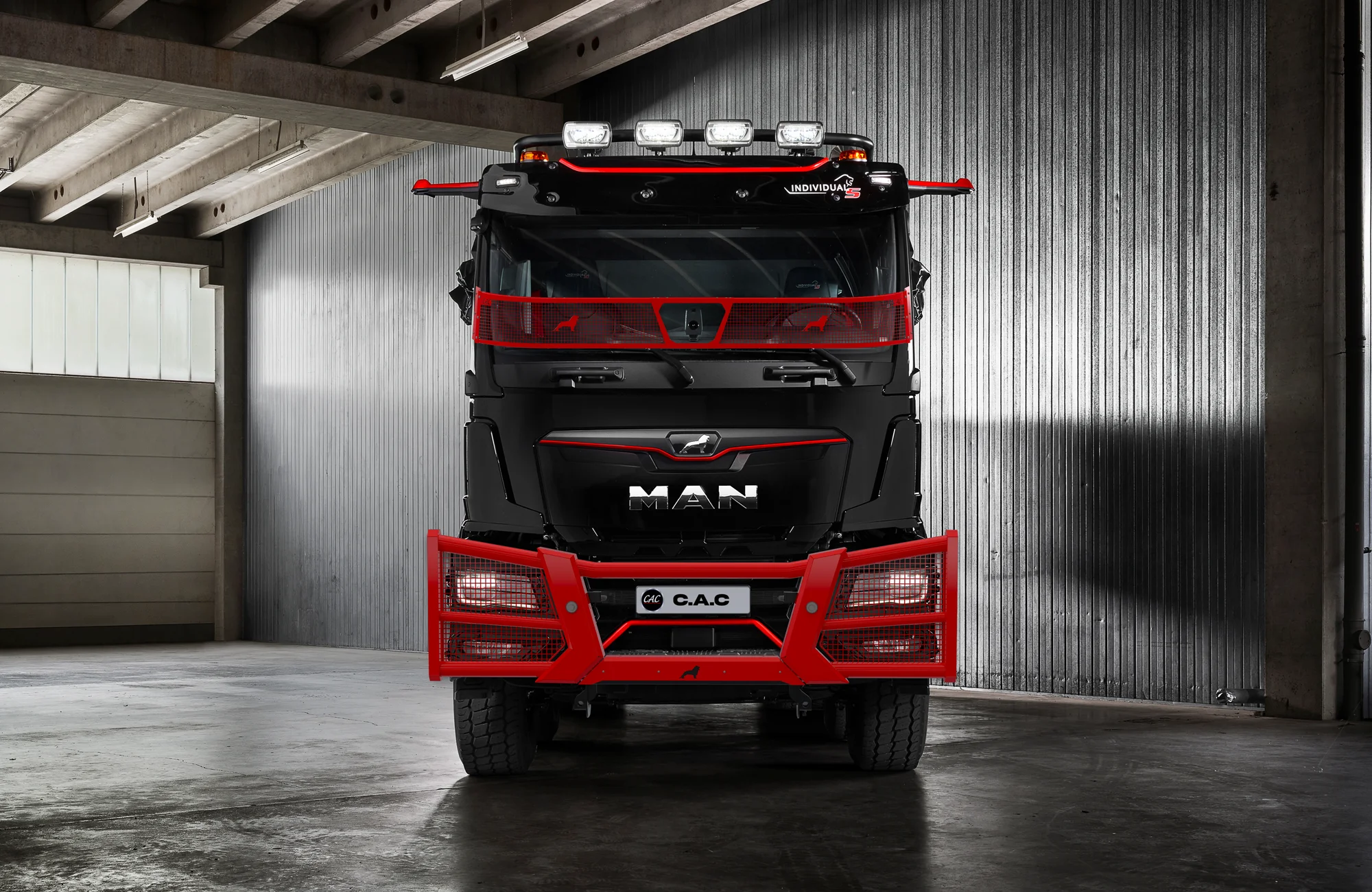
Front-end components remain among the most exposed and costly areas of a truck. Damage can result in unplanned downtime, disrupted schedules and significant repair costs. CACSA’s product range is designed to mitigate these risks. “The value of these products lies in protecting critical components and helping to keep vehicles operational,” says Thompson. “For operators, that translates into reduced disruption and more predictable costs.”
This focus on practical engineering is reflected in CACSA’s patented monocoque windscreen protector design, which offers weight savings without compromising strength.
Supporting the full vehicle lifecycle
While new-truck fitment remains important, CACSA’s relevance extends beyond initial installation. As vehicles age and move through different operating roles, the need for protection continues. In many cases, it becomes more critical as trucks operate in harsher environments or under tighter cost constraints. CACSA supports this through solutions for the used-truck market, aligning its offering with the full lifecycle of the vehicle.
This is complemented by a product repair service. Depending on the extent of damage, CACSA can restore existing products, providing operators with an additional option to manage costs and maintain protection.
Scale and industry alignment
Over time, CACSA has expanded its footprint across both OEM and aftermarket environments. Its products are fitted at OEM level in certain instances, while mobile fitment teams support installations at dealerships and customer sites. This flexibility allows products to be integrated into operations with minimal disruption.
Across the extra-heavy commercial vehicle segment, CACSA’s coverage is significant, with solutions available across most truck brands operating in South Africa. Long-standing relationships with OEMs, dealer networks and transport operators further reinforce its position. “We have built our business around consistency,” Thompson emphasises. “Consistent quality, consistent availability and consistent support are what matter to operators.”
A more mature operation
As CACSA has evolved, it has attracted additional investment and broadened its operational base. This reflects both confidence in the sector and recognition of the company’s ability to scale. The shift from an entrepreneurial business to a more structured manufacturing operation has brought greater depth in terms of processes, capacity and technical capability.
At the same time, the core focus has remained unchanged. “Our role is to solve practical problems,” Thompson notes. “That has not changed in 20 years. What has changed is our ability to do that at scale and with greater precision.”
Why longevity matters
In the trucking sector, longevity is closely linked to trust and adaptability. Over two decades, CACSA has operated through shifts in vehicle technology, changes in market composition and evolving operator requirements. Its continued presence suggests an ability to align with these changes while maintaining a clear focus on core needs.
For fleet operators, that consistency carries weight. Products that protect vehicles, reduce downtime and support operational efficiency form part of the broader equation that determines reliability and cost control.
Staying relevant is essential
As CACSA marks its 20th anniversary, the focus remains on maintaining alignment with a changing market. The commercial vehicle sector continues to evolve, with new technologies, new brands and new operational pressures shaping the landscape. In this environment, the need for practical, reliable solutions remains constant.
“Our priority is to stay aligned with the needs of the market,” Thompson concludes. “That means continuing to invest in our capabilities, responding quickly to new developments and ensuring that our products remain relevant to the realities of truck and fleet operations.”
After 20 years, CACSA’s story is less about celebration and more about continuity – a reflection of a business that has earned its place by focusing on what matters most: keeping trucks working.
Published by
Focus on Transport
focusmagsa