Actros twins prepare for the ultimate test

Actros twins prepare for the ultimate test

Two Mercedes-Benz Actros 2652 models will tackle Truck Test 2026. They share the same powerful engine but use different specifications to pursue efficiency across South Africaโ€™s demanding routes and operating conditions.

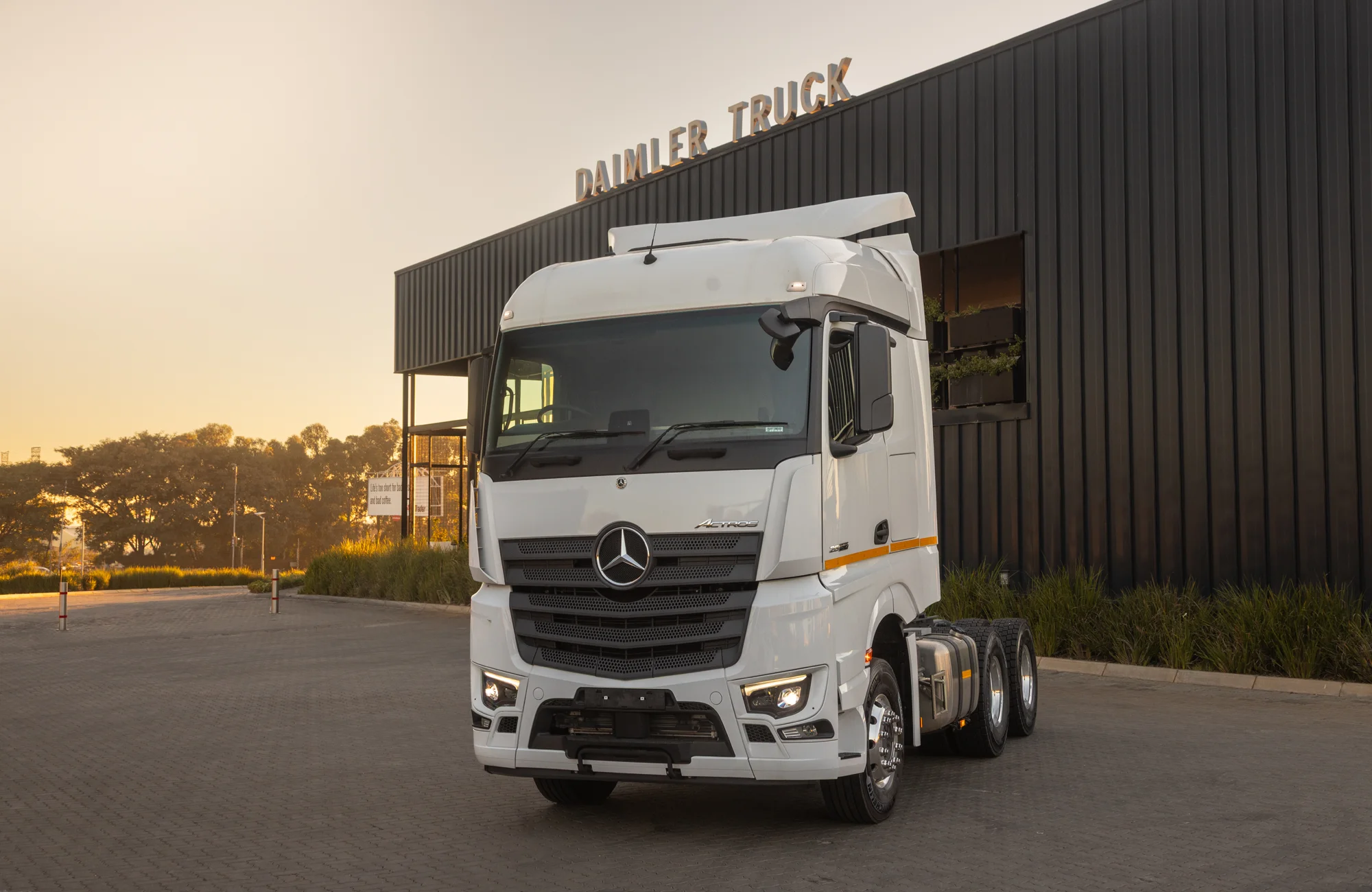
Daimler Truck Southern Africa will enter two differently configured models in the 2026 Truck Test: the Actros 2652LS/33 RE and Actros 2652LS/33 HT. RE stands for Road Efficiency. It is the premium model in the Southern African 520-hp Actros lineup and is configured mainly for efficient long-distance operation. HT means Hill Terrain and identifies a model intended for arduous, undulating routes, including those through the Eastern Cape, northern KwaZulu-Natal and the Mpumalanga escarpment.

Although the trucks share the same platform and powertrain, several specification differences should make their performances interesting to compare.

REโ€™s MirrorCam increases efficiency and visibility

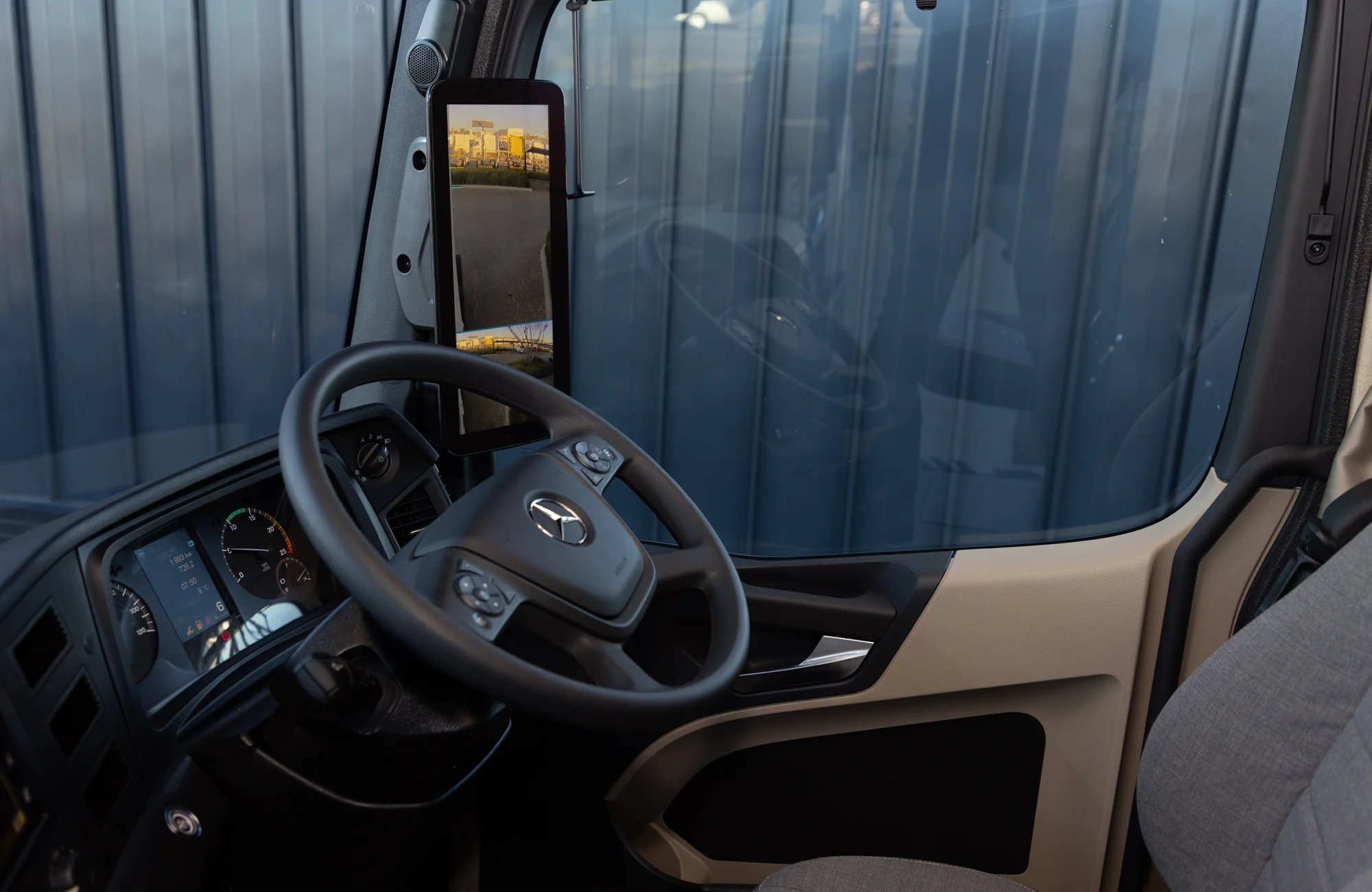
The clearest visual difference is the RE modelโ€™s MirrorCam system, which replaces conventional exterior mirrors with compact cameras and screens inside the cab.

MirrorCam is designed to improve visibility while cornering, reversing and overtaking. Removing the traditional mirror assemblies from the airflow, meanwhile, reduces aerodynamic drag and can contribute to lower fuel consumption. It also clears more of the driverโ€™s direct field of view and makes the external camera housings less vulnerable to damage in confined areas.

The RE also includes Proximity Control and Predictive Powertrain Control (PPC). Proximity Control maintains a selected following distance and can assist in stop-start traffic. PPC uses 3D mapping and GPS data to anticipate hills, bends and descents. It then adjusts speed, gear selection, acceleration, coasting and braking to preserve momentum and avoid unnecessary fuel use. Instead of reacting only once the gradient changes, the system prepares the driveline for the road ahead.

Power for climbs and control on descents

Both trucks use the Mercedes-Benz OM473, a 15.6-litre engine producing 2,600Nm of torque from 1,000r/min. Mercedes-Benz says 90% of that torque is available from 850r/min. The strong low-speed torque should assist with heavy pull-offs and climbing, while reducing unnecessary gear changes.

The engine uses turbo-compounding technology to recover energy from the exhaust gases. A secondary exhaust-gas turbine can return up to 35kW (about 50hp) to the drivetrain. Its contribution should be most noticeable on steep climbs and mountain passes.

The OM473โ€™s compression brake works with a hydraulic retarder rated at 3,500Nm. Together, they can provide up to 380kW of braking power at 2,300r/min. A compression brake releases much of the braking energy through the exhaust system, rather than placing the full thermal load on the service brakes or engine cooling system. On prolonged descents such as those on the N3, this helps control speed while reducing reliance on the foundation brakes.
Comfort and safety for long days

Both vehicles have a 2.5m-wide high-roof sleeper cab with two bunks. The interior includes large storage lockers, a refrigerator beneath the lower bunk and equipment intended to make extended periods on the road more manageable.

That space matters in Southern African long-distance transport. Drivers can spend up to 20 hours a day in the cab and may remain away from home for prolonged periods. A usable sleeping area, accessible storage and practical facilities can influence rest and alertness.

Full LED lighting is fitted at the front and rear. Besides offering a long service life and low maintenance requirements, the headlights improve night-time visibility and allow hazards to be recognised earlier.

The trucks also feature anti-lock braking, acceleration skid control, Electronic Stability Control, Lane Keeping Assist, Active Brake Assist 6 and Attention Assist. These systems support vehicle stability, warn the driver of hazards and can intervene in certain situations. They do, however, remain aids rather than substitutes for an attentive driver.

Ratios selected for the route

Both entries feature the new G291-12 direct-drive, 12-speed automated transmission. Its deeper first and reverse ratios should make pulling away with a loaded interlink easier on the clutch. The lower gearing also allows the truck to move more slowly at idle during reversing, docking and tight manoeuvres, giving the driver greater control.

The paramount difference between the trucks’ driveline specifications lies in the rear-axle ratios. The HT uses a numerically higher 3.07:1 ratio, while the RE employs a 2.86:1 ratio. The HTโ€™s ratio causes the engine to turn more times for every kilometre travelled, which may appear less efficient on level roads. On hilly terrain, however, it can help the truck remain in top gear for longer by keeping the engine closer to its effective operating range.

Avoiding repeated downshifts as well as recovering momentum can save fuel in the conditions for which the HT was developed. The 3.07:1 ratio should also strengthen retarder performance at lower road speeds because retarder output is influenced by propshaft speed.

So, which Actros will do the better job at Truck Test 2026? It remains to be seen. But one thing is certain: the event will show how different axle ratios, driver-assistance systems and aerodynamic equipment influence performance under identical loads, routes and operating conditions. The outcome is going to be fascinating!

Published by

Focus on Transport

FOCUS on Transport and Logistics is the oldest and most respected transport and logistics publication in southern Africa.
Prev Motus plants Sinotruk flag on Gautengโ€™s busiest freight corridor
Next Iveco brings S-Way Frontier 560 to Truck Test 2026

Leave a comment

This site is protected by reCAPTCHA and the Google Privacy Policy and Terms of Service apply.