Prevention to the fore
A central theme is turning video and AI from courtroom evidence into live intervention. “AI used to be reactive; now we’re using it proactively,” explained Kenneth Bailey, executive consultant – fleet. “We’ve set up a real-time operations centre that monitors AI alerts around the clock. When a potential risk is detected, our team immediately contacts the customer with the ability to intervene, even stopping a vehicle or bus before an incident occurs. In the first nine months, across an initial 3,000 vehicles, we recorded one accident – and it wasn’t fatal. The process is so quick, the only delay now is making the call. That’s revolutionary in the video space.”
The same “act now” philosophy runs through its analytics. “We’re doing predictive analytics on real-time events. Our 24/7 control centre is managing risk live, not retrospectively,” explained Steenkamp, while Govender pointed to the flagship layer: “Our add-on module, SafeGuard, acts as a co-pilot for operations managers. It flags high-risk driver behaviour before accidents happen, detects fatigue, prioritises interventions based on actual risk levels, and enables real-time communication with drivers through the VisionAI camera.”
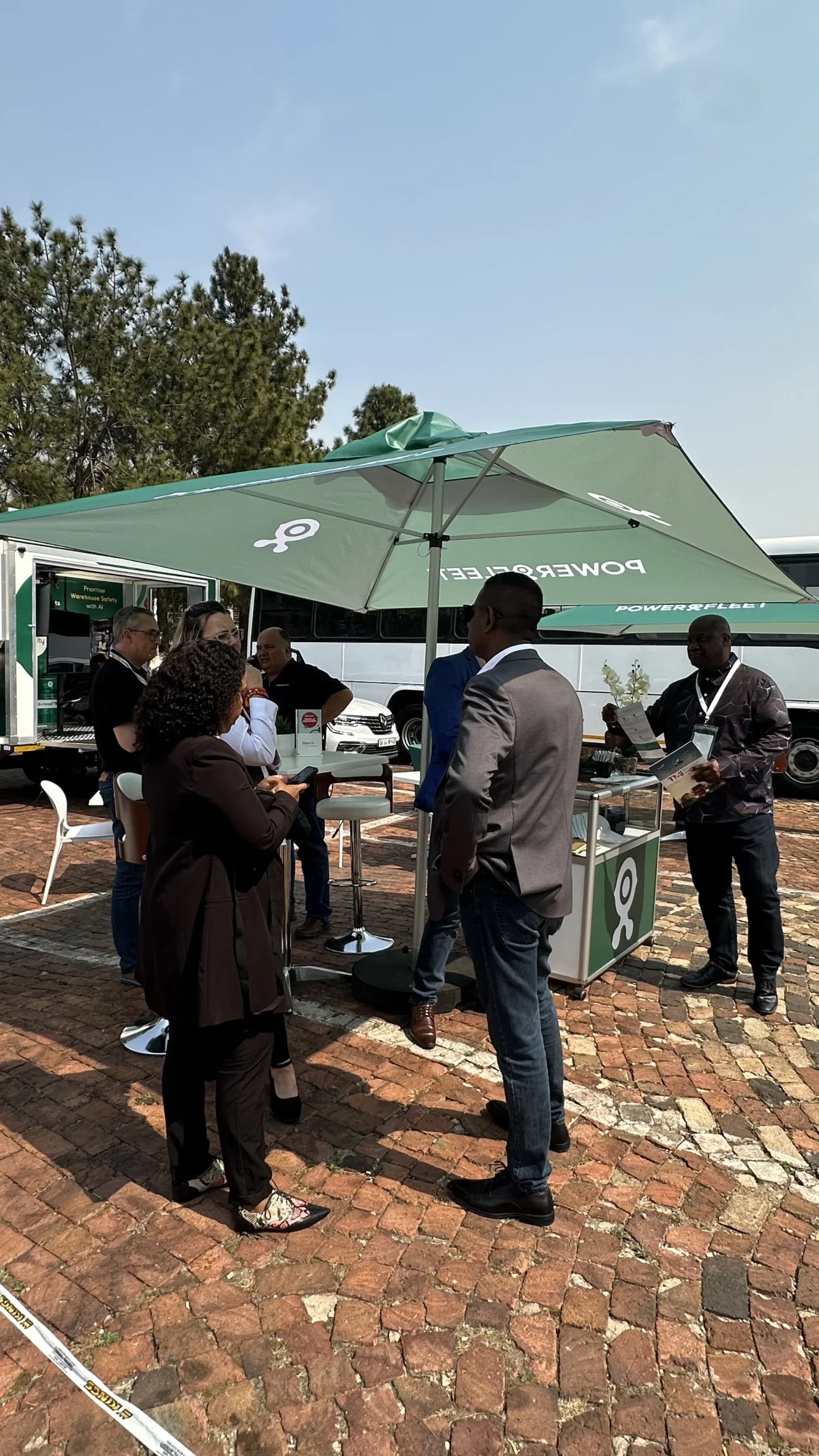
Fuel protection rounded out the showcase. “We’re demonstrating fuel security on buses with TankSafe anti-siphon devices,” said Bailey. “PUTCO is one of our biggest adopters on trucks, and Daimler began fitting anti-siphon devices on buses last year – making it the first OEM to take a proven truck approach into the bus space.”
Transformation and market development were woven into every conversation. “Our solutions scale to a customer’s needs and budget,” said Steenkamp. “We’ll recommend from the data where we add value, but fleets can start with a baseline and upscale.” Govender, meanwhile, noted that being a Level 1 B-BBEE company means more than a rating for Powerfleet. “It’s about building meaningful partnerships. We support and upskill local businesses so they can take our solutions further, opening doors to communities that might otherwise be overlooked,” he explained.
Commercial gains
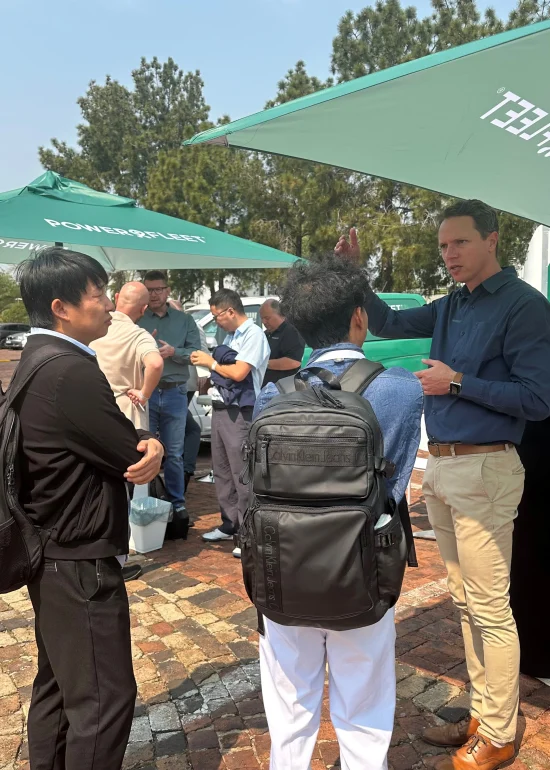
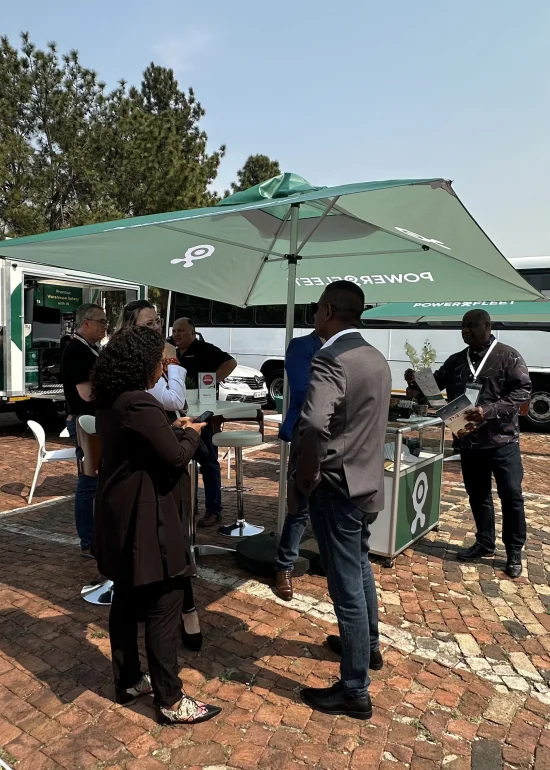
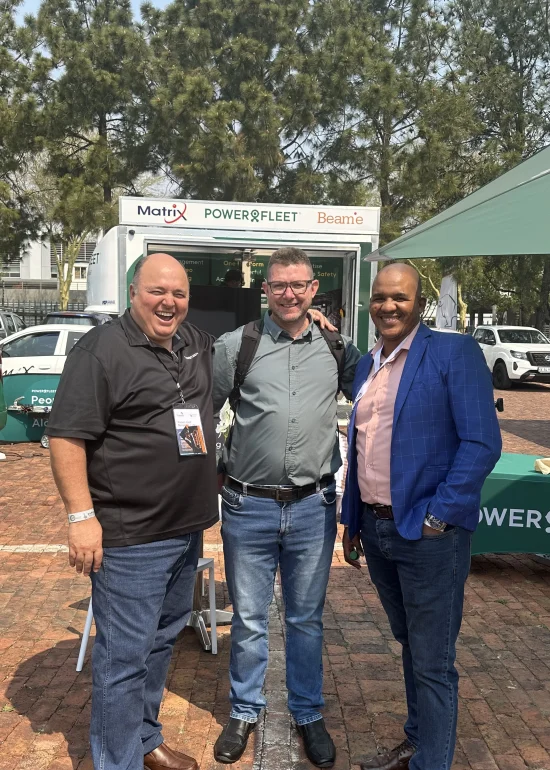
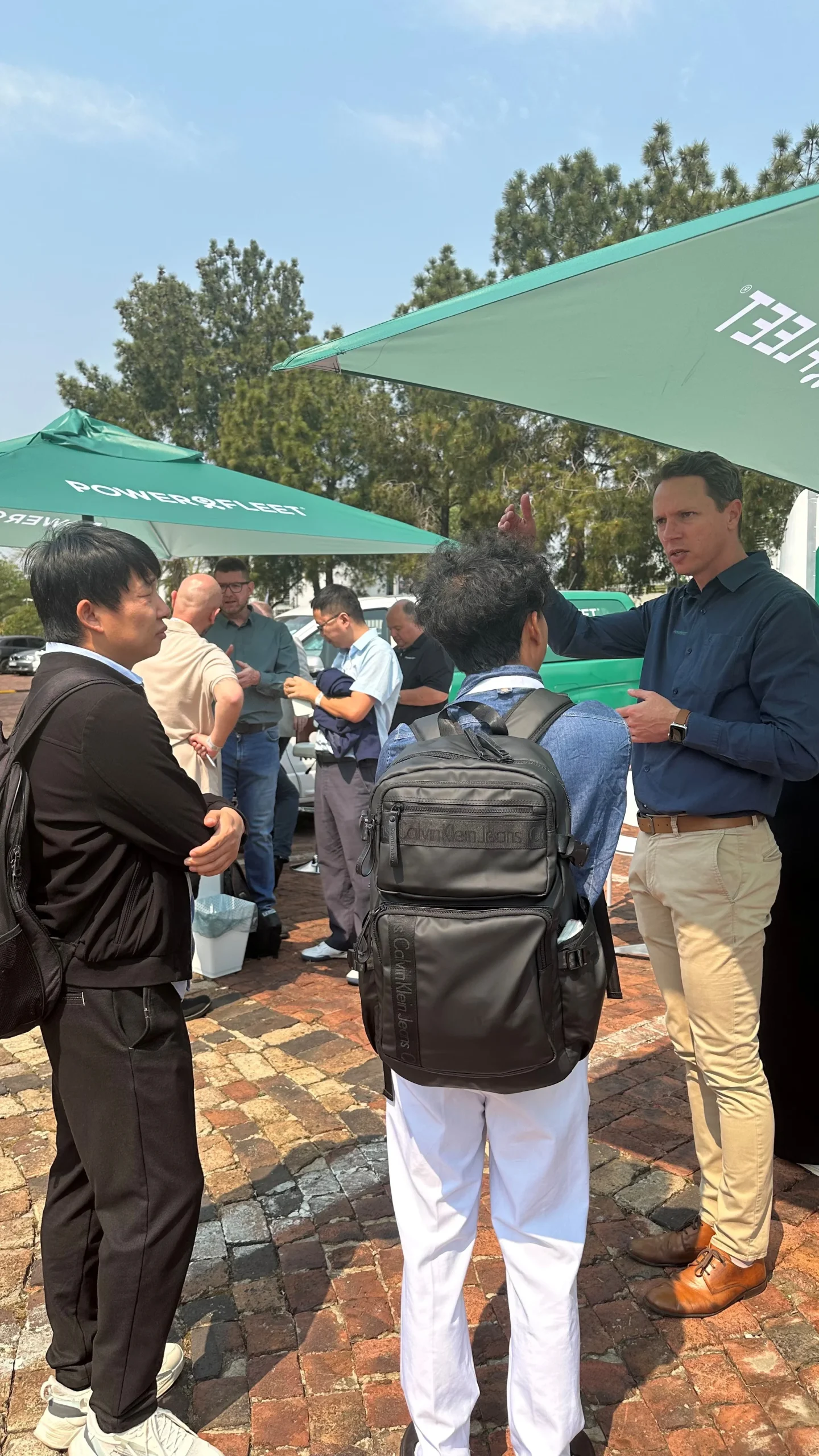
The commercial energy at SABOA was tangible. “We had good discussions with existing and potential clients. Face-to-face beats a boardroom for unlocking what’s next,” stressed Govender. “Past customers came by, and new conversations started, which was good because we’ve grown and the technology has evolved.”
Looking ahead, Govender framed Powerfleet’s role across the mobility ecosystem: “Safety and sustainability are our cornerstones. We’ve spent three decades in South African telematics with a wide footprint – OEMs, fuel suppliers, the Road Transport Management System (RTMS), SABOA, and the Road Freight Association. As the country moves towards lower-emission transport and, ultimately, electric vehicles, we’ll keep the technology front and centre with the right partners.” Steenkamp, meanwhile, brought the focus back to first principles: “The driver and passengers are the biggest asset. Our job is to keep rubber on tar and people safe. You can’t put a price on a life – that’s the ultimate goal.”
From OEM alignment and predictive analytics to anti-siphon hardware and 24/7 intervention, Powerfleet’s SABOA message was clear: it is all about safety that prevents, not just records. Because that’s ultimately how to stop accidents from happening in the first place.