Women: much needed in the trucking industry
Trucking might be a heavily male-dominated profession, but that doesn’t mean that women should be overlooked. As we celebrate national Women’s Month, we discover that there are many benefits to having a driver of the fairer sex
Roads would be much safer if more women were hired for trucking jobs. This is the conclusion reached by British researchers, according to a HealthDay article by Steven Reinberg, “Women Are Much Safer Drivers Than Men, British Study Finds”.
“That’s because men, who hold most driving jobs, are more likely to drive dangerously. This puts other road users at risk,” says lead researcher Rachel Aldred of the University of Westminster in London. “Greater gender equity would have a positive impact on vehicle-related injuries. Policymakers should be looking to measure the risk posed to others, and how to reduce it.”
For purposes of the study, Aldred’s team drew on four sets of British data, including injury and traffic statistics, travel survey data, as well as population and gender figures for 2005 to 2015.
Men posed a significantly higher risk to others for five to six types of vehicles studied.
“For cars and vans, the risk male drivers posed was double that of women per kilometre driven,” Reinberg writes. “The risk was four times higher for male truck drivers.”
Policymakers, the researchers concluded, “should consider policies to increase gender balance in occupations that substantially involve driving, given the greater likelihood that other road users will be killed if men, rather than women, are driving”.
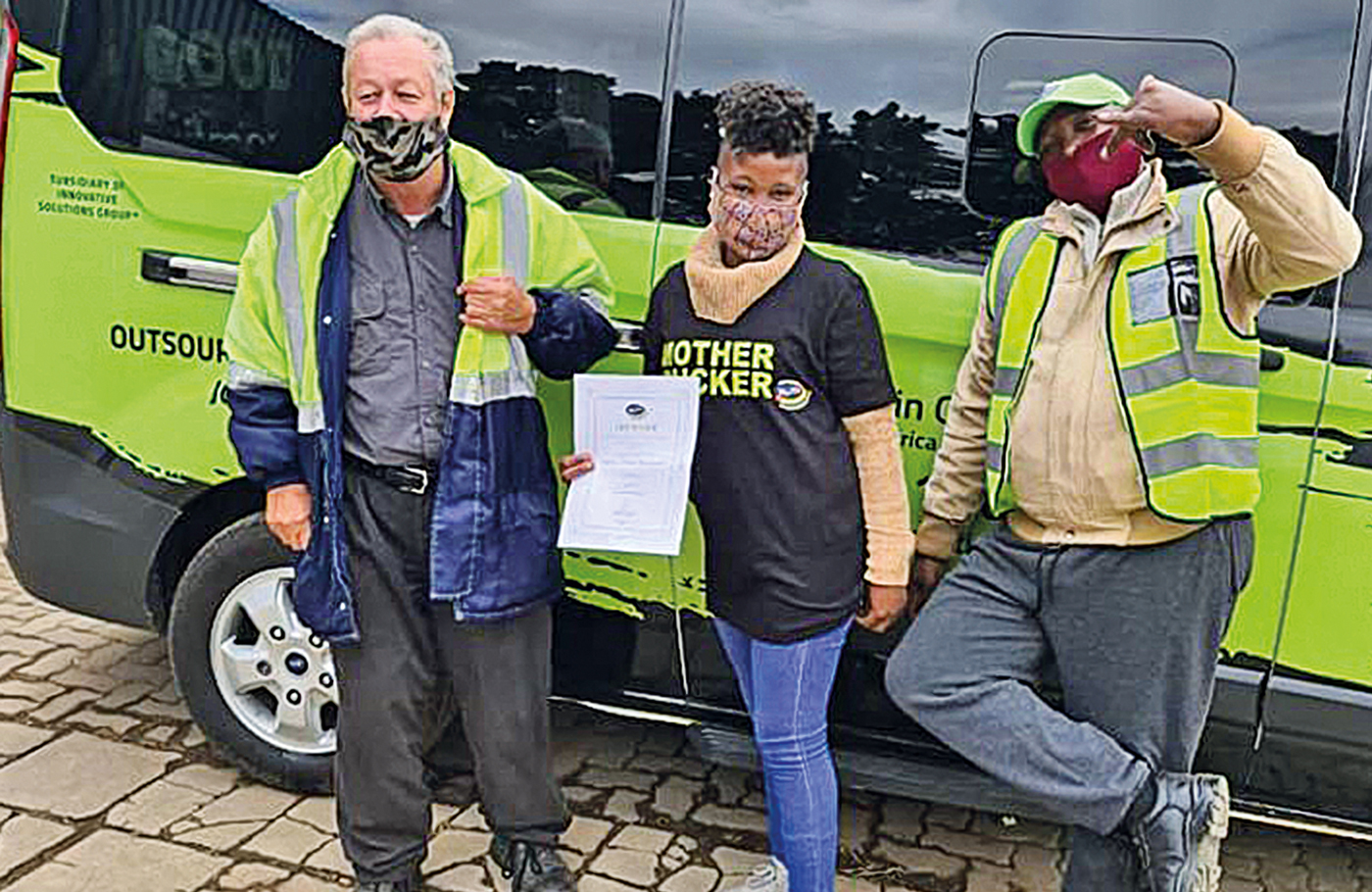
Closer to home, it would seem that the transport landscape is changing, as women are not content with being confined to jobs traditionally associated with their gender. They are also stepping into roles previously occupied by men. Audrey Mngomezulu (35) is one such woman.
Armed with her Code 14 licence; Professional Driving Permit (PDP); Dangerous Goods Permit and having recently completed training at Innovative Learning Solutions (ILS), a massive truck-driving training and testing centre in Boksburg, Mngomezulu says she is ready to prove her worth by taking on the challenges of the road.
“I love trucks. It’s been that way since I was young. When I came across the ILS’s Introduction to Advanced Driving Techniques course, I knew I had to sign up for it,” she says. “The training was exactly what I needed, because I had conducted my Code 14 training and testing with a three-axle truck. The ILS programme uses a Volvo superlink, which requires more skill to handle. And trucking companies want drivers who are competent with superlinks, so I am more than satisfied that I now have a competency certificate.”
Mngomezulu is ILS’s first female candidate, but the company’s managing director, Arnoux Maré, says she will not be the last.
“We are glad to have had our first female trucker successfully complete her training at ILS,” he says. “We look forward to seeing more women equip themselves with the necessary skills to master a superlink truck and become employed in the trucking industry, which is traditionally considered a male-dominated industry.”
“Having acquired the certification that deems me competent in alley docking and straight reverse,” says Mngomezulu, “I can work towards finding a job and building a future for my children with a job in the trucking industry.”
She adds that beyond the social limitations most women face, another reason not many women are truck drivers lies in an old mindset – that driving is a man’s job.
“Driving is gender-neutral. It is not reserved for a specific sex. Studies have proved that women generally are safer drivers than men, yet there are fewer of us driving professionally,” she points out.
Maré says ILS’s sister company Innovative Staffing Solutions, which employs over 11 000 permanent truck drivers, is pushing to recruit more women drivers.
“With more women making their mark as truck drivers, I am confident the industry will reach parity. Our job at ILS is to ensure we minimise any stumbling blocks in the driver’s career path by providing them with the opportunity to upskill themselves and make them better and safer drivers.”
Volvo Group Southern Africa has also joined the good fight to empower women in the transport industry through its Iron Women heavy-duty truck driving school.
“Volvo is committed to educating women to qualify as heavy-duty commercial truck drivers”, says Marcus Hörberg, vice president of Volvo Group Southern Africa. “With women severely underrepresented in the industry, it is hoped that this initiative will help increase the pool of skilled women drivers in the country. This will not only help address the driver shortage, but hopefully improve road safety as well.”
The aim of the programme is to enhance the capability of professional drivers and ultimately to enable them to contribute to their future employers’ fleet productivity, safety, profitability and efficiency. This qualification, approved by the Transport Education Training Authority, is based on both theoretical and practical modules.
The first intake of 20 women started their training in January 2019 at the Commercial Transport Academy.
“We are very proud to make a tangible contribution towards developing driver skills,” says Hörberg. “We believe that this project has the potential to effect change in the local transport industry, which will truly benefit from more gender diversity.”
A new head at the helm
Karin Rådström has been appointed as a member of the board of management at Daimler Truck AG. She will be responsible for Mercedes-Benz Trucks as of May 1, 2021. Rådström succeeds Stefan Buchner, who has decided to retire after more than 30 years at the company, as announced earlier this year.
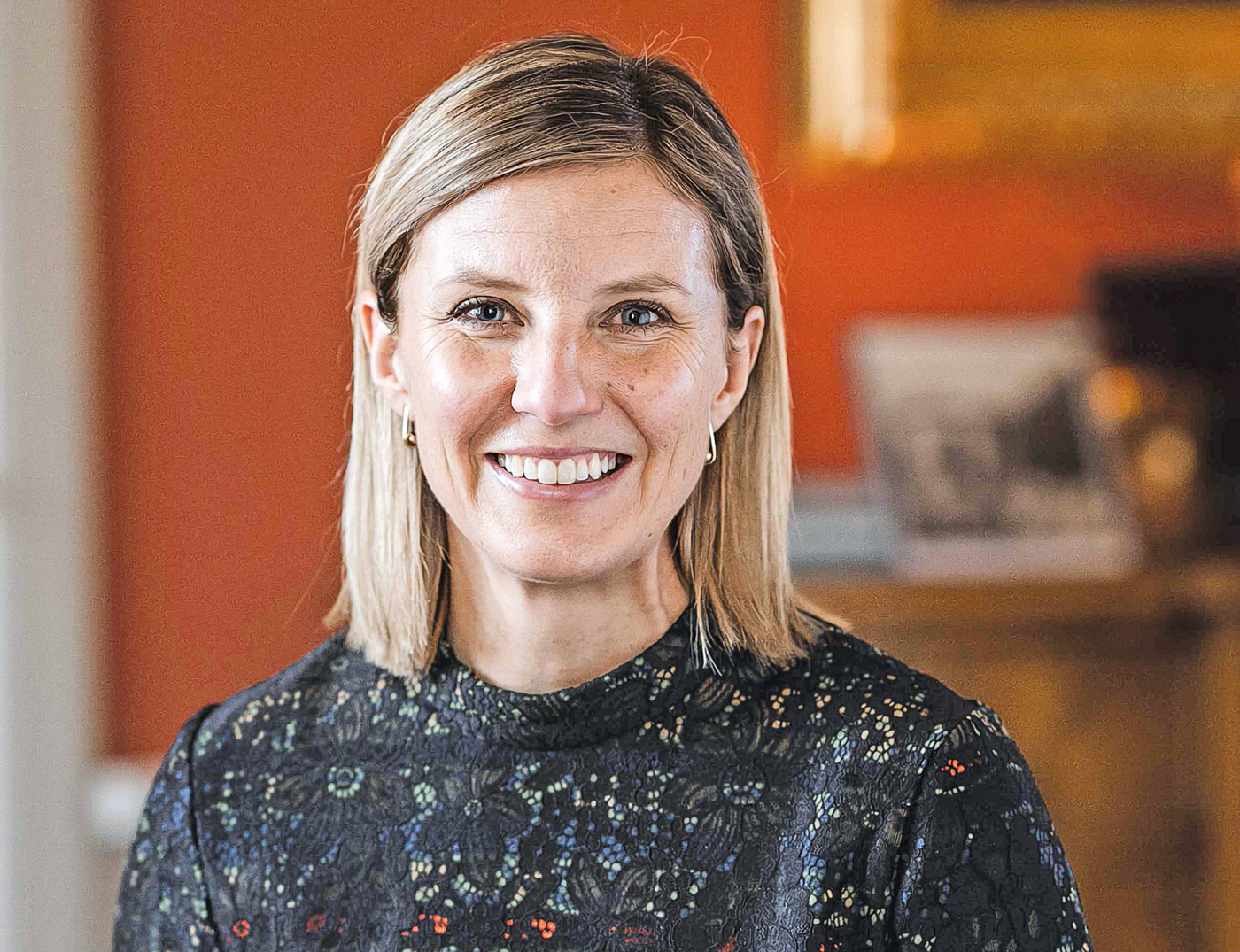
Rådström joins Daimler Trucks from Scania, where she has been a member of the executive board, responsible for sales and marketing, since 2019.
She started at Scania as a trainee in 2004 after graduating with a Master of Engineering in Industrial Management from the Royal Institute of Technology in Stockholm. Since 2007, she has held various managerial positions within Scania’s sales and service organisation – including being the head of the company’s bus and coach business. She also started the company’s connected vehicle business.
“We are very pleased to welcome Karin to our global leadership team,” says Martin Daum, a member and chairman of the board of management at Daimler Truck AG. “She has a wealth of international experience in the commercial vehicles industry and a proven track record in shaping a customer-focused sales organisation and brand experience.”
Published by

focusmagsa