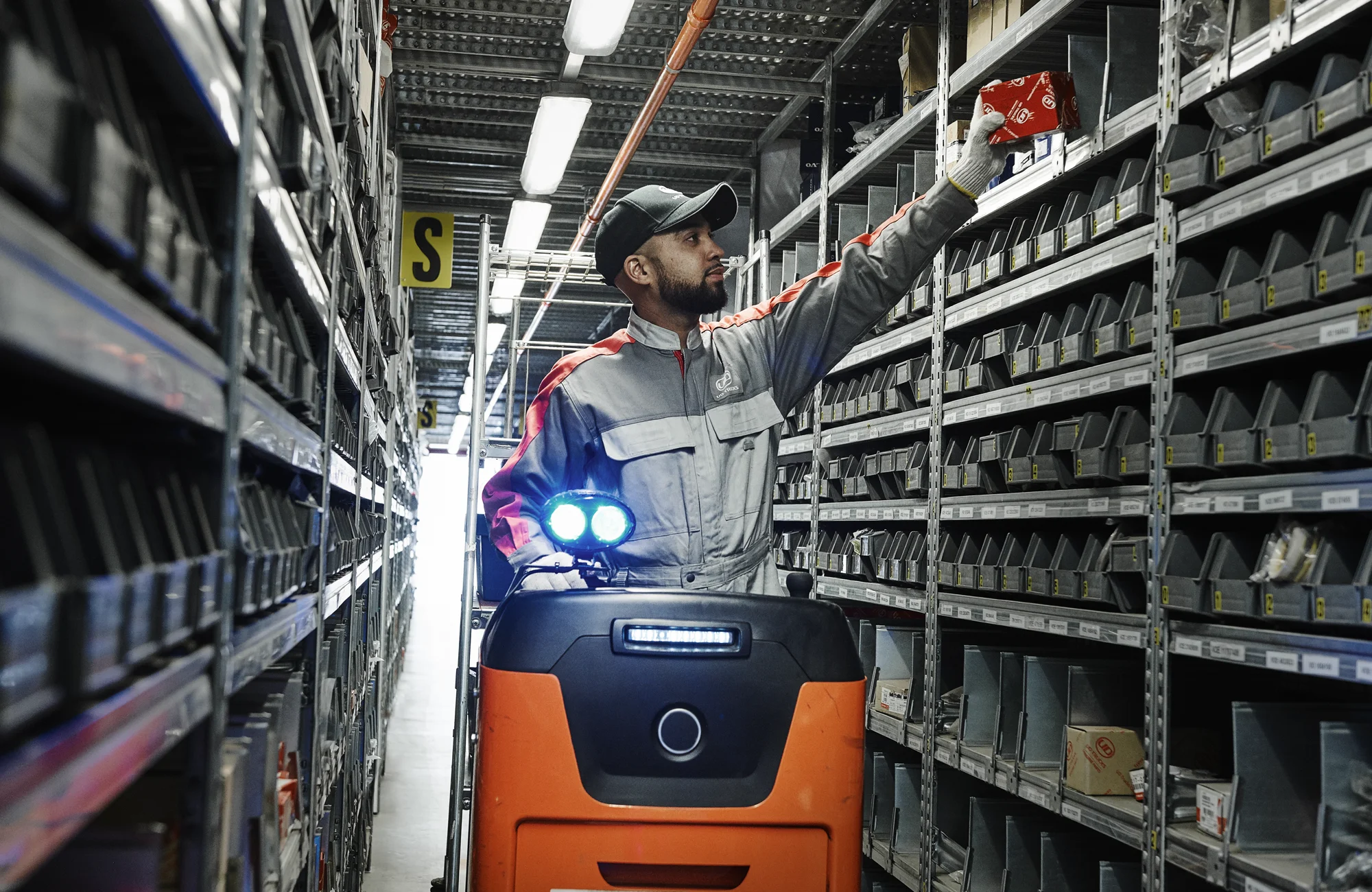
Keeping trucks productive takes more than good workshop support. UD Trucks explains how smarter vehicle selection, data, maintenance, parts and drivers protect long-term fleet profitability.
Every hour a truck stands idle represents lost revenue, missed deliveries and mounting operational costs. According to Sanjay Naipal, aftermarket director at UD Trucks Southern Africa, protecting uptime requires a strategic approach that begins long before a vehicle enters the workshop.
Profitability depends on keeping vehicles on the road safely and efficiently – and Naipal stresses that uptime begins long before a breakdown occurs. “Customers are not simply buying a truck. They are investing in the vehicle, support network, maintenance strategy, parts supply and technology that keep it productive,” he says.
Naipal believes vehicle choice is the starting point. “Selecting the right truck for the application directly affects payload, fuel efficiency, safety, maintenance and operating costs,” he explains.
Different applications place different demands on a vehicle. “The truck must be matched to the work it will perform. A poor match can undermine productivity throughout its life,” he tells FOCUS.
Matching trucks to applications
UD Trucks’ Quon is positioned for long-distance and extra-heavy applications, combining fuel-efficient performance with the ESCOT-VI automated transmission, extended service intervals and safety features.
“With the UD Trucks Quon, the objective is to balance performance, fuel consumption, safety and uptime,” says Naipal. “Power is important, but operators also need predictable servicing and technology that supports efficient driving.”
The UD Trucks Quester is intended for tougher environments, including challenging terrains, heavy loads and long operating hours. Its GH11 and GH8 engines deliver high torque at low engine speeds. “In many African operations, trucks work under demanding conditions,” Naipal notes. “They need pulling power, durability and fuel efficiency without compromising reliability.”
The UD Trucks Croner suits distribution applications including FMCG, retail logistics, beverage transport, municipal services and specialised bodies. “Distribution fleets need flexibility,” he says. “A truck may face congestion, repeated stopping, tight schedules and different body requirements. It must support productivity across all those conditions.”
Turning data into action
UD Connected Services uses ECU-based telematics, predictive analytics and AI to monitor vehicle health, fuel use, driver behaviour and utilisation. “Data only creates value when it helps the operator make a better decision,” says Naipal. “Fleet managers need to know where fuel is being lost and when maintenance is required.”
The My UD Fleet dashboard enables operators to review performance and identify areas requiring attention. “We can use vehicle and driver information to move from reacting to problems towards preventing them. That is where connected services become a practical fleet management tool,” he elaborates.
Planning maintenance properly
Naipal says maintenance should reflect operating conditions. Predictive maintenance, workshop planner scheduling and tailored servicing allow work to be planned before failures occur. “The aim is to turn unplanned stops into planned stops,” he explains. “A scheduled maintenance stop can be prepared for; an unexpected breakdown affects deliveries, customers, revenue and fleet planning.”
UD Trust Service Agreements are designed to provide predictable maintenance costs while ensuring that the vehicle is serviced at the recommended intervals. This helps extend component life, maintain optimal vehicle performance, and reduce the chances of unexpected downtime.