RTX 2026: The trucks and technology that stole the show

RTX 2026: The trucks and technology that stole the show

From strongmen hauling trucks to trailers charging electric vehicles, RTX 2026 delivered spectacle and substance. CHARLEEN CLARKE explored the machines, ideas and exhibitors shaping road transport’s next chapter in Britain.

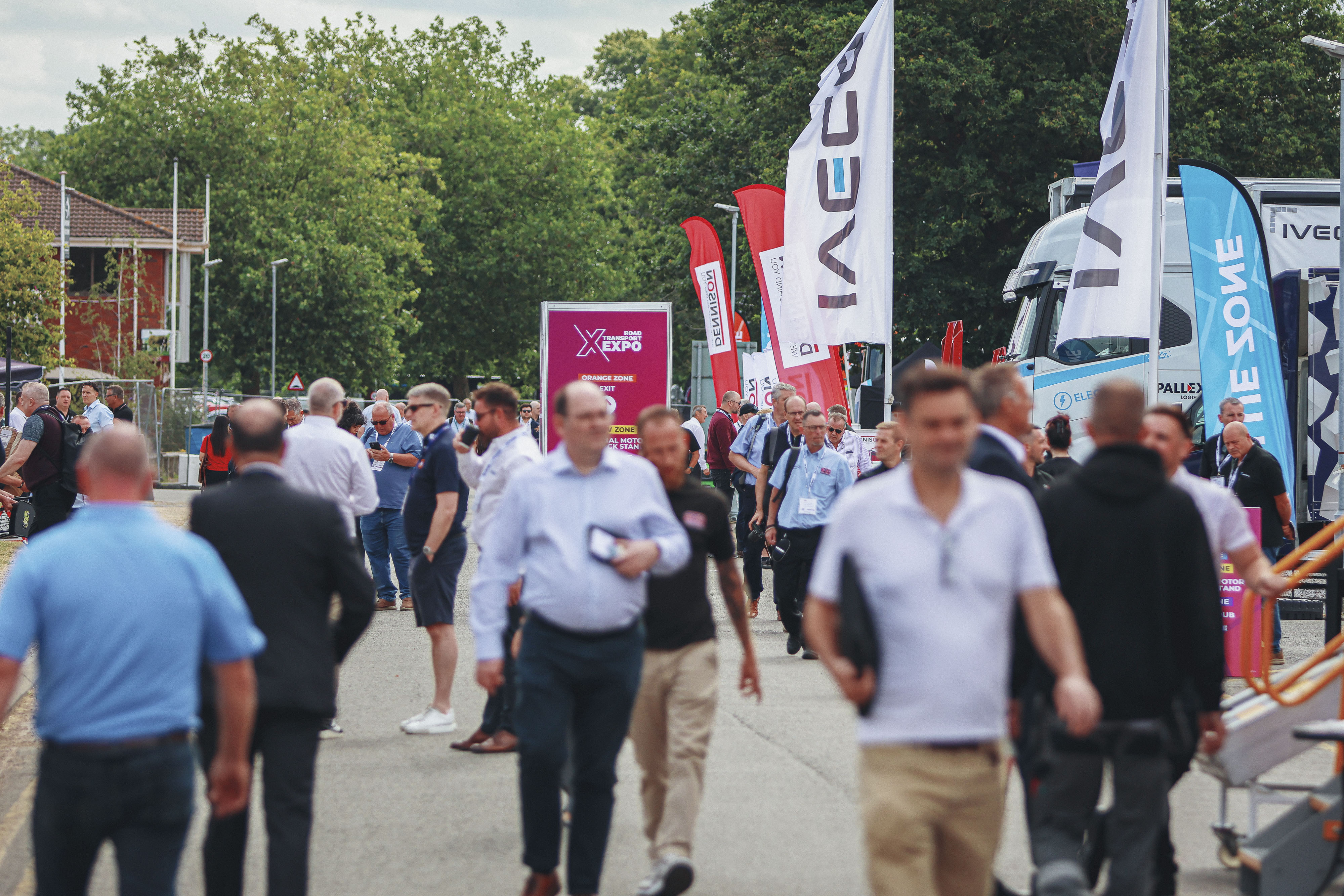
The sun was blazing, the trucks were polished and over 13,000 visitors poured into NAEC Stoneleigh in Warwickshire for Road Transport Expo 2026.

Now in its fifth year, RTX has grown into far more than a display of shiny vehicles. From 30 June to 2 July, more than 330 exhibitors filled the halls and outdoor areas, supported by a three-day conference programme and the popular “Ride & Drive” experience.

The show’s brilliance came from mixing serious engineering with genuine theatre. Visitors could inspect electric trucks, unusual trailers, safety systems and fleet technology, then turn a corner to find a strongman pulling an Iveco or a recovery truck sporting a tribute to the Rocky films.

A strong start from Iveco

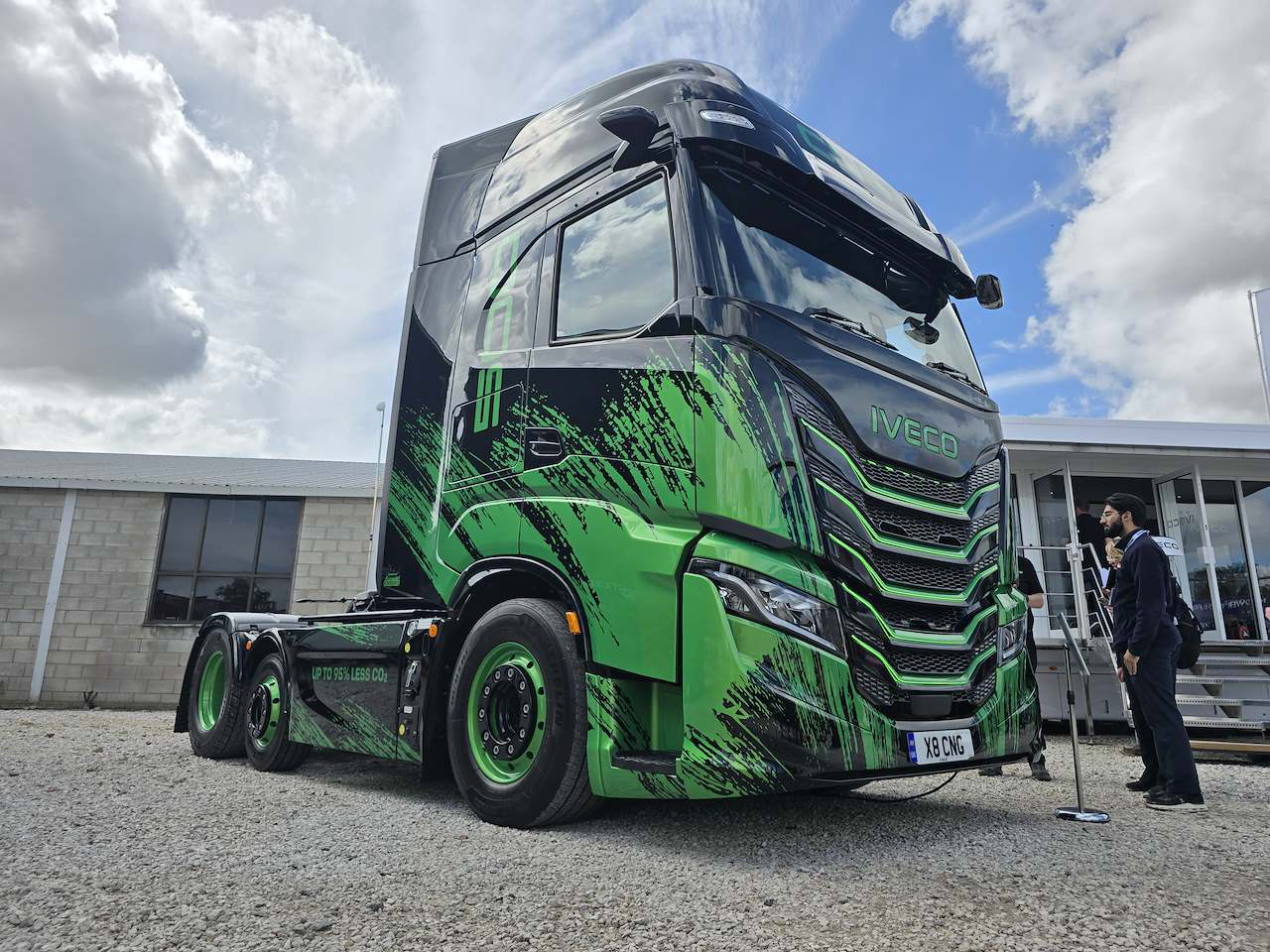
Iveco supplied one of the show’s most memorable moments when two-time “Britain’s Strongest Man” Adam Bishop interrupted the company’s presentation to ask for a truck to be moved. His solution was unconventional. Bishop pulled more than nine tonnes of Iveco S-Way the length of the stand while the crowd watched. The truck itself was equally interesting. The 6×2 compressed natural gas (CNG) model was developed with a lengthened chassis and rear-steer axle for Abbey Logistics, which operates it for British Sugar. The layout improves manoeuvrability and stability without trailer-mounted stabiliser legs.

Iveco also displayed its full electric line-up and the “Force of Nature” show truck, a pure-gas 6×2 designed to accommodate full-length trailers at a 44-tonne gross combination weight.

A jewel in the RTX crown

Few trucks drew as much attention as DAF’s XG+ Emerald Edition. Finished in Forest Dawn green, the limited-production flagship proved that a working truck can still provide a little theatre.

Only 100 will be built, each with its own production number. The exterior combines deep-green paint with high-gloss black detailing, Alcoa Dura-Bright wheels, front and rear air suspension and twin fuel tanks.

The theme continues in the interior through coordinated curtains, mattress trim, floor mats and detailing beneath the upper bunk. Buyers receive a matching duvet cover, memory-foam pillow and leather toiletry bag. There is also a microwave, a Climate Pack and DAF’s Night Lock.

The specification of the vehicle is more important than the decoration, however. The XG+ retains the PACCAR MX-13 engine, DAF Digital Vision System, Corner View and driver-assistance technology that are expected from the New Generation range. 

The Emerald Edition will not come to South Africa, but the platform beneath it will. The XF and XG are due to enter the local market, giving operators access to the cab design, visibility, safety systems and aerodynamic thinking that helped the range win the 2022 International Truck of the Year title.

Old favourites meet new thinking

Renault Trucks placed its latest vehicles beside a restored AE 380.19 TD Magnum, which was was the first production truck with a completely flat floor and walk-around interior, making it an important part of truck design history.

Nearby, Renault’s E-Tech T joined the Ride & Drive programme. Powered by six 90-kWh batteries and three electric motors, it allowed visitors to experience, rather than simply study, a battery-electric heavy truck.

Mercedes-Benz also mixed history with modern machinery: a 1997 Actros MP1 – once used as a Formula One support vehicle for David Coulthard – stood opposite an Actros L ProCabin. The display ranged from an electric eEconic refuse truck to an Arocs tridem mixer and a heavy recovery vehicle.

Scania added more showmanship. Its exhibits included a 660S recovery truck in Rocky-themed livery and one of the autonomous combinations used in a Red Bull stunt, during which mountain biker Matt Jones jumped between two moving trailers pulled by driverless Scanias.

New trucks with practical intent

Isuzu Truck UK presented what it called the biggest change to its range in three decades. The new P700 family included 3.5-, 7.5- and 13.5-tonne chassis with narrow, day and crew cab options. The revised N-Series, meanwhile, introduced a nine-speed dual-clutch transmission intended to provide stronger performance without the mass of a larger engine. Blind-spot information, distance warning, traffic-sign recognition and tyre-pressure monitoring were among the safety additions.

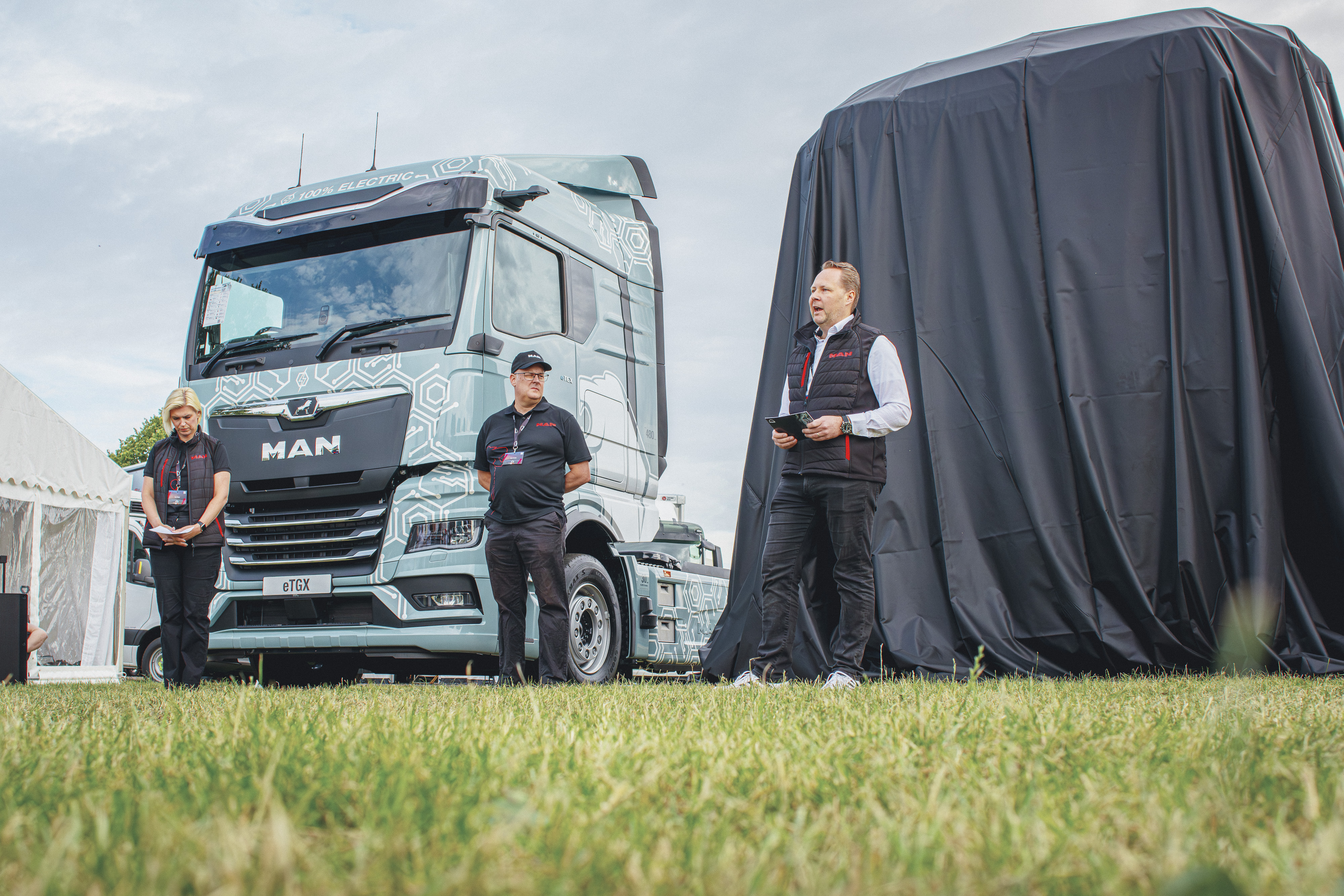
MAN’s announcements included the first right-hand-drive eTGL 12-tonner, making its world debut. MAN claimed a realistic daily range of 600km when suitable mid-shift charging is available. Its TGX EfficientLine+ was configured for economy, while the Eclipse option focused on driver appeal.

Volvo displayed customer vehicles including a DHL FH Aero powered by liquefied natural gas, reflecting the varied routes manufacturers are taking towards lower emissions.

Test drives galore

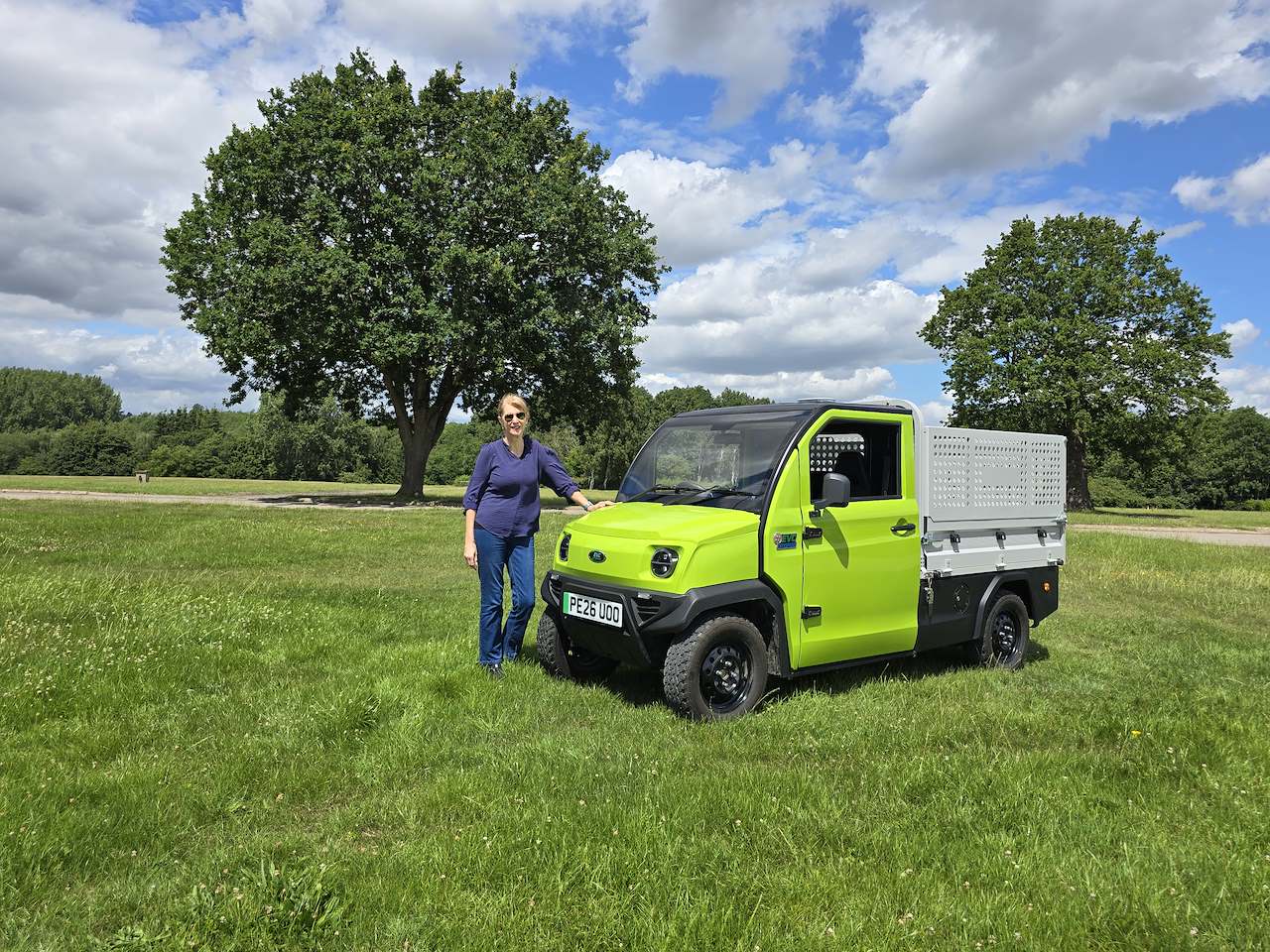
There were lots of test vehicles to take for a spin – and we took full advantage of this opportunity! The highlight was taking British start-up Electric Van Company’s (EVC’s) new CitySprint for a drive – we reckon that this compact electric van could prove an interesting option for urban delivery operations.

The CitySprint range has been developed for the urban micro-logistics sector. The L7e-class vehicles are assembled in Nelson, Lancashire, using internationally sourced components.

The CitySprint is powered by a 20-kW electric motor and has a top speed of 46mph (about 74km/h). Its 23-kWh lithium iron phosphate battery provides a claimed driving range of up to 120 miles (around 193km) while carrying a payload of between 500 and 600kg.

One of its most practical features is the ability to charge from a standard 13-amp domestic socket using the onboard 3.3-kW Type 2 charger. According to EVC, charging from 20 to 80% takes less than five hours. The battery is covered by a four-year/20,000-km warranty. EVC expects it to deliver between 3,000 and 4,000 charging cycles, which could equate to roughly 10 years of operation.

The trailer becomes a power source

One of the most unusual ideas came from Berkeley Coachworks. Its e-trailer concept places six battery modules in the chassis, providing 184kWh of capacity. A driver could connect the trailer to an electric truck during a mandatory rest break, allowing it to recharge the truck where a conventional charging point is unavailable. A future version may use a lighter chassis and composite wheels to offset the battery mass.

NewPower approached electrification differently. The Wrightbus division displayed a conversion that transforms an existing diesel-powered 18-tonne rigid into a battery-electric truck while retaining its body and specialist equipment. The prototype used a DAF LF donor vehicle. The conversion costs about £120,000 (around R2.67 million) and can reportedly be completed in roughly eight days. For operators with expensive bodies or equipment that outlast the original driveline, the principle is intriguing.

Quiet refrigeration and clever backloads

Sunswap’s electric refrigeration unit provided a quieter surprise. Combined with solar panels on the trailer roof, the system is designed to replace a diesel refrigeration unit without a major size or weight penalty. Its low noise could be as important as its energy source. During one RTX conversation, a visitor asked for the unit to be switched on, only to discover that it had been running throughout the discussion.

Reefer Trailer Centre displayed a clever response to empty running. Its Chereau refrigerated trailer was designed to deliver motorcycles, using seven floor tracks to secure them, then return with chilled or frozen cargo as a backload. It showed that efficiency can come from better utilisation rather than dramatic technology.

Small inventions with large consequences

Some of the smartest products addressed everyday risks. Durite’s low-bridge detection system, for example, uses a camera and AI to read height-limit signs up to 200m ahead. It compares the restriction with the vehicle height entered by the driver and combines this with GPS data and a database covering about 2,000 low bridges.

FleetSafe targeted smaller vehicles that strike roller shutters, car park barriers and overhangs. Its AI-based system alerts the driver within 50m when the vehicle is too high.

FastView360 found a way to record video from factory-fitted digital mirrors. Its decoder can capture feeds from DAF’s mirror cameras, Corner View and driver-facing camera, storing footage for up to eight weeks without interfering with the live display.

For parked vehicles, ACSS demonstrated an AI security system that monitors fuel tanks, curtains, doors and cargo access points. A low-power mode allows the system to continue monitoring for up to 90 days after the ignition is switched off.

Payload, downtime and workshop reality

Several exhibitors concentrated on weight. Fruehauf, for example, replaced the donkey engine on a blower trailer with a hydraulic system that is powered by the truck’s PTO, cutting about one tonne. Montracon’s modular dry-freight trailer, meanwhile, is 600kg lighter than its predecessor, while Don-Bur’s lifting-deck trailer can accommodate up to 52 UK pallets. 

Schmitz Cargobull’s S.BO PACE+ uses steel-skinned honeycomb side panels that can be replaced individually after damage, reducing repair time.

Axtec warned that electric vans can exceed axle limits even when gross mass appears legal. Its onboard system shows axle and total weight during loading, while its dynamic weighbridge can weigh a six-axle articulated vehicle in under 40 seconds.

Quicksilver Truck Linings showed how a less glamorous component can improve tipping safety. Its liner allows sticky loads to move at lower body angles, reducing instability and wear. Some liners, it said, have remained in use for 17 or 18 years.

FAMILIAR THEMES

Not every product at Stoneleigh would suit South Africa; some are viable in Britain only because of local regulations. Even so, the themes were familiar. Operators everywhere are trying to carry more payload, use less fuel, protect drivers, reduce downtime and make expensive equipment last longer. They are also weighing up diesel, gas, battery-electric and hydrogen options without knowing which will dominate different applications.

Metier Technologies captured that uncertainty with a hydrogen-powered DAF LF and a plan to provide depot refuelling infrastructure alongside converted trucks. Its argument was simple: instead of waiting for the fuel network, create the vehicles and supply together.

RTX succeeded because it did not present one neat answer to transport’s future. Instead, it offered hundreds of competing ideas, from a green collector’s DAF to a replaceable trailer panel, a camera decoder and a fridge unit so quiet that nobody realised it was running.

That mixture of spectacle, engineering and practical problem-solving made RTX 2026 a truly memorable show – and ensured there was something worth discovering in almost every aisle. I can’t wait for next year! 

Published by

Charleen Clarke

CHARLEEN CLARKE is editorial director of FOCUS. While she is based in Johannesburg, she spends a considerable amount of time overseas, attending international transport events – largely in her capacity as associate member of the International Truck of the Year jury, member of the International Van of the Year jury, judge of the International Pickup Award, judge of the Truck Innovation Award, judge of the Truck of the Year Australasia, and IFOY Award jury member.
Prev When good oils go bad
Next Revealed: the world’s best trucks, vans and innovations

Leave a comment

This site is protected by reCAPTCHA and the Google Privacy Policy and Terms of Service apply.