Finalists announced for 2026 IFOY Award
Finalists announced for 2026 IFOY Award
A total of 13 products and solutions from eight nations have reached the final round of the 2026 IFOY Award, while four companies are competing for the “IFOY Start-up of the Year” Award. The finalists will undergo the IFOY Audit at the Test Camp Intralogistics in the Westfalenhalle Dortmund during April 2026.
The eagerly anticipated finalists for the International Intralogistics and Forklift Truck of the Year (IFOY) Award 2026 have been announced. A total of 49 entries were submitted for this global innovation competition, and 17 products and solutions from eight countries have progressed to the finals in Dortmund. The nominated innovations come from Crown, idealworks, Jungheinrich, KNAPP, Libiao Robotics, Locus Robotics, Mobotic, Nomagic, PureLoX SOLUTIONS, SSI Schäfer, STILL, The Mobile Robot Company and Wiltsche Fördersysteme.
In the spin-off award, “IFOY Start-up of the Year”, AI2Connect, Koiotech, Pyck and Romb Technologies are competing for the title.
The entries were evaluated over a six-week period to determine the panel of finalists. “Artificial intelligence (AI) has arrived in intralogistics – as a practical tool with clear benefits, not as an end in itself. It is no longer just start-ups delivering disruptive solutions: established manufacturers, hidden champions and mid-sized companies are demonstrating how innovation works today. The IFOY Audit is going to be a thriller,” says Anita Würmser, chairperson of the IFOY Jury. This sets the stage for intensive discussions before the winners’ trophies are presented on 25 June in the atrium of IFOY event partner AEB in Stuttgart.
Two integrated customer solutions reach the final
The pinnacle of integrated customer solutions demonstrates in practice what AI and automation can achieve today: Jungheinrich at Liebherr and Locus Robotics at The Quality Group.
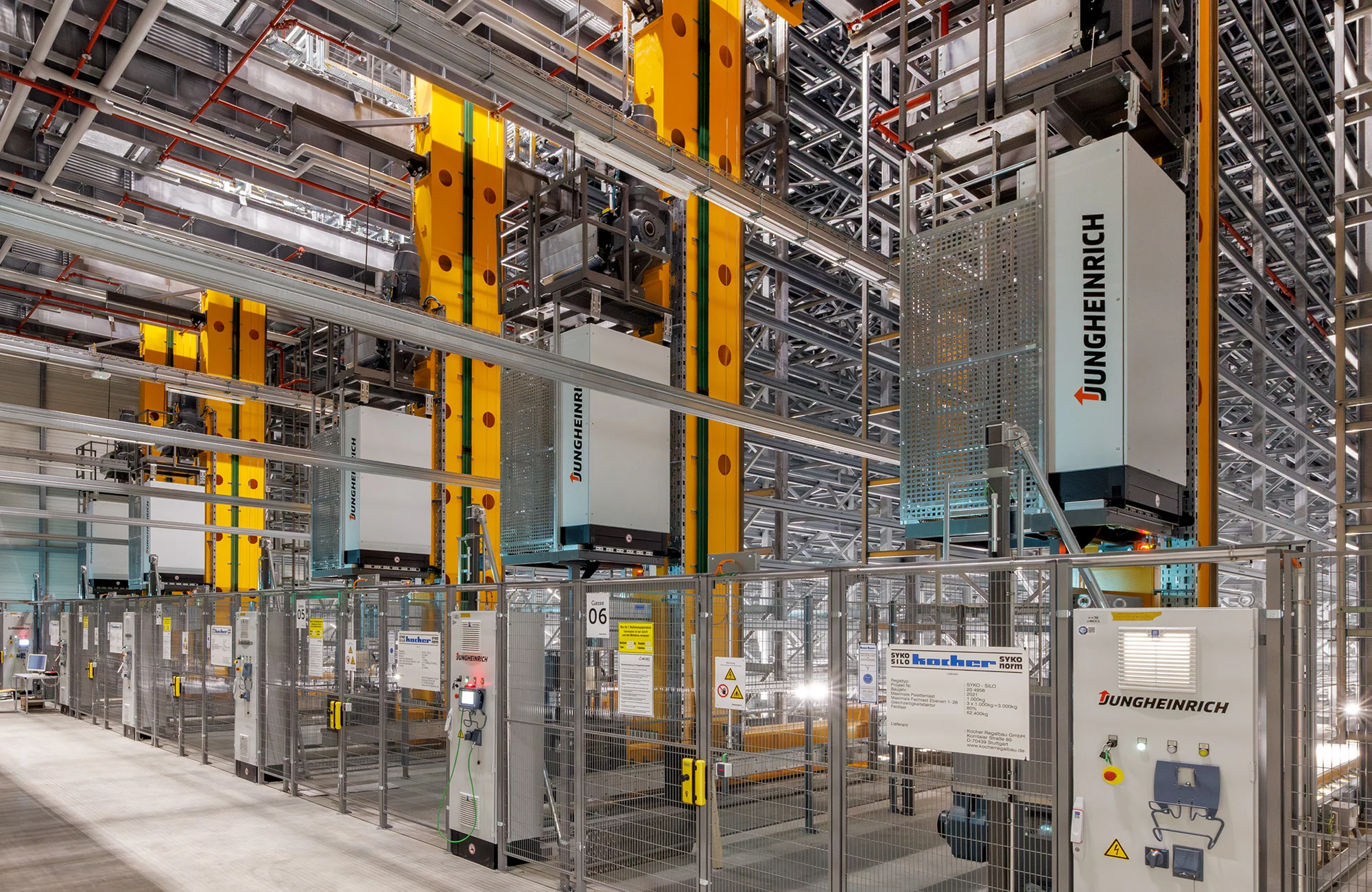
At its headquarters in Ehingen, Liebherr has built a new central spare parts warehouse that has consolidated the global spare parts supply for cranes since April 2025. Here, around 90,000 items are processed using the AI-based warehouse management system (WMS) from Hamburg intralogistics specialist Jungheinrich. The WMS controls both the pallet high-bay warehouse (with 18,000 storage locations) and the small-parts shuttle warehouse (with 40,000 bin locations), as well as nine manual storage areas.
The Jungheinrich “Data Center” module plays a central role in managing the time-critical cut-off times for shipping providers: the integrated AI calculates the optimal picking start time and automatically controls retrieval processes. Within the first few months, the system made more than 97,000 decisions based on over 830,000 forecasts. The result? More than 96% of picking processes were completed on time and manual interventions were reduced by over 80%.
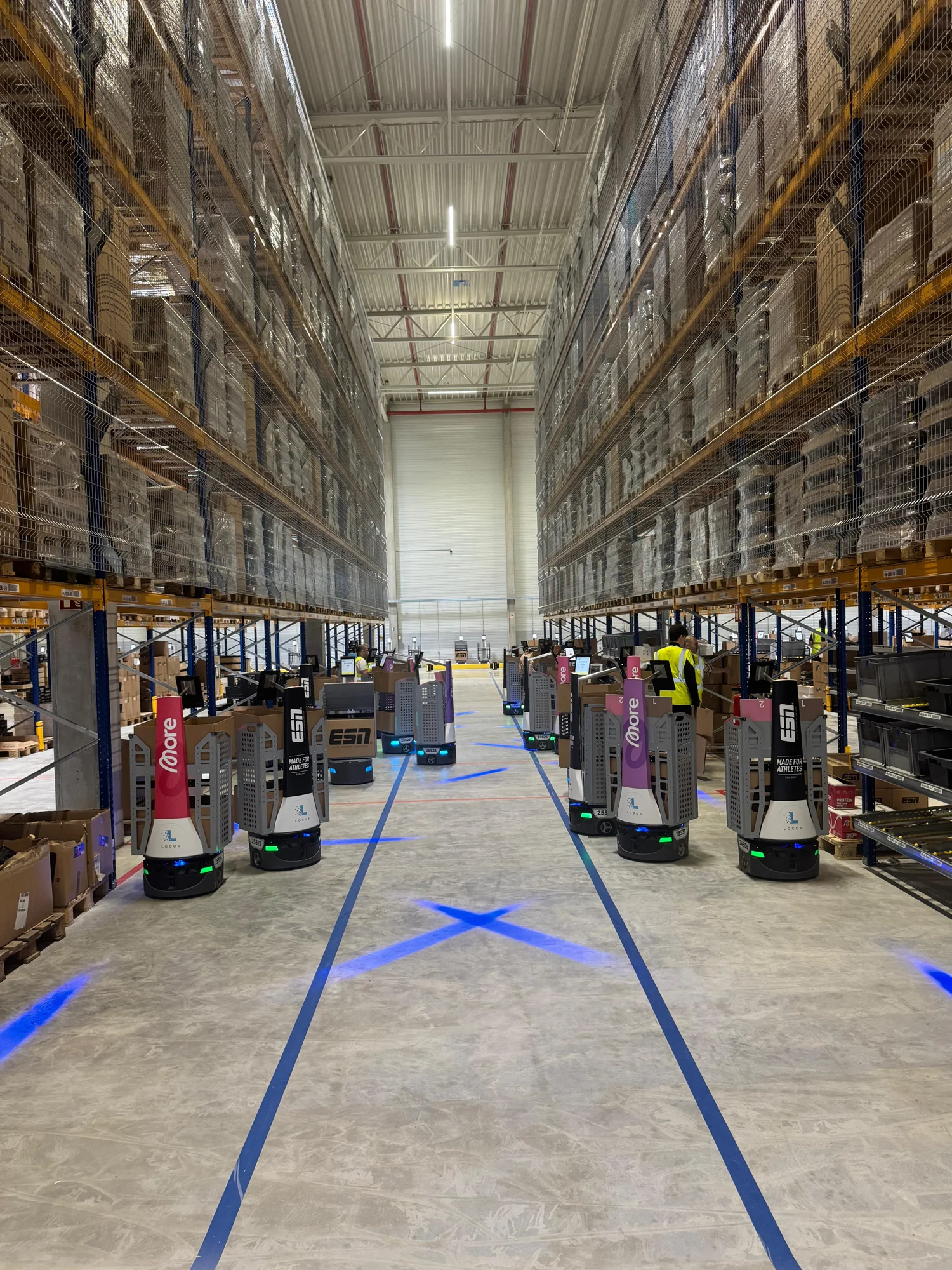
In Amsterdam, the US robotics company Locus Robotics implemented the LocusONE platform with 350 autonomous Origin autonomous mobile robots (AMRs) for The Quality Group (TQG) at its European headquarters in Elsdorf, integrating it with the TQG WMS. Across 40,000m2, the system orchestrates mobile robots and employees in real time. It scales capacity flexibly to 60,000 orders per day in a Robotics-as-a-Service model, and even higher during peak periods such as Black Week. The rollout was carried out in phases alongside infrastructure development and completed in under eight months – from go-live with around 40 robots to full-scale operation with approximately 350 units connecting three halls. The crucial e-commerce feature, LocusONE FastPick, dynamically groups robots at so-called pick walls to immediately handle sudden demand peaks without physical rearrangement. This allows the platform to respond flexibly to campaigns driven by influencers.
Three industrial trucks nominated for the final
This year’s finalists come from the USA, Germany and Denmark: Crown, STILL and The Mobile Robot Company showcase the innovative potential of classic forklifts and warehouse vehicles.
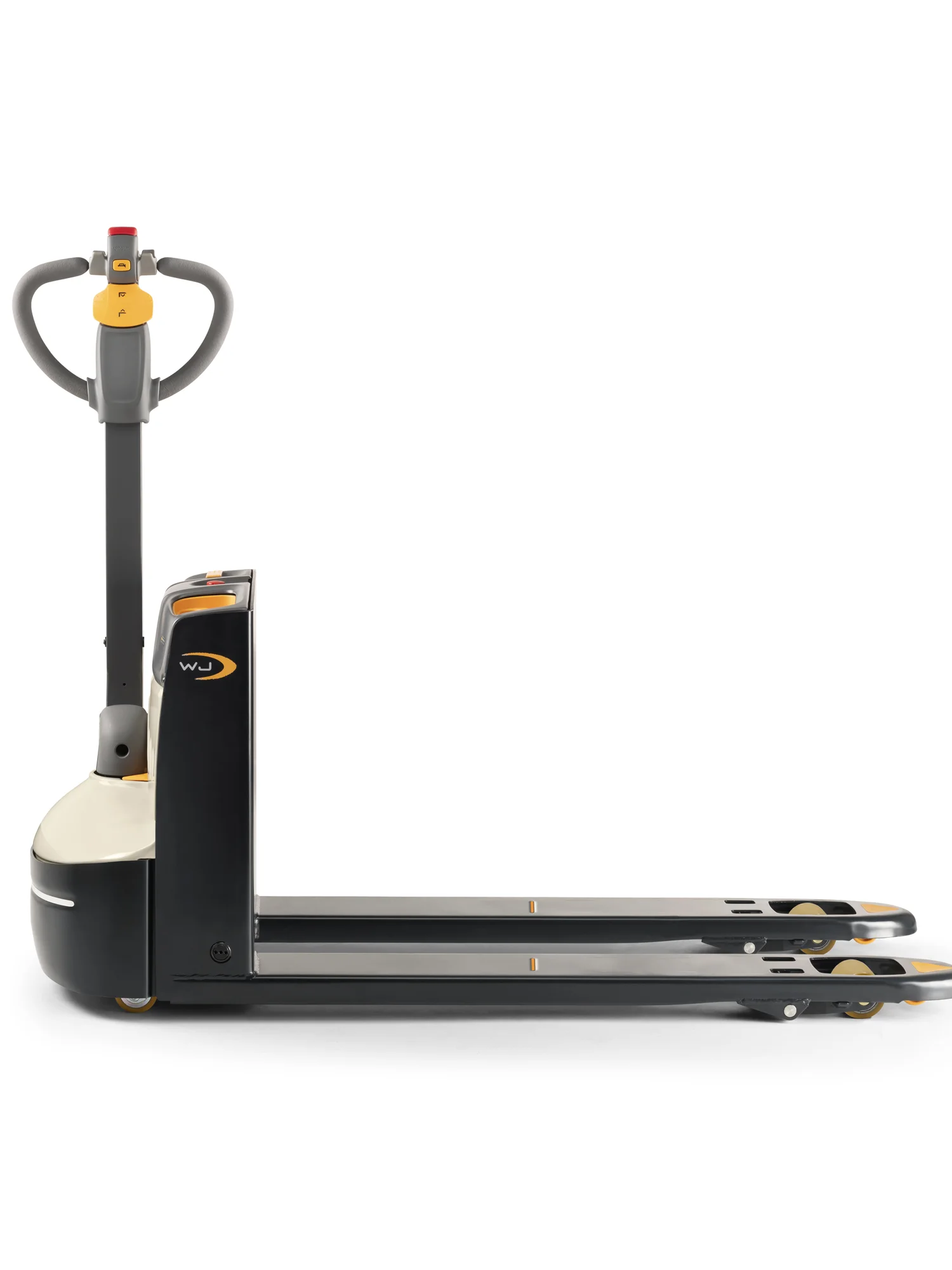
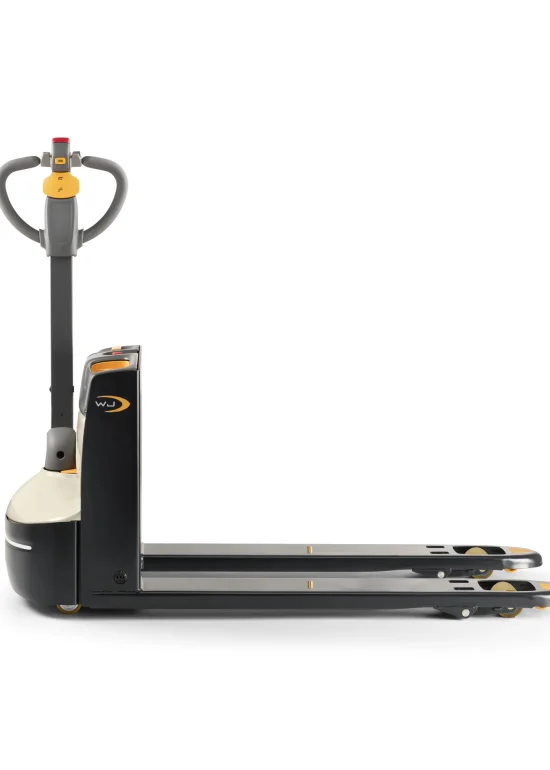
The new WJ 50 electric low-lift pallet truck by Crown impressed during the nomination phase as a modern electric alternative to manual pallet trucks. Its well-designed overall package combines Crown’s familiar ergonomic comfort with easy handling, intelligent battery management and a comprehensive warranty. Although lightweight, the truck can move loads of up to 1.5 tonnes. With a front overhang of only 370mm, it is also extremely manoeuvrable, making it ideal for confined environments such as retail and wholesale premises, truck loading operations or kerbside deliveries.
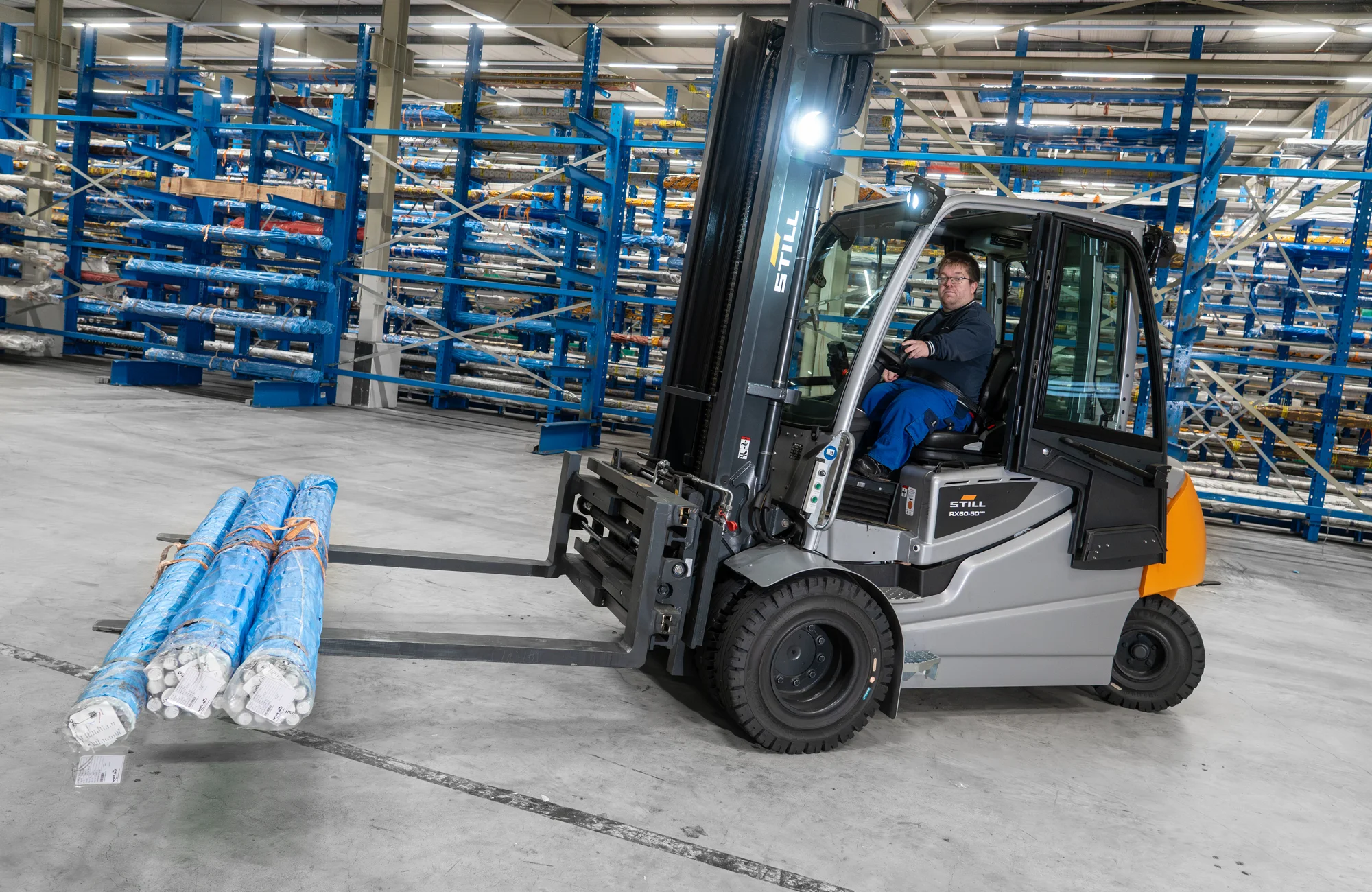
STILL demonstrates how true inclusion can work in intralogistics with a five-tonne forklift adapted for people of short stature without compromising performance or safety. The special version of the RX 60-50/600 electric forklift – developed together with Barrus Engineering for Voß Edelstahlhandel – features an electrically adjustable floor plate, customised access, additional handholds and hydraulic fork adjustment. At the push of a button, the forklift can be converted to standard configuration, allowing use by all employees. The conversion concept can also be transferred to other RX 60 models and existing vehicles.
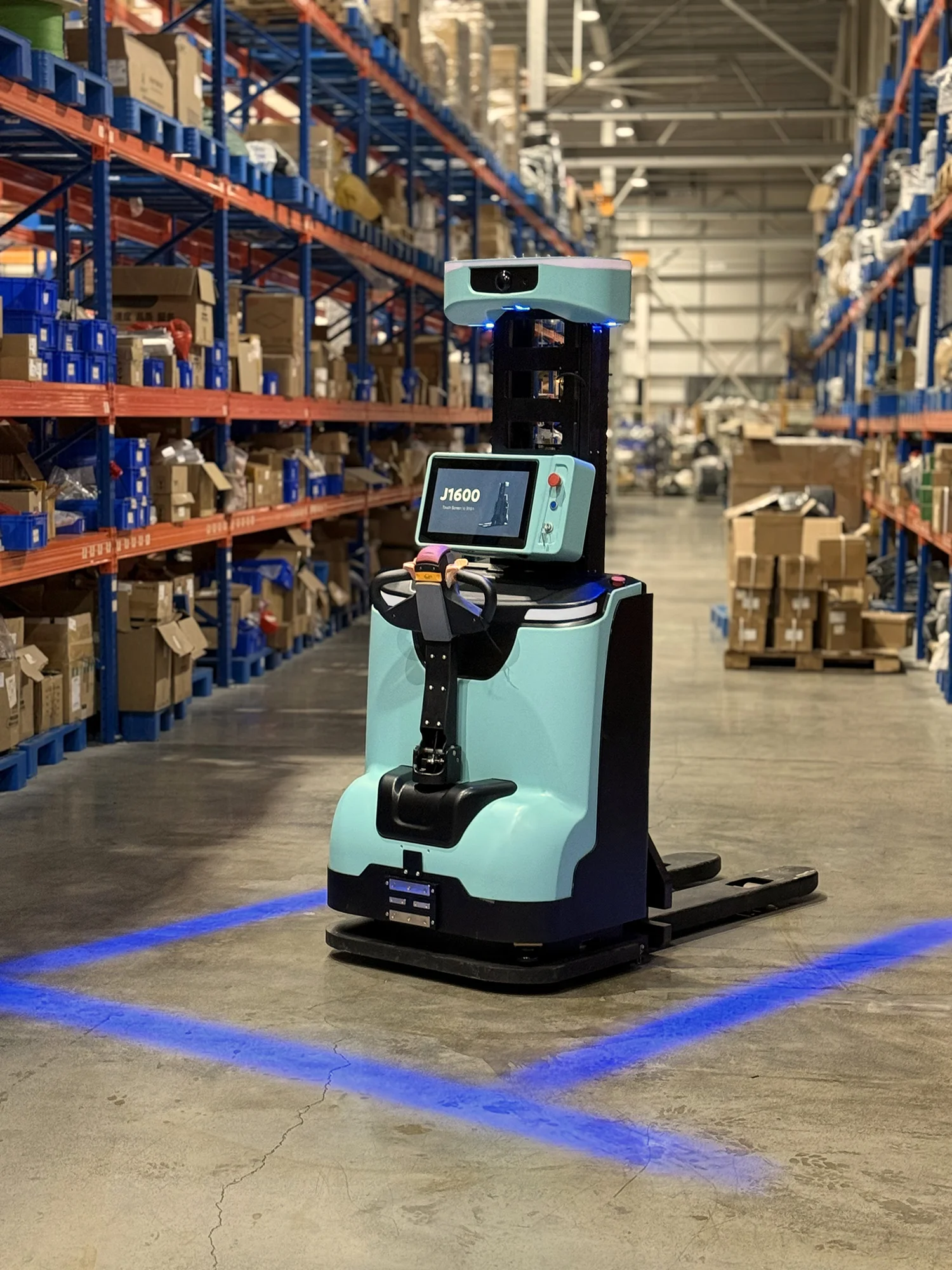
“Manual when you want it – autonomous when it makes sense”: The Mobile Robot Company’s dual-mode J1600 pallet truck has intuitive, high-quality robotic functionality. With a 1.6-tonne load capacity, it can be used as a conventional electric pallet truck or autonomously, based on 3D LiDAR localisation and mapping. Particularly for small and medium-sized manufacturing companies, warehouse operators and logistics service providers with one to five operators, the J1600 provides an accessible entry into automation, reducing manual labour by up to 80%.
Three finalists in the Robot Warehouse System category
Robotics remains one of the defining trends in intralogistics, with AI at its core. Libiao Robotics from China, SSI Schäfer from Germany and Nomagic from Poland impressed during the nomination phase.
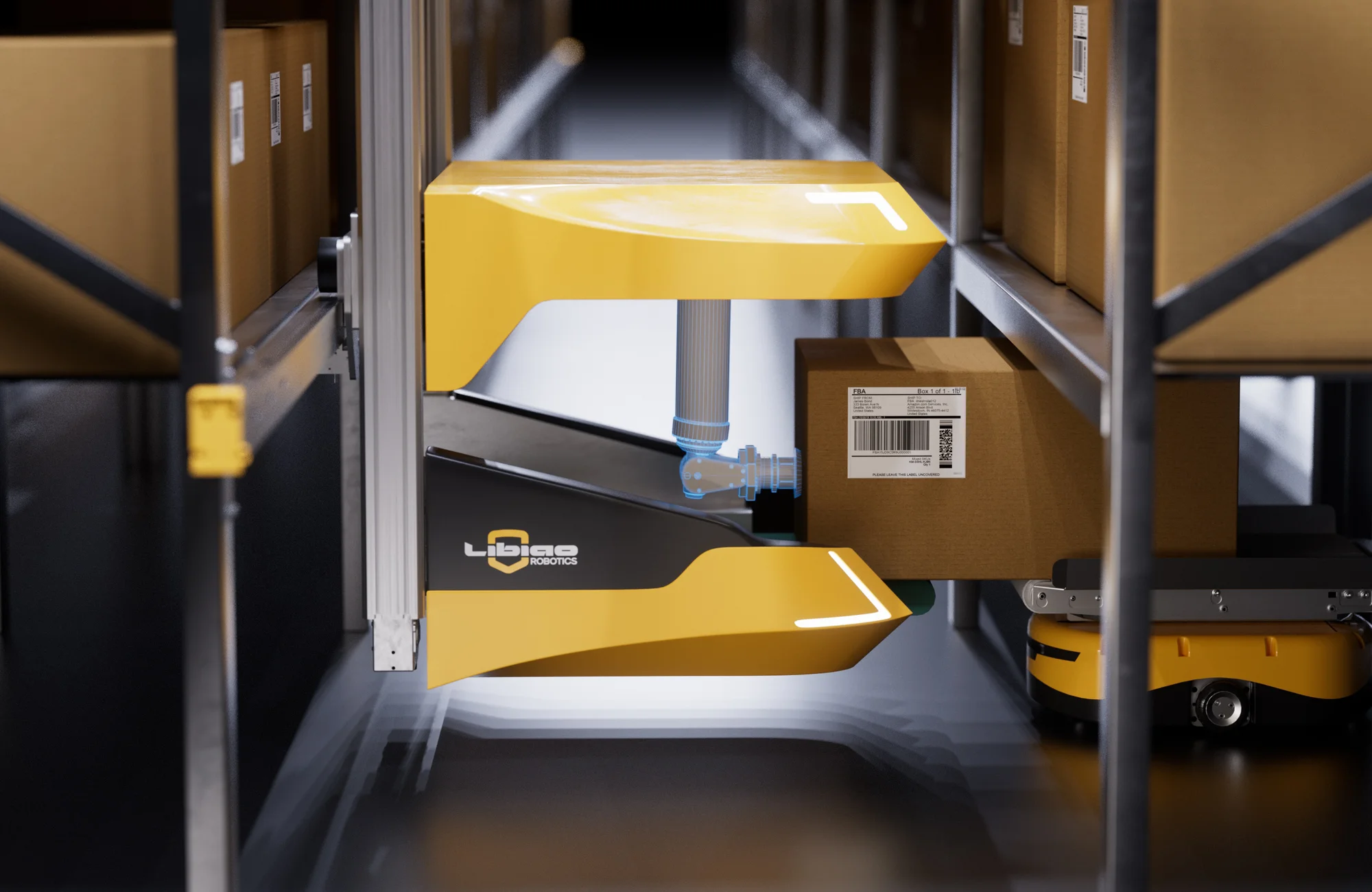
The AirRob PRO from Libiao Robotics is a climbing warehouse robot capable of handling both cartons and plastic bins directly from shelving without repacking. Its defining feature is the gripper mounted on the climbing platform, which rotates and enables bins to be picked up or deposited on either side of the aisle. This reduces the number of required workstations and in some cases can even eliminate them entirely. Dual suction technology, an integrated conveyor and a vision system ensure precise, gentle handling and high storage density. The scalable system operates on standard shelving; it is quick to implement, energy-efficient and ideal for dynamic e-commerce and third-party logistics applications.
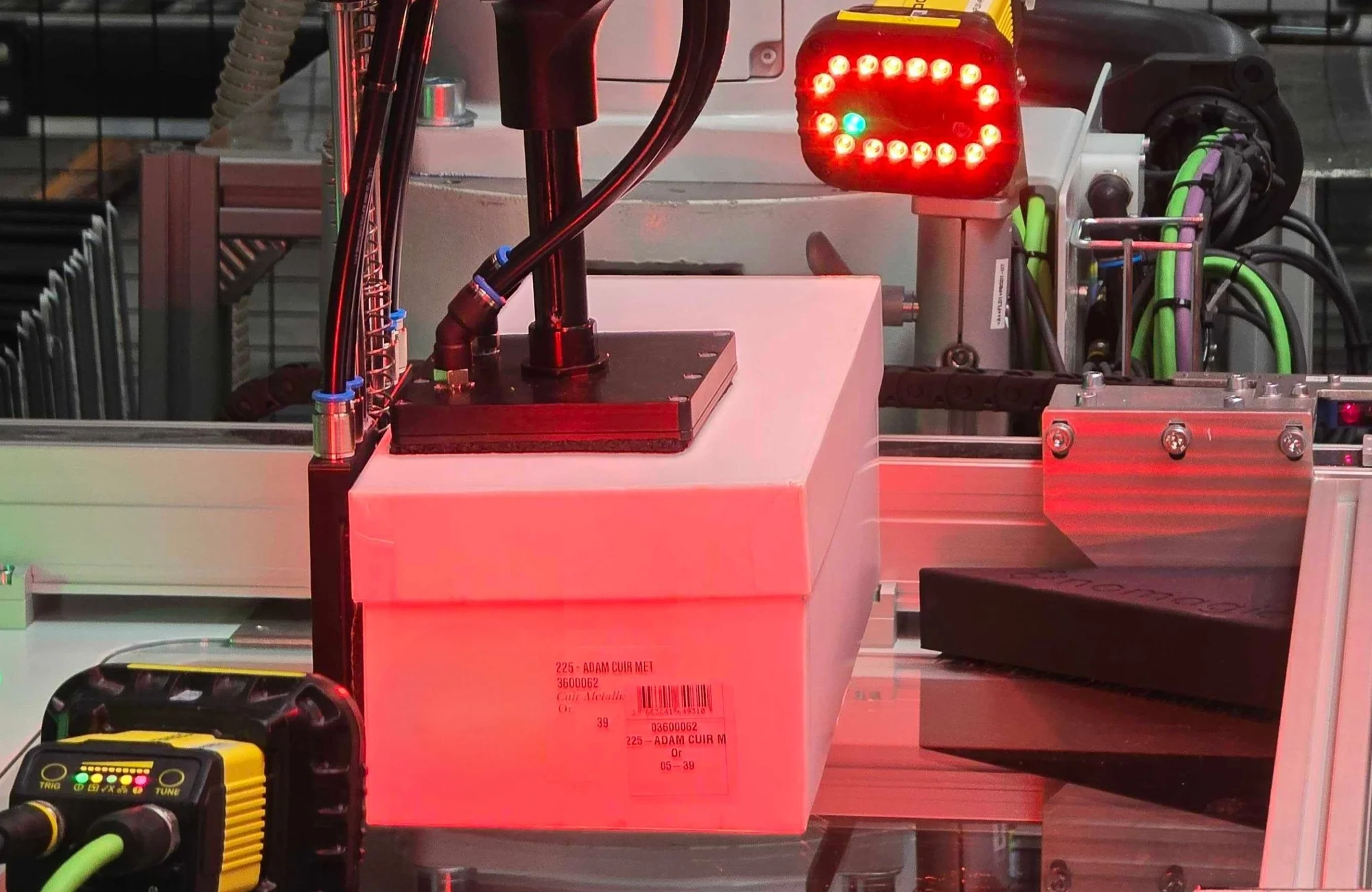
Automation meets shoebox handling with the Shoebox Gripper from Nomagic, introduced in January. It is the first robotic arm with a novel mechanical gripping mechanism capable of picking unsealed shoeboxes of all sizes, shapes and orientations. Supported by an AI-based perception system, the gripper identifies each item and controls the grip precisely, enabling the automation of previously manual picking and sorting processes. The potential is considerable: according to industry data, shoeboxes account for around 20% of all items processed in a typical fashion e-commerce warehouse.
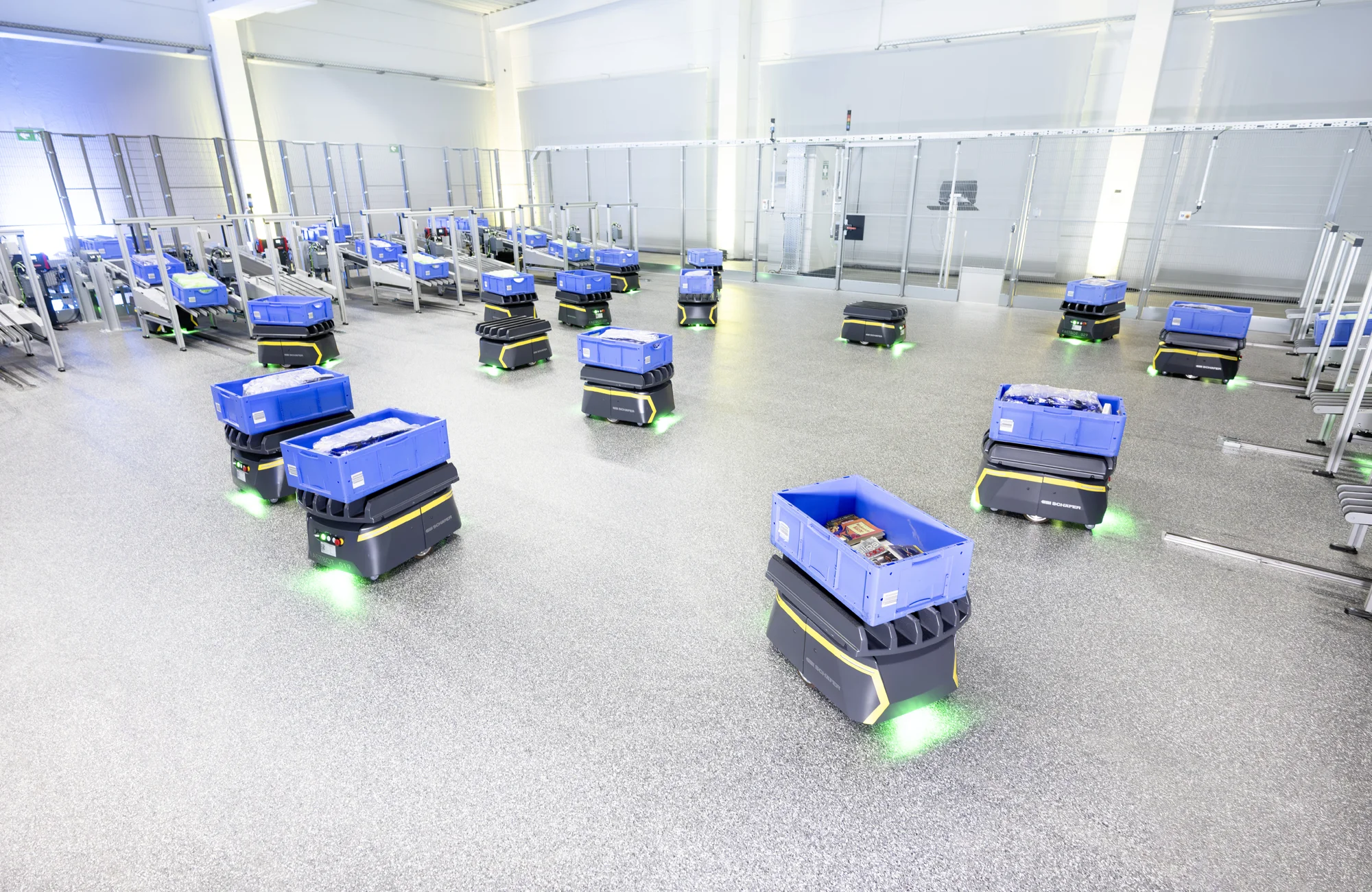
SSI Schäfer focuses on peak performance with its new FastBots Solution. This holistic concept replaces rigid conveyor technology with an autonomous shuttle fleet and seamlessly connects different warehouse types – shuttle, high-bay or small-parts warehouses – with workstations or palletising robots. Within just a few hundred square metres, the system achieves five-digit hourly throughput, covering peak loads in the e-commerce, fashion, grocery, pharmaceutical and contract logistics sectors. The solution scales from small warehouses to large distribution centres and can be expanded step by step with additional vehicles, workstations and charging infrastructure without interrupting operations.
Two Specials-of-the-Year finalists
With Mobotic and Wiltsche Fördersysteme, two German hidden champions are competing in the Special-of-the-Year category.
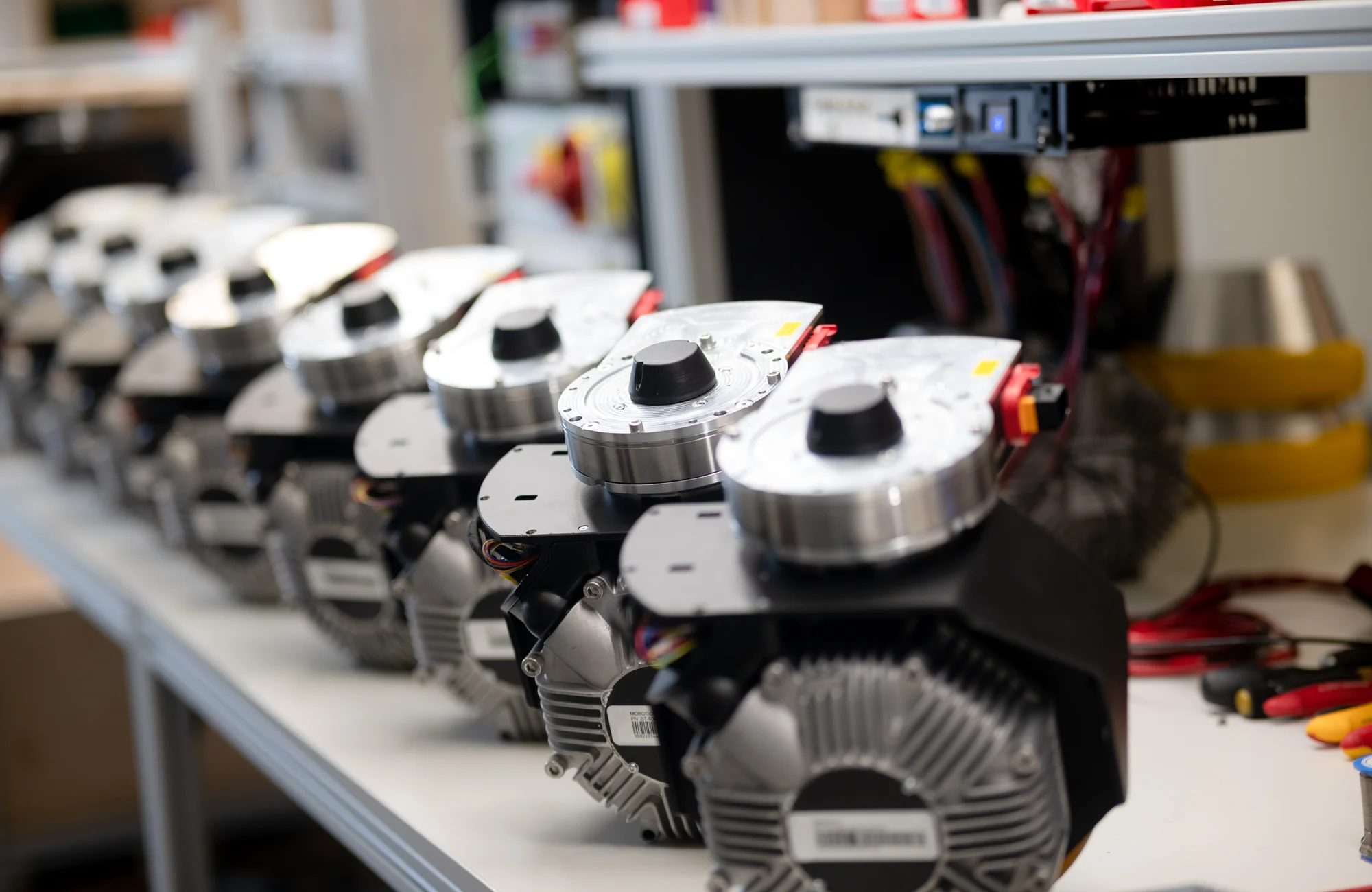
The MoboDrive ST from Mobotic is a steering-drive unit designed for highly manoeuvrable AMRs and automated guided vehicles (AGVs). This all-in-one component combines steering, drive, motor control, encoders and continuous 360-degree rotation in a sealed, compact and contamination-free module, replacing multiple individual components. Its enclosed design enables configurations that were previously impossible and provides a fast, hygienic solution ideal for electronics manufacturing, hospitals and the food and pharmaceutical industries.
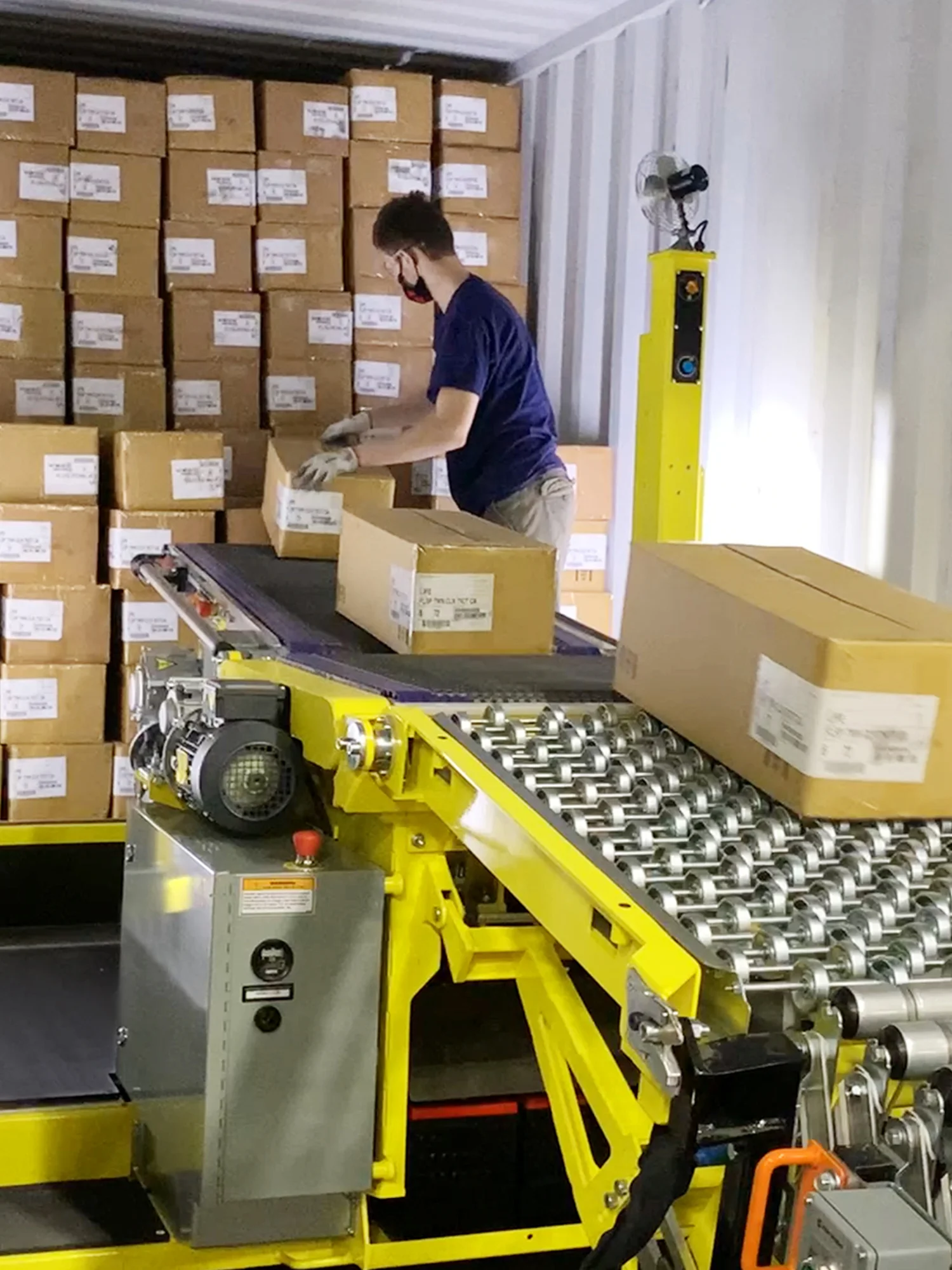
With Destuff-it, Wiltsche Fördersysteme has developed a mobile container unloading system that assists employees with loading and unloading packages weighing up to 74kg. Its key innovations include a flexible conveyor belt and excellent manoeuvrability – both inside containers and within the warehouse. The unit is height-adjustable, making manual lifting largely unnecessary. Battery operation allows easy movement between loading bays, increasing throughput by up to 100% while significantly reducing injuries. It represents a practical precursor to full automation, particularly suited to e-commerce, contract logistics providers and large shipping operations.
Three solutions nominated in the Intralogistics Software category
Software has always played a crucial role in logistics, and now “AI inside” is driving disruptive innovation. The finalists from idealworks, KNAPP and PureLoX SOLUTIONS demonstrate this clearly.
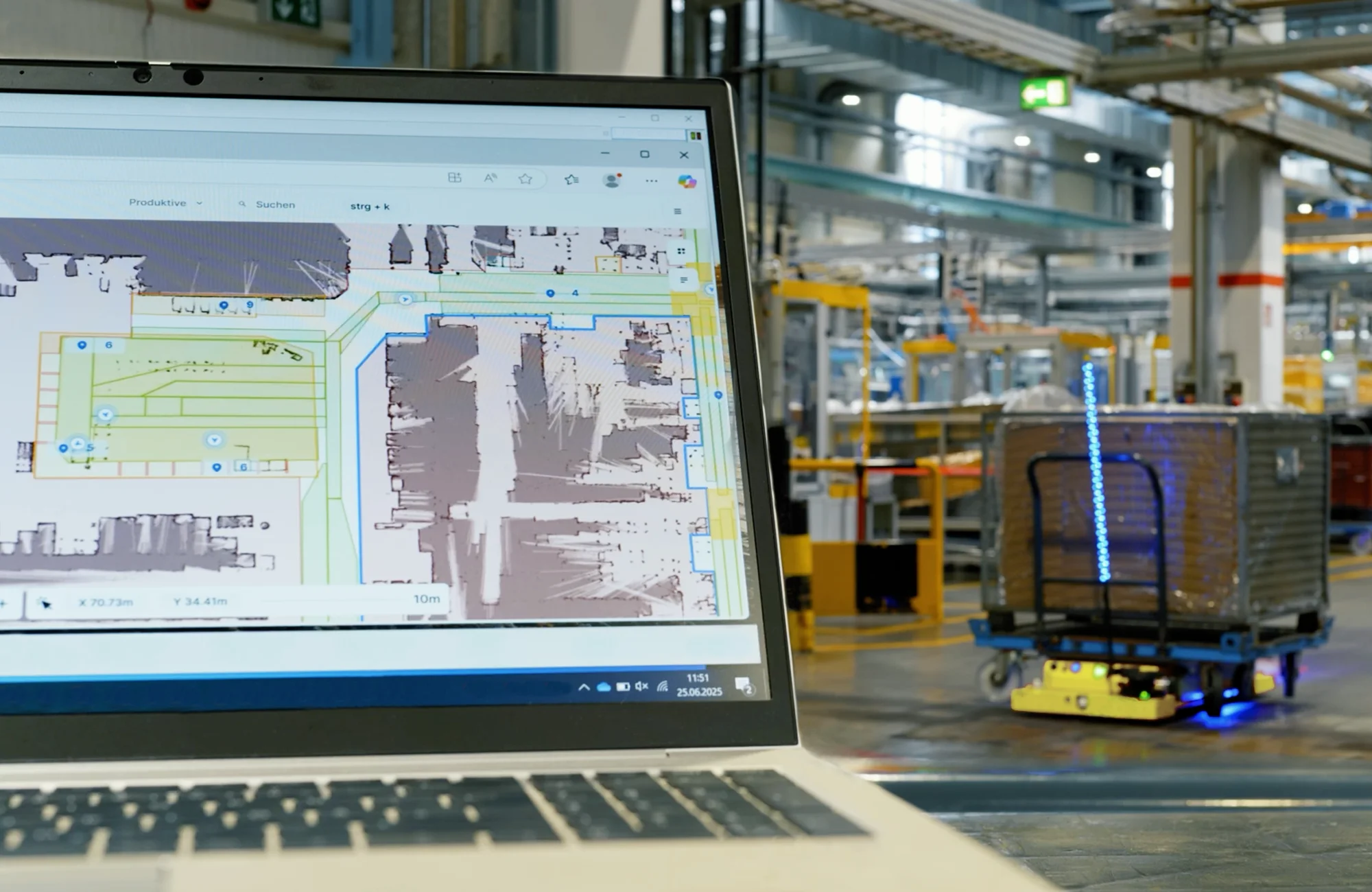
With AnyFleet, German company idealworks has brought to the final a cloud-based automation platform for intralogistics that goes far beyond traditional fleet management systems. A core innovation is its manufacturer-independent, open platform architecture, which – thanks to VDA 5050 compatibility – enables seamless integration of heterogeneous fleets from different manufacturers and autonomy levels. AMRs, AGVs and manual vehicles are coordinated centrally, along with peripheral devices such as sensors, roller doors and traffic lights, as well as WMS and enterprise resource planning (ERP) systems. Real-time analytics, simulations and digital twins provide complete operational transparency.
With its KiSoft Delivery Solution, Austrian intralogistics specialist KNAPP addresses one of the most significant and persistent challenges in logistics: last-mile delivery and end-to-end supply chain optimisation. The AI-supported KiSoft software connects warehouses, transport and delivery within a single system for the first time, enabling dynamic planning that adapts in real time to orders, traffic conditions and available resources. Integrated analytics, a driver app and seamless WMS and ERP connectivity ensure precise delivery windows, efficient routes and on-time warehouse dispatch.
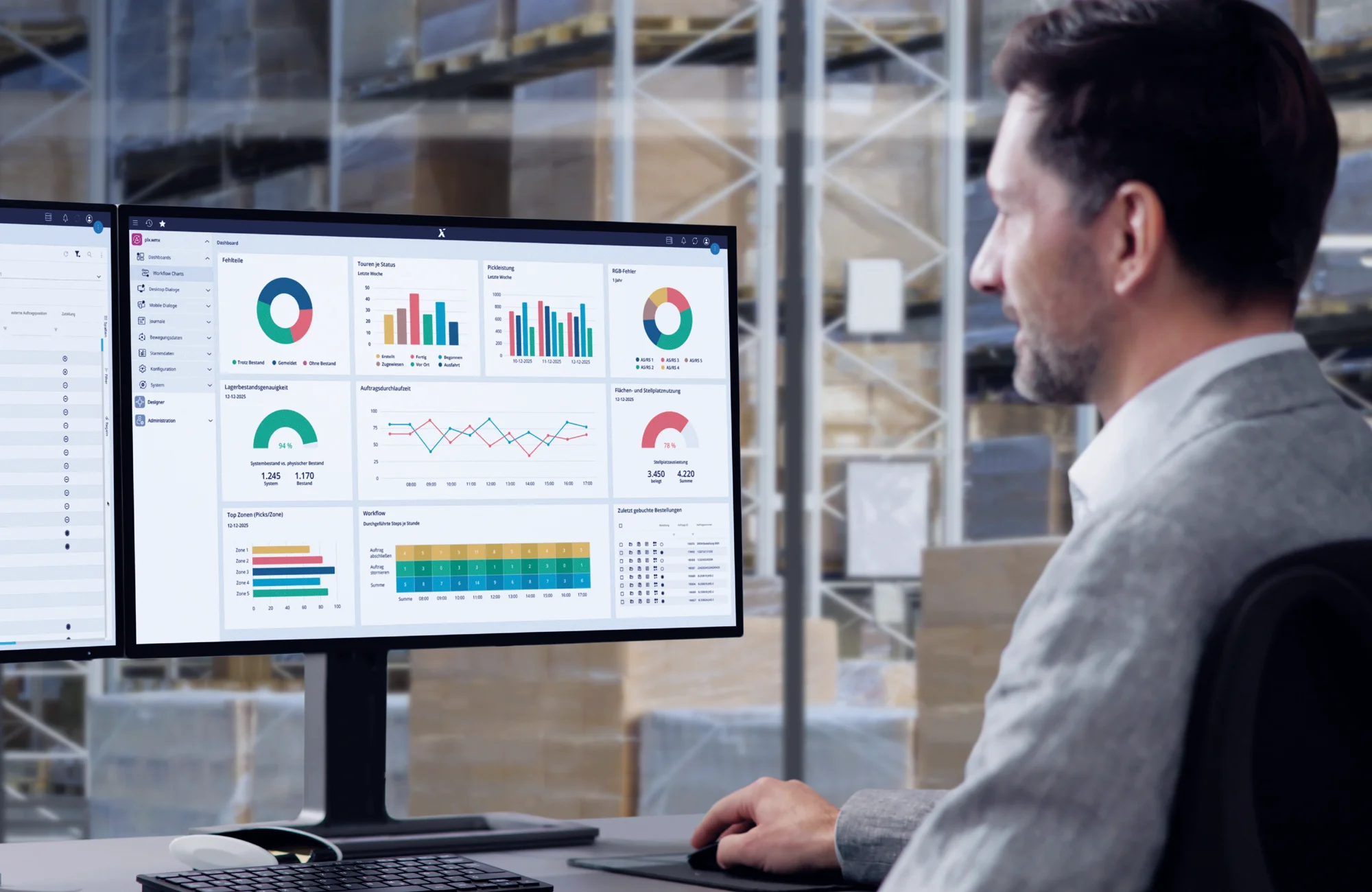
PureLoX SOLUTIONS overcomes the limitations of traditional monolithic warehouse management systems with plx.wmx. This cloud-native WMS from Germany – designed specifically for dynamic sectors such as third-party logistics, e-commerce and retail – manages all logistics processes, from goods receipt and storage to picking, shipping and returns. It also supports flexible workflows such as value-added services and multi-pick strategies. Its patented GO-ONE Engine enables simple adaptation and scaling of processes, locations or tenants, while API-first integration ensures seamless connectivity with existing systems. A single-version strategy ensures all customer instances remain continuously up to date.
Four start-ups reach the final
Software and AI also dominate the start-up category. The jury has nominated four candidates with disruptive approaches for the spin-off award “IFOY Start-up of the Year”: AI2Connect, Koiotech, Pyck and Romb Technologies.
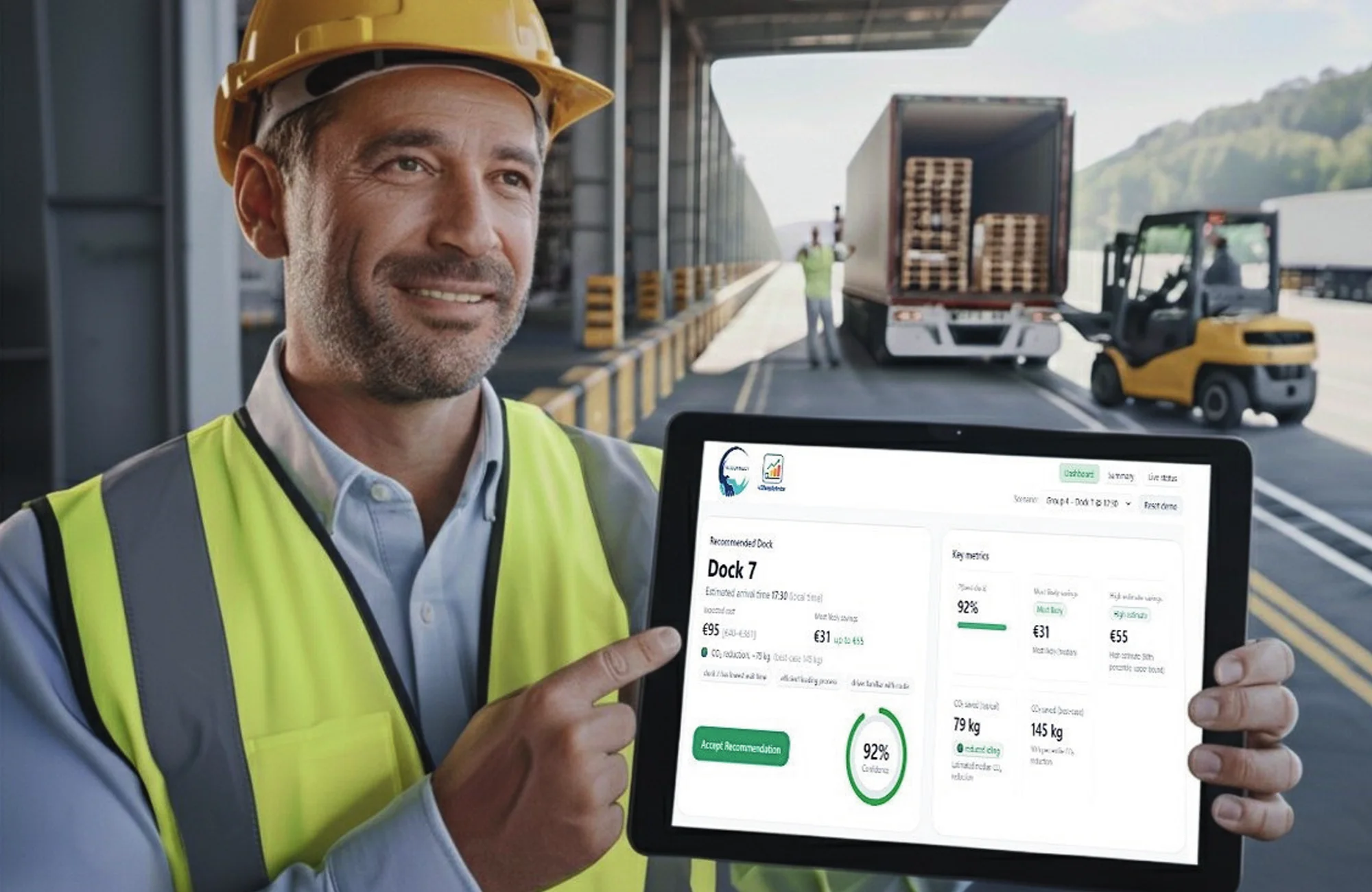
The Dortmund-based start-up AI2Connect positions itself as a factory for specialised AI agents in logistics. AI2RampOptimizer is one such agent. It addresses ramp optimisation using a self-learning multi-agent system based on predictive learning, reinforcement learning and rule-based logic. The results include 30% shorter waiting times, 60% fewer detention charges and 15% lower carbon dioxide emissions. The plug-and-play system becomes operational in under three weeks without IT integration, delivering a return on investment in less than three months. The factory approach also enables scaling to yard management, route optimisation and other logistics applications.
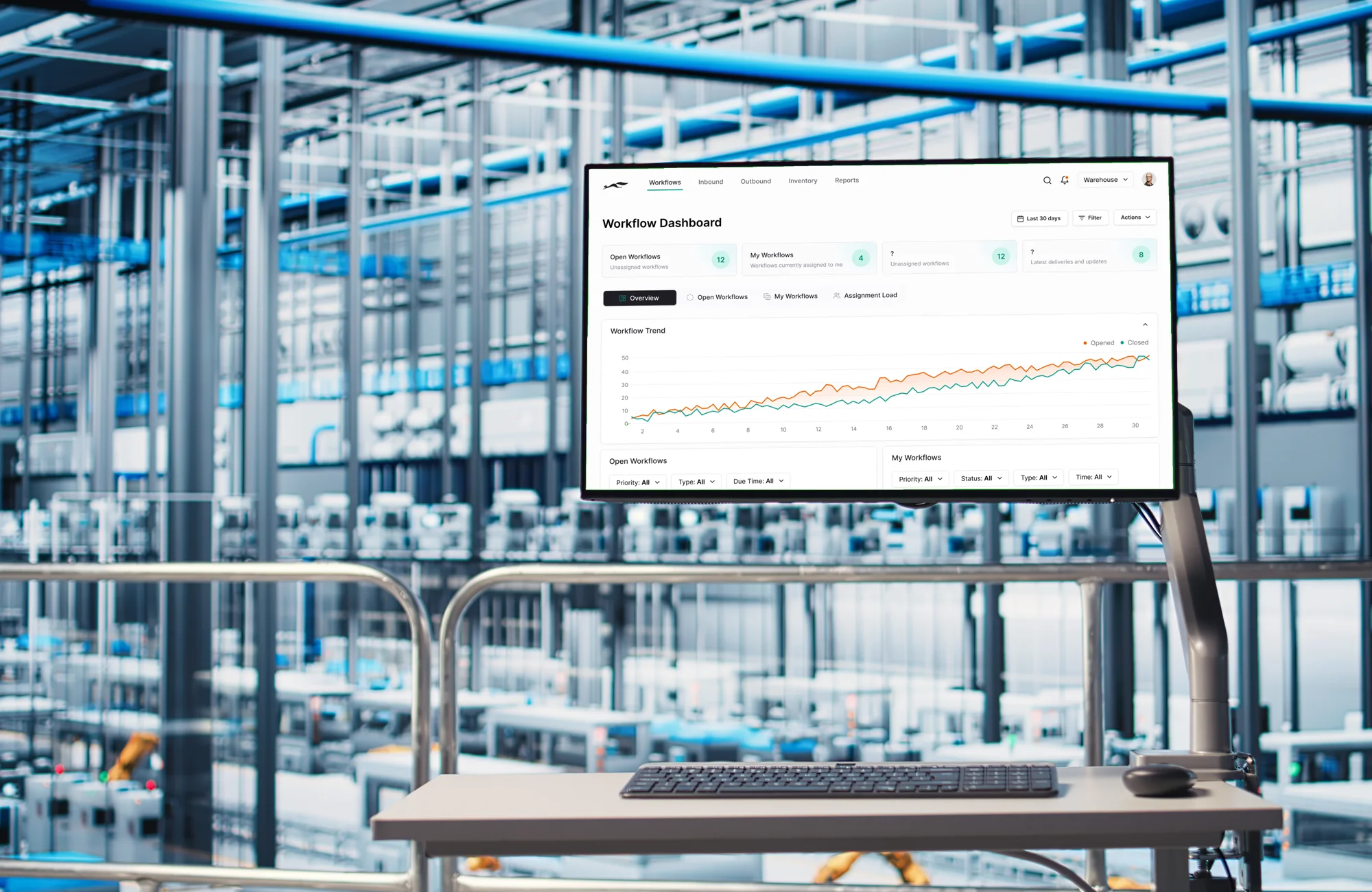
Schwäbisch Hall start-up Pyck aims to replace traditional warehouse management systems with an open-source toolkit for warehousing software. Instead of rigid standard solutions, it offers a modular system that models warehouse processes using AI and automatically generates software. Unlike conventional WMS platforms, Pyck does not impose predefined processes: logistics experts design the workflows, data models and user interfaces, resulting in greater flexibility, faster adaptation and easier integration of emerging technologies like AI and robotics.
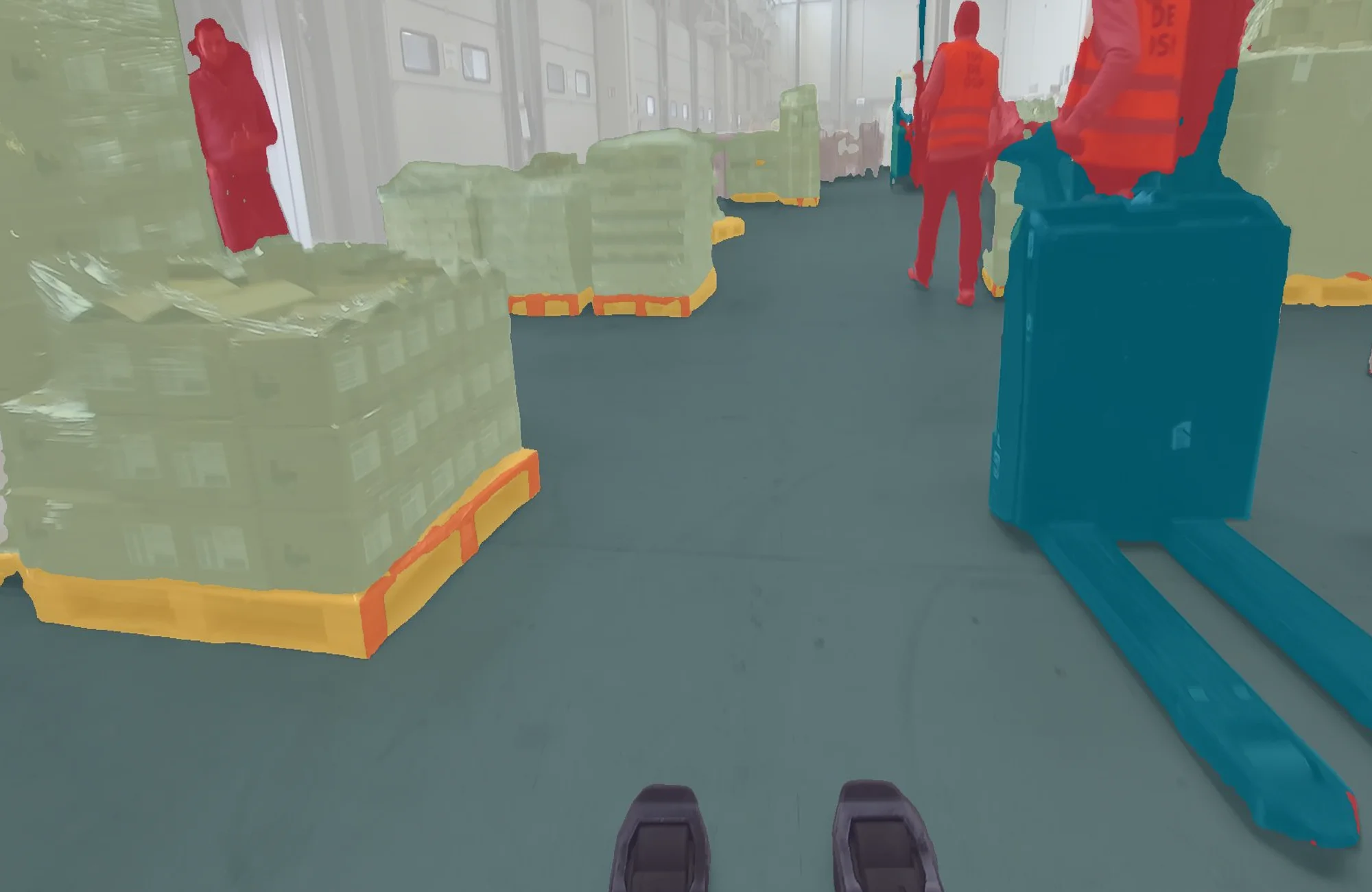
Romb Technologies from Croatia focuses on Semantic Visual Intelligence for intralogistics. Its technology translates raw image data into meaningful context, giving machines a visual understanding of their environment comparable to human perception. Unlike conventional vision systems, it recognises not only fixed objects, but entire object classes such as people, pallets, loads, vehicles and drivable surfaces. This enables applications ranging from adaptive load handling and obstacle avoidance to facility-wide analysis. Target users include AGV and AMR manufacturers, system integrators and end users seeking real-time transparency, as well as AI-driven analytics using existing camera infrastructure.
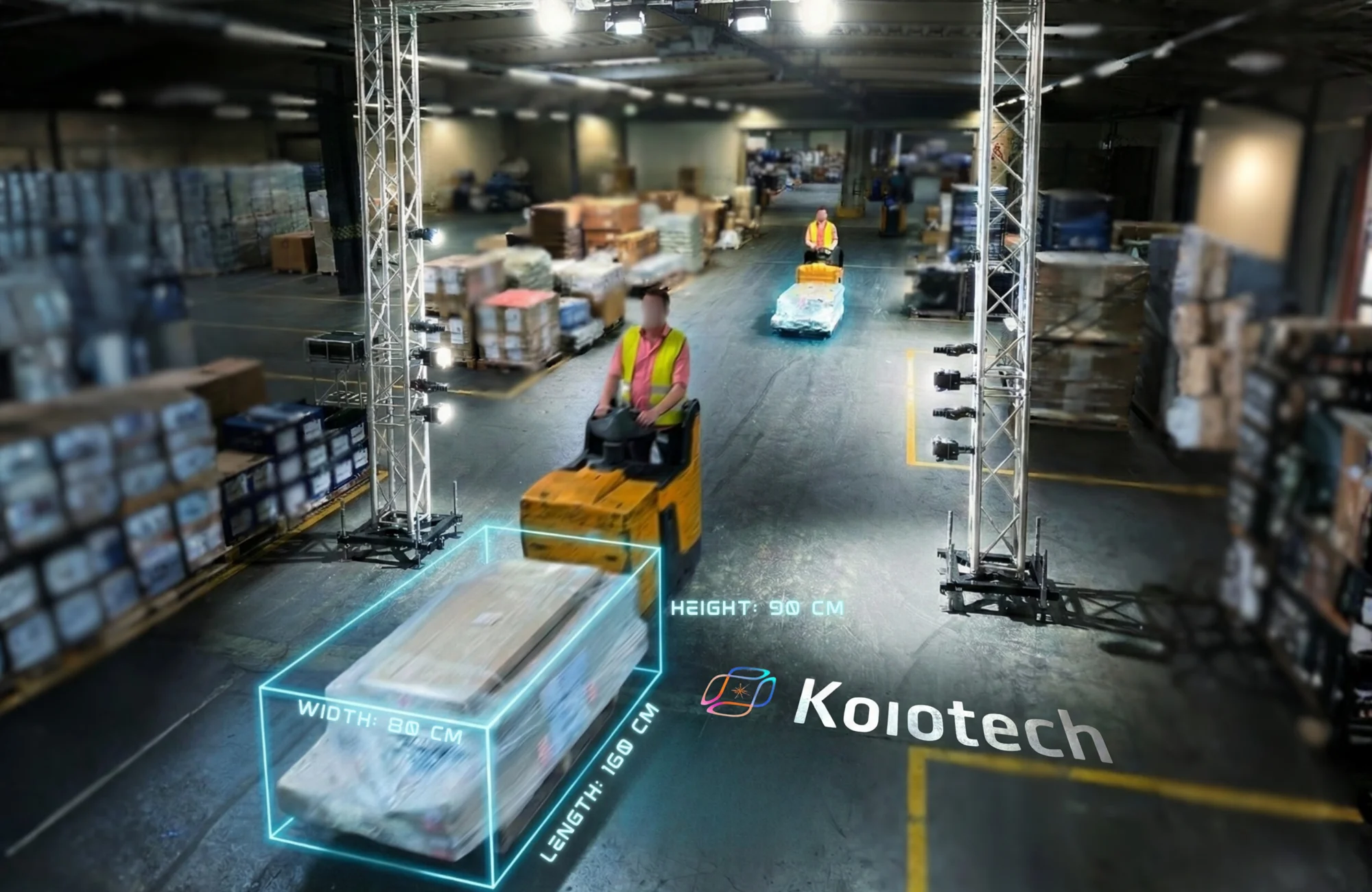
Also nominated is Göttingen start-up Koiotech’s AI-based DeepCargo freight measurement system, a plug-and-play solution combining 3D sensors, barcode scanners and proprietary software. It automatically measures freight of any size and shape at a stationary drive-through gate – at forklift speeds of up to 17km/h – detects missing or incorrect master data and assigns barcodes precisely. The result is maximum data quality without process interruption, up to 50% fewer measurement errors, revenue increases of 3 to 5% and a 95% reduction in personnel requirements.
IFOY Award finalists at the Test Camp Intralogistics
The IFOY Award is widely regarded as one of the most prestigious innovation awards in intralogistics worldwide. The nominated products and solutions undergo comprehensive IFOY Tests and a scientific Innovation Check to evaluate quality, functionality, innovation, customer value and market relevance against current market standards. A total of eight testers and 24 jurors from 18 nations will attend the IFOY Audit at the Westfalenhalle Dortmund. South Africa is represented by Charleen Clarke, editorial director of FOCUS.
Industry professionals and interested visitors can experience the finalists first-hand on 15 and 16 April at the Test Camp Intralogistics. Up to 100 innovations will be available for testing, and around 1,200 participants are expected.


2026 finalists at a glance
- Crown, WJ 50
- idealworks, AnyFleet
- Jungheinrich & Liebherr: Automated end-to-end solution with AI
- KNAPP, KiSoft Delivery Solution
- Libiao Robotics, AirRob Pro
- Locus Robotics, LocusONE at The Quality Group
- Mobotic, MoboDrive ST
- Nomagic, Shoebox Gripper
- PureLoX SOLUTIONS, plx.wmx – Cloud-native Warehouse Management Software
- SSI SCHÄFER, FastBots Solution
- STILL, forklift truck for people of short stature
- The Mobile Robot Company, J1600 self-driving pallet jack
- Wiltsche Fördersysteme, Destuff-it container unloading system
Finalists, IFOY Start-up of the Year
- AI2Connect, AI2RampOptimizer
- Koiotech, DeepCargo
- Pyck, Open-Source Toolkit for Warehousing Software
- Romb Technologies, Semantic Visual Intelligence for Intralogistics
Published by

Charleen Clarke


focusmagsa