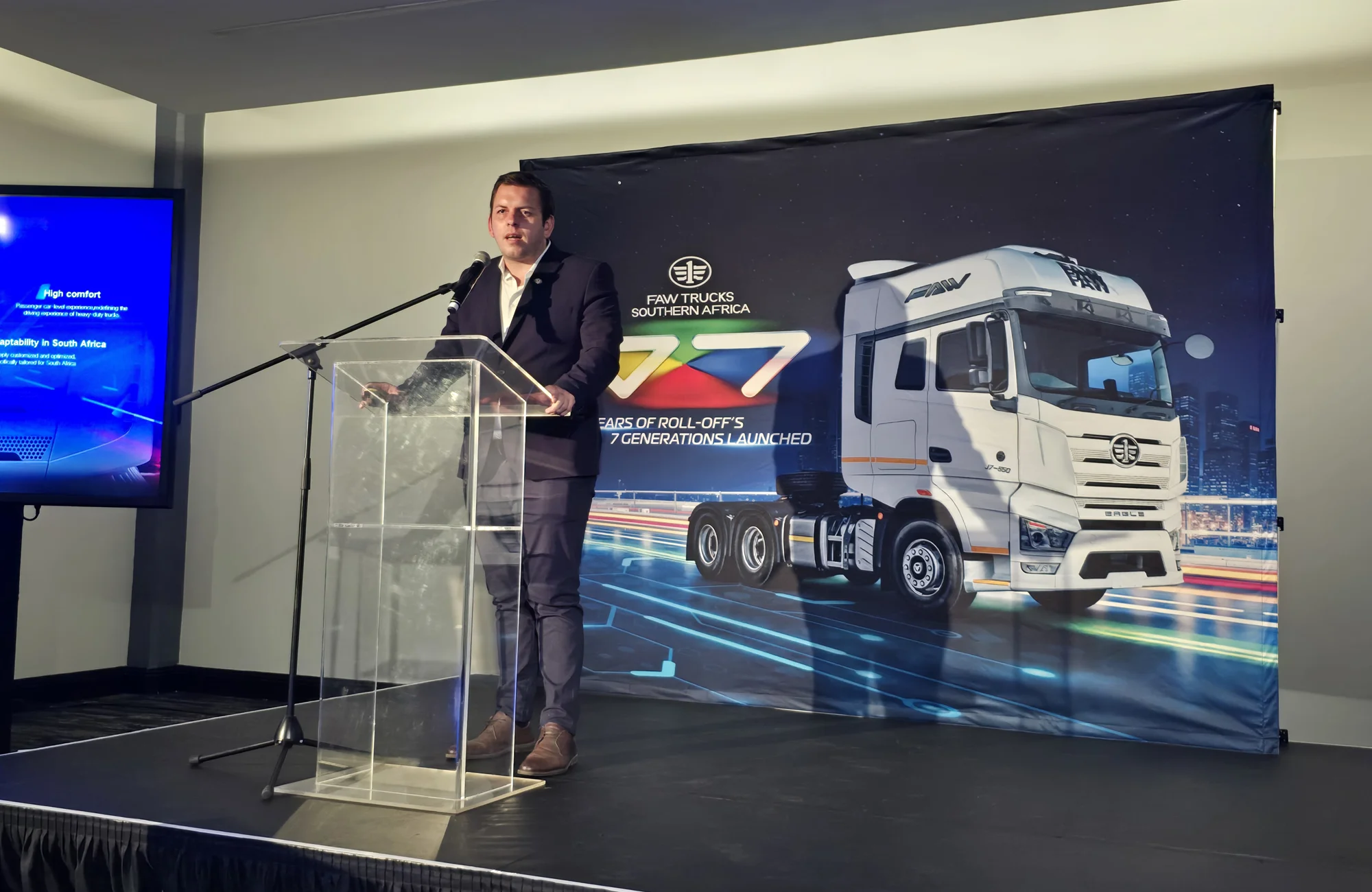
FAW raises the stakes with J7 launch

FAW raises the stakes with J7 launch

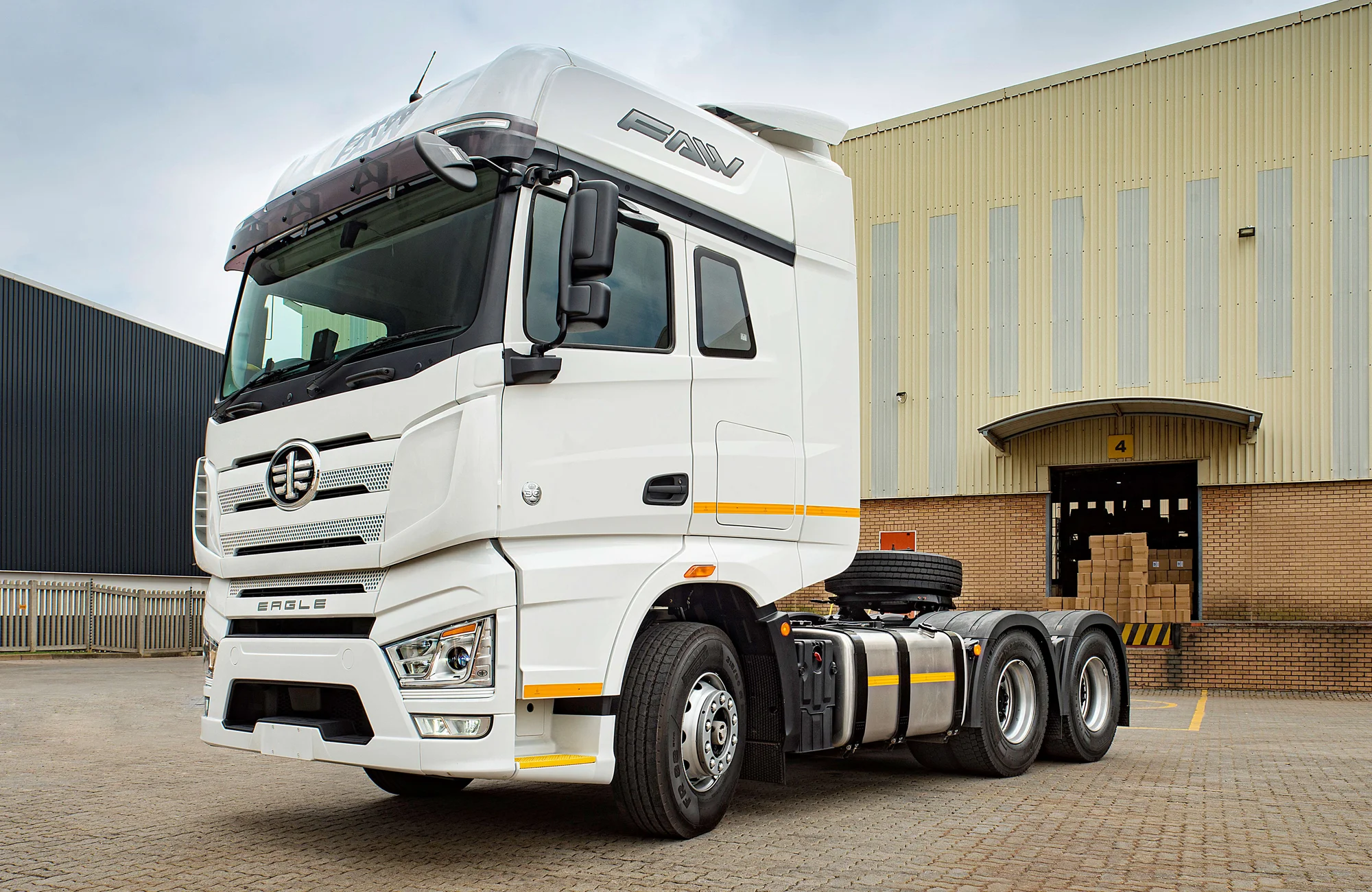
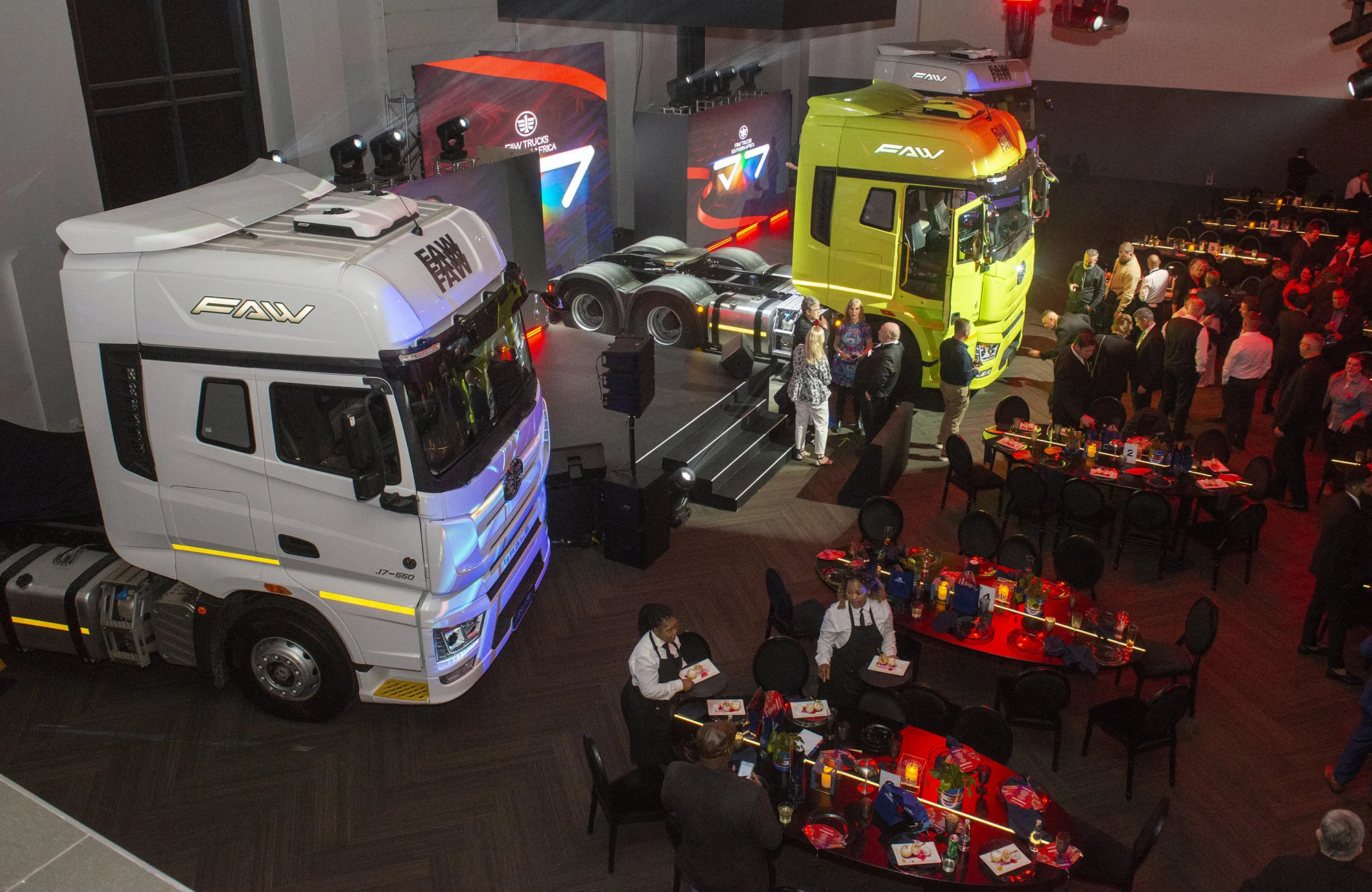
As transport costs rise and operational pressures intensify, FAW Trucks Southern Africa has introduced the J7 into a competitive market, positioning it as a serious contender in the premium long-haul segment. CHARLEEN CLARKE attended the official launch in Johannesburg.

The introduction of a new heavy-duty truck into the South African market rarely happens in isolation; the J7 arrives against a backdrop of rising costs, operational pressures and shifting expectations among fleet operators. “In the last 10 years, we have seen a 60% increase in transport costs in South Africa,” said Joshua Fourie, general manager commercial operations at FAW Trucks Southern Africa, at the launch.

This model has been “years in the making” and now enters a market where operators are under increasing pressure to extract more value from every kilometre travelled. “The fleets that will be here tonight are some of the best of the best,” Fourie noted, acknowledging the calibre of operators the truck is designed to serve.

Against this backdrop, FAW is positioning the J7 not simply as another product, but as part of a broader strategic shift. “The launch of the J7 in South Africa marks an important step in our strategy to bring world-class heavy-duty transport solutions to local operators moving goods over extended distances, across varied road conditions and under tough commercial pressures,” said Jian Yang, CEO of FAW Trucks SA.

“This vehicle is designed for the demands of modern logistics businesses that need dependable performance, lower operating pressure and a truck that supports both business productivity and driver comfort and safety on long-distance routes, backed with a B10 service life of 1.5 million kilometres.”

Positioning the J7 at the top end

The J7 is not intended to replace FAW’s existing offerings. Instead, it sits above them. “The JH6 has been a wildly successful product,” Fourie elaborated. “A total of 5,420 JH6 trucks have been sold over the last three years. It will not be replaced.”

Instead, FAW is deliberately segmenting its portfolio. “The J7 is the premium offering where nothing but the best will suffice,” he explained. “The JH6 will remain in place to compete with lower-end products at competitors. The J7 will compete mainly with the Europeans.”

This positioning is significant. It places the J7 directly into competition with established European brands that have long dominated the premium segment. At the same time, Fourie pointed to global credentials: “J7 is the top-selling range in China. It was developed in conjunction with European research and development centres.”

Importantly, the J7 does not arrive in a vacuum, but rather builds on the success of its predecessor. The JH6 500FT has earned a strong reputation among operators for reliability, fuel efficiency and cost-effective long-haul performance. That success has helped establish FAW as a serious contender in the heavy-duty segment, creating a foundation for the J7 to move the brand further up the value chain.

Manufacturing strength and local relevance

While the J7 carries global pedigree, its local relevance is tied closely to FAW’s South African operations. “The units will be assembled in Coega,” Fourie confirmed.

The Coega plant, which has become central to FAW’s regional strategy, has a capacity of 6,000 units, with “95% of the vehicles sold in South Africa” being locally assembled.

This local footprint is further supported by significant parts investment. “There is R200 million worth of parts in the PDC (parts distribution centre),” Fourie said, adding that this is complemented by a network of company-owned branches in Cape Town, Johannesburg and Durban.

Beyond the physical infrastructure, FAW has also strengthened its financial offering. With the establishment of FAW Financial Services SA in June 2023, the company is placing increased emphasis on supporting customer cashflow in a challenging economic environment.

It was noted that, “In times like this, it is crucial to keep your cashflow steady,” with monthly payments “of R41,000 possible” and “34% lower repayments versus traditional products”.

Engineering, testing and durability

From a technical perspective, the J7 reflects a shift towards integrated design and performance optimisation.

Ricqui Alexander, national service manager at FAW Trucks SA, described the new model as a product that has undergone extensive validation. “Some 200 units were deployed over a six-year product cycle,” he revealed, adding: “We have done 18 million kilometres of road testing over 200 units over six years.”

The testing programme extended far beyond controlled environments. “One test went from China to Italy over 20,000km,” Alexander explained. “It covered mountainous areas, dusty conditions – some even more extreme than what we have in South Africa.”

Local validation has also been a priority. “Some 124,000km of testing has already been conducted in South Africa,” he confirmed.

This level of testing is intended to address one of the most critical concerns for operators: durability. This should not be a concern of transport operators. “The J7, if maintained correctly, achieves a service life of 1.5 million kilometres,” Alexander emphasised.

The “golden powertrain” and efficiency gains

At the heart of the J7 is what FAW refers to as its “golden powertrain”. “FAW China has created the golden powertrain,” Alexander affirmed. “This consists of an engine developed in-house, plus ZF transmission, plus axle – which is also an in-house design.”

Efficiency is central to the vehicle’s positioning. “We have achieved up to 10% fuel savings when compared to previous models and when benchmarking against direct competitors,” he said. In a market where fuel remains one of the largest operating costs, such improvements are significant – although real-world performance will ultimately determine their value.

The J7’s aerodynamic cab design, intelligent fuel management and dual-tank configuration are all intended to support long-distance efficiency, helping operators maximise range and reduce refuelling interruptions. “A range of 3,000km has been achieved,” Alexander added.

A clear focus on the driver

One of the most notable shifts in the J7 is its emphasis on driver experience. In a market where driver fatigue, retention and safety remain critical challenges, this is not incidental.

The J7’s sleeper cab has been designed to support extended time on the road, with a high-roof configuration, flat-floor layout and additional living features.

“It offers passenger car-like comfort,” Alexander noted, supported by a “2,150-mm internal height”. Features such as an air suspension seat, integrated fridge and automatic climate control aim to create a more functional on-road environment for drivers. This reflects a broader industry recognition that driver well-being is directly linked to operational performance.

Safety, structure and real-world conditions

The J7 also incorporates a reinforced all-steel cab structure and a suite of advanced driver-assistance systems designed to support safer operation in demanding conditions. These include AEBS, ESC, FCW, LDWS and TPMS technologies, alongside integrated camera systems intended to enhance visibility and situational awareness.

Durability remains equally important in the South African context. “Our ports expose our vehicles to moisture; treatments have been applied to ensure up to 10 years of corrosion resistance,” Alexander explained. “Intense structural integrity tests are conducted to monitor oscillations,” he added, highlighting the focus on long-term resilience.

Service, uptime and lifecycle value

In a market where downtime directly affects profitability, service support is a critical consideration. “Service support every 150km is the aim – we are not there yet but we are close,” Alexander continued.

The objective is clear, he says: “We want to minimise downtime and get our transporters up and running as quickly as possible.” This aligns with broader industry trends, where operators are increasingly “sweating their assets”. “The J7 can run well into third and fourth life,” he noted, pointing to extended lifecycle expectations.

Beyond the vehicle itself, FAW emphasises its broader support infrastructure, including a growing dealer footprint, 24/7 roadside assistance and warranty coverage of up to 36 months or 600,000km.
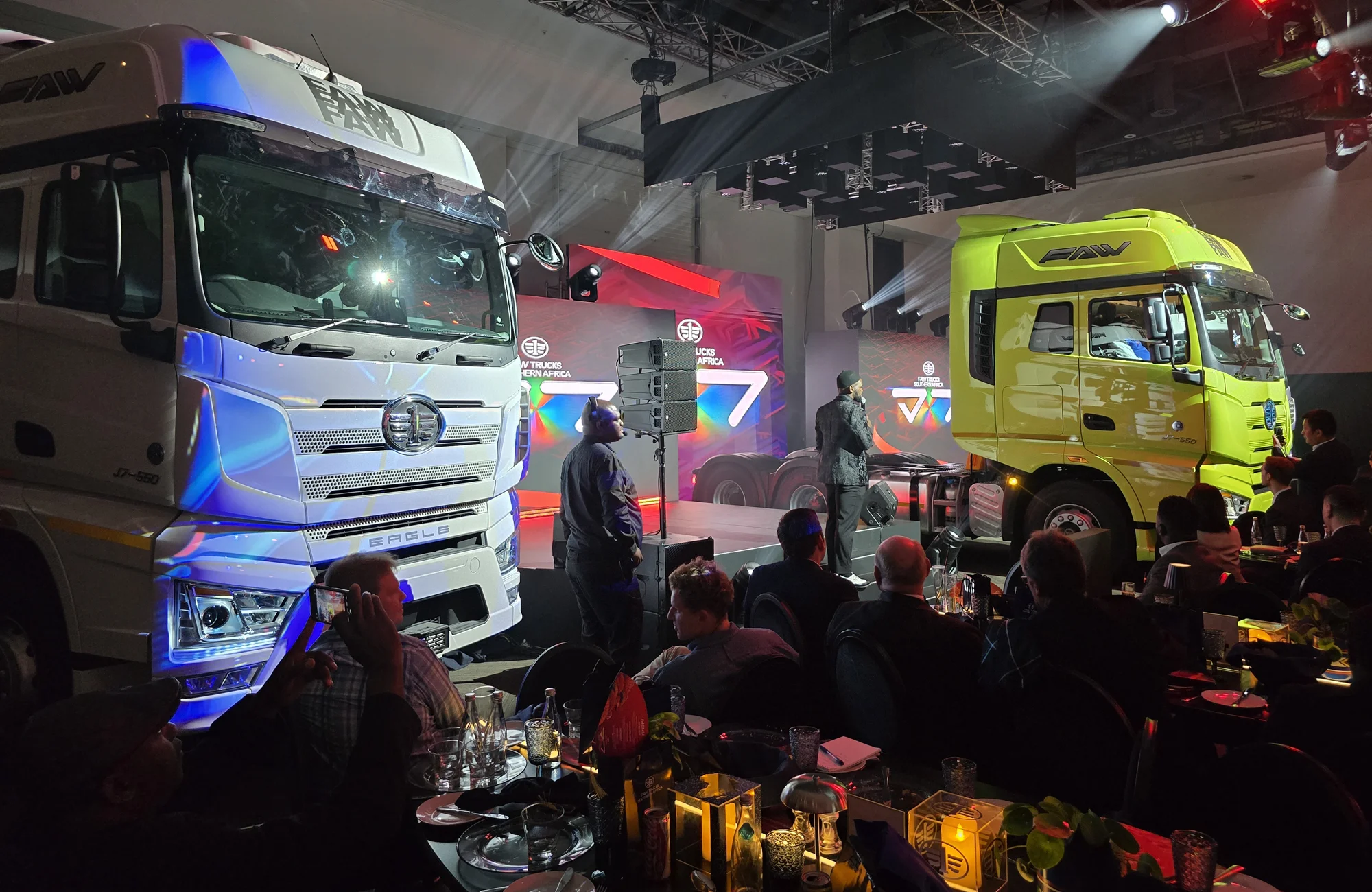
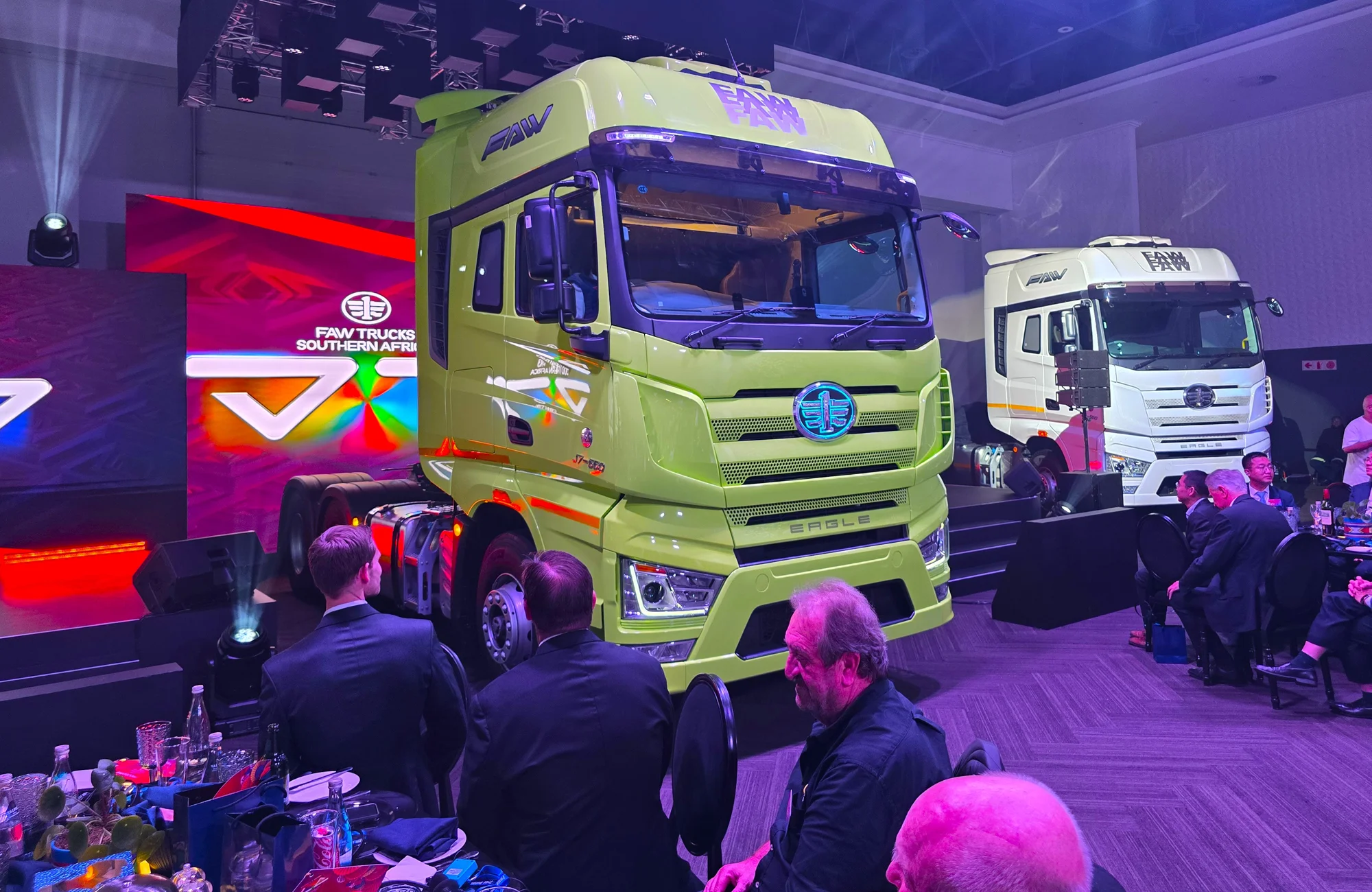
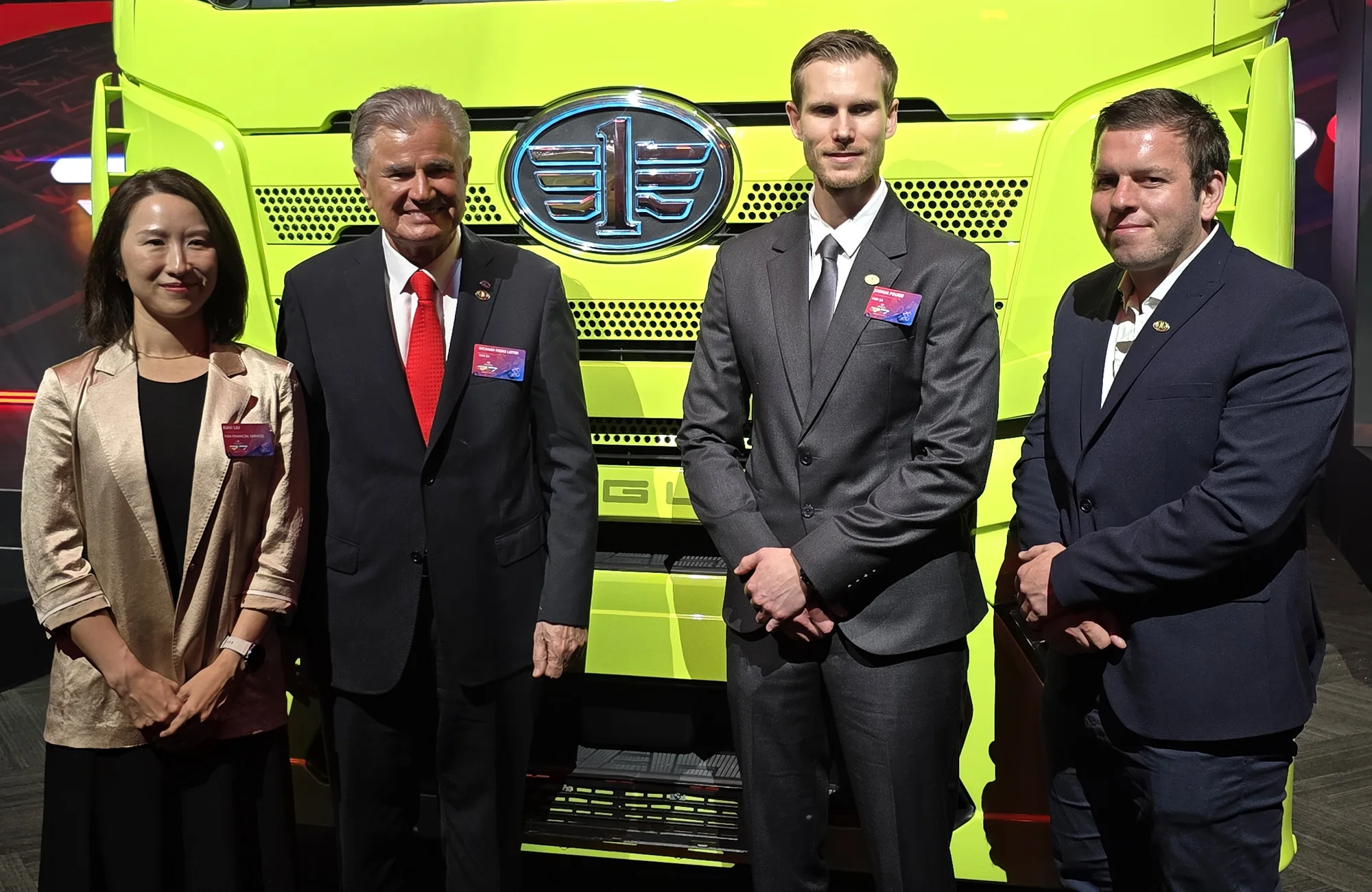
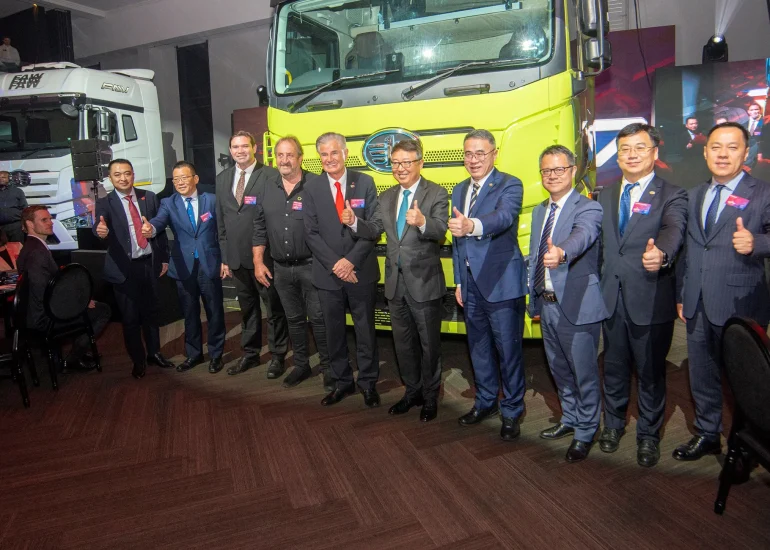
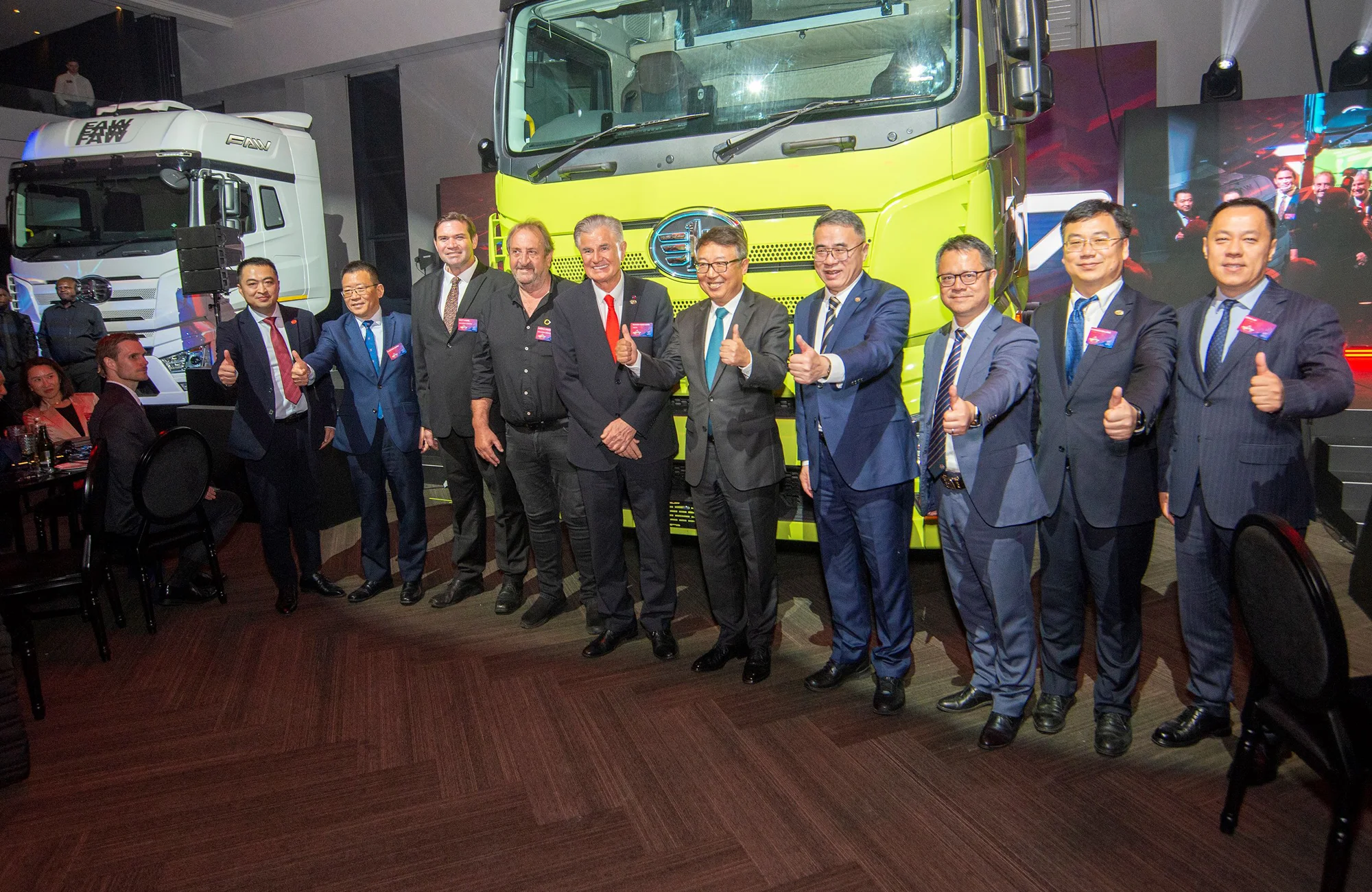
Dignitaries gather in front of the new truck during the launch.

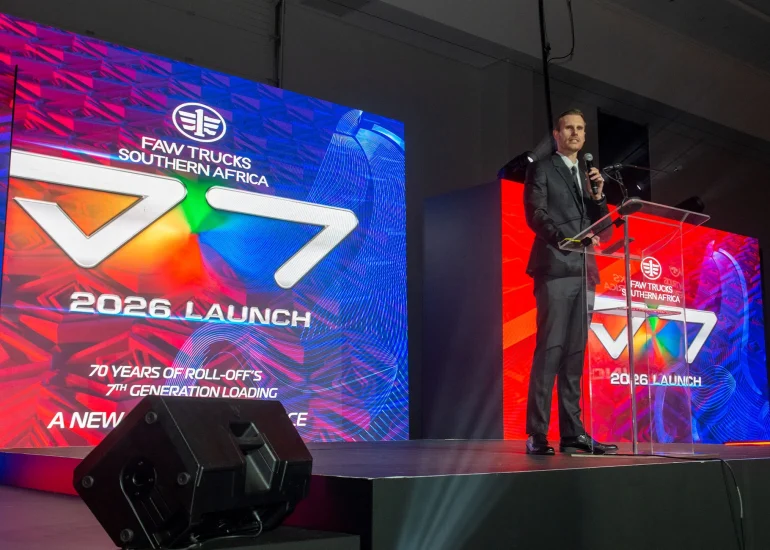
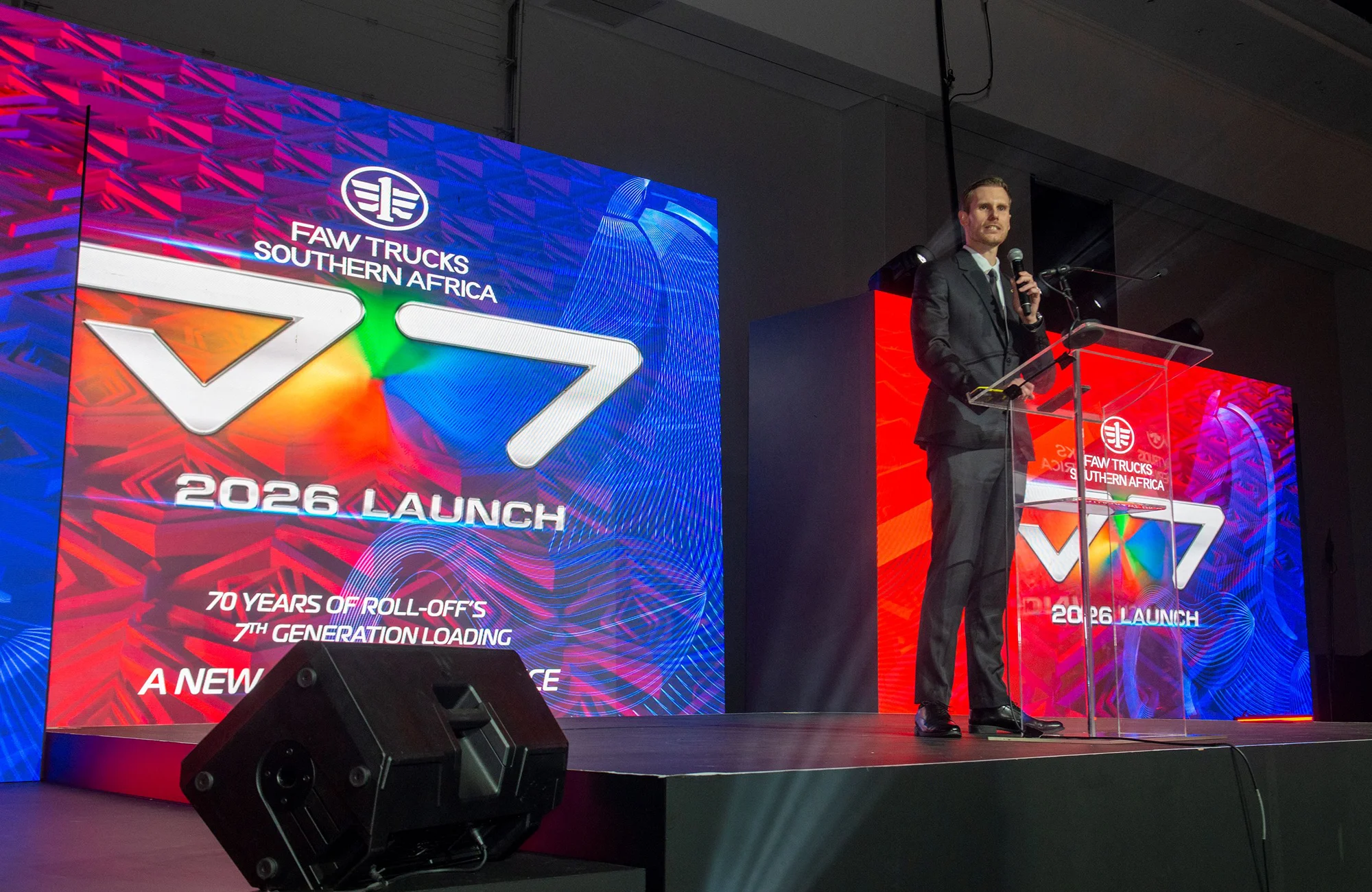
Joshua Fourie, general manager commercial operations at FAW Trucks Southern Africa, said the J7 is the premium offering where nothing but the best will suffice.

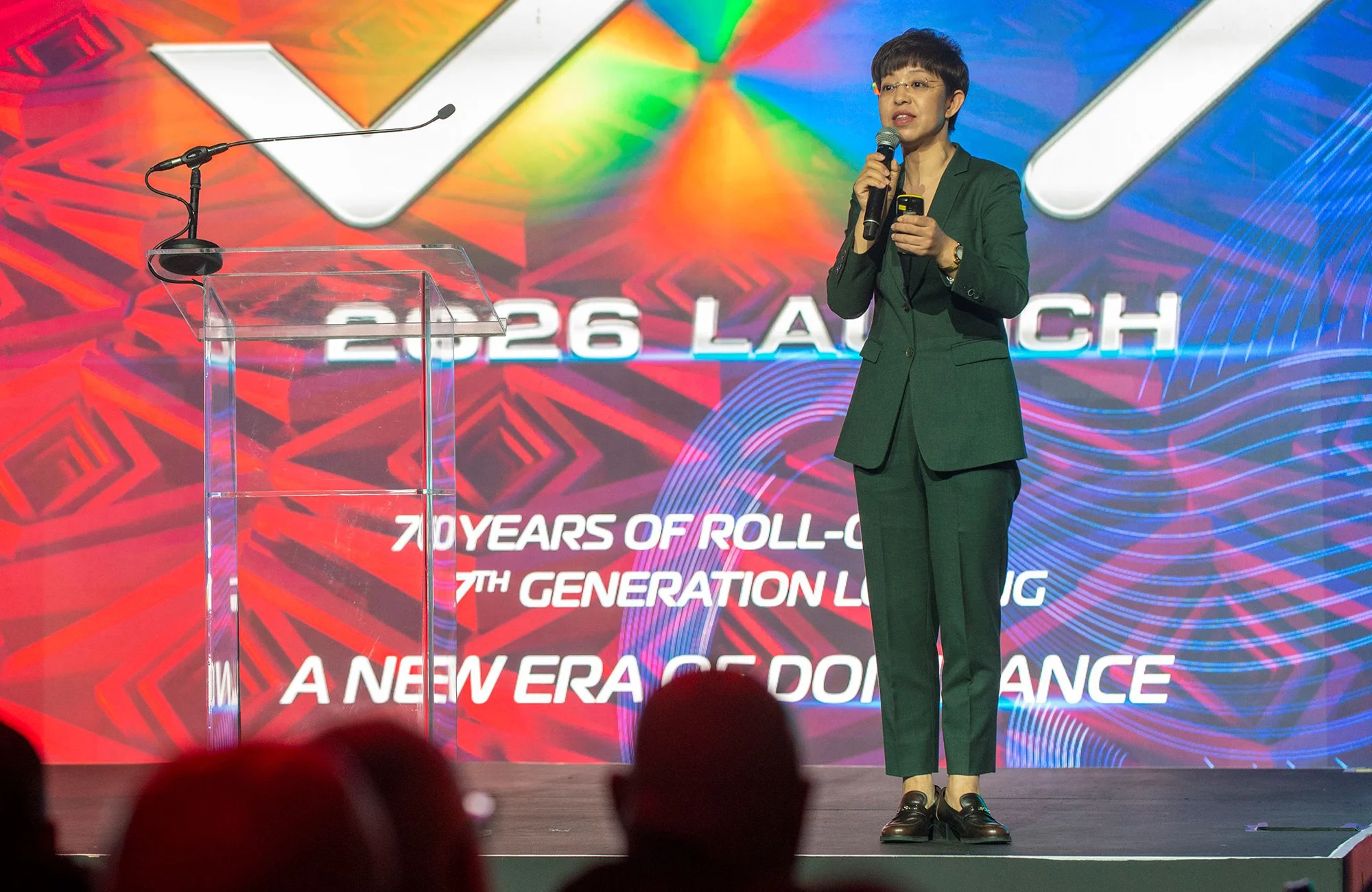
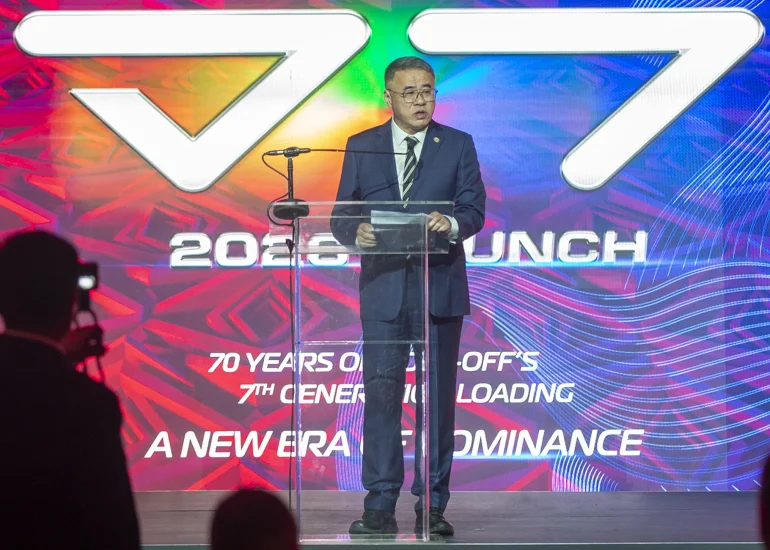
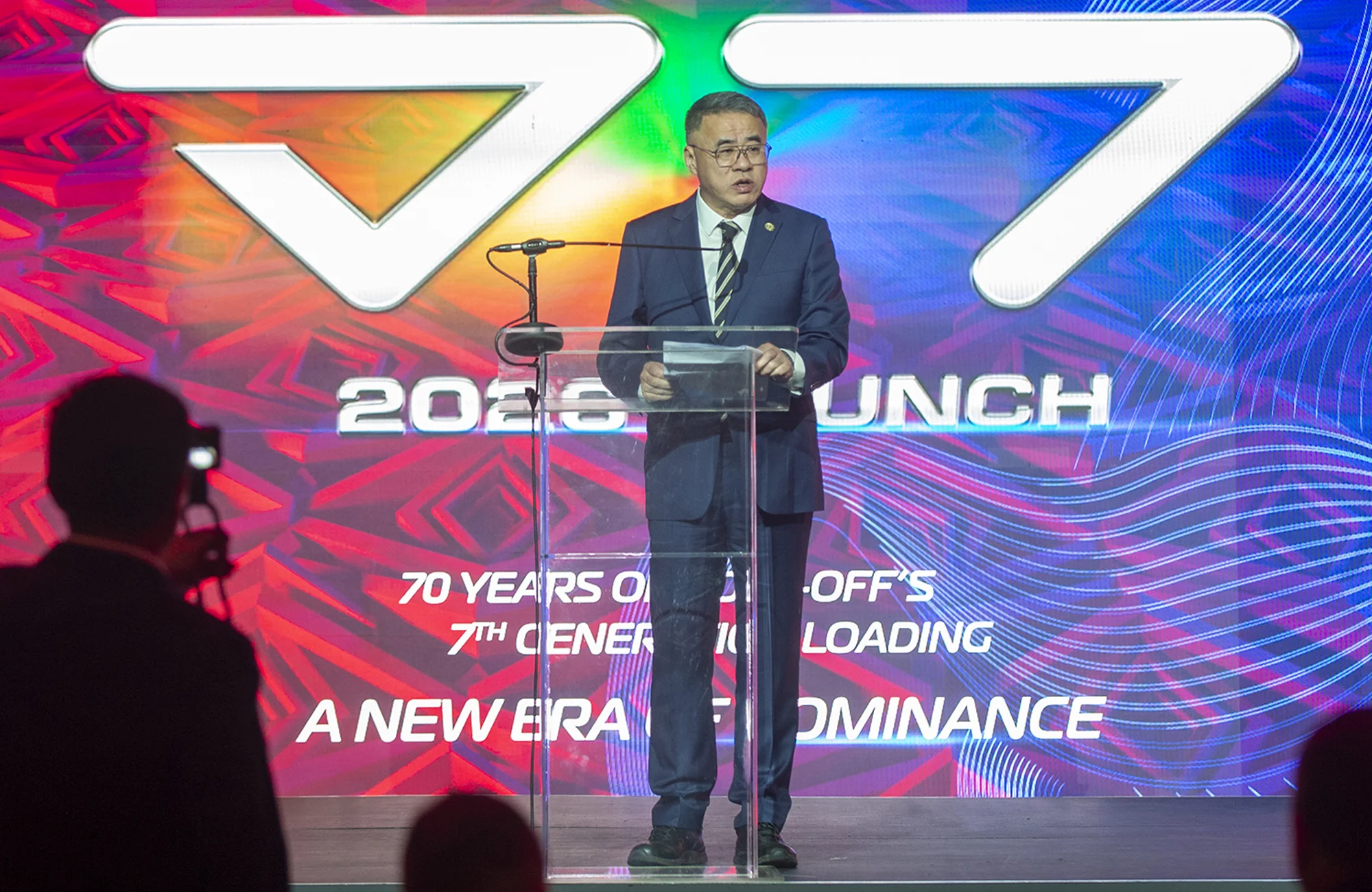
Zhang Xiaofan, FAW Group vice president, addressed guests at the event. He said the group hopes to reach 180,000 overseas sales by 2030 – and South Africa is "a key pillar" in reaching this goal.

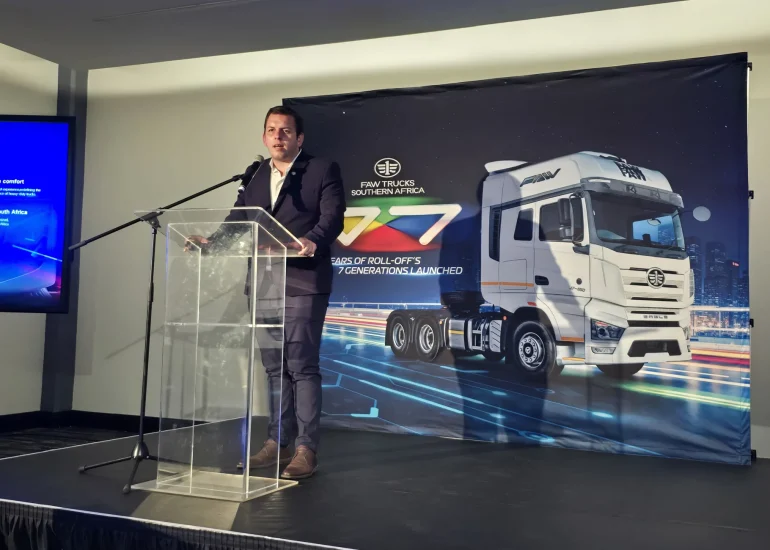
Ricqui Alexander, national service manager at FAW Trucks Southern Africa, said that the J7 offers passenger car-like comfort and outstanding fuel economy.

Affordability versus premium ambition

Despite its premium positioning, cost remains central to FAW’s strategy. “You can get 10 of these FAW J7 trucks for the price of seven European trucks,” Fourie said. This pricing dynamic is likely to play a decisive role in market uptake, particularly among operators balancing performance requirements with capital constraints.

At the same time, FAW is clearly attempting to reposition itself. “The J7’s technical and design enhancements deliver a value proposition especially relevant in South Africa,” said Xin Huang, COO of FAW Trucks Southern Africa. “Building on the proven success of the JH6 500, the J7 takes FAW’s premium heavy-duty offering to the next level.”

A company evolving with the market

For Richard Leiter, executive director and founder of FAW Trucks Southern Africa, the J7 represents a milestone in a much longer journey.

“The FAW story in South Africa began with a vision and a lot of determination,” he said. “We wanted to offer the most affordable truck in Africa. My vision was to bring hard-working and affordable trucks to the market.”

The J7 reflects how that vision has evolved. “This remarkable truck is an illustration of our growth and what is required for the future of the South African transport and logistics business,” he said.

“In the last 18 months, we are number one in commercial vehicle sales and we are not stopping here. We will continue to expand and compete with European and Japanese products.”

An increasingly competitive future

The launch of the J7 comes at a time when the trucking industry is experiencing significant pressure and change. Rising costs, tightening margins and evolving expectations are reshaping the competitive landscape. Fuel prices, infrastructure constraints and operational risks continue to challenge even the most established operators.

“The launch of the J7 reflects how far we have come,” Leiter concluded, “and the strength of our global partnership and our commitment to South African logistics and beyond.”

Whether the J7 will redefine expectations in the premium segment remains to be seen. What is clear, however, is that competition in the heavy-duty market is intensifying – and FAW is positioning itself firmly within that contest.

Published by

Charleen Clarke

CHARLEEN CLARKE is editorial director of FOCUS. While she is based in Johannesburg, she spends a considerable amount of time overseas, attending international transport events – largely in her capacity as associate member of the International Truck of the Year jury, member of the International Van of the Year jury, judge of the International Pickup Award, judge of the Truck Innovation Award, judge of the Truck of the Year Australasia, and IFOY Award jury member.
Prev Tata celebrates production of 12,000th vehicle
Next Fuel prices surge as global tensions escalate

Leave a comment

This site is protected by reCAPTCHA and the Google Privacy Policy and Terms of Service apply.