Electric trucks in SA: Do they make sense?

Electric trucks in SA: Do they make sense?

Are electric trucks the future of South African transport? Most importantly, do they make financial sense? To find out, CHARLEEN CLARKE sat down with Luqmaan Hansa, general manager: dedicated contracts at Bakers SA Limited, which has trialled two FUSO eCanters. Did these electric workhorses prove their worth, or are they just e-mobility pie in the sky?

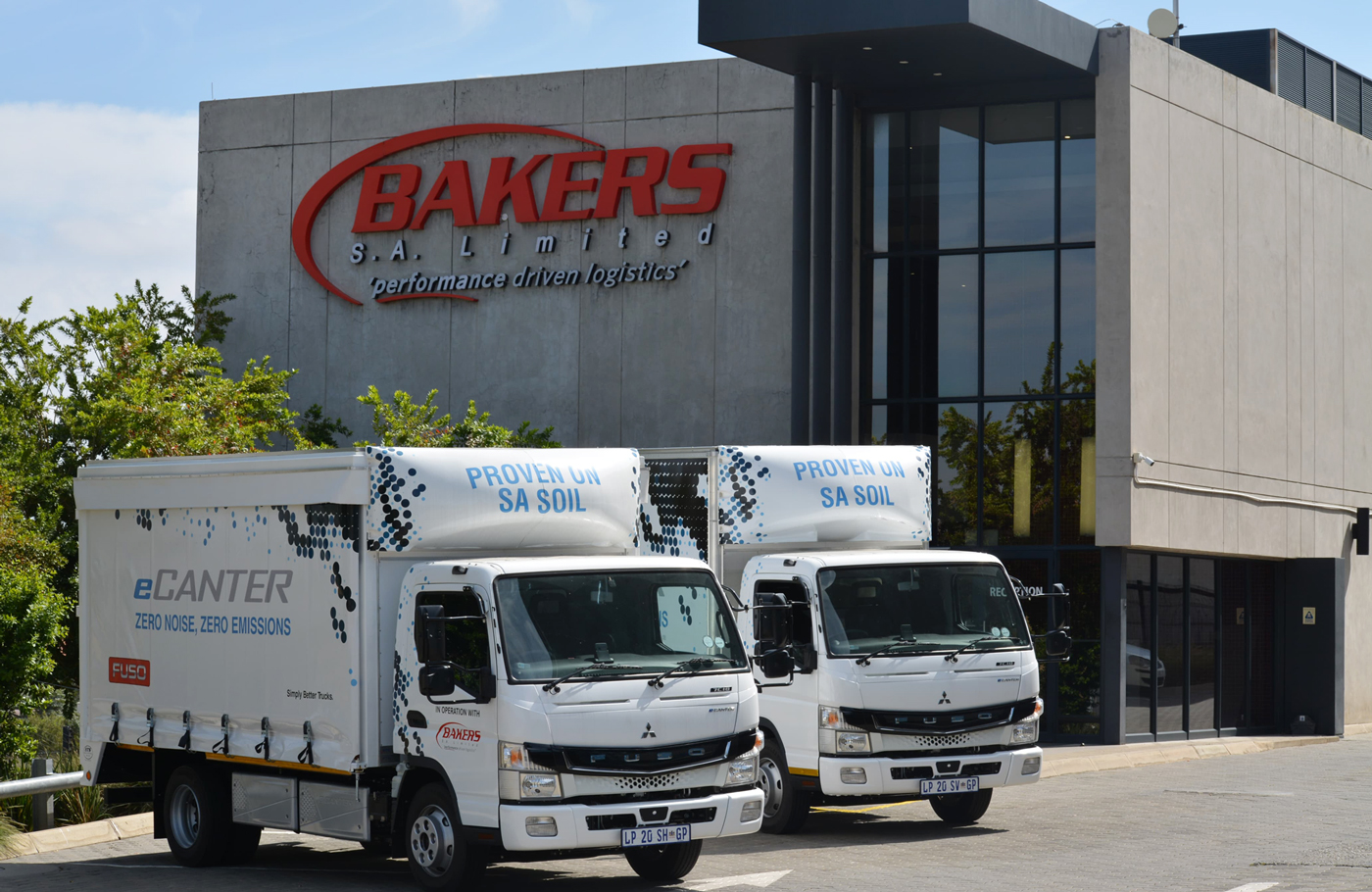
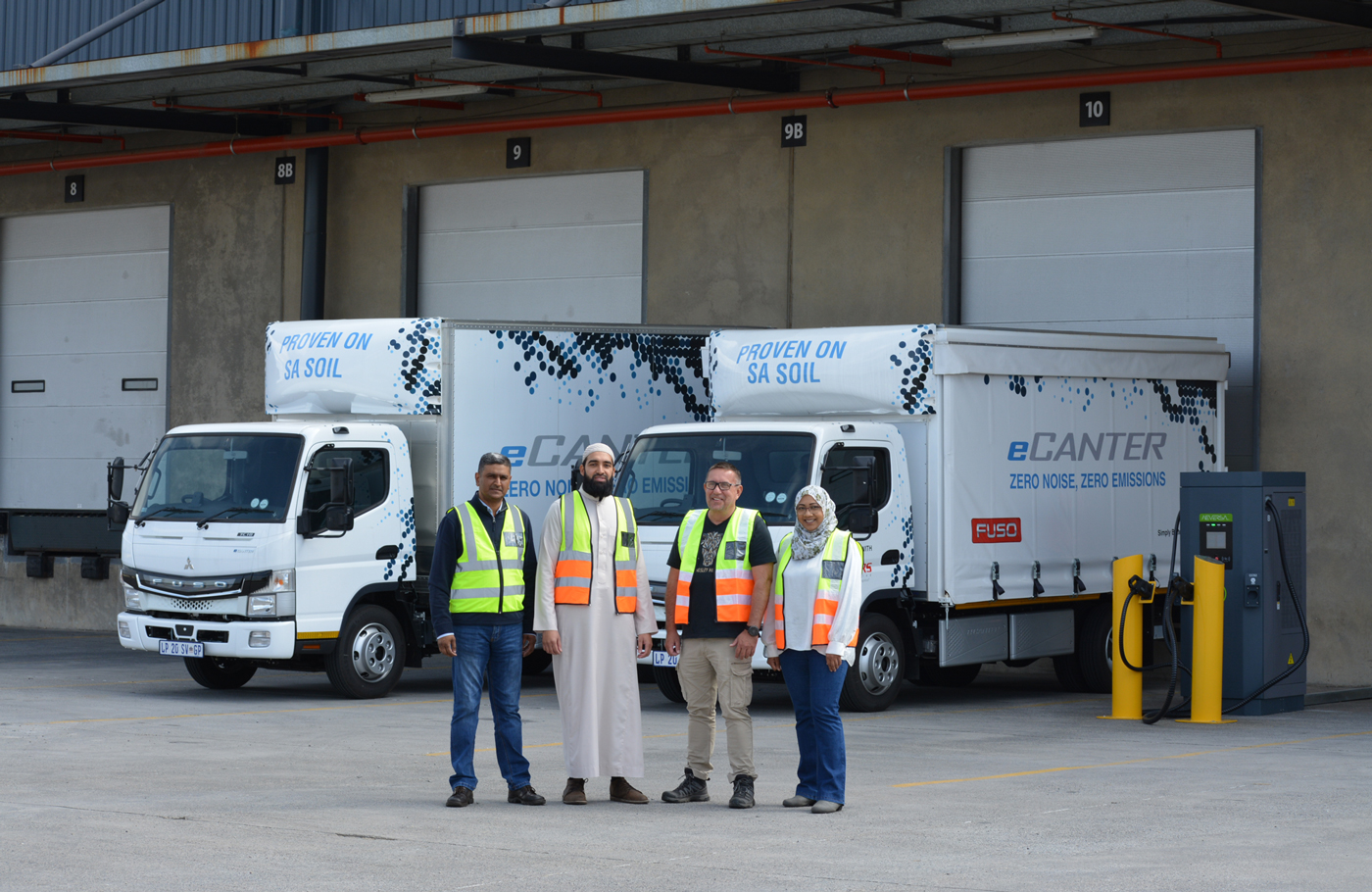
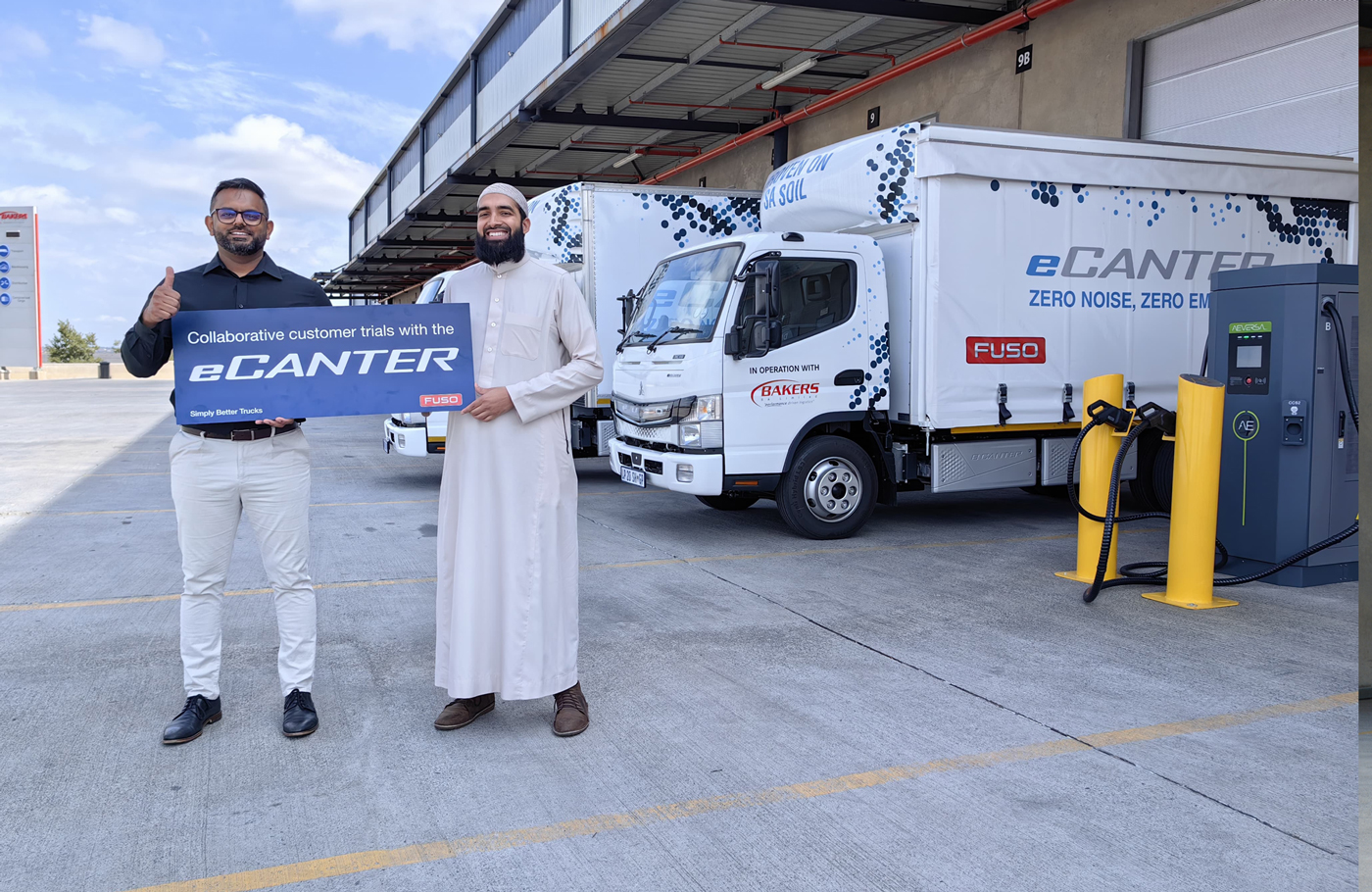
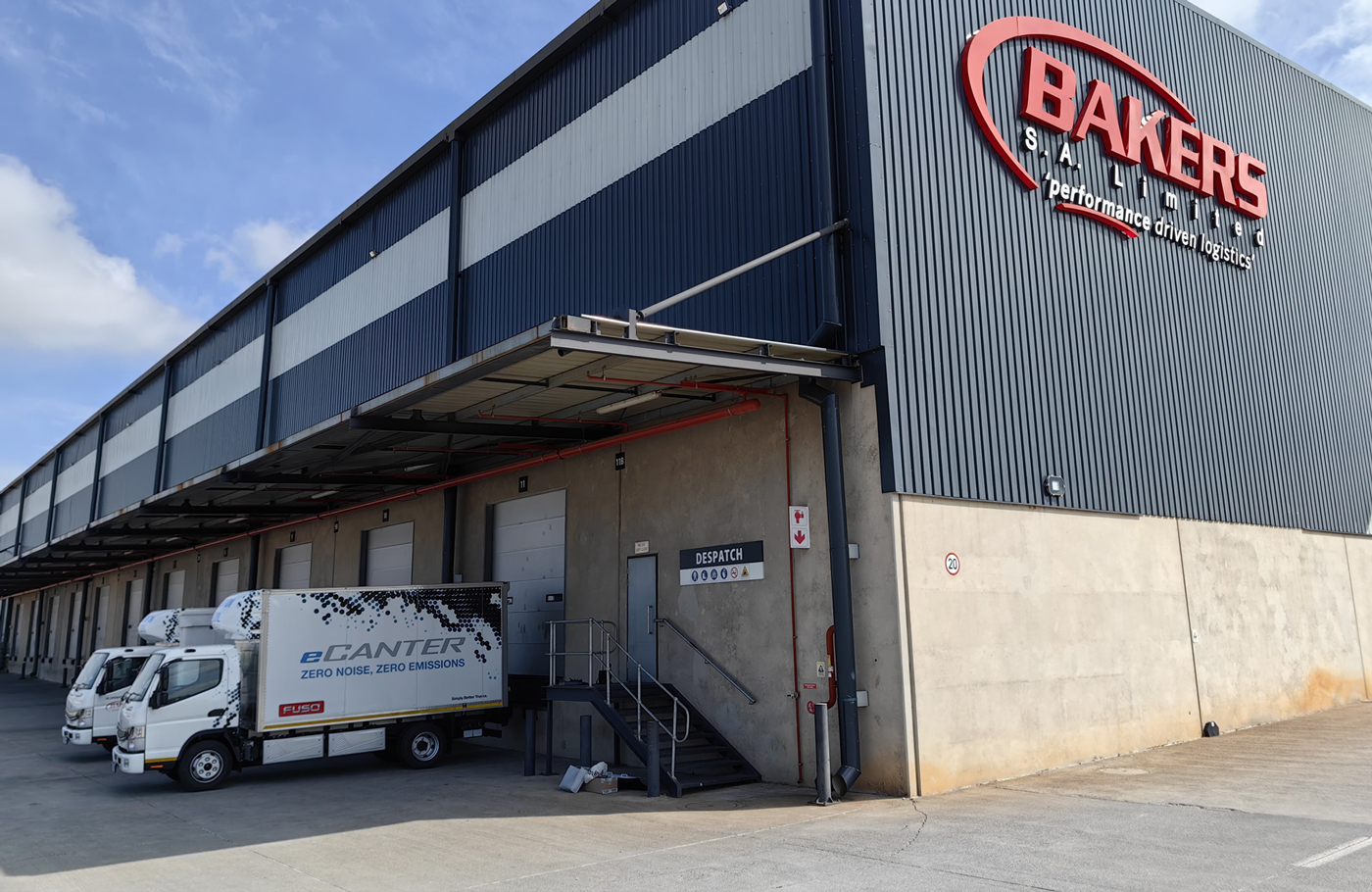
Electric trucks are becoming increasingly common in global markets, but in South Africa, the transition is still in its infancy. To explore the potential of electric mobility, Bakers SA Limited (Bakerโ€™s) conducted a trial of two eCanters over a three-month period, evaluating their performance, feasibility, and economic impact.

Initial learning curve

Bakersโ€™ trial with the eCanter began in April 2024 and ran until the first week of August 2024, covering a wide range of operational scenarios. For the company, using the electric vehicles (EVs) was an entirely new experience. โ€œIt was our first hands-on experience with an EV,โ€ Hansa admits. โ€œWe were unsure of how to approach it and what to expect, but with the support from the Daimler and charging infrastructure teams, it made the transition much easier.โ€

Despite initial hesitations, the learning curve was manageable. โ€œWe quickly realised that planning was key,โ€ Hansa explains. โ€œWith the first-generation eCanter having a 100-km range, we needed to be strategic about our drop sizes and delivery schedules. It took us out of our comfort zone, but it was a good experience overall.โ€

Testing routes and real-world performance

The two eCanters were tested under different operational conditions. โ€œOne vehicle was on a fixed route between Johannesburg and Pretoria, while the other was deployed dynamically for last-mile urban deliveries,โ€ says Hansa. Initially, a conservative approach was taken, limiting operations to a 25-km radius to mitigate range anxiety. However, as confidence grew, drivers began pushing the limits.

โ€œDrivers were very nervous at first,โ€ Hansa recalls. โ€œThey were worried about running out of charge and getting stranded, but as time went on, they became more comfortable. Eventually, they were pushing it to the limit, and we saw them returning to the depot with as little as 15 to 20% charge left โ€“ which is still quite safe.โ€

Energy savings and cost efficiency

One of the biggest revelations of the trial was the significant energy cost savings. โ€œWe ran very low mileages during the trial โ€“ about 2,000km/month per truck,โ€ Hansa notes. โ€œEven at this reduced usage, we saw a 70% reduction in energy costs compared to diesel trucks. Thatโ€™s massive.โ€

However, he does point out that for maximum viability, electric trucks need to be operated at higher mileages.

Driver feedback and adaptation

Driver feedback was crucial in determining the viability of the eCanter. โ€œInitially, there was a mental barrier to overcome,โ€ Hansa admits. โ€œThey were used to diesel trucks and had no prior experience with EVs.โ€

Once on the road, however, drivers found the transition smoother than expected. โ€œThey really liked the instant torque, the quietness of the vehicle, and the overall driving experience,โ€ says Hansa. โ€œFrom a comfort perspective, they preferred the eCanter over diesel trucks.โ€

Charging infrastructure and challenges

To support the eCanter, Bakers installed a DC fast charger at its depot. This investment came at a considerable monthly cost during the trial period. โ€œIt was a hefty investment, but weโ€™ve since switched to a more cost-effective permanent solution,โ€ Hansa reveals.

Fortunately, power availability was not an issue. โ€œWeโ€™ve never struggled with electricity supply,โ€ he confirms. โ€œThat was one of our concerns going in, but it turned out to be a non-issue.โ€

Customer response and long-term plans

Clients were intrigued by Bakersโ€™ venture into electric mobility. โ€œA lot of our customers have ESG targets, and they were very keen to see how EVs could fit into their supply chain,โ€ says Hansa. โ€œWeโ€™ve already begun discussions about bringing EVs into our fleet permanently within the next year.โ€

One of the most interesting commercial aspects of electric trucks, he notes, is the potential for longer-term contracts. This trend is already being seen in Europe, where transport companies are increasingly securing longer-term contracts with their clients when investing in electric trucks. This strategy ensures a return on the substantial investments required for EV integration and aligns with sustainability goals. Extended agreements provide stability and facilitate the seamless incorporation of EVs into existing fleets. Accordingly, in Europe, some companies running electric fleets are now securing five-year contracts instead of the typical two-year agreements.

Addressing concerns about battery life and sustainability

A common concern about EVs is battery degradation and recycling. โ€œWe obviously havenโ€™t encountered battery-related issues yet, but itโ€™s something we are keeping a close eye on. We need clear end-of-life solutions from manufacturers,โ€ says Hansa.

Another factor is dirty electricity. โ€œRight now, South Africaโ€™s grid is still heavily reliant on coal,โ€ he acknowledges, โ€œbut we are actively exploring solar charging solutions. Some of our customers already have solar setups at their sites, which means our EVs can be charged using renewable energy.โ€

Final verdict: Is South Africa ready for electric trucks?

Looking ahead, Bakers remains optimistic about electric mobility. โ€œI think widespread adoption will happen, but it will take time,โ€ Hansa predicts. โ€œWe need the right government incentives, better public charging infrastructure, and a more stable energy grid. But the cost savings are undeniable, and thatโ€™s what will ultimately drive adoption.โ€

The right level of support is also essential. โ€œOne key aspect that deserves emphasis is the invaluable support provided by Daimler Truck SA and the Fuso team throughout the process. Their technical expertise, proactive engagement, and assistance in charging infrastructure made the transition to electric mobility significantly smoother,โ€ he stresses.

โ€œAnother positive our real-world testing demonstrated was that eCanter could achieve ranges higher than the OEM claimed. In some cases, we achieved about 120km while still retaining around 20% charge. This exceeded initial expectations and provided further confidence in the vehicleโ€™s capabilities for last-mile and urban logistics.โ€

For now, Bakers is positioning itself as a leader in the shift to EVs. โ€œWe are committed to this journey,โ€ Hansa concludes. โ€œWe know it wonโ€™t be easy, but the future of transport is electric, and we want to be at the forefront of that change.โ€

Actual POC Trial Data

Month

Running days

Total km

Avg km/day

Total kWh used

Energy cost

EV maintenance cost

Cost/km

April

7

948

135.43

78.61

ย R94.34

ย R213.30

ย R0.32

May

26

2,031.03

78.12

1,365.28

ย R1,638.33

ย R456.98

ย R1.03

June

22

2,023.52

91.98

1,360.23

ย R1,632.28

ย R455.29

ย R1.03

ย ICE Data for Trial Period based on actual EV running data

Month

Running days

Total km

Avg km/day

Diesel used

Diesel cost

ICE maintenance cost

Cost/km

April

7

948

135.43

104.28

ย R2,378.63

ย R 711.00

ย R3.26

May

26

2,031.03

78.12

223.41

ย R5,016.07

ย R1,523.27

ย R3.22

June

22

2,023.52

91.98

222.59

ย R4,754.47

ย R1,517.64

ย R3.10

Comparison of running EV vs ICE

ย 

ย 

EV

ICE

Month

EV cost

ICE cost

Saving

ย 

ย 

Cost/km

Cost/km

April

R307.64

ย R3,089.63

ย R2,781.99

ย 

ย 

ย R0.32

ย R3.26

May

R2,095.31

ย R6,539.34

ย R4,444.02

ย 

ย 

ย R0.59

ย R3.22

June

R2,087.57

ย R6,272.11

ย R4,184.54

ย 

ย 

ย R1.03

ย R3.10

ย ย 

Total

ย R11,410.55

ย ย ย ย 

Published by

Focus on Transport

FOCUS on Transport and Logistics is the oldest and most respected transport and logistics publication in southern Africa.
Prev ACT Expo 2025 maps the future of freight
Next Goodyearโ€™s sustainable tyre makes truck racing debut

Leave a comment

This site is protected by reCAPTCHA and the Google Privacy Policy and Terms of Service apply.