DKS drives township logistics
Delivery Ka Speed SA is showcasing the growing role of black-owned enterprises in South Africaโs logistics landscape. JULIA TEW reports on a new generation of entrepreneurs rewriting the rules of logistics.
From a handful of bicycles in Hammanskraal to a fleet of around 200 light commercial vehicles (LCVs) serving four provinces, the companyโs meteoric rise as a township logistics specialist reflects the power of innovation rooted in community.
Godiragetse Mogajane founded Delivery Ka Speed (DKS) in 2021 as a university student. The idea took shape when he noticed a stark contrast between city life and his hometown. In Johannesburg, food and parcels arrived at the tap of a button; in Hammanskraal, most delivery apps wouldnโt even cross into the township. So he built his own solution: DKS, a WhatsApp-based food delivery service connecting local merchants and customers who often lacked formal addresses. The name means โSpeedy Deliveryโ in sePitori (Pretoria Sotho). Within months, Mogajane had dozens of riders ferrying meals across Gautengโs townships on bicycles, scooters and e-bikes.
What began as a community-driven hustle quickly grew into a scalable business model โ one that attracted national attention and multiple awards, including three honours at the 2024 Township Economy Awards. Yet, as the businessgained visibility, Mogajane recognised that the real opportunity lay beyond food delivery. In 2023, he pivoted DKS into a business-to-business (B2B) logistics provider, helping major brands such as Tiger Brands, Spar, Shein, Alibaba and Waltons reach township retailers and spaza shops that traditional courier networks overlook.
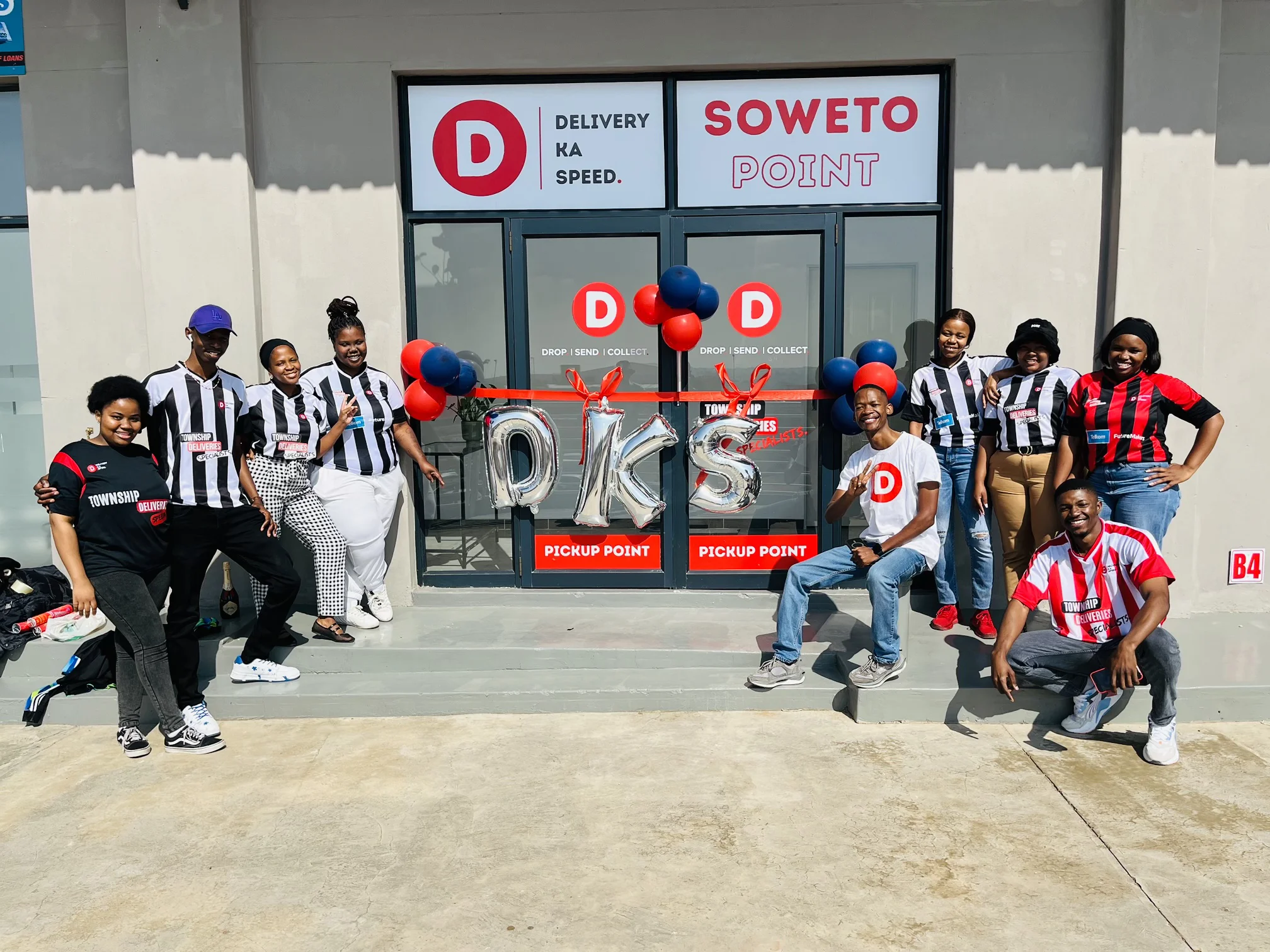
Today, the companyโs national footprint consists of the whole of Limpopo, Gauteng and North West Province, as well as parts of the Western Cape, with operational hubs in each province. As DKS continues to expand nationally, its focus is on scaling with intention rather than chasing size, with Mogajane noting that it recently opened its first retail collection point in Soweto.
Strategically located within townships, collection points make e-commerce deliveries smoother, faster and more accessible for local residents โ even those without street addresses. Itโs a milestone that enhances both driver efficiency and customer convenience, effectively bridging the last-mile delivery gap for underserved communities.

Safe, reliable and impactful
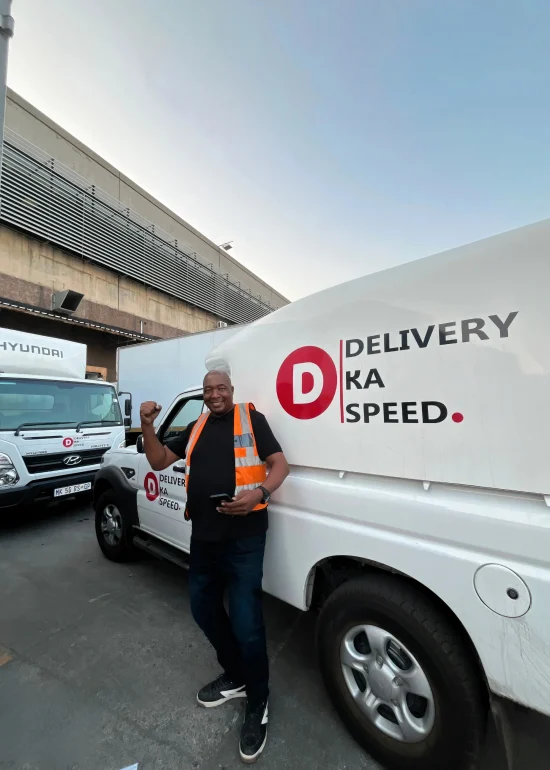
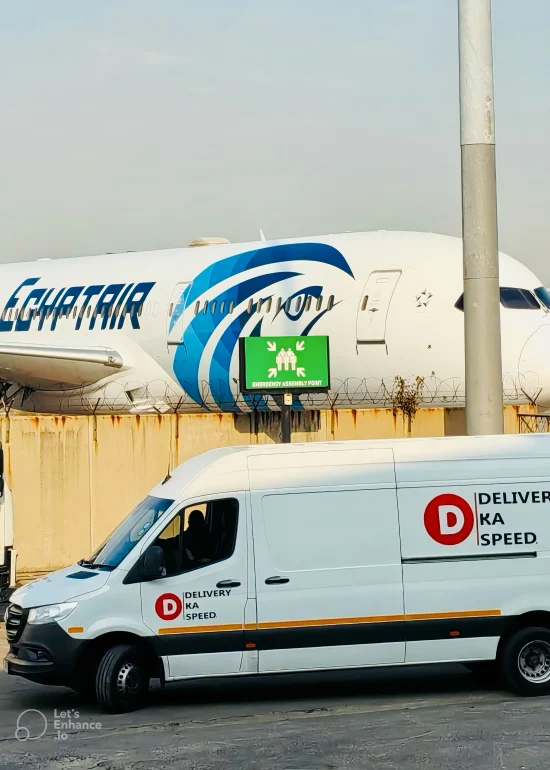
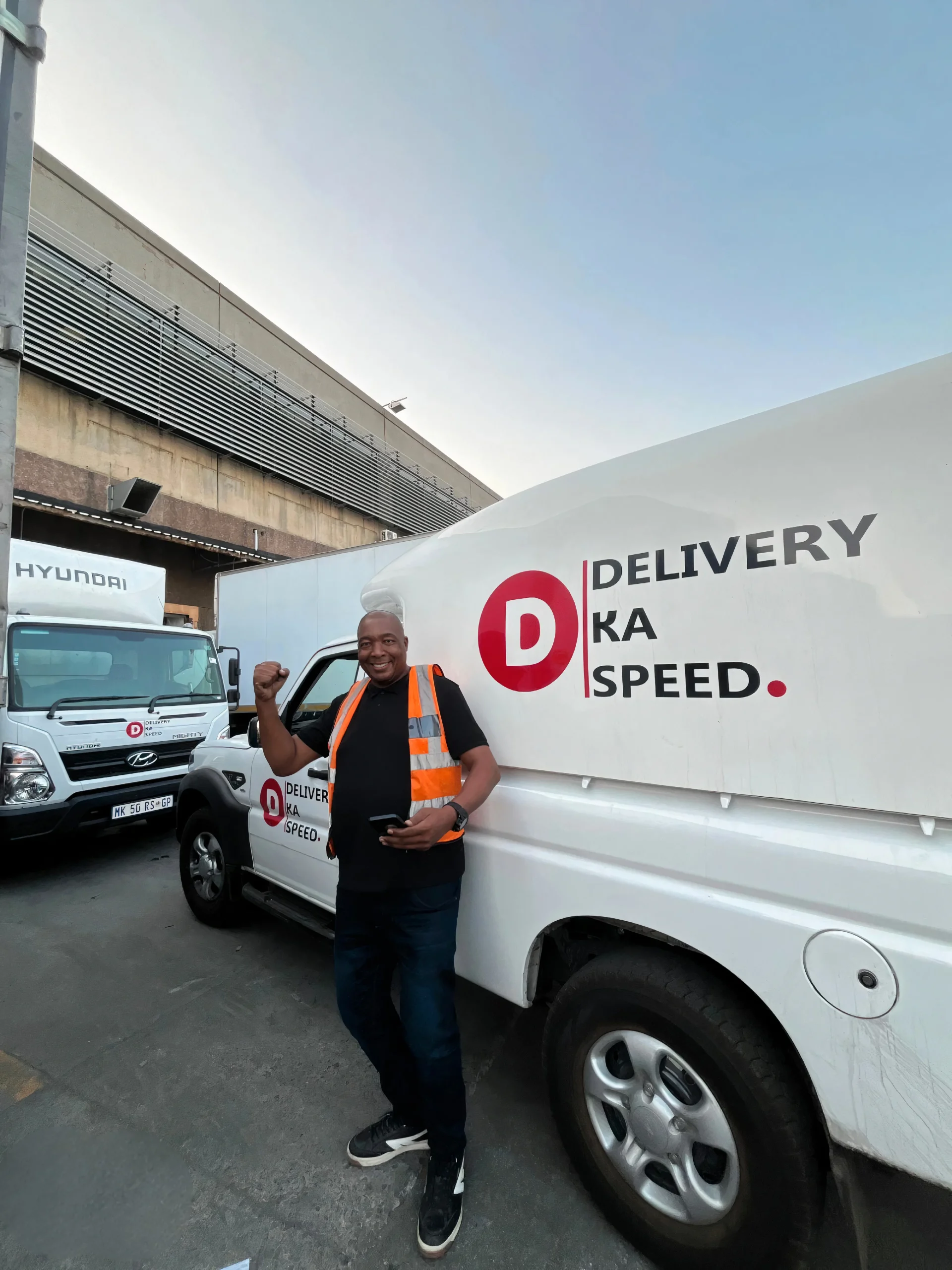
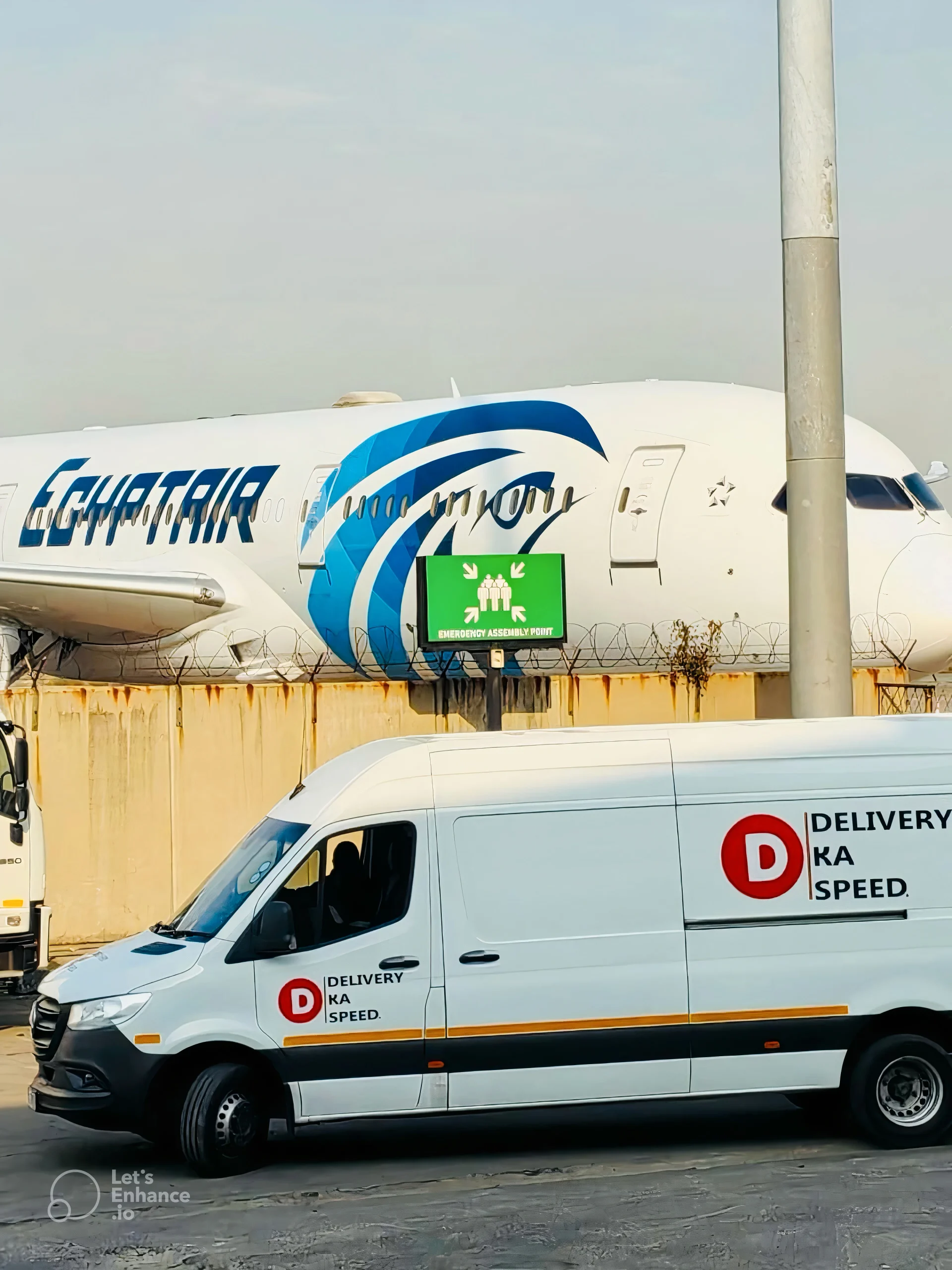
Though DKS operates in areas some regard as high-risk, its track record is spotless โ testament to its community-first ethos and deep local trust. Each vehicle is clearly branded, proudly declaring DKS as a black-youth-owned business, a symbol that resonates with young people who see in the brand a tangible example of possibility and progress.
The next phase of its journey centres around building smarter systems and sustainable capacity that align closely with client needs. Through data-driven planning, DKS has identified key regions where last-mile efficiency and township accessibility can create the greatest impact. Additionally, with operations running 24/7 and strategic partnerships expanding, DKS is supporting the growth of its fleet โ the backbone of its logistics network โ as it accelerates towards national reach.
Tech-enabled network
When DKS transitioned into the B2B logistics space, its priority was to build a reliable, tech-enabled network that could serve both urban and township areas with consistency and speed. โWe began with a small, strategically selected fleet that could navigate the diverse delivery conditions across South Africa,โ explains Mogajane. โWe focused on vehicles that offered low maintenance costs, fuel efficiency and adaptability to various load sizes, ensuring that every decision aligned with our broader mission to empower youth and strengthen township logistics capacity.โ
As client demand increased, particularly in the e-commerce and corporate sectors, DKS expanded its fleet to meet the diverse needs of its partners. The model is hybrid: the majority of vehicles in the fleet are driver-owned, while DKS has invested in around 15 of its own LCVs โ predominantly GWM panel vans โ as well as a four-tonne truck more recently.
โJust a year ago, we had a humble fleet of five vehicles and today we operate a balanced mix of over 200 vehicles designed for short-distance, last-mile and regional deliveries,โ elaborates Theo Baloyi, the companyโs public relations and marketing specialist. โEvery vehicle we add is selected based on performance data, route analytics and driver input, allowing us to maintain agility and efficiency as we scale.โ
Focus on fleet performance
As the operation grew, fleet management became a critical part of the DKS structure. โWe established a dedicated internal operations team responsible for day-to-day fleet performance, maintenance coordination and driver oversight,โ says Baloyi. โThe systems they use are designed to enhance efficiency and ensure accountability across every delivery touchpoint.โ
The digital tools and systems monitor operations, optimise routing and track service quality for clients, while also focusing strongly on driver welfare and safety. Vehicle maintenance and performance tracking are managed through partnerships with accredited service providers that meet the companyโs standards of dependability and safety. โInstead of committing to specific dealerships or brands, we work with trusted partners in the townships who understand our operational environment and can support our focus on uptime and reliability,โ adds Baloyi.
He says DKS will continue to evolve its fleet management strategy alongside technological advancements, incorporating more automation and predictive systems that improve decision-making around vehicle deployment, fuel optimisation and safety.
Driver development is another of the companyโs top priorities. โWe invest in continuous weekly training and mentorship to ensure that our drivers not only operate safely but also represent the professionalism and customer experience that DKS is known for,โ Baloyi says.
Drivers also benefit directly through the companyโs Earn Ka Speed programme. A milestone in September 2025 saw over R1.2 million paid in driver earnings alone, reflecting an ongoing commitment to combating youth unemployment and providing meaningful income opportunities.
Lessons for logistics start-ups
The journey of DKS provides lessons for logistics start-ups and has reinforced the narrative that purpose must always guide strategy. โWe started this business to address real challenges in our townships โ improving access for underserved communities while creating employment opportunities for young people โ and that mission still anchors everything we do,โ reiterates Mogajane. โPeople remain the foundation of our success. Technology is only as effective as the drivers and teams behind it, so investing in their development has been crucial.โ
The founder adds that adaptability has also been key, as entrepreneurs need to stay conscious of market shifts and continuously re-evaluate their models. โItโs important to regularly review systems, structures and processes to ensure they align with changing markets and operational realities,โ he expands.
Lastly, partnerships matter. โGrowth in logistics is not a solo journey. Collaboration with like-minded businesses has allowed us to grow sustainably and build a logistics network that connects people, communities and opportunities across South Africa,โ Mogajane stresses.
As DKS looks ahead, its expanding fleet is more than a collection of vehicles: itโs a symbol of mobility, inclusion and momentum for a new generation of township entrepreneurs.
Published by
Focus on Transport
focusmagsa