The sustainability and cost case
A second Kal Tire and Michelin whitepaper, released in January 2026, makes the case that mining tyre strategy is also a major, underused lever for both cost savings and emissions reduction – not a trade-off between the two.
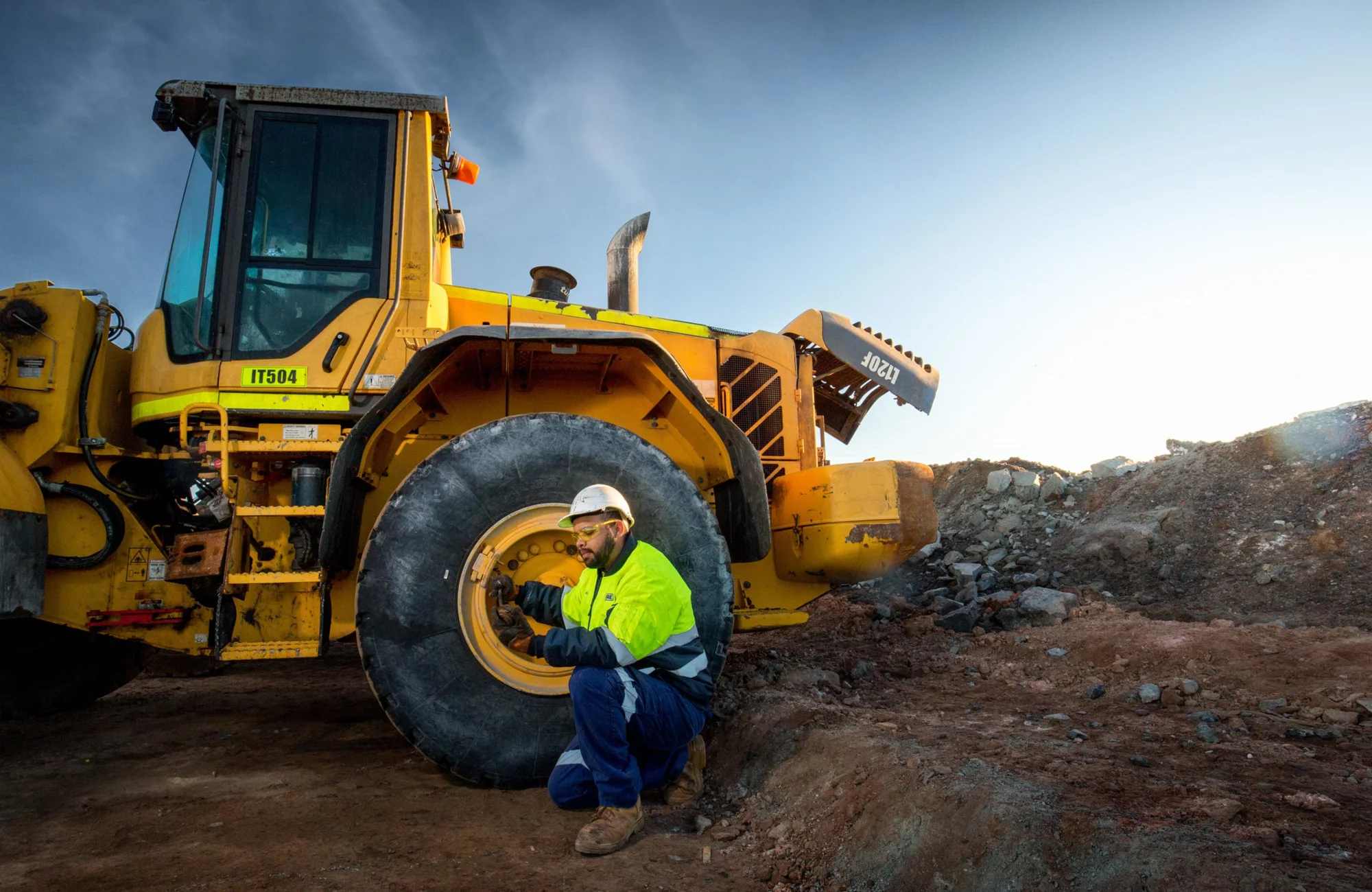
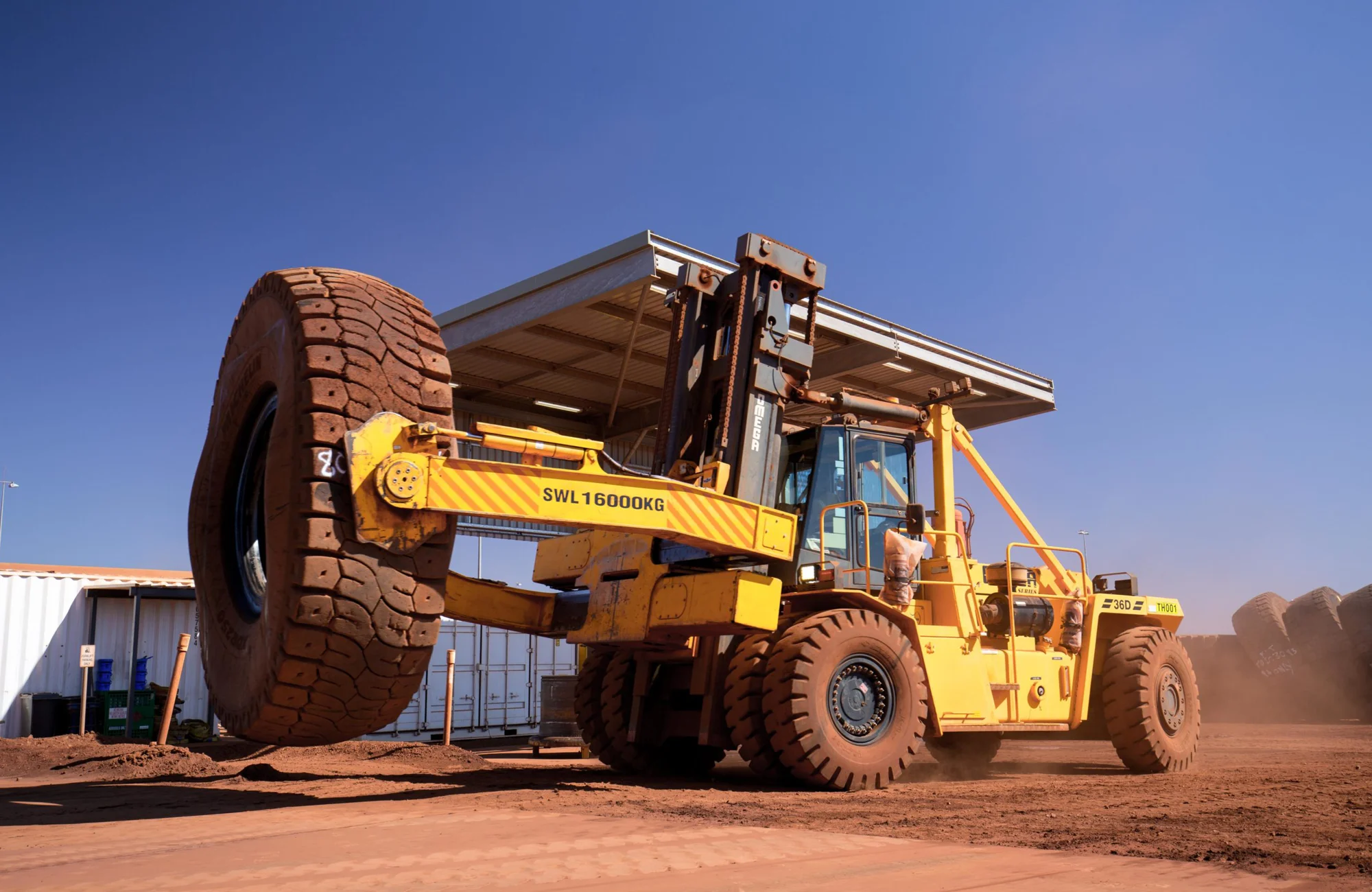
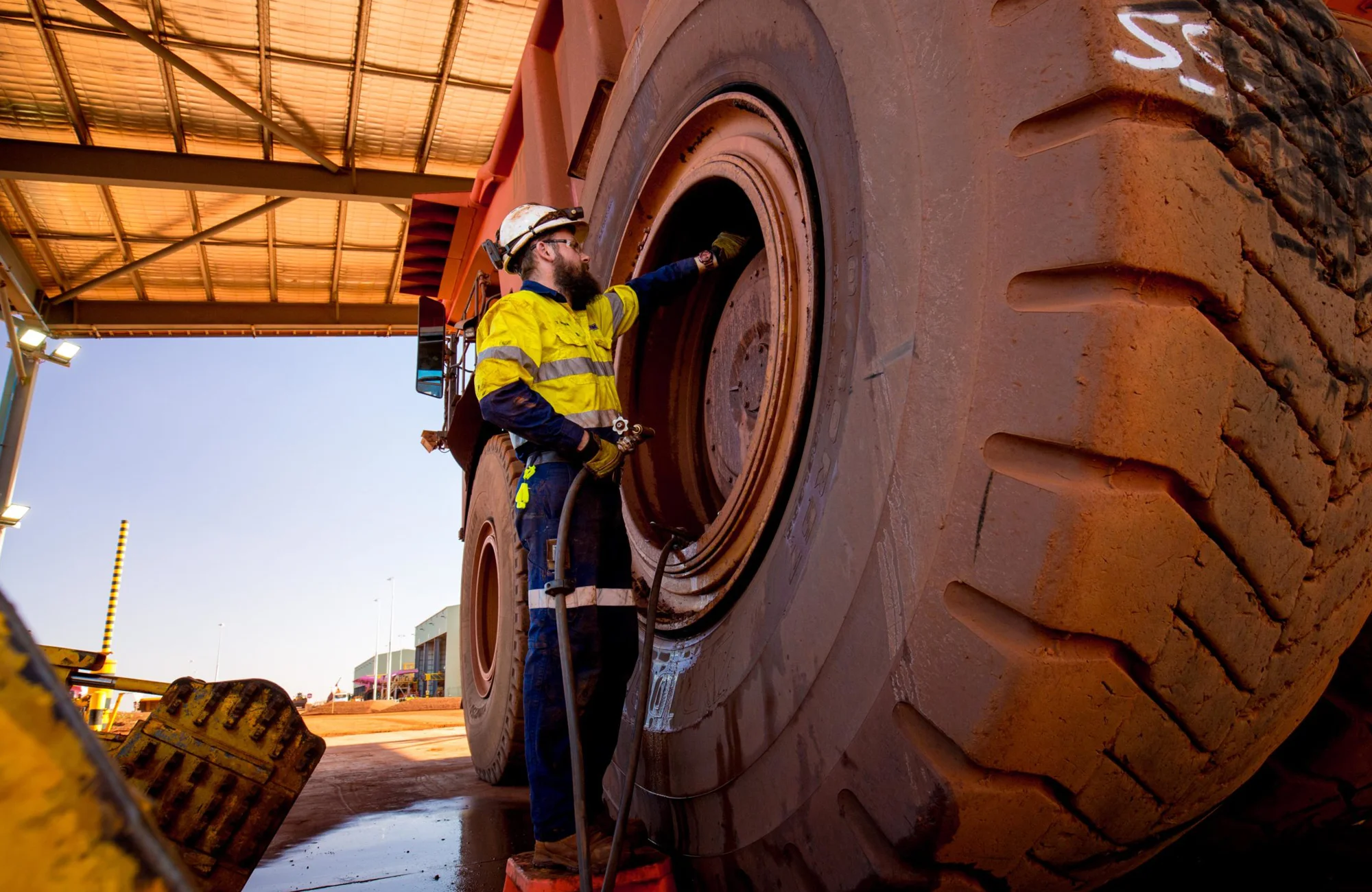
Tyres are typically a mine’s second-highest operating cost after fuel: the average large metal mine uses around 900 mining tyres a year. Poor practices like underinflation, wrong tyre selection and inadequate maintenance drive up fuel burn (and consequently Scope 1 emissions), while overinflation alone is linked to most of the tyre damage on trucks and loaders. An estimated 90% of off-the-road tyres never reach their full intended service life, meaning mines routinely buy (and then dispose of) more tyres than necessary, generating avoidable Scope 3 emissions in the process – from raw materials through to manufacturing, transport and disposal.
Fitting the right compound to site conditions – heat-resistant for long, hot hauls; cut-resistant for short, abrasive routes – extends tyre life and lowers total cost of ownership (TCO). Michelin points to its XDR 4 SPEED ENERGY tyre, due to launch commercially in 2026, as an example: it’s projected to deliver around 3.6% better fuel efficiency than its predecessor, worth roughly US$24,000 (about R383,000) in annual fuel savings per truck, or close to US$1.2 million (over R19 million) a year across a 50-truck fleet.
Technology is central to capturing these gains. Kal Tire’s TireSight autonomous inspection system runs at over 20 sites across Canada, Chile, Colombia and Zambia, using thermal imaging to catch tread separation and other damage early, reducing unscheduled downtime and the risk of tyre fires.
At one Chilean copper mine, it has cut inspection-related downtime by 20%; a separate trial integrating TPMS data into Kal Tire’s Tire & Operations Management System reduced technicians’ tyre-related exposure time by 40%. Haul road condition monitoring, satellite-based driver behaviour tools and volumetric load-scanning technology round out a growing toolkit for reducing unnecessary tyre wear and fuel burn.
Extending tyre life through repair and retreading is presented as one of the highest-impact, lowest-cost sustainability levers available. Kal Tire estimates that repairing 10 ultra-class haul truck tyres through its KalPRO Ultra Repair service, instead of replacing them, can cut costs by 87% and save 373 tonnes of CO2 as well as 8,050 litres of oil. A separate technical study by Michelin at a North American iron-ore mine found that correcting a tyre-compound mismatch – alongside a tailored rotation programme and better pressure management – unlocked US$1.9 million (over R30 million) in annual gains after a tyre switch had caused an 18% productivity drop.
The bottom line
The bottom line is that mining’s large scale, harsh operating conditions and safety stakes mean tyres can’t be managed with generic, reactive practices. Purpose-built tooling, autonomous inspection, standardised training and data-driven tyre and haul road management are the practical route to fewer injuries, lower costs and a smaller carbon footprint. These outcomes are best achieved, Kal Tire argues, through closer collaboration between mining companies, OEMs, tyre manufacturers and training bodies.