IAA Transportation prepares for a changing world
Europe’s commercial vehicle (CV) industry is confronting decarbonisation, infrastructure shortages, protectionism and rising costs, while accelerating investment in electric, hydrogen, connected and software-defined transport technologies.GIANENRICO GRIFFINI speaks to Jürgen Mindel, managing director of the VDA, the German Association of the Automotive Industry, about IAA Transportation and the challenges facing the sector.
As Europe’s automotive industry prepares to showcase its latest products at IAA Transportation in Hanover, it faces major challenges, but also significant opportunities. The continuing energy transition, uncertainty over the pace of implementation and the practical feasibility of the European Green Deal – the European Commission’s plan to achieve climate neutrality – are causing concern among commercial and industrial vehicle manufacturers.
Added to this are growing protectionism, restrictions on exports of strategic raw materials, geopolitical tensions and inflationary pressures. On the other hand, manufacturers are pursuing some important technological developments, such as the electrification of transport. This includes long-haul operations, software-defined vehicles and value-added services enabled by connectivity. These issues were discussed with the VDA, which organises IAA Transportation.
Gianenrico Griffini: What can we expect from the upcoming IAA Transportation in terms of innovation and technological breakthroughs? Will there be more electric trucks, autonomous vehicles and software-defined vehicles? What else can visitors expect?
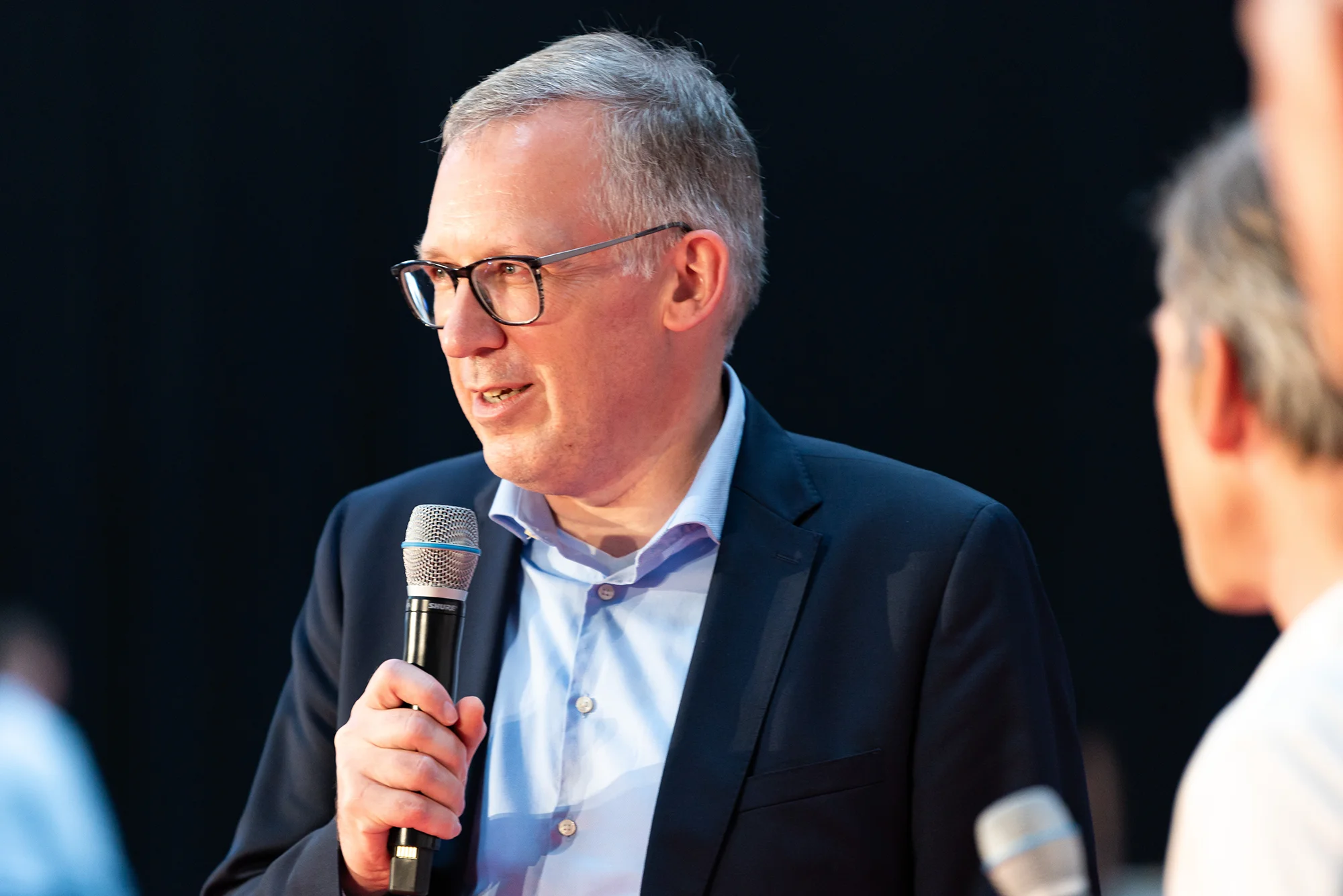
Jürgen Mindel: Hanover will provide an ideal stage for our highly innovative industry. In this context, the slogan for the 2026 edition – “We deliver” – could not be more appropriate. At IAA Transportation, visitors will be able to experience first-hand what the logistics sector is capable of. We will see the achievements of an automotive industry that does not simply talk about targets, but takes concrete steps towards achieving them.
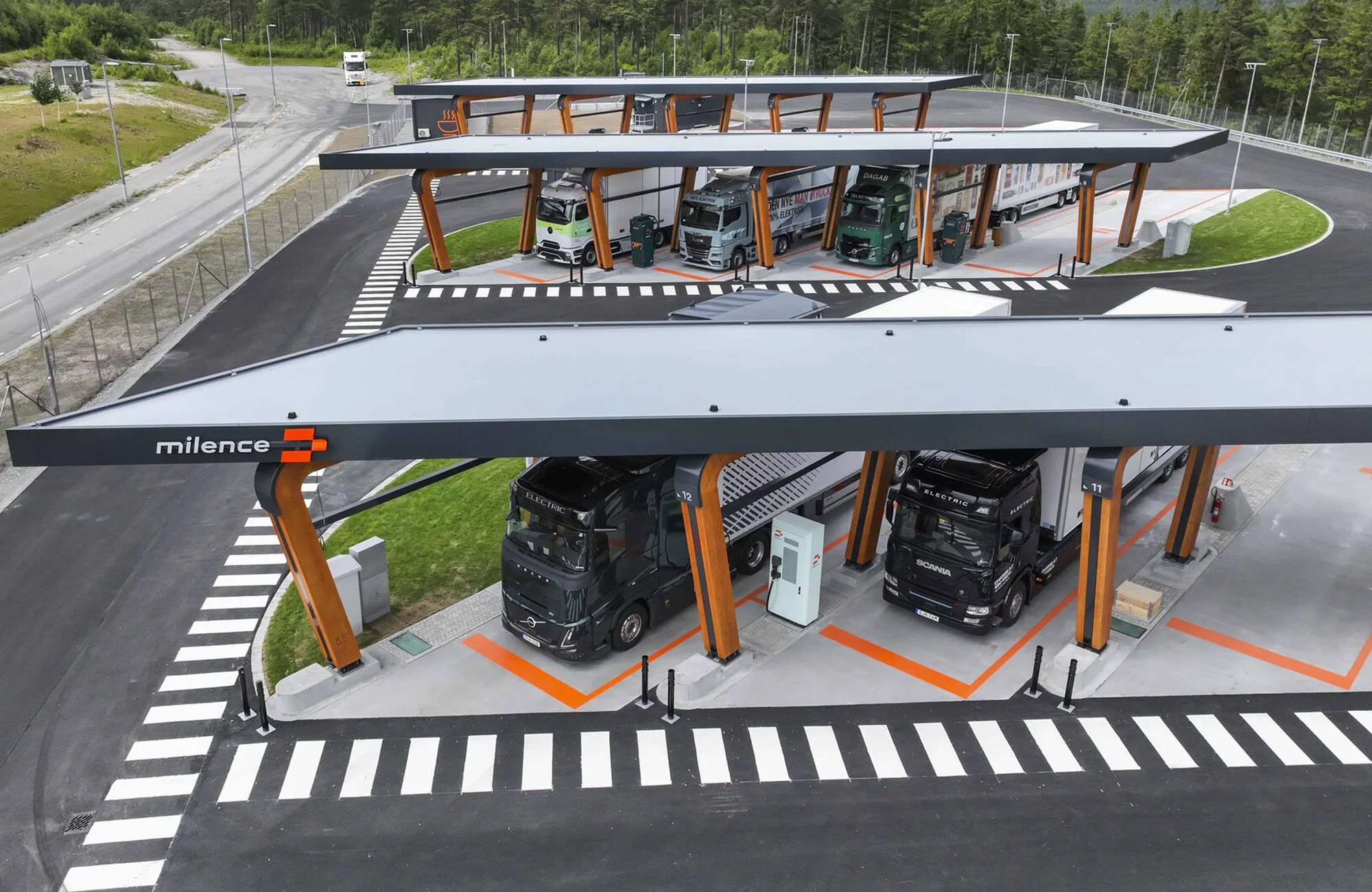
By providing digital solutions and green innovations across different vehicle types, the industry is demonstrating the role it can play in shaping the future of transport and logistics in Germany and throughout Europe. We will see progress in alternative powertrains, connected and autonomous vehicles, software-based logistics solutions and charging infrastructure.
Software-defined vehicles will be one of the central themes at this year’s show. They will feature prominently on exhibitors’ stands and will also play an important role in the conference programme.
Griffini: What is the mood among automotive companies weeks before the show opens? Is uncertainty affecting the sector and companies’ strategic decisions?
Mindel: It is certainly no surprise that geopolitical tensions and protectionist trends represent some of the biggest challenges facing the global automotive industry. Whether we are talking about tariffs imposed by the United States, the broader return of protectionism or China’s restrictions on exports of critical raw materials, there is no doubt that the international division of labour has come under pressure.
At the same time, Europe’s competitiveness as a location for industrial investment has deteriorated significantly in recent years. Berlin, representing Germany, and Brussels, representing the European Union (EU), urgently need to improve conditions for industry. This means reducing bureaucracy and energy costs, expanding trade agreements and maintaining an open approach to technology.
European policymakers have also neglected important responsibilities relating to CO₂ fleet regulations for heavy-duty CVs. The necessary framework must be created if these targets are to be achieved. In particular, Europe lacks adequate charging and hydrogen refuelling infrastructure, as well as the necessary expansion of electricity networks. Corrective action has therefore become increasingly urgent.
Potential fines under heavy-duty CV fleet regulations also need to be reconsidered. The current threat of penalties risks undermining the transition towards climate-neutral mobility, Europe’s position as an industrial centre and the viability of many companies, particularly small and medium-sized enterprises. In other words, we urgently need a reality check, followed by adjustments based on what that assessment reveals.
Published by


focusmagsa