Revealed: the world’s best trucks, vans and innovations
The finalists are in: trucks, vans and breakthrough technologies will compete for three major international awards at IAA Transportation, highlighting the industry’s rapidly changing technological direction and priorities in 2026.
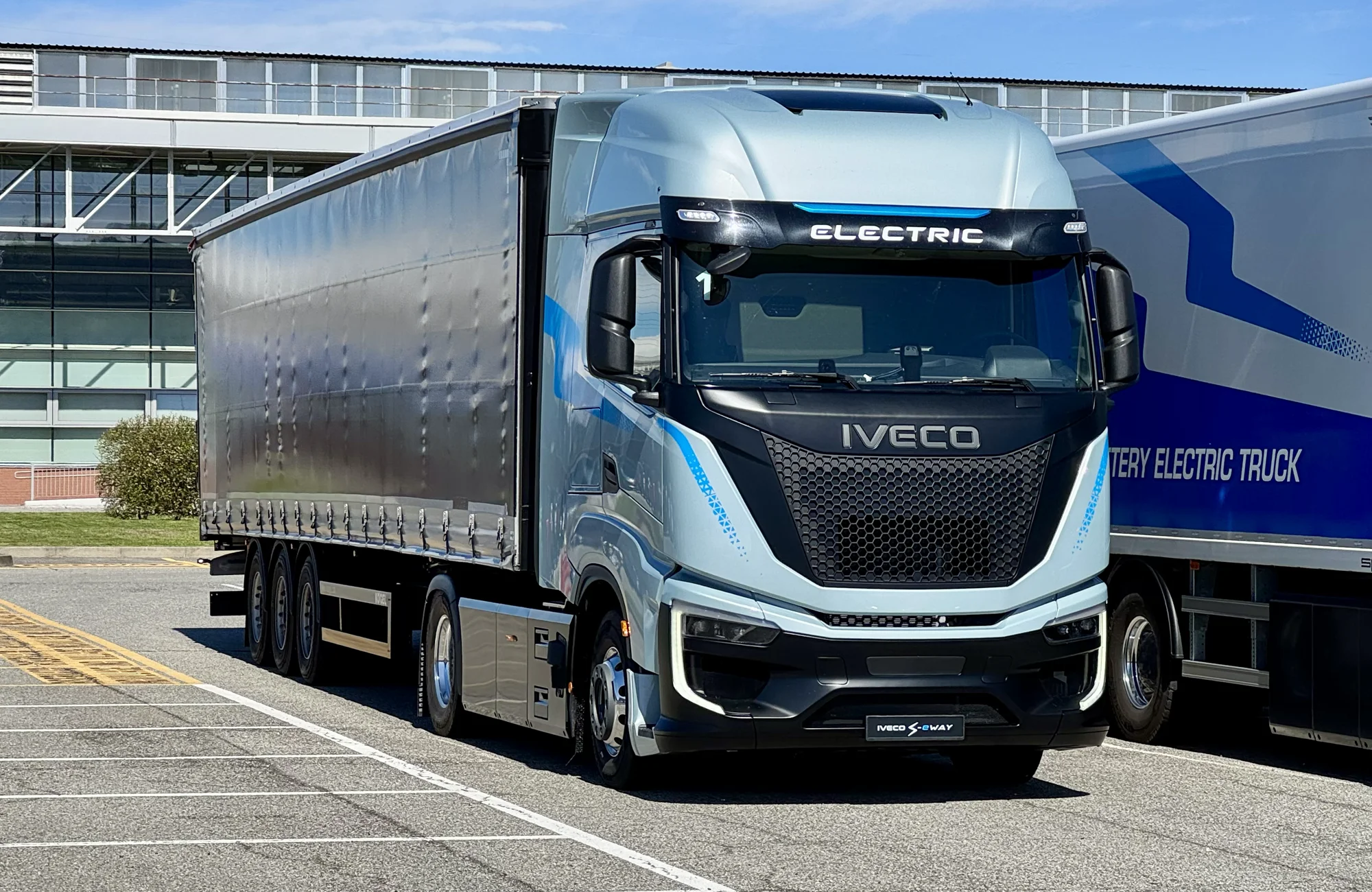
The finalists for the 2027 International Truck of the Year (IToY) award have been confirmed, with the Iveco S-eWay Aero, new Ford F-Max, MAN eTGM, Mercedes-Benz eArocs 400 and Volvo’s new electric range making the final cut.
Awarded annually by the IToY jury, the title recognises the vehicle introduced in the previous 12 months that has made the greatest contribution to road transport efficiency. The assessment covers technological innovation, comfort, safety, driveability, energy efficiency, environmental performance and total cost of ownership (TCO).
“This year’s finalists underline how broad the definition of progress in road transport has become,” says Florian Engel, chairperson of the IToY jury. “We are looking not at a single technology, but at how effectively each vehicle addresses the real needs of operators and drivers.”
New Ford F-Max
Ford Trucks returns to the IToY final with the new F-Max, an evolution of the model that won the 2019 title. The latest truck introduces an updated 510-hp (375-kW) Ecotorq powertrain, together with revisions to the cab, driver environment, digital systems and efficiency package. Its nomination ensures that the internal combustion engine remains firmly part of the 2027 contest at a time of rapid powertrain change.
Iveco S-eWay Aero
The Iveco S-eWay Aero represents the Italian manufacturer’s latest development in battery-electric heavy transport. The wider S-eWay programme combines lithium iron phosphate (LFP) battery technology, an FPT Industrial eAxle and an aerodynamically focused cab concept, with the platform targeting longer-distance electric operation. The jury will examine how effectively electrification, aerodynamics, usable battery capacity and vehicle integration come together in a practical heavy-duty transport package.
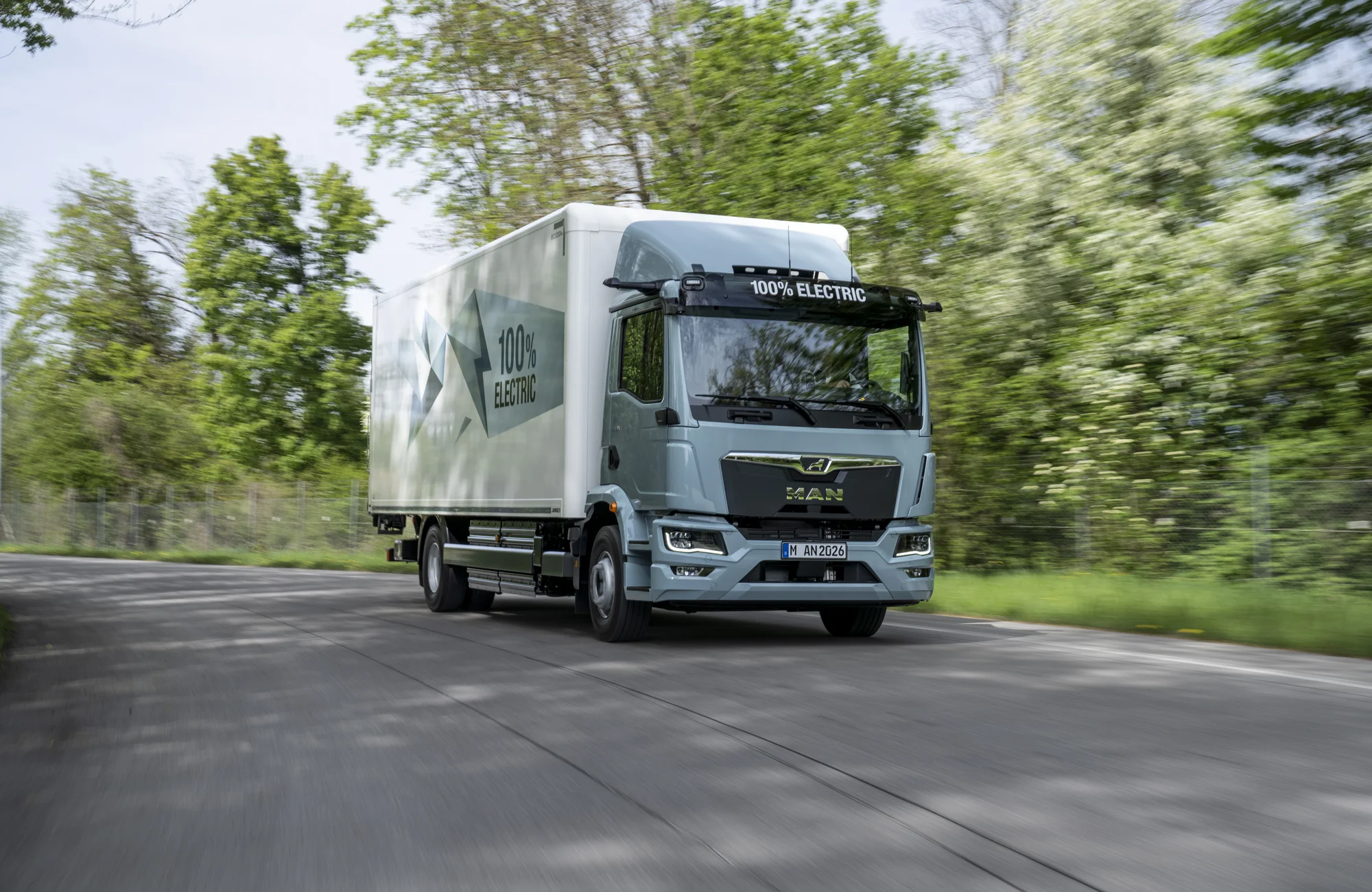
MAN eTGM
The MAN eTGM brings battery-electric propulsion to the medium-duty distribution sector. Its modular battery concept allows operators to choose between two, three or four battery packs, balancing payload, range and cost according to the application. In four-battery form, MAN quotes a range of up to 480km for solo distribution work. Bodybuilder flexibility and an optional mechanical power take-off also strengthen its case for real-world usability.


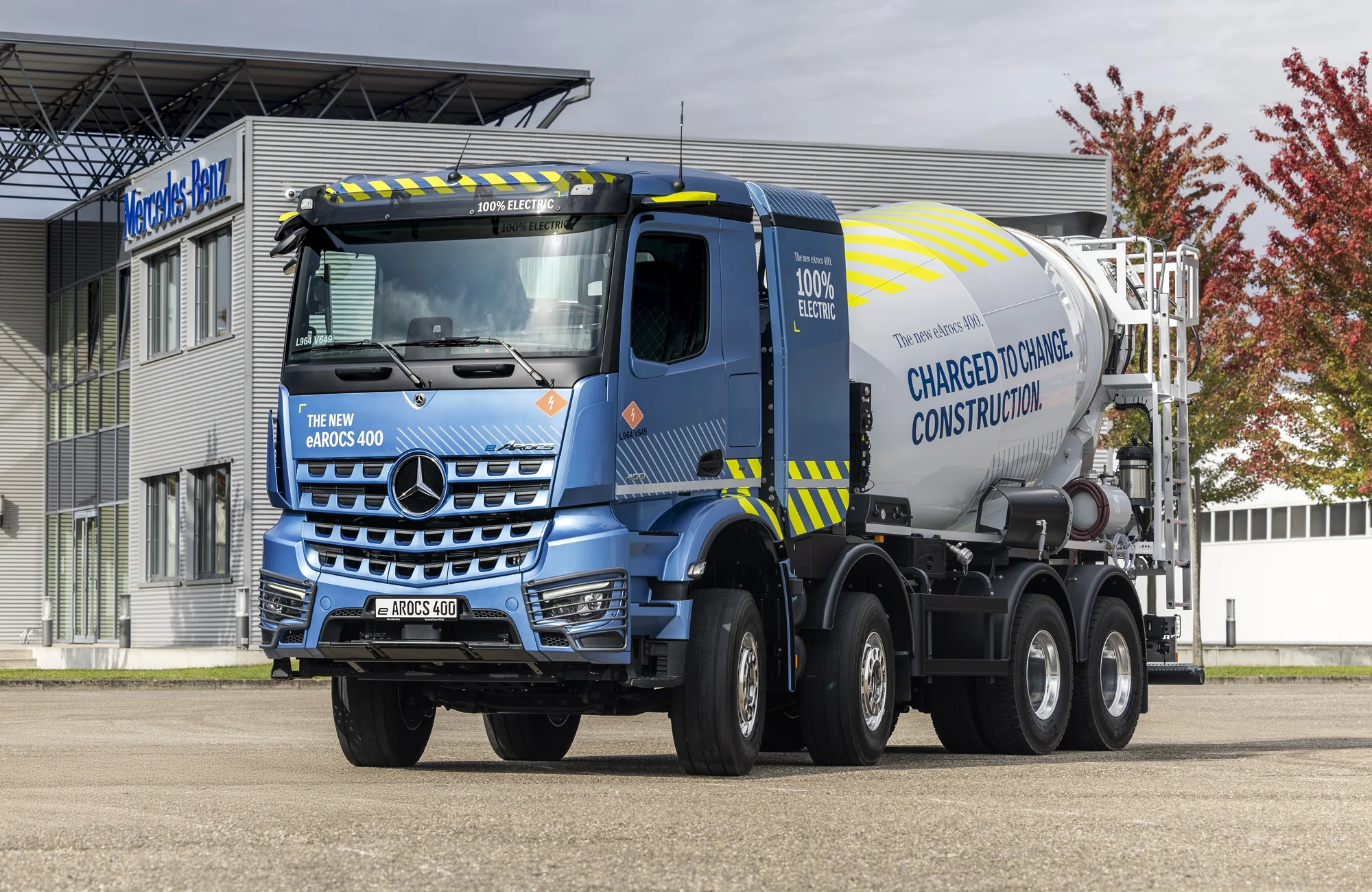
Mercedes-Benz eArocs 400
Mercedes-Benz’s new eArocs 400 brings battery-electric power to demanding construction applications. Available as a concrete mixer or tipper, it uses two LFP battery packs with 414kWh of installed capacity, delivering a range of up to 240km. With 380kW of continuous output, 400kW CCS charging and the robust underpinnings of the Arocs, it is another zero-tailpipe-emission finalist.
Volvo’s new electric range
Volvo enters the final with a substantially revised heavy-duty electric range spanning the FH, FM, FMX and FH Aero Electric. The new generation introduces revised electric drivetrains, greater application flexibility and longer ranges. The FH Aero Electric with extended range is quoted at up to 700km on a charge, while the next-generation FH, FM and FMX Electric Versatile models offer ranges of up to 470km.
A demanding field
Engel says the shortlist reflects both the rapid advance of electrification and the different ways manufacturers are tackling the efficiency challenge. “The strong presence of battery-electric trucks in this year’s final reflects the pace at which that technology is developing,” he says. “But these vehicles are designed for very different applications and operating requirements. The jury’s task is to look beyond headline figures and assess how effectively each truck works as a complete transport solution. Efficiency, safety, driver acceptance, environmental performance and operating cost all have to work together.”
International Van of the Year finalists revealed
Meanwhile, as the annual competition marks its 35th anniversary, the shortlist for the International Van of the Year 2027 (IVOTY) has also been announced.
In contention for one of the light commercial vehicle (LCV) industry’s most prestigious prizes are six shortlisted entries representing nine models, some of which share engineering and platforms.
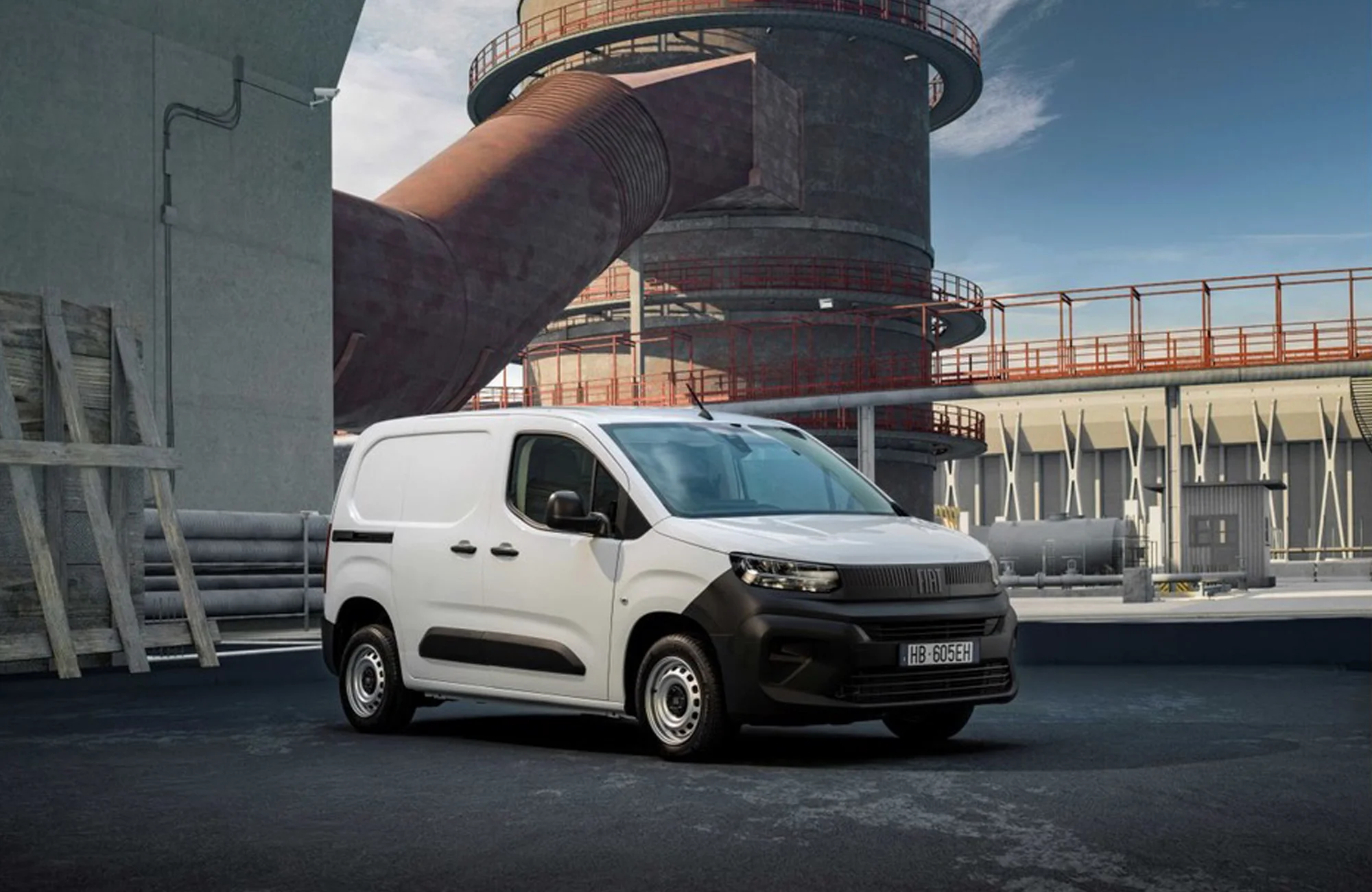
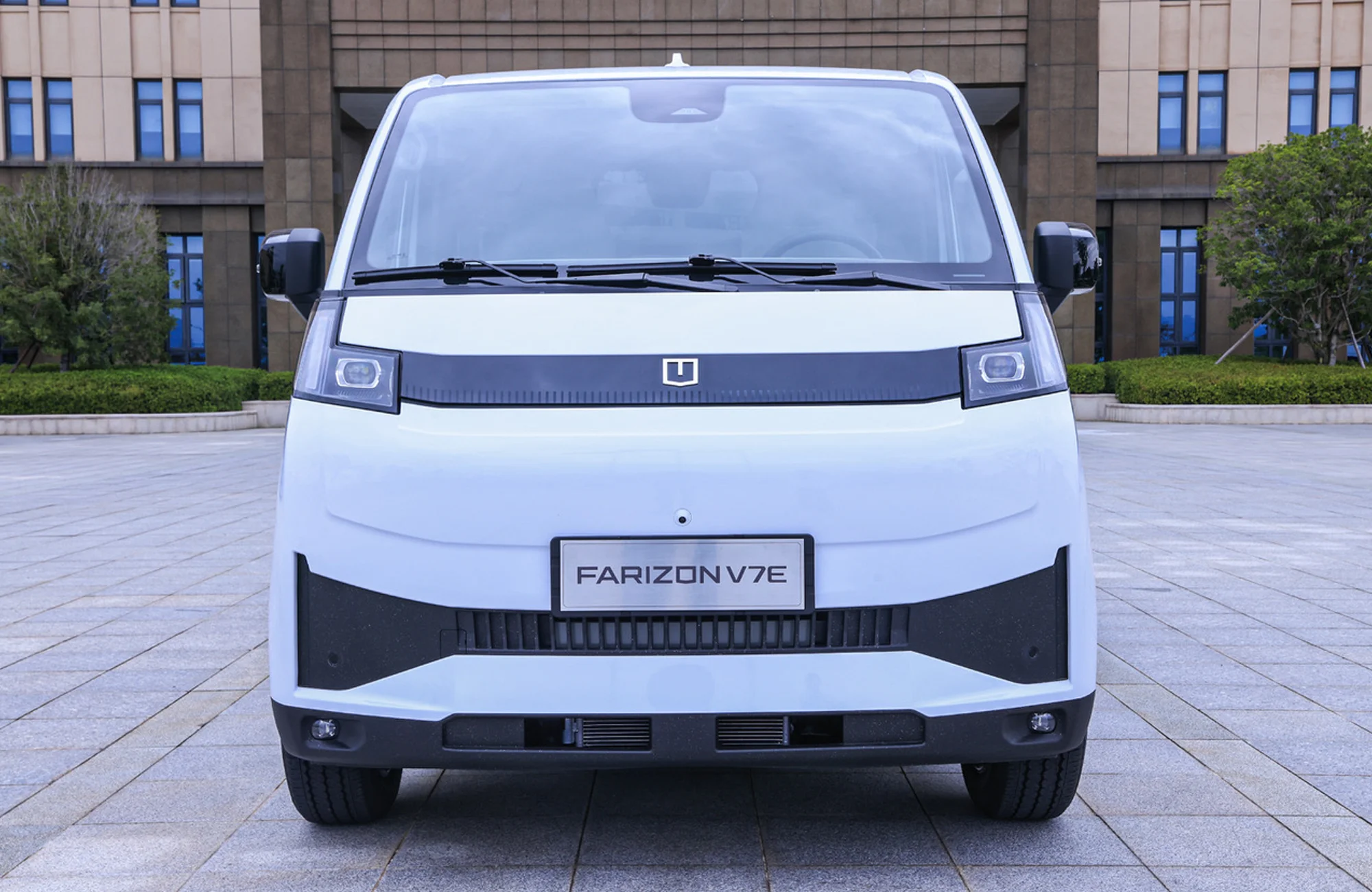
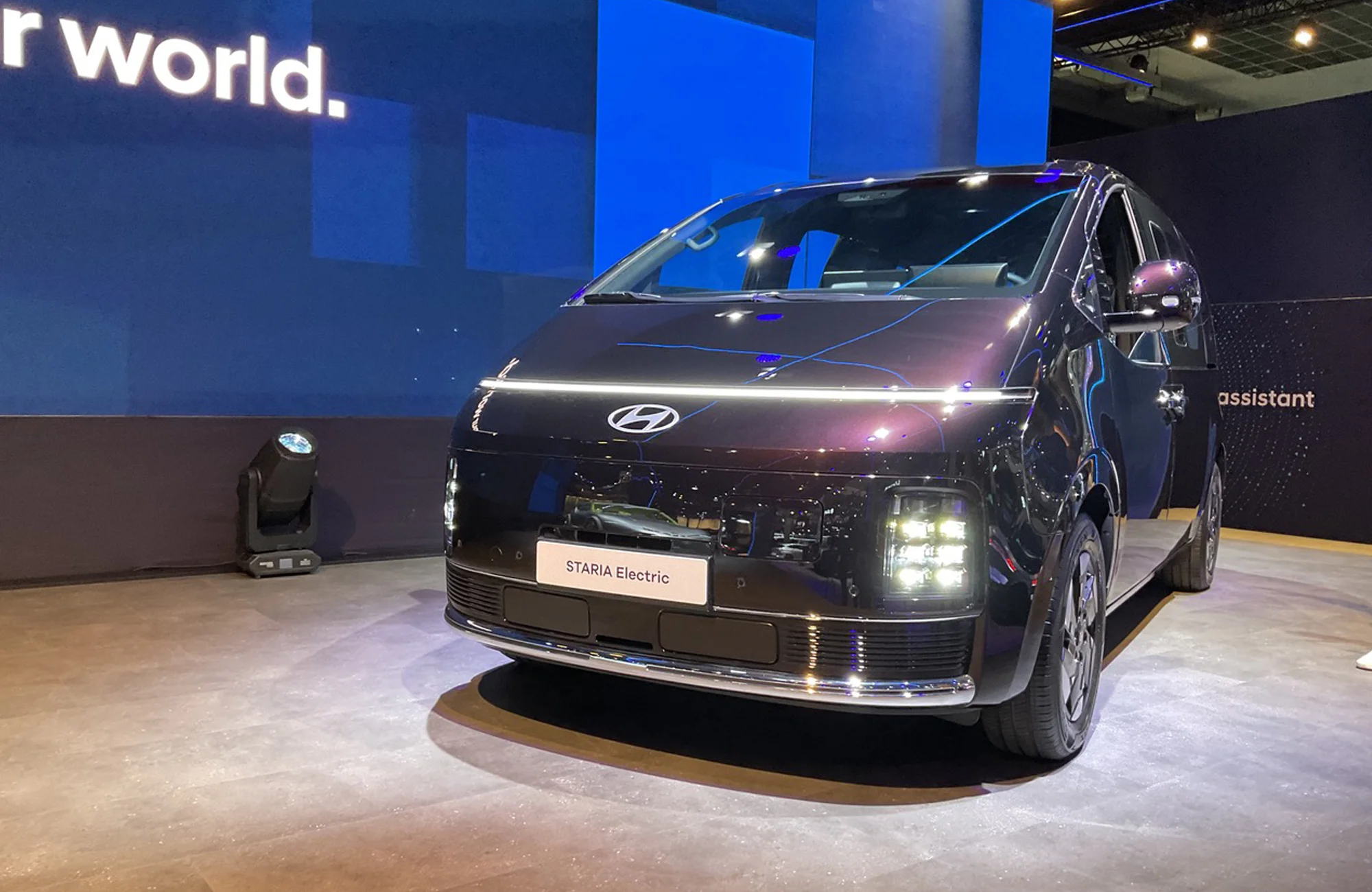
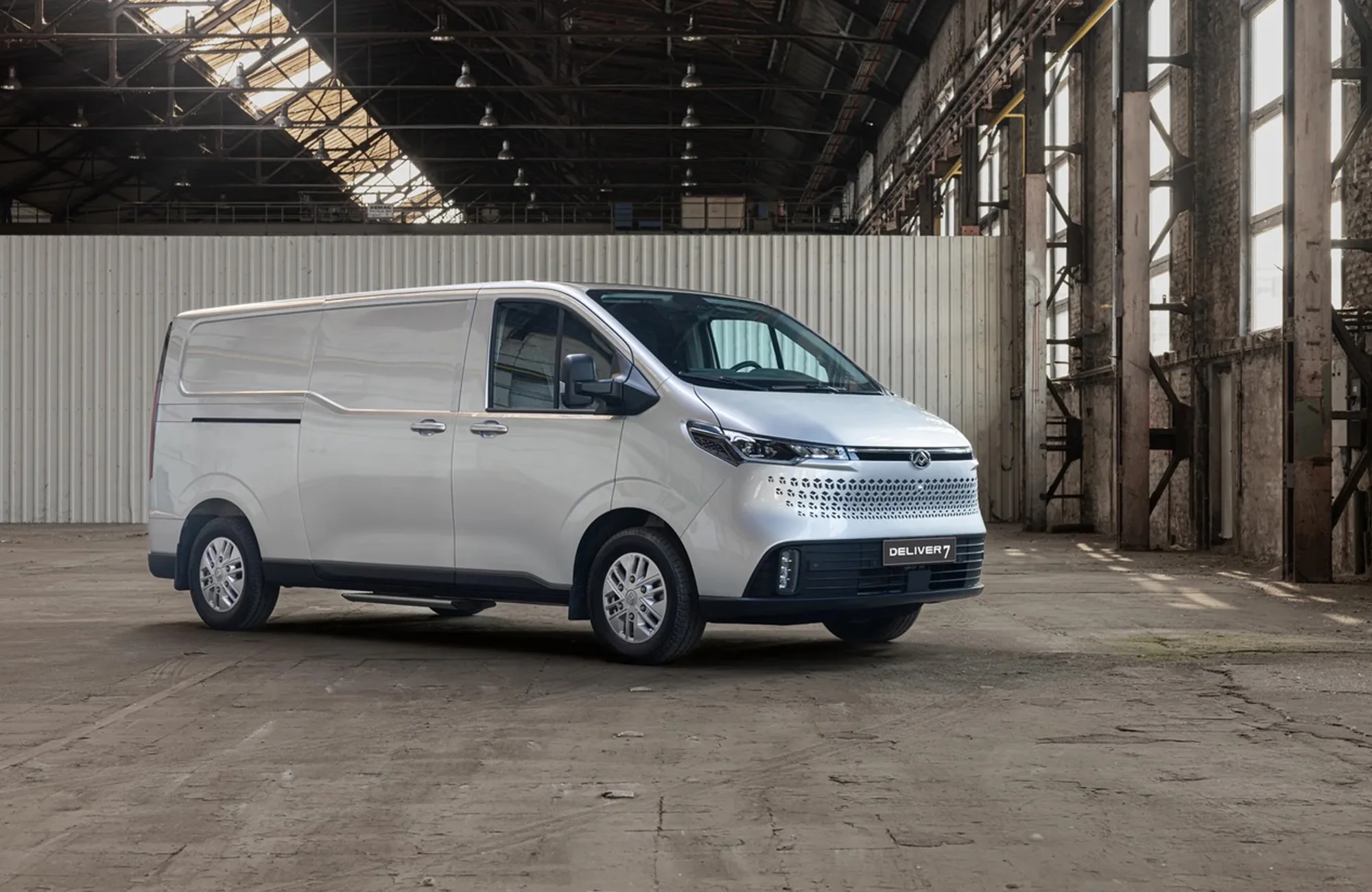
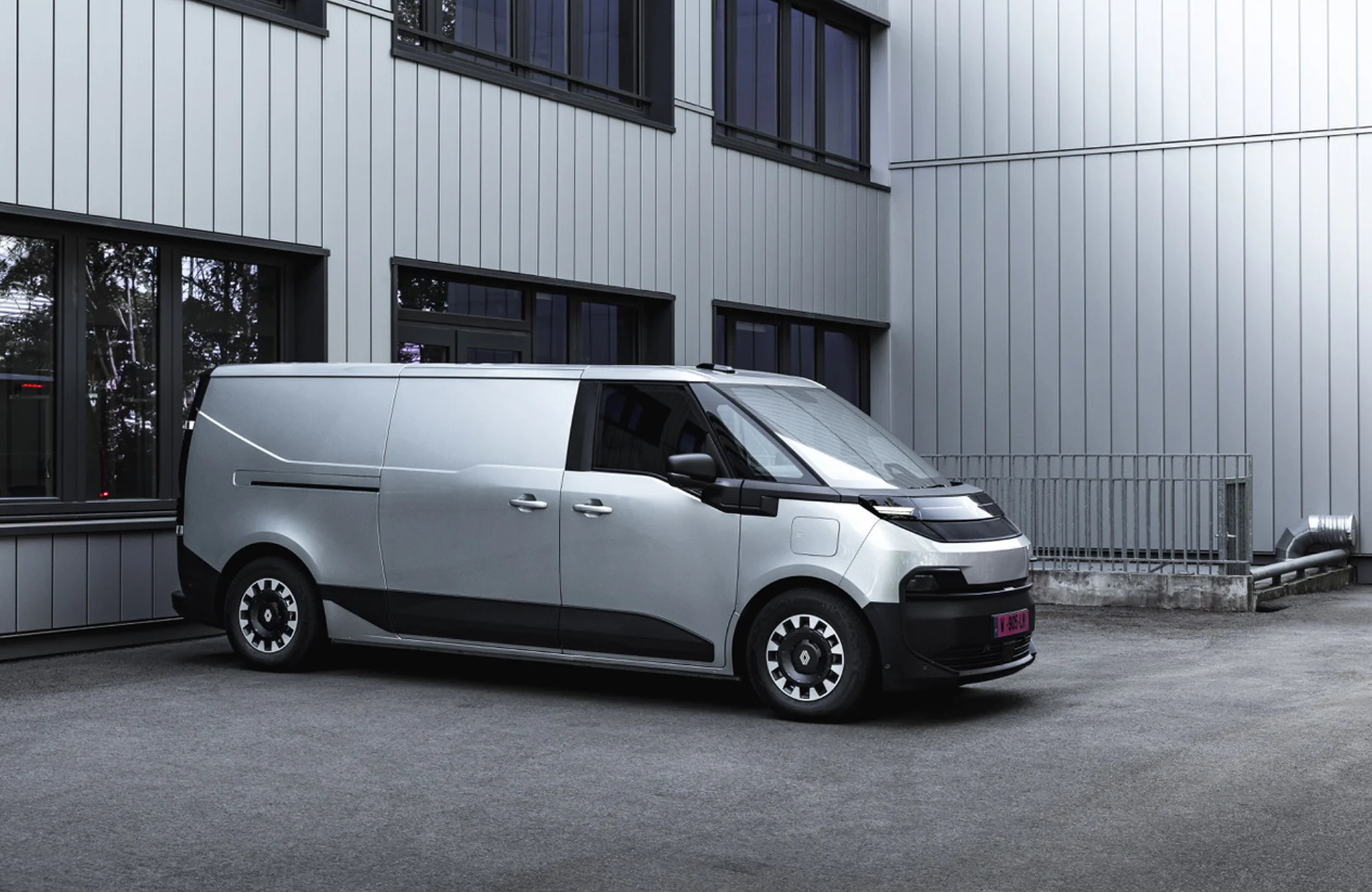
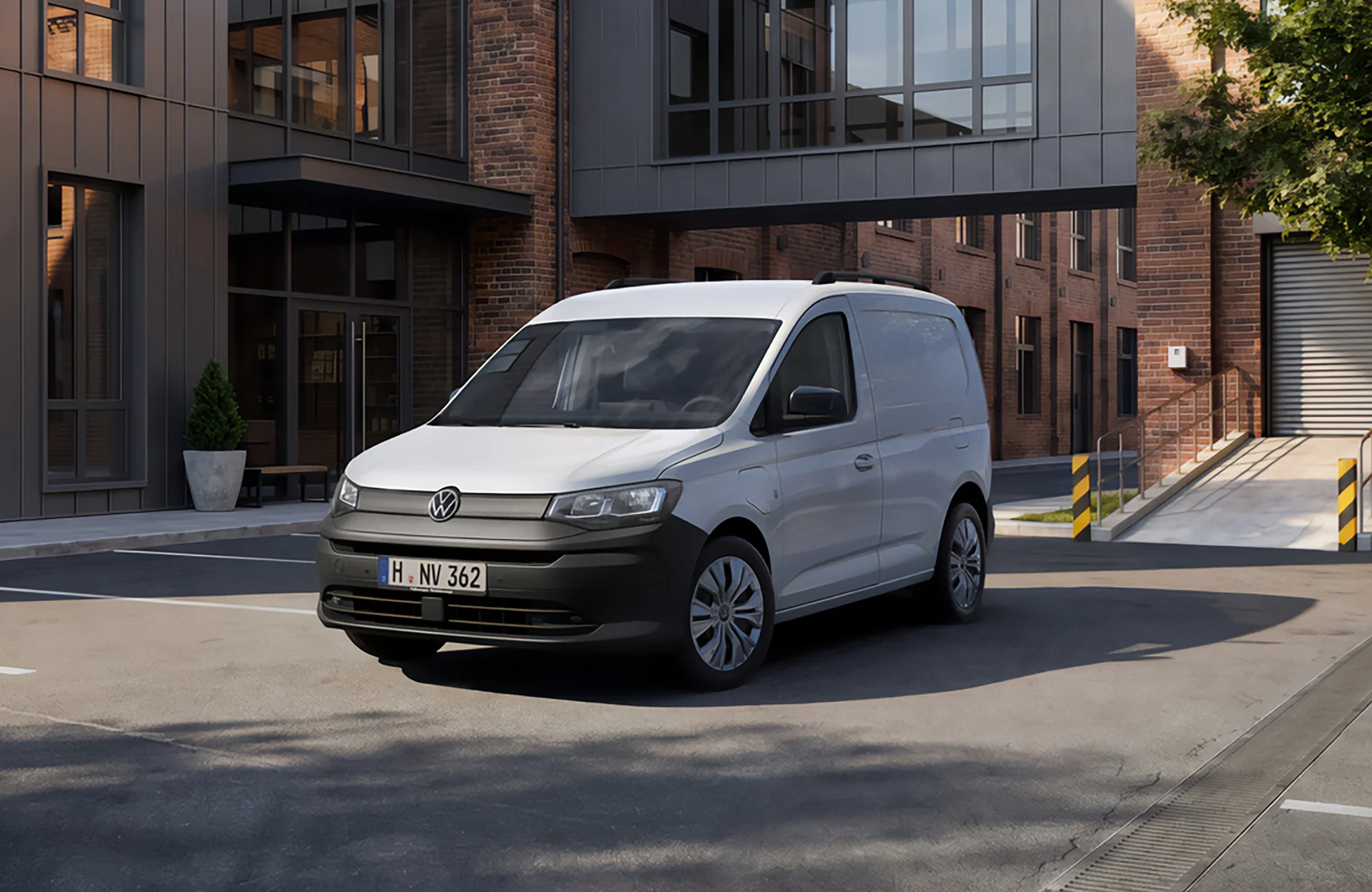
In alphabetical order, the finalists for IVOTY 2027 are: Farizon V7E, Hyundai Staria Electric, Maxus Deliver 7, Renault Trafic E-Tech, Stellantis Pro One New Smart Compact van (Citroën Berlingo Van First; Fiat Professional Doblò EasyPro; Opel Combo Start; Peugeot Partner Active) and Volkswagen Caddy Cargo.
Once again, there is a mix of European and Asian manufacturers in the contest, with German, French and Italian brands competing against Chinese and South Korean LCVs. This should make the selection of the 2027 winner particularly interesting for the 26-member jury.
Jarlath Sweeney, chairperson of the IVOTY & Pick-up Awards, explains the qualification procedure: “The main criterion for the nomination and election of any van as IVOTY is its contribution to high standards of efficiency, safety, environmental performance and the sustainability of light goods transport by road in the countries involved in IVOTY Co Ltd, the competition’s organisation. Any purpose-built LCV up to 3,500kg GVW is eligible. In line with current technology trends, the majority of the contestants are zero-emission offerings from both continents, looking to follow the success of the Kia PV5 Cargo, which won the award last year.”
Five innovations vie for 2027 award
Five projects have reached the final round of the 2027 Truck Innovation Award, with the shortlist spanning ultra-fast charging, hydrogen fuel cells, autonomous driving, digital driver coaching and hybrid powertrain technology.
The candidates are BYD Flash Charging and Blade Battery 2.0; cellcentric’s NextGen Fuel Cell System; the Iveco and PlusAI Level 4 Autonomous Driving programme; Scania ProDriver; and ZF TraXon 2 Hybrid.
Presented by the IToY jury, the Truck Innovation Award highlights technologies and projects with the potential to reshape the efficiency, safety and sustainability of commercial road transport. The 2027 shortlist demonstrates that innovation is increasingly taking place not only within the truck itself, but across the wider transport ecosystem.
“This year’s candidates show just how many different areas of road transport are now developing at remarkable speed,” says Engel. “Electrification remains a major force, but innovation is also coming from hydrogen, automation, digital services and technologies that can improve the efficiency of vehicles already operating on the road.”
BYD Flash Charging and Blade Battery 2.0
BYD enters the competition with a combination of its second-generation Blade Battery and Flash Charging technology. In its Chinese-market specification, the system can deliver up to 1,500kW through a single connector, allowing a 10-to-70% recharge in as little as five minutes and 10-to-97% recharge in nine minutes. Even at -30°C, BYD quotes a 20-to-97% charging time of 12 minutes.
The Blade Battery 2.0 combines the higher charging capability with a 5% increase in energy density and further developments in safety and durability. BYD also addresses the infrastructure challenge through battery-buffered charging stations designed to reduce the impact of very high charging power on the electricity grid.
The nomination therefore brings charging speed, battery technology and energy infrastructure together in a single innovation package.
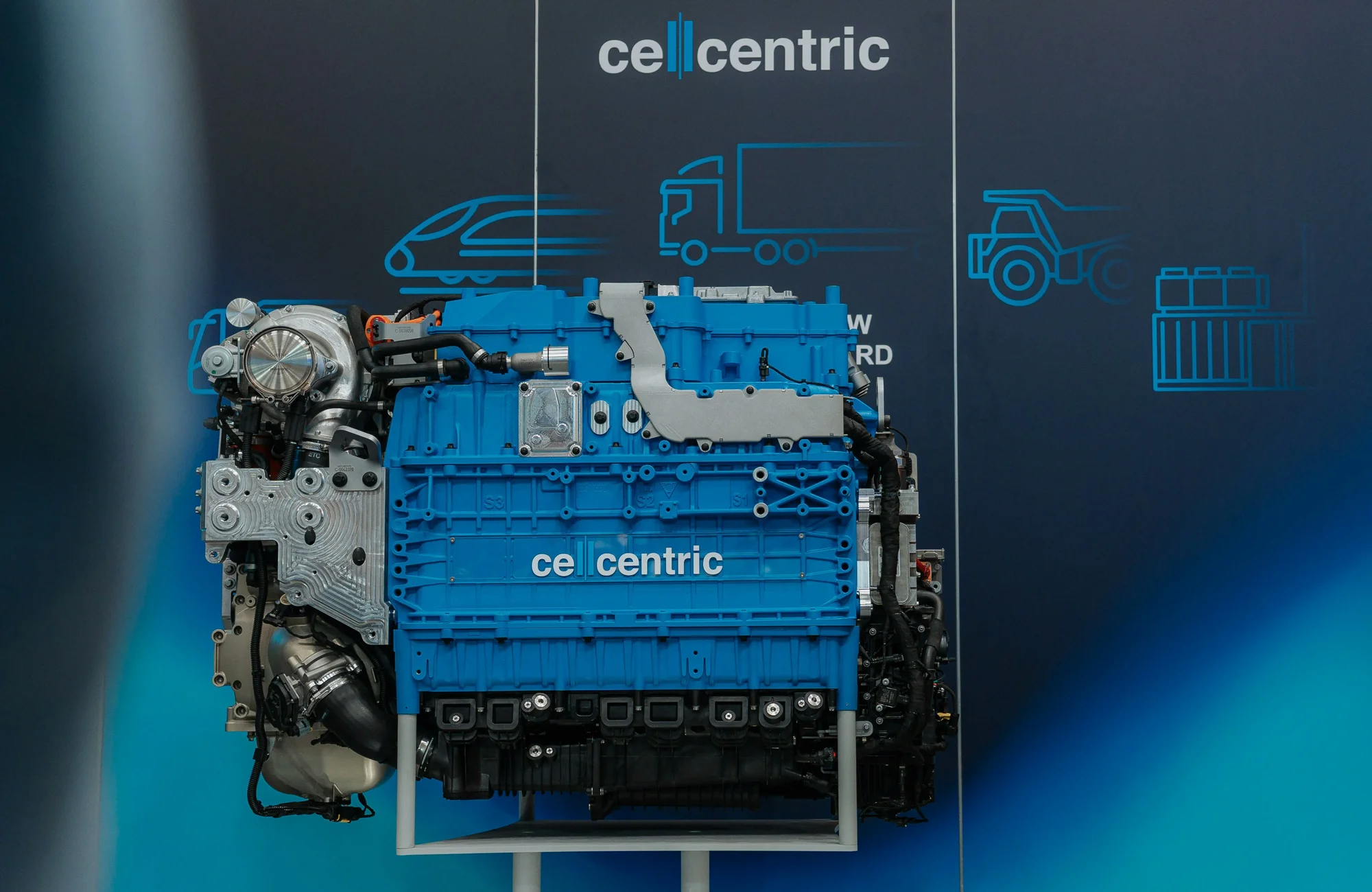
cellcentric NextGen Fuel Cell System
cellcentric’s NextGen Fuel Cell System targets the demands of heavy-duty long-haul transport with a single-system architecture developed around efficiency, power density and easier vehicle integration.
Weighing less than 500kg, the system is designed to deliver up to 375kW of continuous net power. cellcentric targets hydrogen consumption of less than 6kg/100km for a fully loaded 40-tonne long-haul truck under real-world driving conditions.
Compared with its predecessor system, the company quotes around 20% lower fuel consumption, approximately 40% higher power density and around 40% less waste heat at high load.
The reduction in cooling requirements is also intended to free up installation space and support payload and cargo-volume optimisation. Pre-series production of NextGen has already begun at cellcentric’s Esslingen facility, with series-production scale-up planned towards the end of the decade.


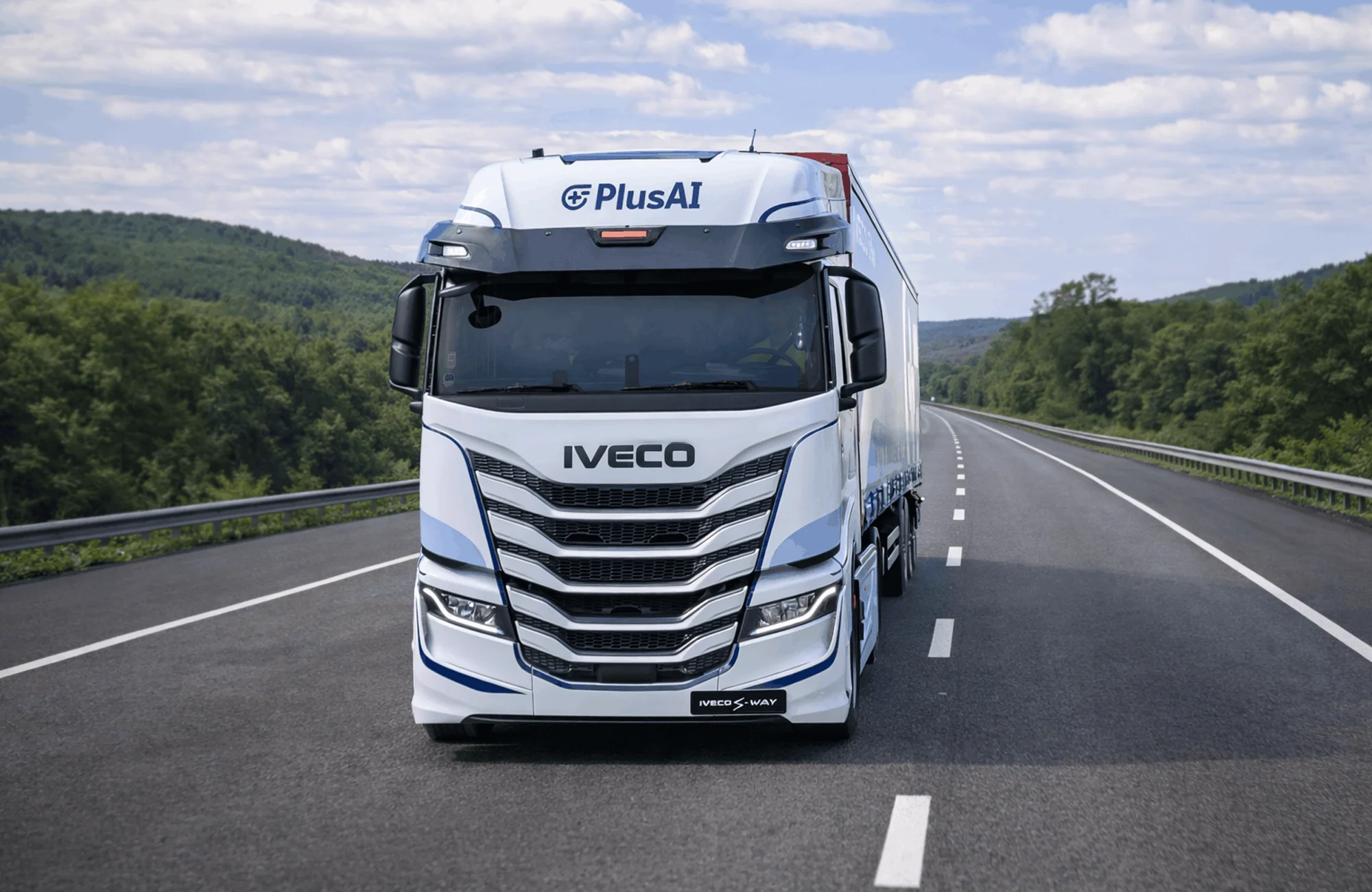
Iveco and PlusAI Level 4 Autonomous Driving programme
Iveco and PlusAI bring autonomous freight transport into the 2027 contest with a programme intended to establish the first deployment of Level 4 heavy-duty autonomous trucks in Southern Europe.
Working with Spanish logistics operator Sesé and the Government of Aragon, the partners are developing two Iveco S-Way trucks equipped with PlusAI’s SuperDrive virtual driver. Multi-year testing is due to begin in 2026, with a safety operator on board throughout the trial period.
The trucks are intended to operate on freight routes between Madrid and Zaragoza, covering a corridor of approximately 300km. The project gives the jury an opportunity to assess autonomous driving not simply as a vehicle technology, but as part of a real logistics operation involving a truck manufacturer, software provider, transport operator and public authorities.
Scania ProDriver
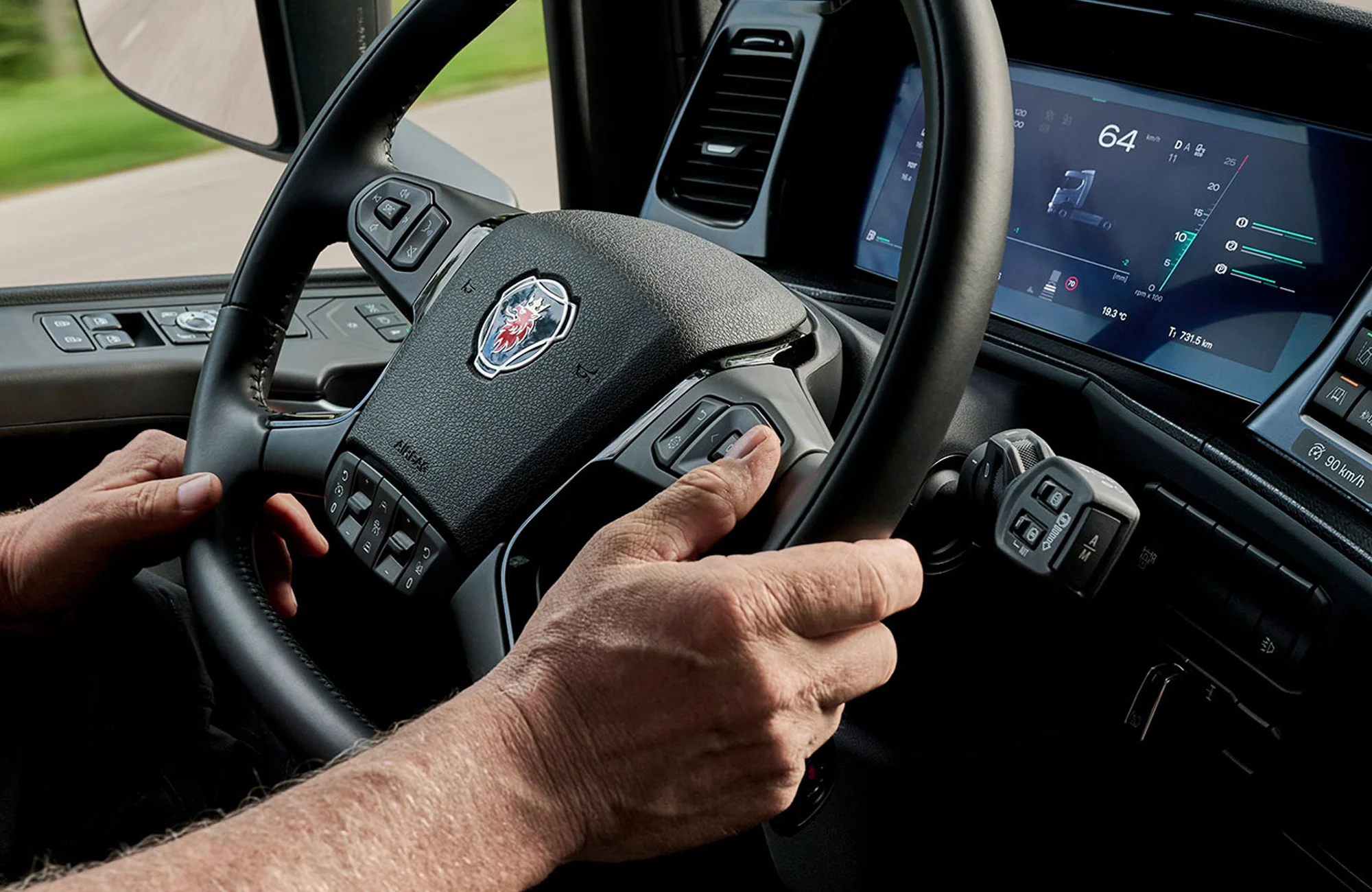
Scania takes a different approach with ProDriver, a digital coaching service designed to improve the performance of vehicles already in operation by helping drivers make more efficient decisions. The system converts connected vehicle data into personalised driver coaching. Drivers receive grades and targeted feedback, supported by tailored audio and video lessons, practical challenges and gamification. Fleet managers can follow driver and fleet performance, rankings, progress and fuel-saving potential.
Scania says ProDriver has been used by 120,000 drivers across 56 countries and can deliver fuel savings of up to 5%. In a real-world analysis covering 897 drivers before and after starting ProDriver, average fuel consumption fell by 3.1%, with the greatest improvements recorded among drivers with the lowest starting grades.
ProDriver’s nomination highlights the potential for connected services and behavioural change to deliver measurable efficiency gains without requiring fleets to replace existing vehicles.
ZF TraXon 2 Hybrid
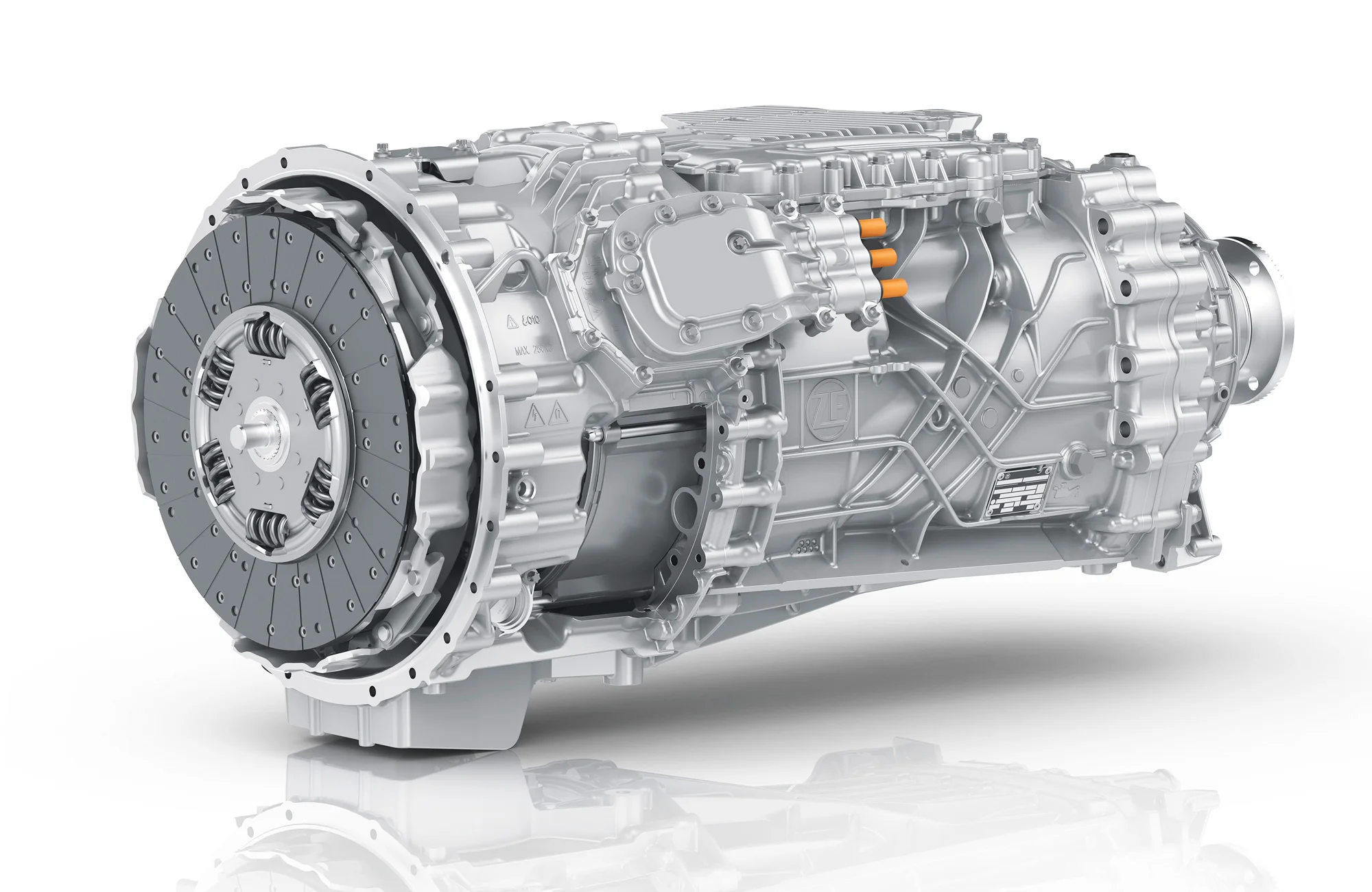
ZF’s TraXon 2 Hybrid brings hybridisation to the heavy commercial vehicle transmission. The system draws on ZF’s experience in hybrid technology and adapts it to the operating requirements of commercial vehicles, with the objective of reducing fuel consumption and emissions while providing manufacturers with another route through the transition towards lower-carbon transport.
Rather than relying on a single global pace of electrification, ZF positions the hybrid transmission as part of a technology-open approach that can respond to different applications, infrastructure and market conditions. Its place on the shortlist reflects the continuing role of transitional technologies alongside fully electric and hydrogen-based powertrains.
“What makes this field particularly interesting is that the candidates attack very different parts of the same challenge,” Engel says. “Some are changing how energy is stored or supplied, some are changing how trucks are driven and others are using software and data to improve everyday operation. The jury has to consider not only how advanced a technology is, but whether it can make a meaningful contribution to real transport operations.”
Hanover will reveal the winners
The 2027 winners of the IToY, IVOTY and Truck Innovation Award will be announced at IAA Transportation in Hanover, Germany, during the Night of the Stars gala evening on Monday, 14 September 2026.
Published by
Focus on Transport
focusmagsa