Midsummer journey to the top of the world
Midsummer journey to the top of the world
The Brits have a reputation for being a bit bonkers. WILL SHIERS confirmed this when he decided to do a 2,414-km journey from Gothenburg, Sweden, to Nordkapp, the northernmost point of mainland Europe. Just because he could…
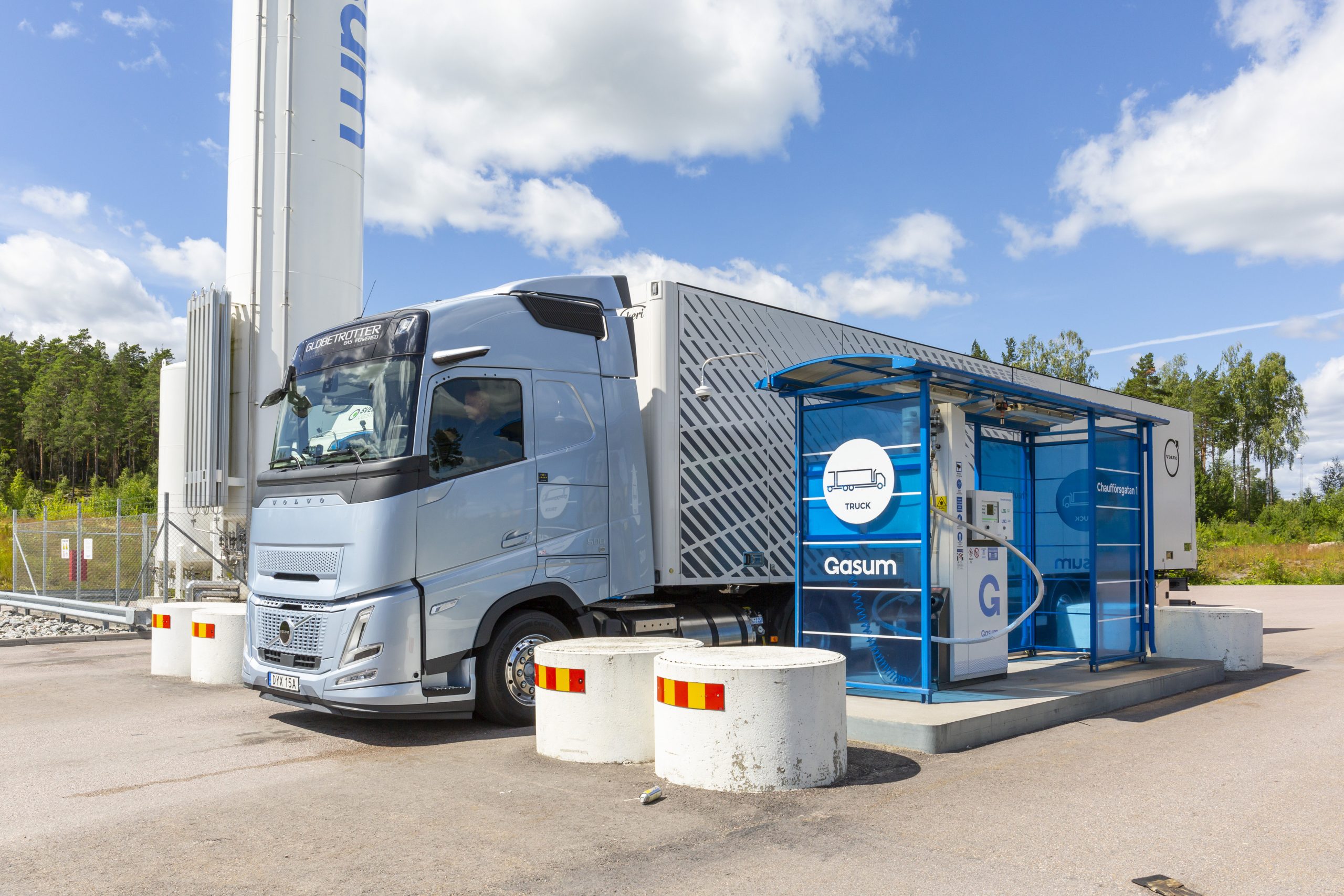
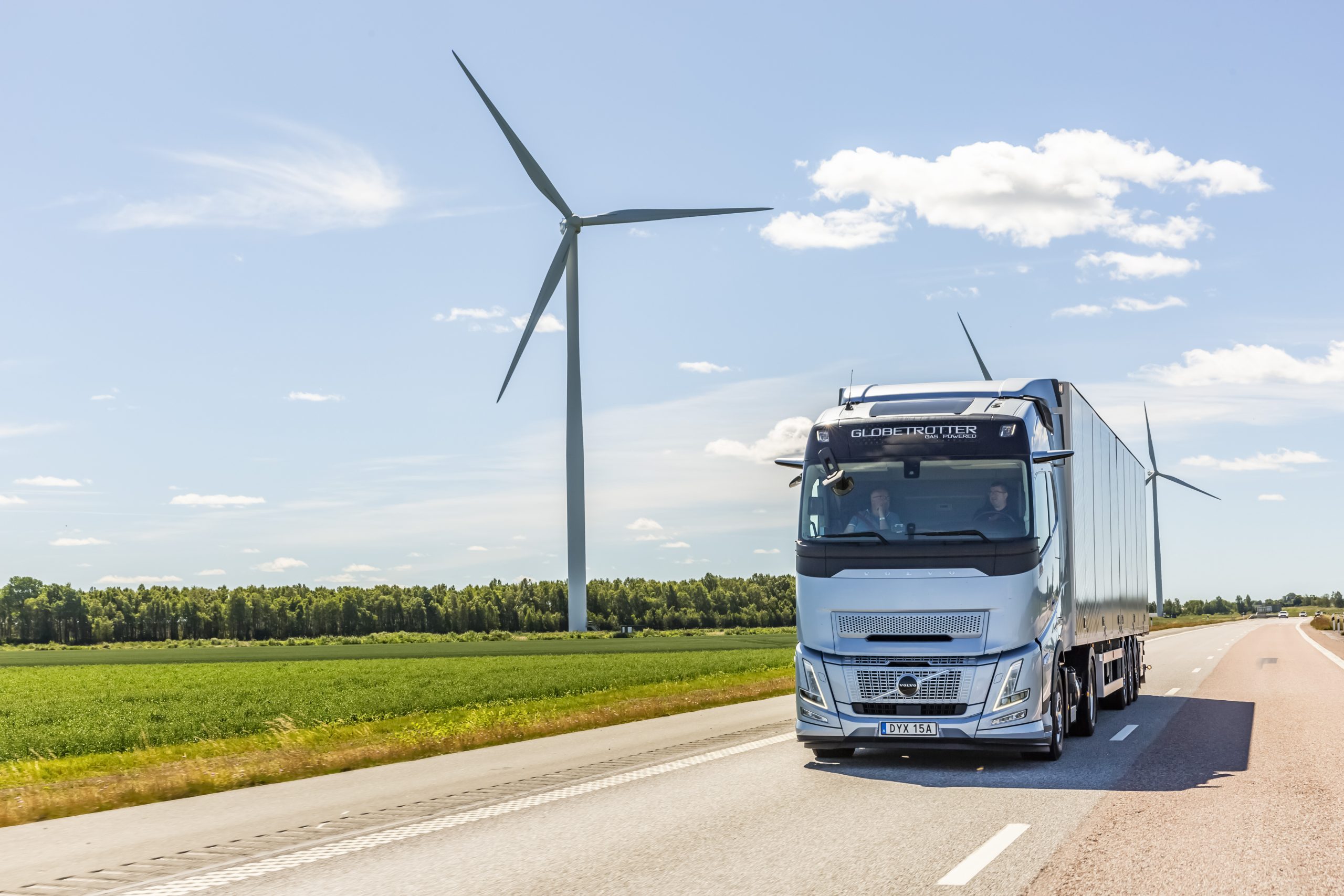
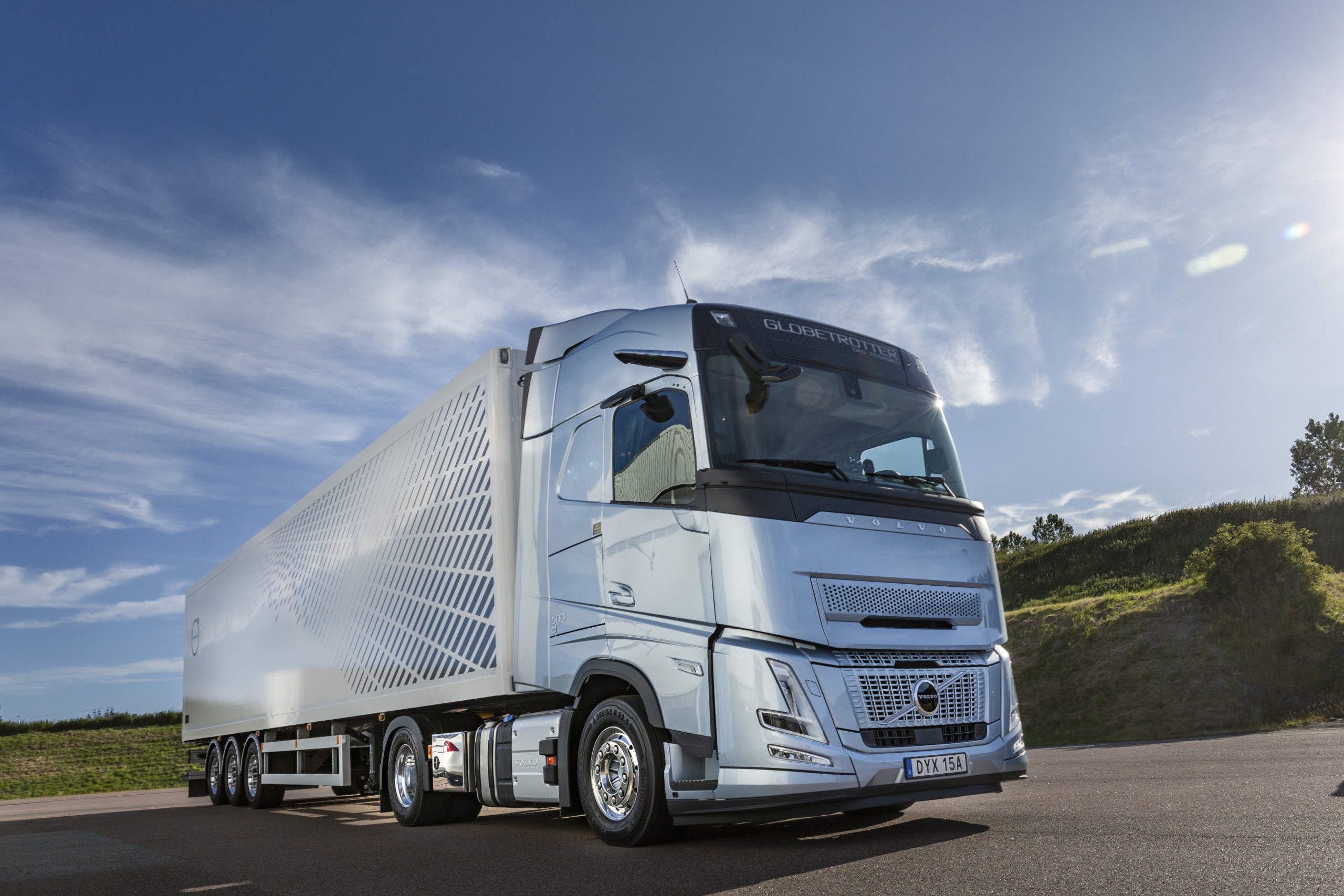
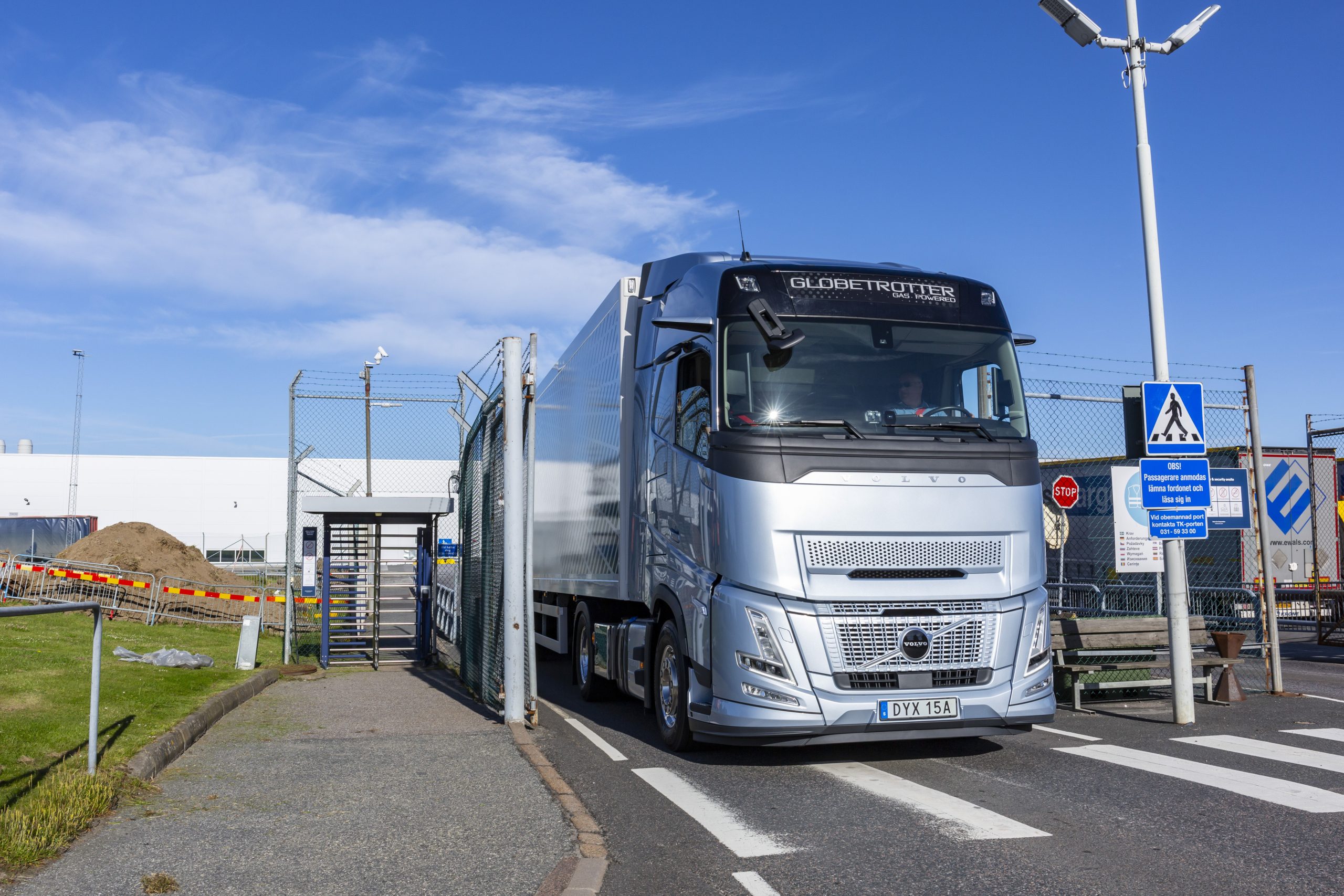
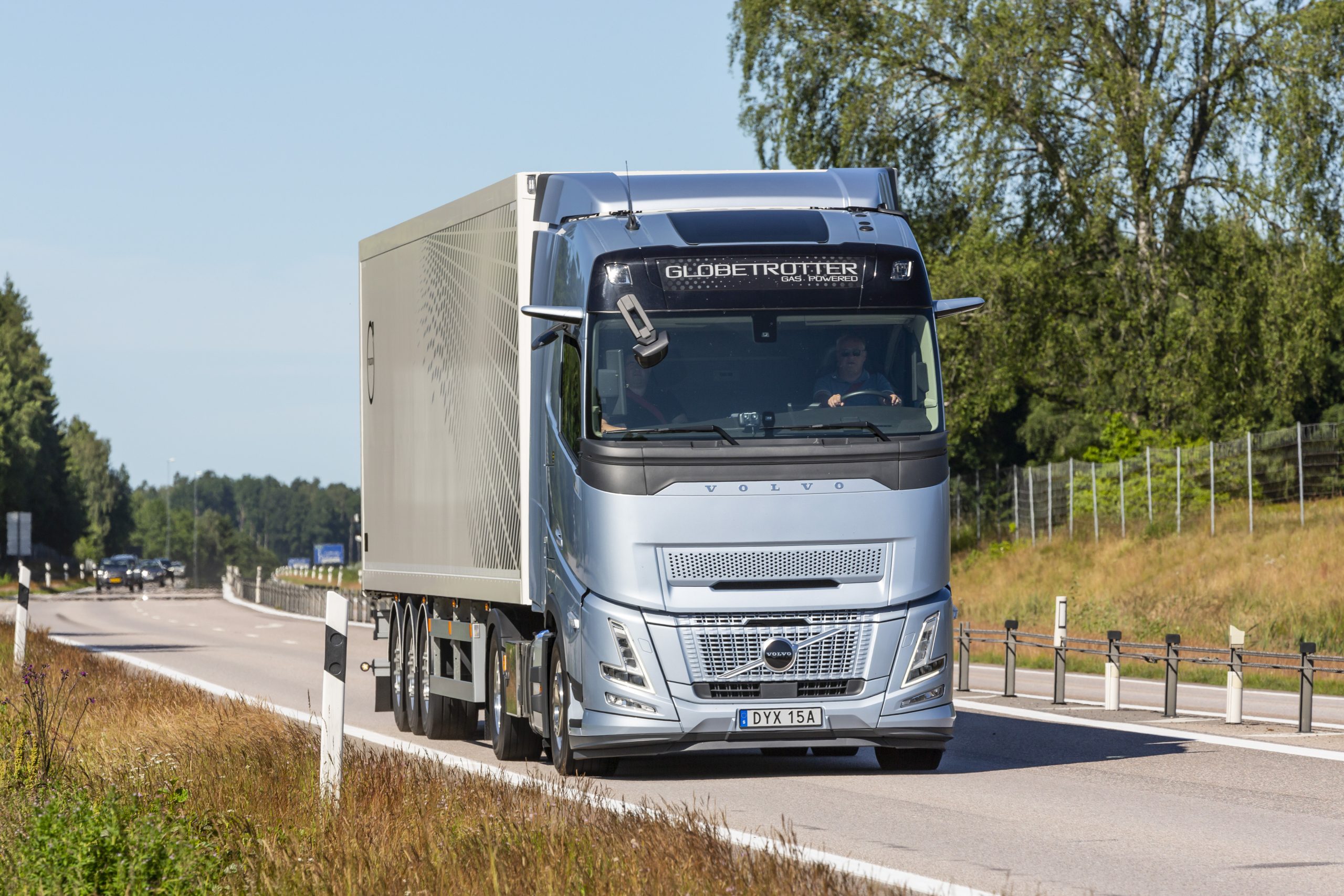
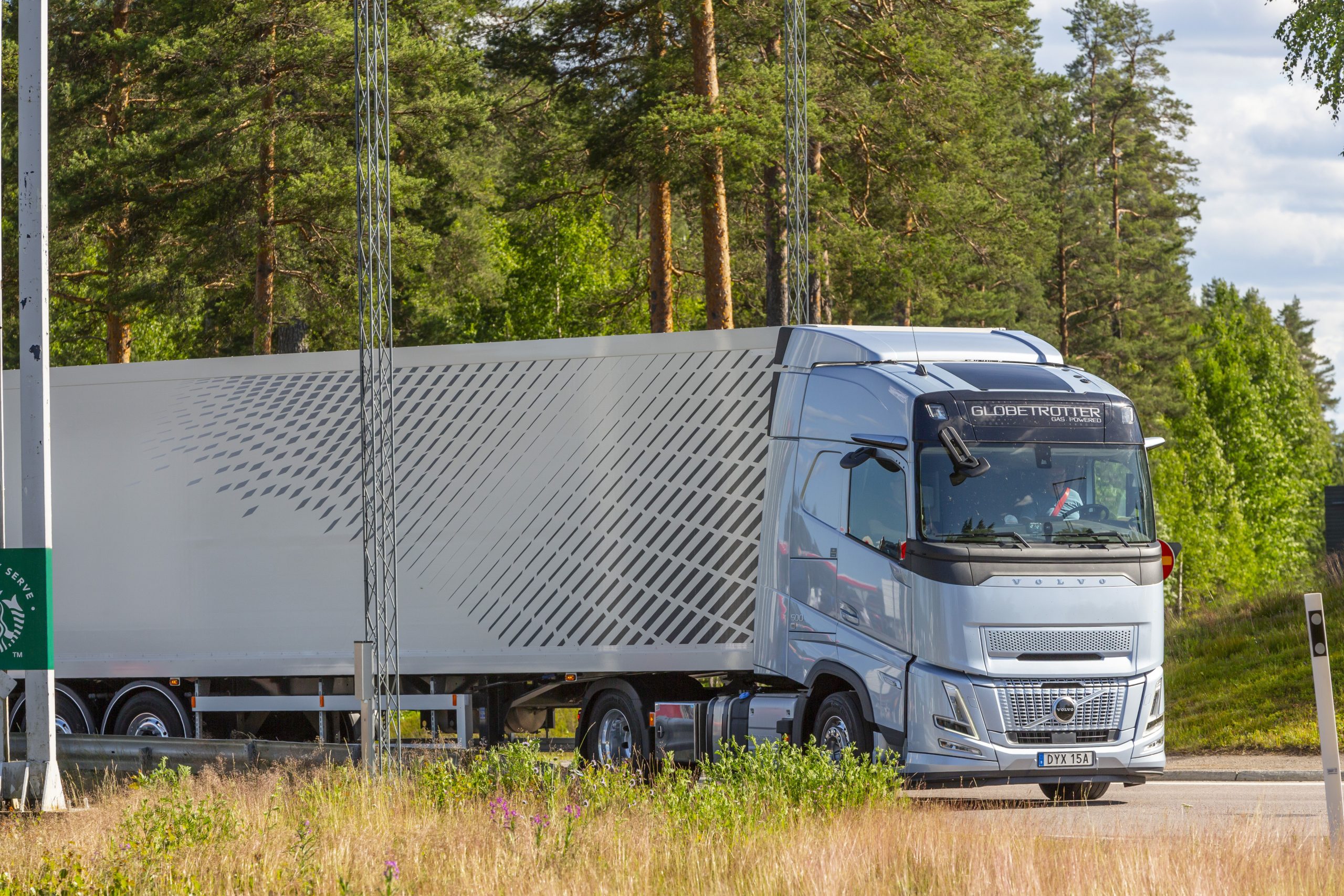
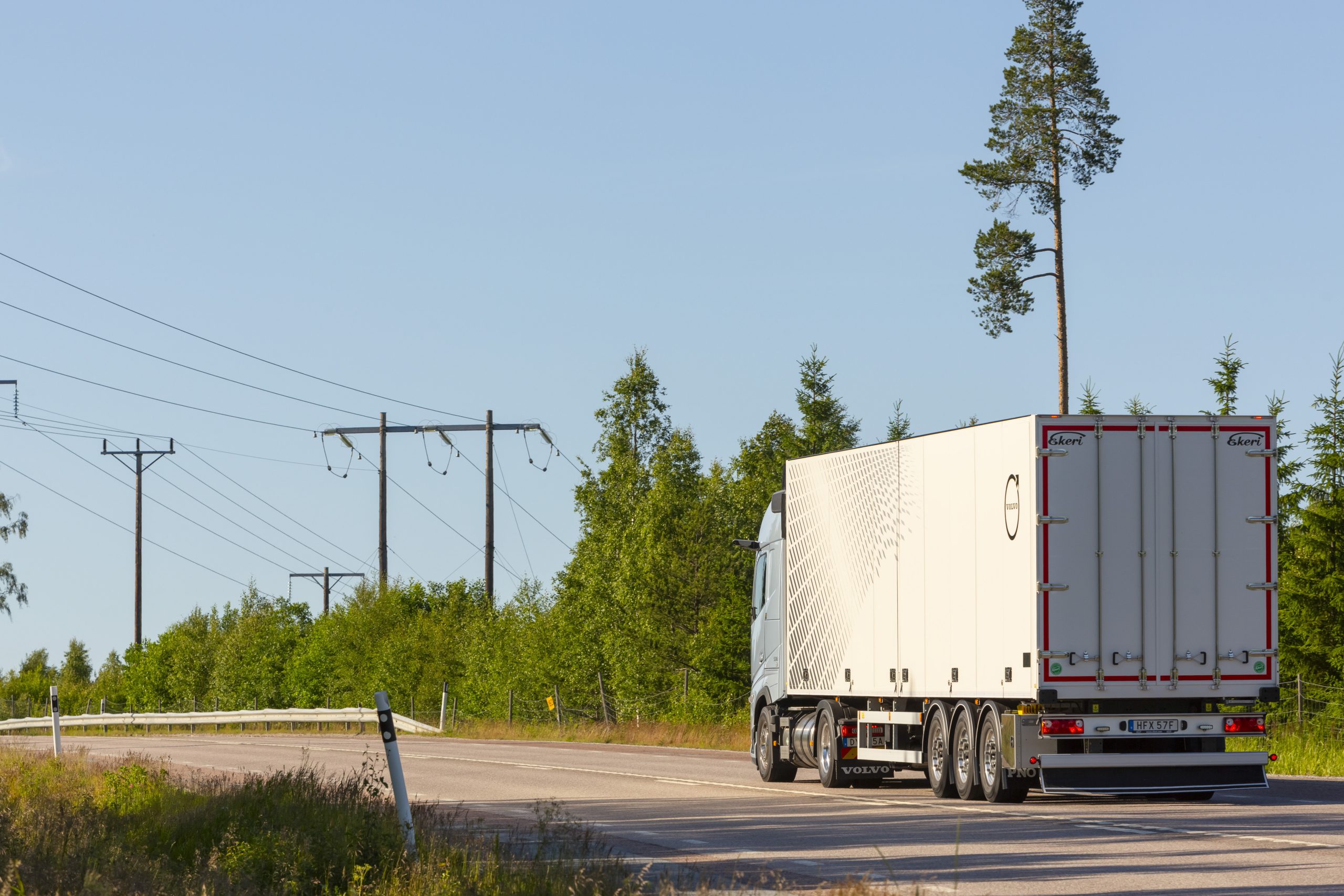
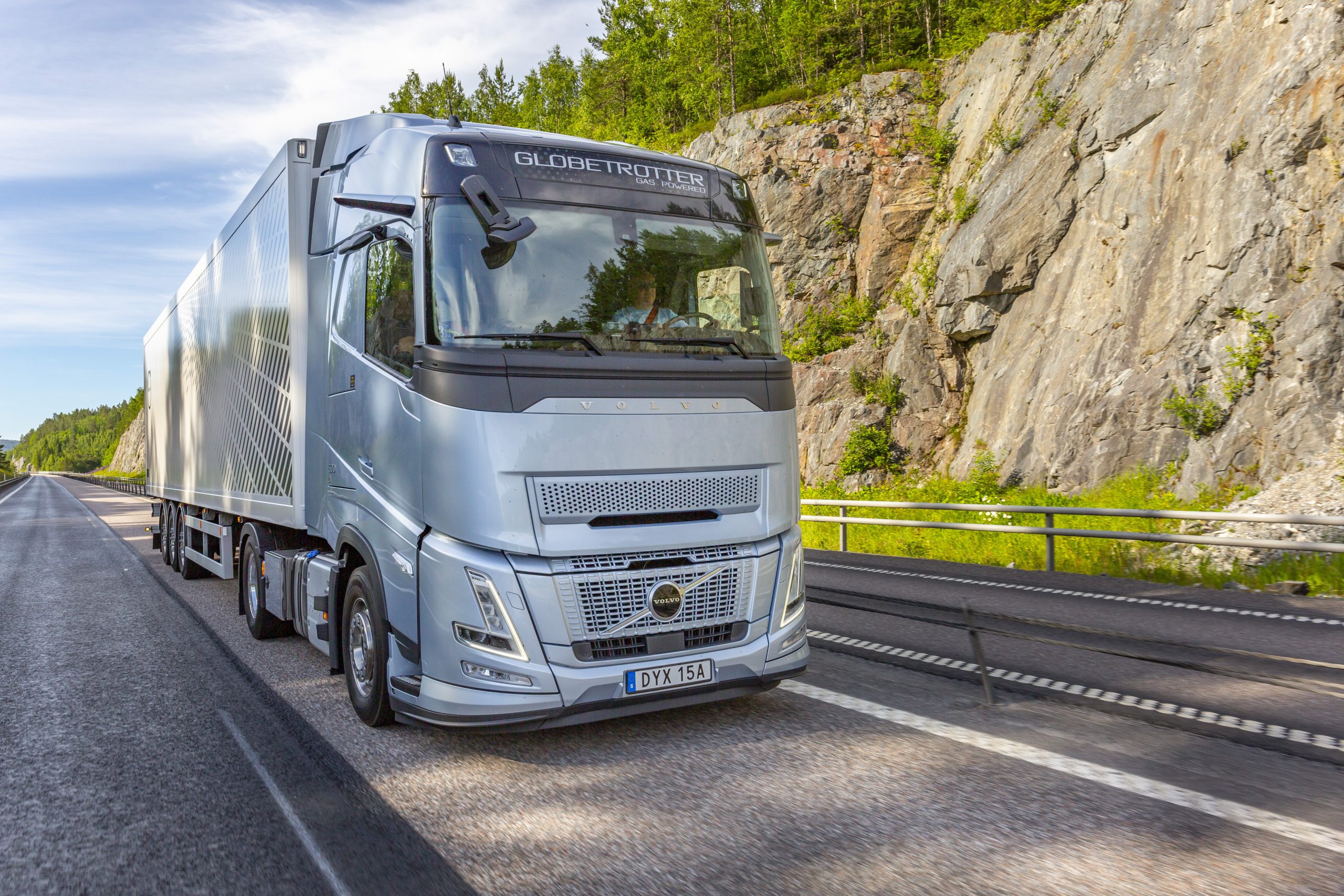
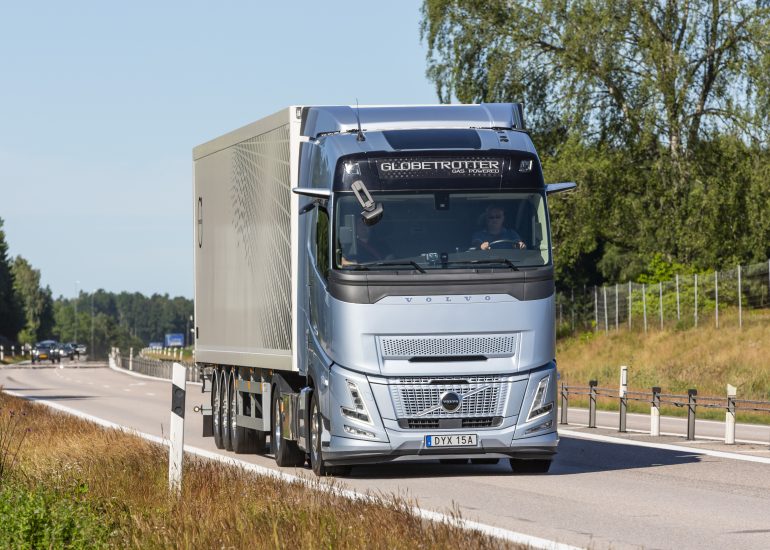
We decided to embark on a journey to an area where the sun never sets – quite literally. That’s the case for a few extraordinary months each year in Nordkapp. To add a bit of extra challenge (and a lot more planning), we decided to drive there in a gas-powered truck: a Volvo FH Aero 500 LNG 4×2 with a fully loaded triaxle trailer.
This is a story involving four days of driving, endless daylight, reindeer on the roadside, pine forests as far as the eye can see and some of the most spectacular roads Scandinavia has to offer…
DAY 1
Our journey begins at Volvo Trucks’ demo centre in Gothenburg, where a map of Europe on the wall reminds us just how far we have to go. We hadn’t fully appreciated the scale of it. Sweden is nearly 1,609km long and we’ll be driving most of it before slipping briefly into Finland, then crossing into Norway. All told, it’s about 2,414km to Nordkapp (the North Cape). For context, that’s about the same distance as Johannesburg to Dar es Salaam, Tanzania.
With Martin Tomlinson, Volvo Trucks UK & Ireland’s head of media, riding shotgun, we ease through Gothenburg and he talks me through the truck. It’s a Volvo FH Aero 500 running on 95% liquid natural gas (LNG) and 5% diesel – the diesel’s there to ignite the gas, so it’s not a spark-ignition engine. We’re carrying 215kg of LNG (a UK-spec 6×2 carries 165kg), 140 litres of diesel and 64 litres of AdBlue, which is the smallest AdBlue tank Volvo offers.
Back home, Tomlinson says these trucks are selling well. Supermarkets are taking them in their droves, with Asda and Tesco among the early adopters. Now that LNG prices have dropped again, interest is picking up; during Covid, gas soared from around 75p (R16) to £3 (R65) per kilogram. There’s only one public LNG filling station in the UK – Gasrec at Daventry – though another is in the works. Supermarkets have their own infrastructure (usually a tanker on a skid at base – great for back-to-base operations).
Thankfully, with a range of around 1,000km and some careful route planning from the Volvo Trucks team in Sweden, we’re in good shape – on paper at least. But with long distances between LNG stations and the risk of turning up to find one closed, we’ll be taking every opportunity to top up the tank along the way. Opportunistic filling will be key.
We head north-east to begin with, almost as far as Stockholm. Passing through Örebro, we’re reminded that it’s the hometown of the late Formula 1 driver Ronnie Peterson, Sweden’s most successful F1 racer. Judging by the number of speed cameras along the way, it’s easy to see why there haven’t been many more! The speed limit is 80km/h and we’re on the main road north – a mix of single and dual carriageways. The road surface is flawless, like polished glass, but if I’m honest, the scenery’s a bit dull. Sweden has an estimated 70 billion trees, covering 69% of the land and I feel like I’ve seen most of them already.
Still, what the landscape lacks in variety, the traffic makes up for. Almost every truck we pass is Swedish-built and most look like they’re on their way to a show. Even the comparatively plain DHL units are dressed to impress, sporting extra lights, bullbars and custom touches. Yes, those accessories are practical up here, but there’s clearly pride, time and money behind every one of these trucks.
At lunchtime, we find a public LNG filling station and take the opportunity to top up. We’ve only used about a third of a tank, but I’m told it’s best to fill up whenever you can. Regular top-ups help keep the gas fresh and the remaining fuel colder. That lowers the tank pressure, which means you can squeeze more gas in – a technique known as cram filling.
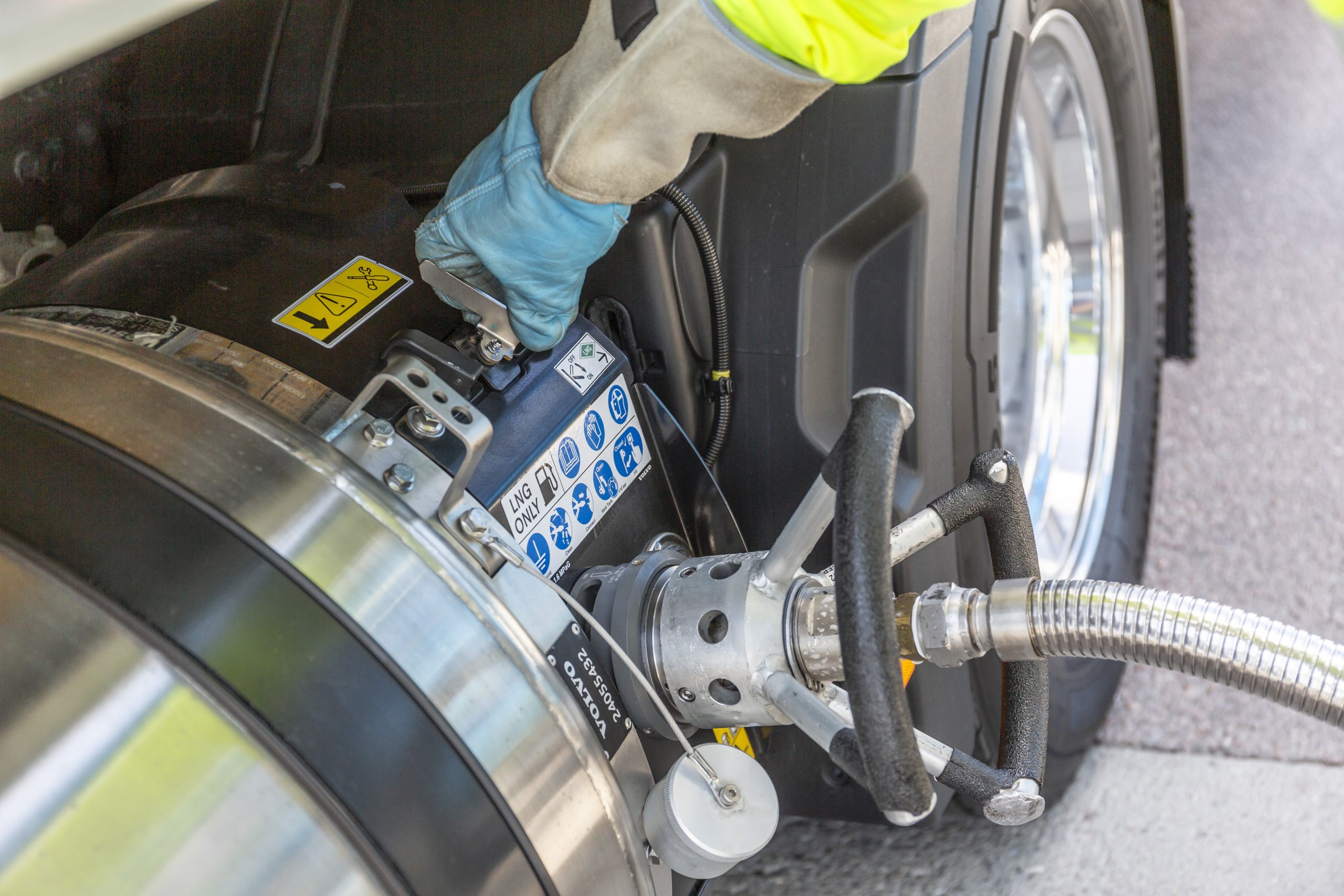
The filling process turns out to be far less complicated than I’d expected, though definitely more involved than diesel or compressed natural gas (CNG). The main challenge is the temperature: LNG is delivered at around -160°C, which explains the heavy gloves, face shield and personal protective equipment (PPE).
Still, the procedure is simple enough: vent the tank, attach the dispenser and hold down the button to fill. Within seconds, the hose turns white with ice. When it’s full, it whistles like a boiling kettle. Disconnecting it proves a bit trickier (it has frozen solid) but a bit of brute force soon sorts that. We manage to squeeze in 64kg.
Adaptive cruise control is a brilliant tool for motorway driving: smooth, stress-free and great at maintaining a safe distance. But in more complex environments, like roundabouts and twisting roads, it’s not always perfect. It takes a while to build confidence in it, especially when approaching a roundabout. The system not only slows down automatically, it also seems to know what speed to take through the roundabout itself. Assuming there’s nothing coming from the left, you can let it do its thing – in theory. In practice, it can be a little too cautious, setting lower speeds than most drivers would. It’s easy to see why many professionals choose to take over in those situations.
After a few billion more pine trees and not much else to look at, we stop for refreshments at Tönnebro, a truck stop on the banks of a lake. It’s about as far removed from anything you’ll find in the UK as you can get. Peaceful, scenic and spotlessly clean, it feels more like a nature retreat with truck parking than a service station. It’s Burger King for dinner and I’m blown away by the minuscule cups for soft drinks. An extra-large here is vastly smaller than a UK small – and would be a total insult to a US trucker. No wonder only 14% of Swedes are obese, compared with 28% in the UK and 42% in the US.
Practising cram filling again, we top up the tanks, this time at a Swedish Post Office depot. We manage to squeeze in another 73kg of LNG. As we leave the site, we find ourselves behind a fully loaded 25.25-m timber truck. In a Final Destination moment, it passes under a low bridge and an entire log drops off the back, landing on the road right in front of us. Had we been in a car and just a few metres closer, it could have ended very badly.
A little shaken, we pull over for the night at Hornoberget, in the shadow of the Högakustenbron, one of Sweden’s most iconic and impressive bridges. Opened in 1997, this 1,867-m long suspension bridge offers stunning views over the UNESCO-listed High Coast area. We’ve covered 810km today.
DAY 2
We stop at Docksta for a morning coffee – a place I’m told is one of Sweden’s most famous truck stops. Roughly halfway up the country, it’s a popular fuelling point for diesel-powered trucks heading north or south. No gas pump for us here, but it’s a good place to stretch our legs and take in the view.
The scenery is definitely picking up now, with lakes starting to break up the wall-to-wall pine forests. But with all that water and 26°C temperatures come the midges. Every time we open the truck door, a fresh swarm dives in and, judging by the bites, they’ve developed a real taste for British blood.
A few hours further on, we pass near Umeå, home to Volvo Trucks’ cab factory. It’s an awfully long way from Gothenburg, which makes me wonder: why build cabs all the way up here? Turns out the factory has serious heritage. It began life in 1929 as a furniture carpentry that started building cabs on the side, including one for a Cadillac. Its founder, Gösta Nyström, was a safety pioneer, developing the world’s first self-supporting steel cab and even inventing early rollover hoops. Volvo bought the business in 1964 and it’s been a key part of the brand’s safety legacy ever since. With so much know-how embedded in the site, it’s clear why Volvo’s still building cabs here today.
Every time we stop, photographer Tom Lee insists that I clamber onto the FH Aero’s fold-down grille to clean the windscreen. It’s become a full-time job. The glass is a bug cemetery – and not just midges, either. Some of these flying beasts are the size of light aircraft and make a hell of a racket as they commit kamikaze acts against the cab. You don’t get anything like this in the UK. At one stop Lee’s joined by a sparrow pecking squashed insects straight off the number plate… Nature’s little clean-up crew.
We’re passing through Skellefteå now, a name that sounds more Greek to us than Swedish. We’re only about 120km south of the Arctic Circle at this point. A coffee stop at McDonald’s sparks a debate: where’s the world’s northernmost branch? A quick Google confirms it’s in Tromsø, Norway, about 350km inside the Arctic Circle. There was one even further north, in Murmansk, Russia, but that closed in 2022 following McDonald’s withdrawal from the country after the invasion of Ukraine. Every day’s a school day!
There are a few more hills now, but the Aero takes them in its stride. The torque and power curves are virtually identical to its diesel sibling; the only real difference is that at the bottom of the green band, the LNG version holds on to gears a little longer before dropping down. It’s also slightly quieter.
After lunch, we pull into another unmanned LNG filling station and add a further 100kg to the tank. Like the others we’ve encountered, it offers zero facilities – but there are plenty of trees nearby, one of which I help irrigate. Shortly after, we cross into the Arctic Circle. We stop for the obligatory photo shoot by the sign, swat away the midges and note the temperature: a balmy 23 degrees.
There are no motorways this far north and while traffic is blissfully light, progress slows considerably when we pass through towns. There’s rarely a bypass – the main road just slices straight through, bringing with it speed limits and red lights.
Things get even slower later in the afternoon when we hit roadworks. The surface has been planed and for 25km we’re crawling along a single dirt lane. Southbound traffic gets the priority, so we wait. And wait. It adds an hour to our journey and by the time we’re moving again, everything (and we mean everything) is coated in a thick layer of dust. Our resident clean-freak photographer wants me to wash it down, but that will have to wait until tomorrow. Instead, I’m looking forward to a £15 (R327) half-pint of beer. Or two.
We stay overnight in Kiruna which, it turns out, is rather famous. The entire town is in the process of being relocated a few kilometres east because the iron ore mine beneath it is causing the ground to subside. Rather than risk the buildings collapsing into holes, they’re moving them, brick by brick.
Day 3
I decide to stay up until midnight, just to see what it looks like – and to be honest, it could’ve been midday. The midnight sun is surreal and it really messes with your body clock. I eventually manage to get to sleep, but it doesn’t come easy.
Before leaving, we fill up again, putting 68kg in the tank. The payment machine doesn’t work and it takes an hour, but we get there eventually. About 16km north of here, we pass the site of Sweden’s world-famous Icehotel. Built each winter from huge blocks of ice cut from the nearby Torne River, it gradually melts back into the river every spring, only to be rebuilt the next year. “I wonder if that’s it?” I ask, pointing confidently at a lake. It isn’t.
It’s a bit cooler today: about 12 degrees. In winter, the temperature in this part of Sweden can plummet below -40°C. That’s one of the reasons it’s such a hotspot for winter vehicle testing. It’s not uncommon to see camouflaged prototypes being thrashed around on frozen lakes by engineers in Arctic-spec balaclavas. Yet curiously, despite the sub-zero temperatures for much of the year, there are far fewer 4x4s than you’d expect. It’s a reminder that what you really need up here is a decent set of winter tyres and a bit of know-how.
The scenery is changing, with fewer trees and a lot of boggy tundra – presumably the result of melting permafrost. Every so often, we spot a reindeer wandering in the road. At first this causes much excitement, with Lee leaping out to grab photos. But after a few hours, we’ve become pretty blasé. Sweden has around 250,000 reindeer and most of them seem to have absolutely no road sense. They’re a major problem, too – every year, vehicles hit more than 4,000 of them, often causing serious damage and occasionally a human fatality.
It’s not long before we cross into Finland, where the scenery shifts and the air thickens – not with mist, but mosquitoes. I’ve practically bathed in repellent and still resemble a pincushion. The roads in northern Finland are narrow, remote and punishingly bumpy, but that doesn’t seem to deter the locals, whose artics barrel towards us at full tilt, barely lifting off the throttle. I’m grateful for Volvo’s CMS cameras. We’d have lost a conventional mirror several times over – there’s often barely a cigarette paper’s width between us and oncoming trucks.
Soon enough, we reach the Norwegian border. We’re bracing for a drawn-out delay while we attempt to explain our bizarre cross-border mission, but there’s no queue, no drama – just a bored-looking official who checks our carnet and waves us through. Apparently, there’s nothing unusual about a British journalist briefly exporting concrete weights into Norway.
And then it hits us – the scenery. It’s breathtaking. This part of Norway is sensationally beautiful. Towering mountains carpeted with firs, glassy rivers surging through glacier-cut valleys and endless photo opportunities at every turn. We pull into a lay-by carved into the heart of a mountain pass. A roaring, fast-moving river tumbles alongside the road on one side; a sheer rock face towers above us on the other. The air is cool, clean and crisp. It feels like another world.
The descents are steep, but the FH Aero 500 LNG takes them in its stride. The engine brake does an admirable job of holding us back – a reminder that, while this isn’t a spark-ignition engine, it doesn’t need a separate retarder. That saves about £4,000 (R87,226) and a decent chunk of weight too.
Alta, when we arrive, is surprisingly green. Nestled on the edge of the fjord, this small Arctic city is fringed with birch and aspen trees, giving it a gentler, almost alpine look (it turns out Alta enjoys a mild microclimate thanks to the Gulf Stream). There’s even a cruise ship in the harbour, looking slightly surreal this far north.
As we climb out of town, the scenery shifts again. Now it feels more like Snowdonia – only instead of sheep, we’re sharing the road with reindeer. Dozens of them. Snow still clings to the shaded hillsides, refusing to melt. We are heading for Hammerfest tonight and the road there clings to the side of a steep hillside, with the sea shimmering beside us. But this isn’t just any sea; it’s the Barents Sea, part of the Arctic Ocean. Occasionally we pass wide river estuaries where people stand waist-deep, flyfishing against a mountainous backdrop. It’s so picturesque it feels unreal.
To reach the island on which Hammerfest sits, we cross the mighty Kvalsund Bridge, a 741m-long suspension bridge that was, until recently, the northernmost of its kind in the world. Opened in 1977, it carries the E69 road across the Kvalsundet Strait and onto the island of Kvaløya. The views are jaw-dropping, but I don’t get to enjoy them properly, because the road tightens up immediately after the bridge. It snakes along the cliffside with no guardrails in places, while a series of roadworks makes it even narrower. I assume they cram all the resurfacing into the short Arctic summer and tonight, it’s our turn to crawl through it.
Salmon farms dot the fjords here, their circular pens bobbing in the calm water like floating crop circles. They’re everywhere and they work on me. I decide there and then that grilled local salmon is what I want for dinner. But Hammerfest isn’t just about fish. It’s also home to Europe’s largest LNG export terminal – the Equinor-operated Melkøya plant, which liquefies gas from the vast Snøhvit (Snow White) field in the Barents Sea. The gas is piped ashore, supercooled and loaded onto tankers bound for global markets. This facility is a key part of Norway’s energy infrastructure and sits on a remote island just across the bay from the town.


Day 4
Despite being just a few kilometres from Europe’s biggest LNG plant, we somehow struggled to find somewhere to refuel last night, which felt like the Arctic equivalent of running out of ice in an igloo. Incredibly, there wasn’t a single public LNG pump in Hammerfest. In the end, we managed to blag a fill from a tanker that usually supplies gas-powered ships moored at nearby Polarbase – the industrial port that supports offshore operations in the Barents Sea. It took 110kg, our biggest fill so far. No salmon either, as it happened. Not a fillet in sight. You’d think in the salmon capital of Europe it’d be easier to come by, but unless I fancied one still flapping, I was out of luck.
It’s a short drive today, at least in mileage terms. Just 217km separate us from North Cape, but the sat nav estimates 4.5 hours – and it’s easy to see why. The roads are incredibly tight and twisty. Not that this seems to bother the constant stream of tourist coaches coming the other way; they’re taking no prisoners. A few times I slow to a near halt to let them pass, expecting a grateful wave, but instead get nothing more than a confused stare.
There’s one tunnel where I’m particularly glad we don’t meet anything coming the other way. Roughly carved out of the rock, we’re advised to straddle the middle of the carriageway to avoid catching the roof. Later on, we pass through the mighty North Cape Tunnel, 6.9km long and plunging 212m below sea level. The climb out is steep enough to drag our speed down to 36km/h, despite the FH Aero’s best efforts.
Around 42km from our destination, we park up behind a 1969 VW Beetle with South African number plates. The young driver has driven solo from Cape Town to Nordkapp. That’s Cape to Cape. He tells us it’s broken down hundreds of times on the seven-month journey. I’m not sure what he’s planning to do with it once he arrives at his destination, but if it were me, I’d probably roll it off the nearest cliff and fly home!
The scenery in this final stretch is absolutely breathtaking: stark, rugged and wildly beautiful. The treeless hills are a deep green, carved with ribbons of mountain streams and dotted with mirror-like lakes. One minute you’re looking out over the tundra, the next you’re catching glimpses of the Arctic Ocean, glistening in the distance. It’s the most spectacular driving of the trip, hands down.
The roads, however, are easily the worst. Narrow, shoulderless and clearly not designed for artics. Adding to my woes are the extraordinary number of cyclists. We pass one struggling up a particularly steep incline. I give him as much space as possible, which is just as well; seconds later, in the mirror, I see him grind to a halt and topple sideways in the direction of our trailer wheels. We stop long enough to see him spring back up, brush himself down and pick up his bike.
Eventually, after four days and 2,414km, we arrive. It’s a proper moment. Even in a brand-new gas-powered truck, the journey has felt like an achievement, so I can’t imagine the elation of arriving here by bike or in a 1960s Beetle.
The weather here is notoriously foul and can turn in minutes, but we’re in luck. The sky is clear, the sea is calm and the sun is shining – all the more surreal given it’s the Arctic Ocean we’re looking at. We have reached Europe’s edge under a sun that never sets. May the rest of your year be just as bright.
Published by

Will Shiers

focusmagsa