Global South steps up to drive greener transport

Global South steps up to drive greener transport

A transport revolution is underway across the Global South. JULIA TEW reports that nations once following are now leading โ€“ driving policy, innovation and investment in zero-emission mobility.

Once seen as lagging in the clean mobility transition, the Global South is rapidly catching up and, in some cases, leading the charge. Across Africa, Asia and Latin America, nations are leapfrogging fossil-fuel technologies and seizing the opportunity to define their own green transport futures.

Ethiopia: first to ban ICE cars

Nowhere is this shift more visible than in Ethiopia, which became the first country in the world to ban the import of internal combustion engine (ICE) vehicles in 2023. The move, initially surprising even to regional observers, has already transformed the landscape of Addis Ababaโ€™s roads, reports CNN. Electric buses, minibuses, cars and motorbikes are increasingly replacing petrol-powered vehicles.

More than 100,000 electric vehicles (EVs) are already registered in the country, and the government expects that number to quadruple by 2032. The policy is backed by a mix of strong incentives and high fuel costs: import taxes for fully assembled EVs are just 15%, compared to as much as 200% for ICE vehicles before the ban.

Ethiopiaโ€™s strategy is both economic and environmental. With 96% of its electricity coming from hydropower, running vehicles on locally generated clean energy makes financial and ecological sense. โ€œWhy import oil while you have local electricity?โ€ asks the United Nations Environment Pogramme’s (UNEPโ€™s) Jane Akumu. The countryโ€™s approach โ€“ bold, top-down and pragmatic โ€“ may not suit every nation, but it demonstrates how rapid policy shifts can drive systemic change.

Still, affordability remains a challenge. Most EV owners in Ethiopia are from higher-income groups, which has spurred calls for greater investment in electric public transport to make the transition more inclusive.

Kenya and Rwanda: the two-wheel revolution

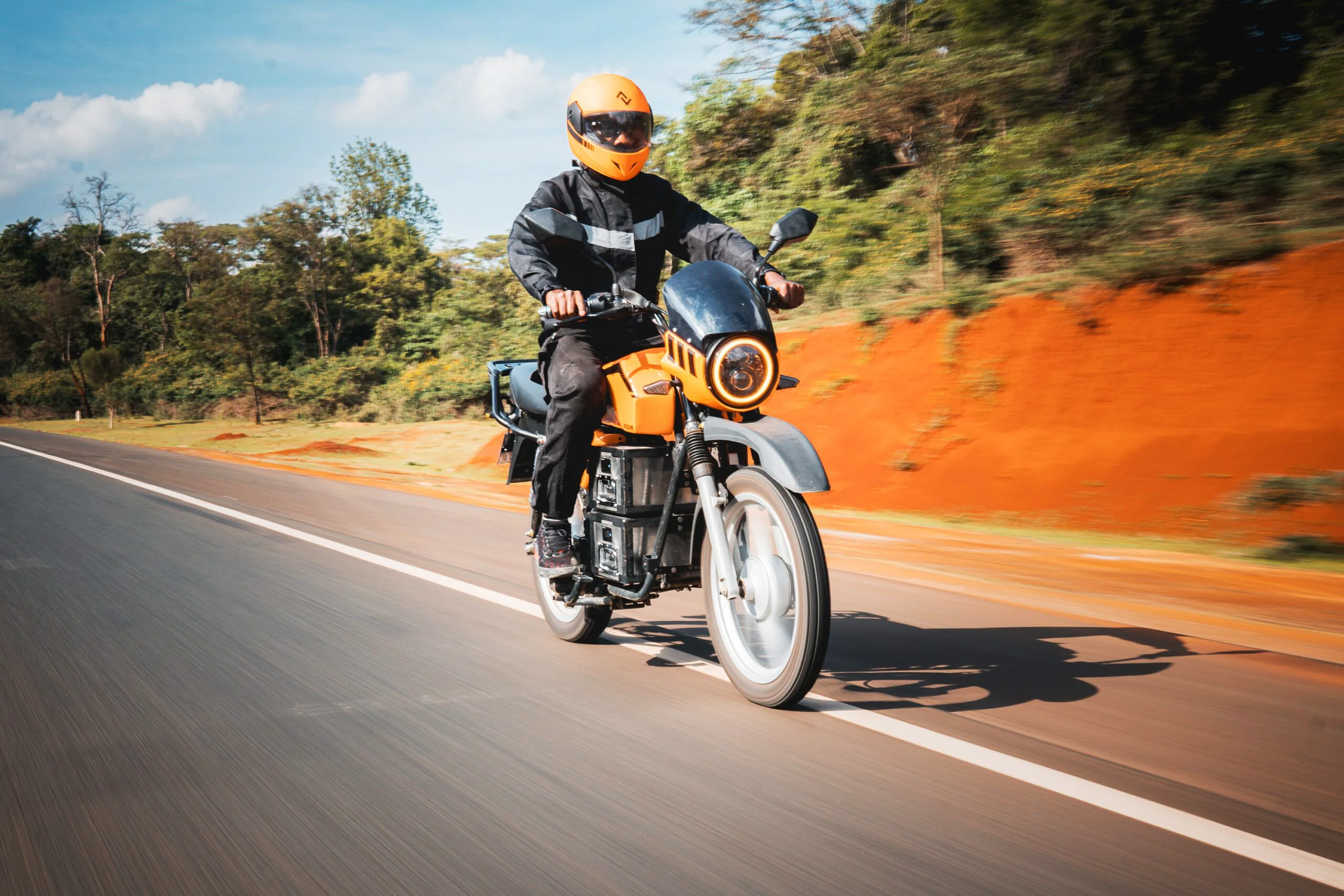
In East Africa, the electrification of public mobility is also gaining traction on two wheels. In Kenya, electric boda bodas(motorbikes) are proliferating after new tax incentives were introduced. Companies like Ampersand and BasiGo are scaling up operations, while Uber has launched fleets of electric bikes on Nairobiโ€™s streets.

The shift has already reduced noise and air pollution in parts of the capital. Although electric bikes currently represent a small fraction of Nairobiโ€™s estimated 200,000-strong fleet, growth has been exponential โ€“ a 500% increase in a single year, according to industry experts.

As one local executive put it, Africaโ€™s EV transformation may mirror the mobile phone revolution of the 1990s: initially limited by infrastructure but destined for mass adoption once affordability and access improve.

Morocco: building Africaโ€™s first battery hub

Further north, Morocco is positioning itself as a continental hub for EV battery manufacturing. Construction is underway on Africaโ€™s first gigafactory, a US$5.6-billion partnership between Chinaโ€™s Gotion and the Moroccan government, reportsBusiness Insider Africa.ย 

Located in Kenitra, the plant will begin production in 2026 with an initial capacity of 20GWh โ€“ enough to power hundreds of thousands of EVs. The full five-phase project could expand to 100GWh and create up to 17,000 direct and indirect jobs.

The gigafactory will not only serve Europeโ€™s growing EV market โ€“ where Morocco has already become the EUโ€™s top automotive exporter โ€“ but also strengthen Africaโ€™s role in the global clean-energy value chain. By producing cathodes and anodes locally, Morocco reduces reliance on imports and captures more value from its own supply chains.

As Moroccoโ€™s Industry Ministry put it, the project marks a shift from โ€œraw materials to manufacturing powerโ€, setting a blueprint for other resource-rich African nations such as the Democratic Republic of Congo, Zambia and Zimbabwe to follow.

Chile: electrifying Santiagoโ€™s streets

In Latin America, meanwhile, Chile is blazing a trail in electric public transport. In Santiago, 55% of the cityโ€™s buses are now electric โ€“ the highest percentage outside China โ€“ and this is expected to reach 68% by early 2025.

Over 3,500 zero-emission buses already operate across the capital, slashing diesel use by more than 60 million litres and cutting particulate emissions by 80%. New articulated electric buses, operated by Metbus and supplied by BYD, are expanding the network further, offering quieter, safer and more comfortable rides to over five million daily passengers.

Chileโ€™s model underscores what strong policy direction, public-private collaboration and sustained investment can achieve.

A quiet revolution

From Addis Ababa to Santiago, a quiet revolution is underway. Whether itโ€™s banning fossil-fuel cars, electrifying buses or manufacturing the batteries that will power tomorrowโ€™s mobility, the Global South is proving that green transport need not be a privilege of the wealthy North.

As nations reimagine their transport systems around clean energy, they are also crafting new models of growth, inclusion and resilience โ€“ and, in doing so, helping steer the world toward a more sustainable, equitable future.

ย 

The transport industry is often demonised for its environmental impact โ€“ sometimes, unfairly so. Yet few sectors have greater potential to drive real, measurable change. Enter Road to Zero, our new monthly column charting the industryโ€™s journey toward a cleaner, more sustainable future. We celebrate the pioneers already reducing their environmental footprint and invite every company, every fleet and every individual to join this shared mission. Together, step by step, we can transform transport into a force for regeneration โ€“ and ensure the planet we pass on is healthier than the one we inherited.
Published by

Focus on Transport

FOCUS on Transport and Logistics is the oldest and most respected transport and logistics publication in southern Africa.
Prev Outsourcing versus โ€œrightsourcingโ€
Next Wheels of progress: Celebrating Buscorโ€™s journey of excellence

Leave a comment

This site is protected by reCAPTCHA and the Google Privacy Policy and Terms of Service apply.