Indian CV giant rolls into Mzansi

Indian CV giant rolls into Mzansi

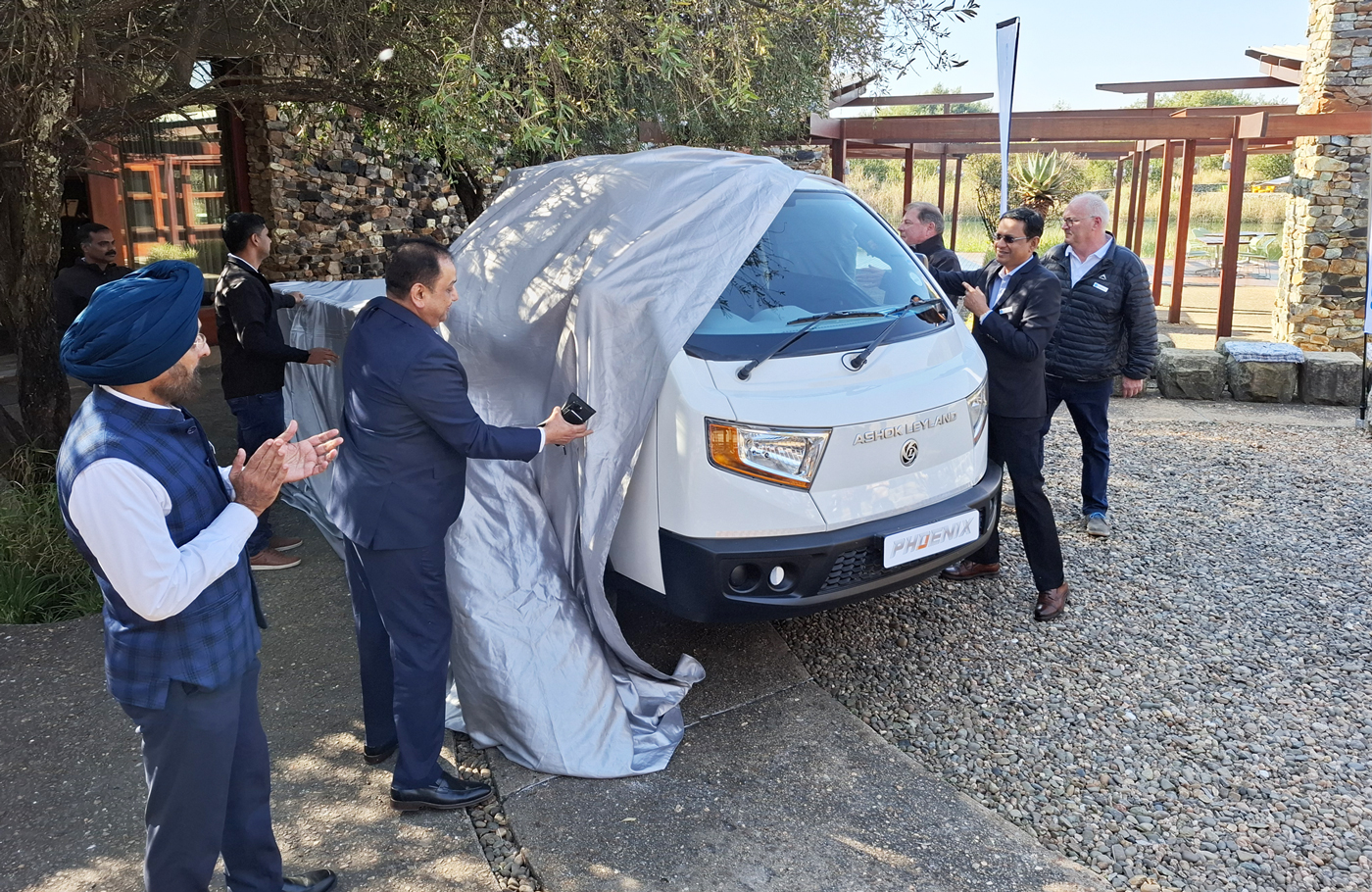
South Africaโ€™s substantial commercial vehicle (CV) market โ€“ an essential artery of the national economy โ€“ is welcoming a major new entrant. COLIN WINDELL was there as Ashok Leyland, Indiaโ€™s second-largest CV manufacturer and a Top 20 global player, formally launched its entry into the local market.

The company signalled ambitious plans to carve out a strong presence with a value-driven range of light commercial vehicles (LCVs) and a future-ready technology roadmap including electric models.

This is no casual foray. โ€œWe treat every foreign market where we sell our vehicles as our โ€˜homeโ€™ market,โ€ said Shenu Agarwal, managing director and CEO of Ashok Leyland. โ€œWe will be bringing more vehicles from our extensive range to South Africa and are considering setting up a local assembly operation as well.โ€

The announcement comes at a time when South Africaโ€™s vehicle sector remains resilient, despite some recent headwinds. Industry data presented at the launch shows annual sales of approximately 350,000 passenger vehicles and 140,000 LCVs. The medium commercial vehicle (MCV) segment adds about 7,000 units, while the heavy and extra-heavy segments contribute roughly 25,000 units. While last year saw a slight contraction โ€“ primarily due to rising interest rates โ€“ underlying demand remains strong.

A key data point in Ashok Leylandโ€™s strategy is the size of the active vehicle fleet in South Africa: currently estimated at 2.3 million units and projected to grow to nearly 3.8 million by 2028. This fleet underpins the national economy, particularly the approximately three million small to medium enterprises (SMEs).

With a staggering 85% of logistics dependent on road transport โ€“ and last-mile delivery accounting for 60% of that โ€“ the efficiency and cost-effectiveness of CVs, especially LCVs, is central to business viability and economic growth. The last-mile segment alone is forecast to be worth R3 billion by 2030.

Not just another player

Ashok Leyland enters this competitive landscape via a strategic joint venture. Its South African operations are supported by two established local entities: ETG โ€“ responsible for broader distribution โ€“ and the Hallmark Motor Group, offering deep automotive retail experience.

Justin Ryan, CFO and motor MD at the Hallmark Motor Group, emphasised that Ashok Leyland intends to be more than a name on a dealership forecourt. โ€œWeโ€™re making sure weโ€™re not just another player in the market. Weโ€™re introducing some very unique products,โ€ he explained.

The companyโ€™s initial focus is on the high-volume LCV sector, and specifically the โ€œpure work bakkieโ€ market: single-cab vehicles used primarily by businesses. This segment, comprising around 60,000 units annually, is dominated by major players, with Toyota holding a commanding lead. Prices typically range from R150,000 to R450,000, with models such as the Suzuki Carry occupying the entry-level bracket at around R170,000.

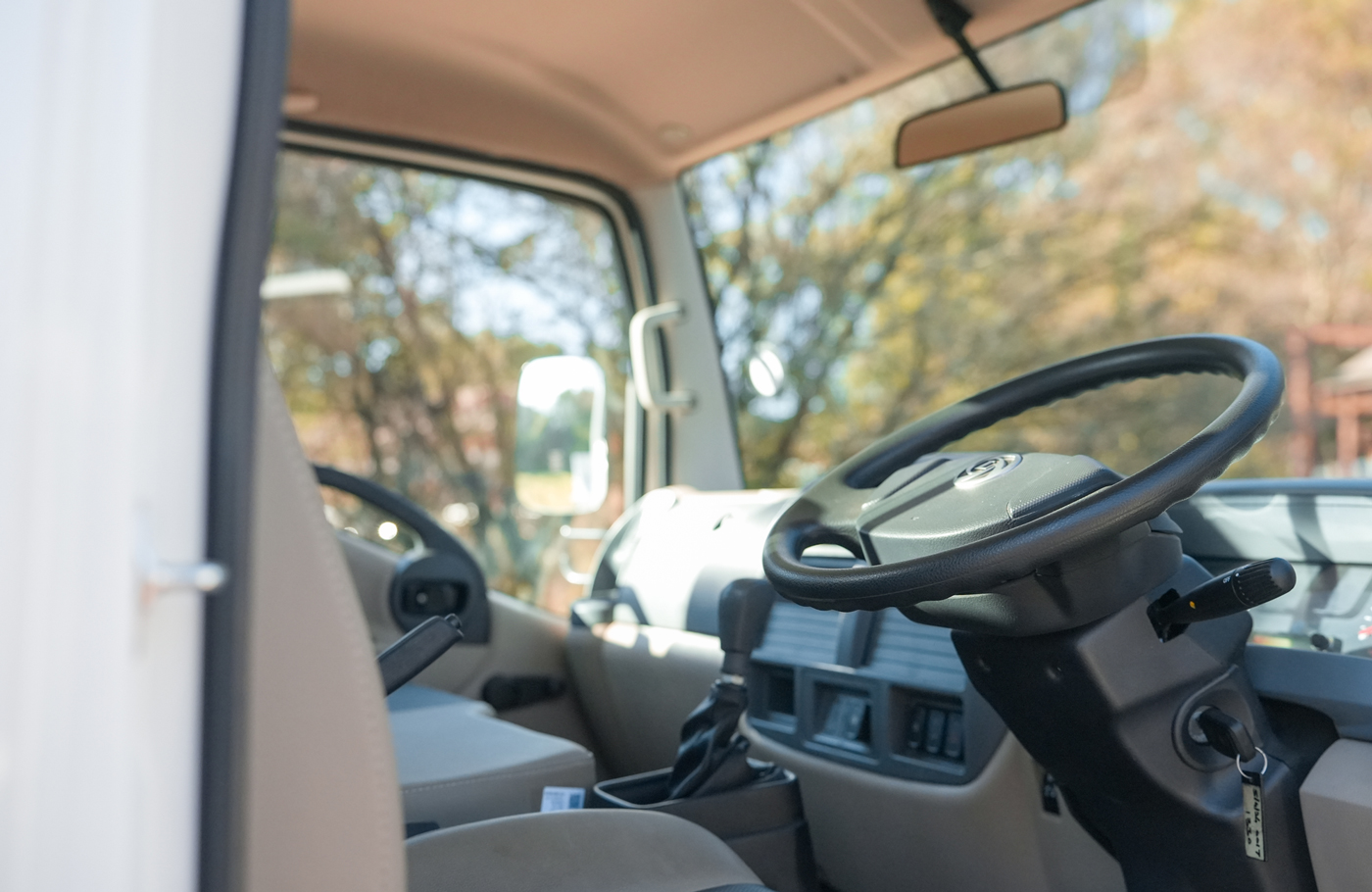
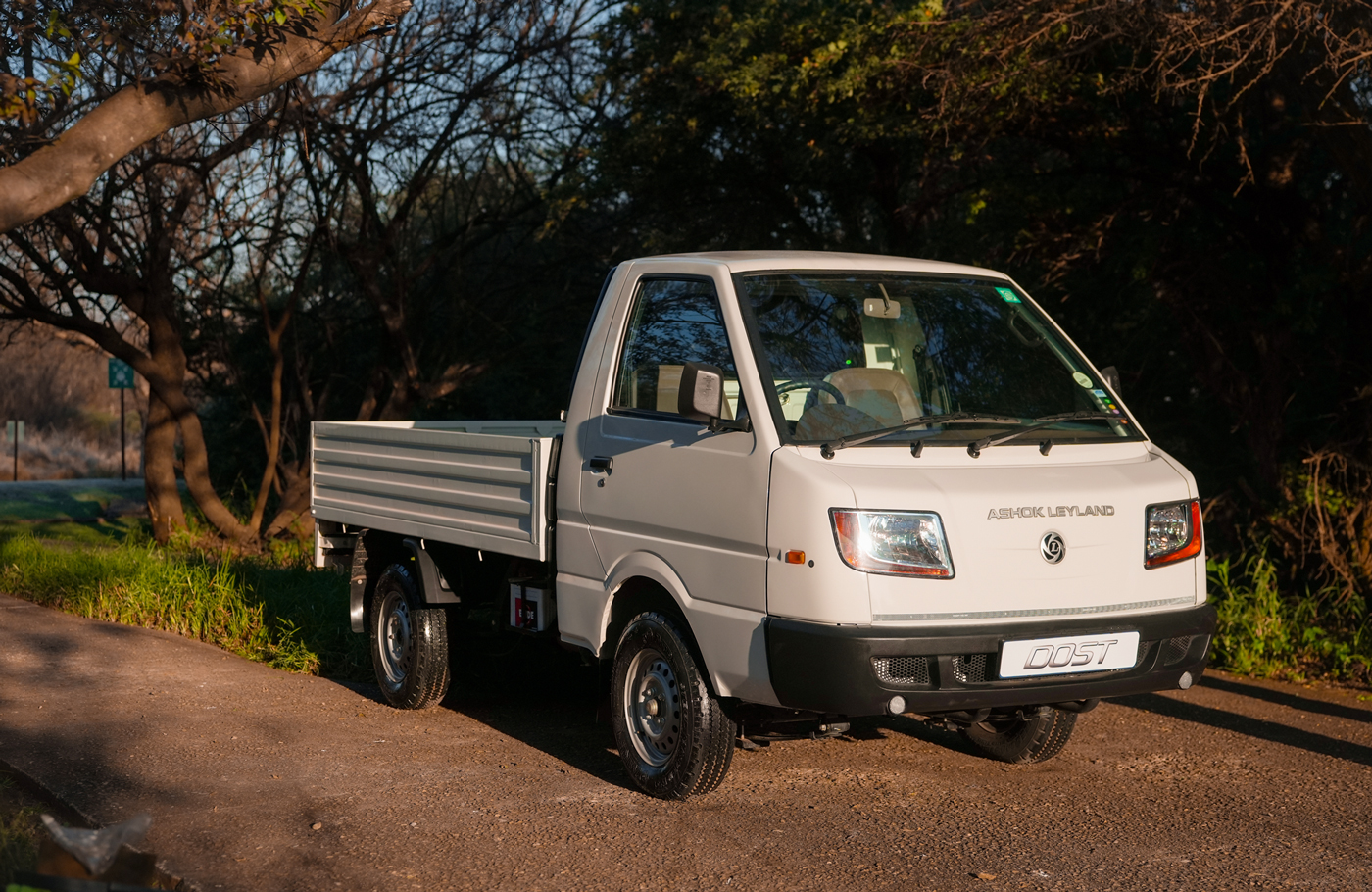
Ashok Leylandโ€™s entry into this segment is headlined by the Dost bakkie, positioned around a compelling total cost of ownership (TCO) narrative. According to the companyโ€™s analysis, the average LCV operator in South Africa spends around R10,000 per month โ€“ R6,000 on vehicle finance and R4,000 on diesel.

โ€œOur Dost offers at least 30% better efficiency and economy,โ€ said Amandeepย Singh, president ofย Growthย Business, a division of Ashok Leyland. โ€œOur cost for this R10,000 monthly expenditure would be closer to R7,000 โ€“ or even less.โ€ This claim is based on a mix of competitive upfront pricing and significantly improved fuel economy โ€“ a crucial consideration for high-mileage operators. Designed for rugged Indian conditions, the Dost promises durability and performance suited to South African terrain and demands.
Beyond the bakkie

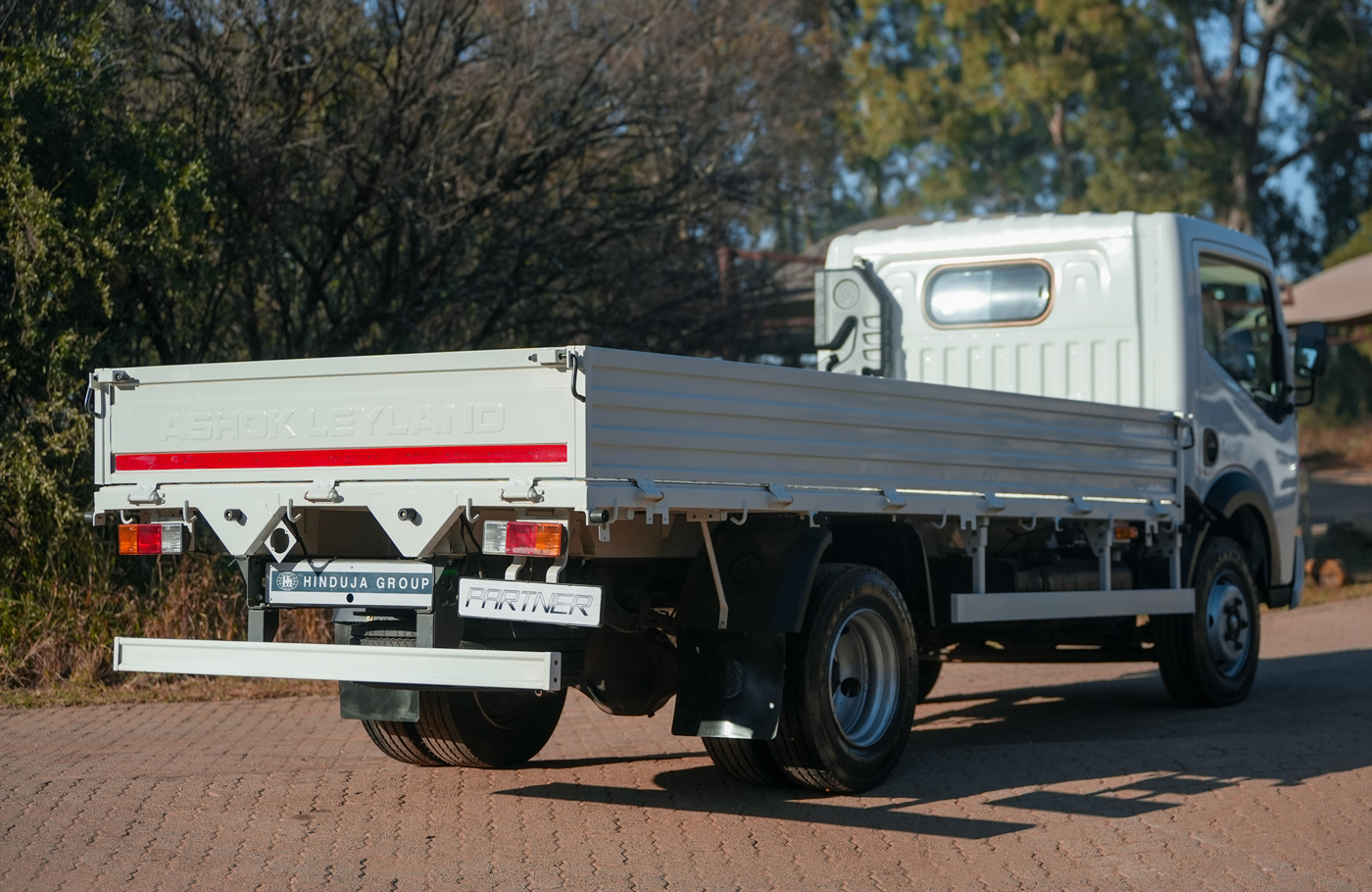
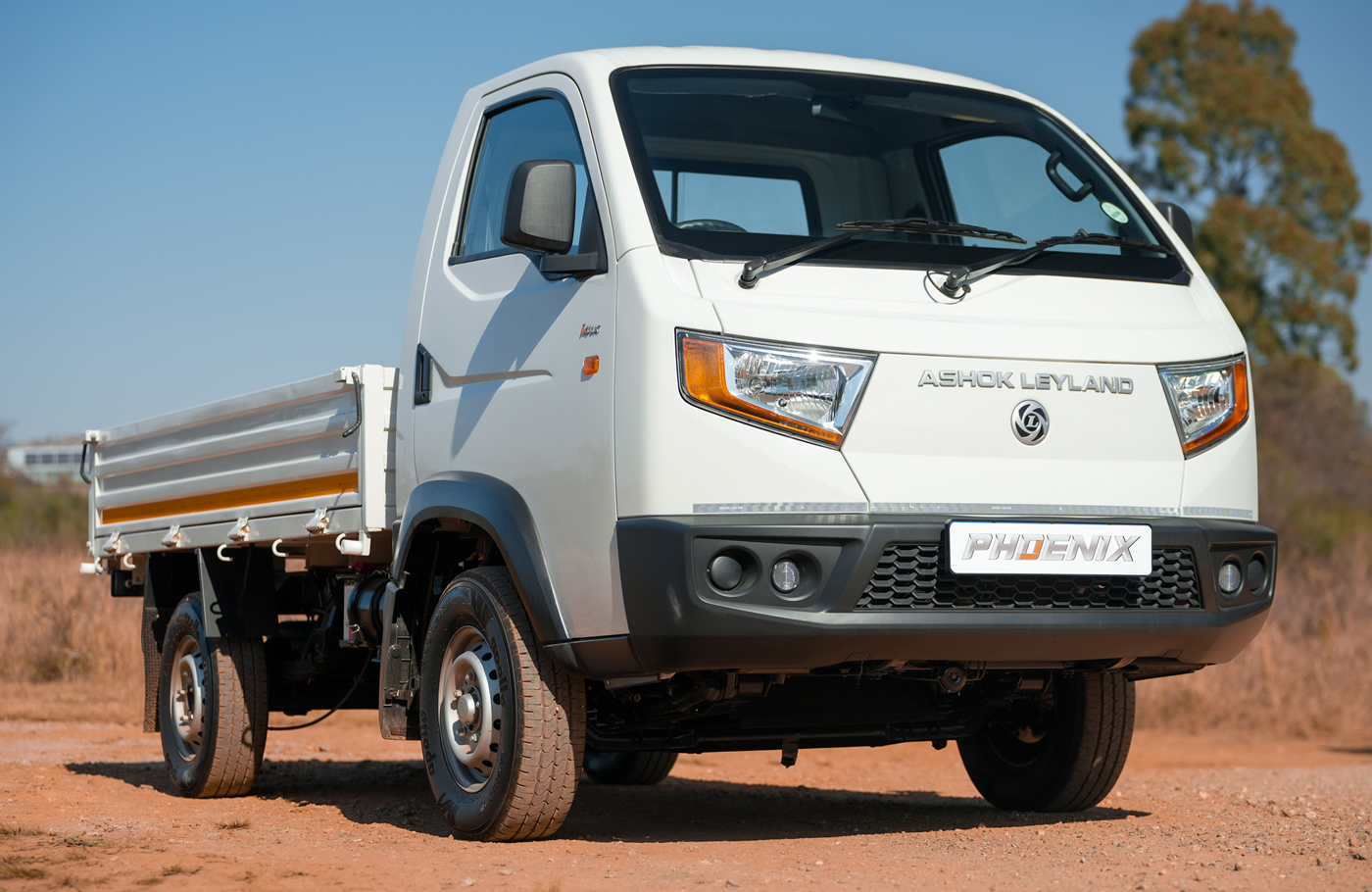
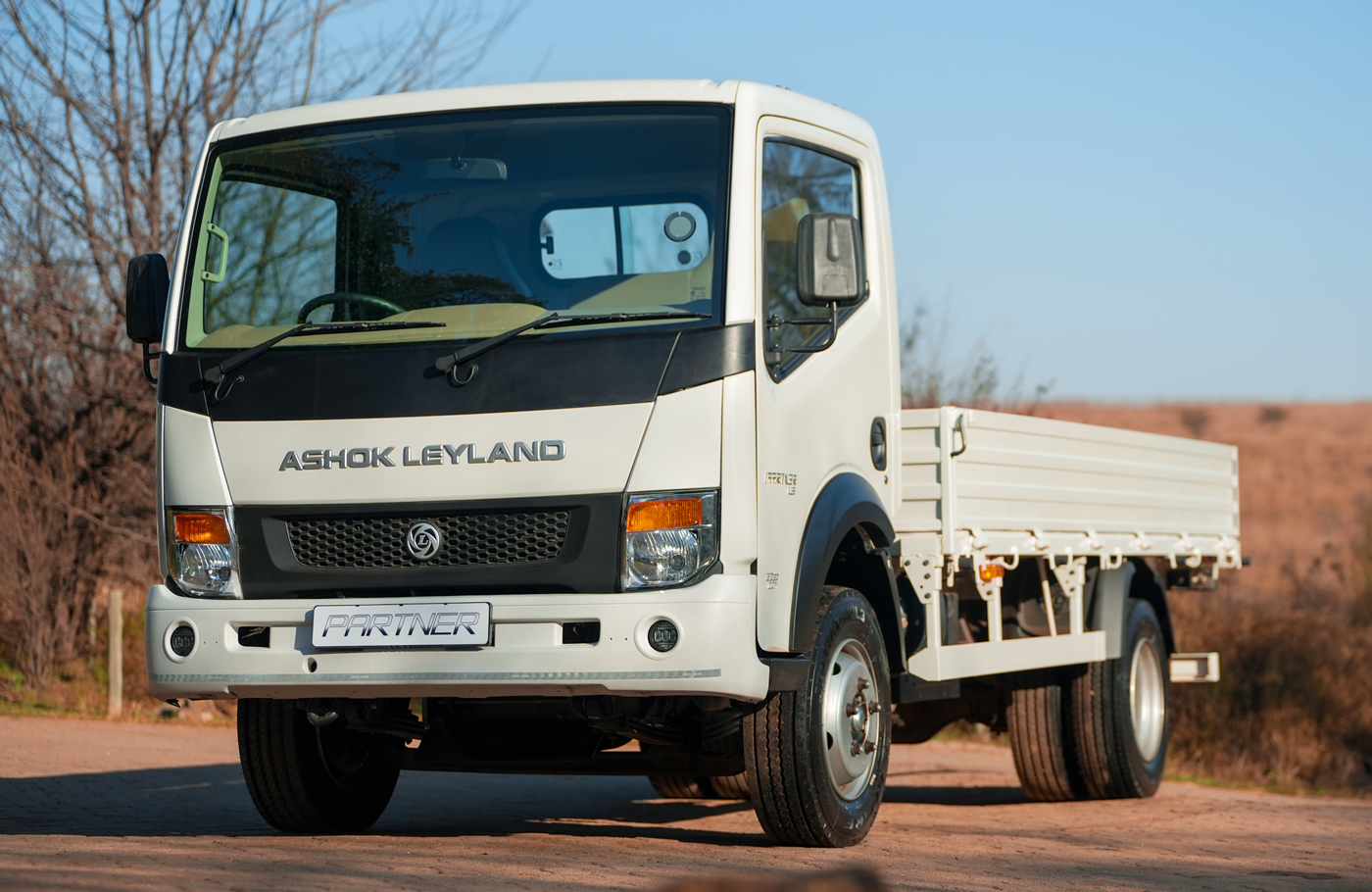
While the Dost is Ashok Leylandโ€™s launch vehicle, the companyโ€™s ambitions are further-reaching. The Phoenix and Partner models were also unveiled at the launch, while there are plans to introduce the Captain and Boss platforms in due course to offer vehicles spanning the 2.5- to 7.5-tonne range.

The MCV segment in South Africa โ€“ comprising around 5,000 units annually and ranging in price from R300,000 to R1 million โ€“ is currently led by Japanese brands, with smaller shares held by Chinese manufacturers and Tata. Ashok Leyland sees strong potential here, too.

However, perhaps the most forward-thinking aspect of the companyโ€™s strategy lies in its focus on alternative fuels and future mobility technologies. While acknowledging that South Africa is not yet a major market for electric or hydrogen vehicles, the company sees this transition as inevitable. โ€œWhether it happens in two years, five years or 10 years is open for debate,โ€ said Agarwal, โ€œbut we know the world will move to cleaner and smarter fuels.โ€

Ashok Leyland highlighted its substantial investments and offerings in future technologies: battery electric vehicles (BEVs), hydrogen internal combustion engines (H2-ICE), hydrogen fuel cells, compressed and liquefied natural gas (CNG/LNG), and advanced driver-assistance systems (ADAS).

Significantly, Agarwal revealed that the company is considering a bold move: โ€œWe are very seriously considering launching the first-ever electric LCV in South Africa.โ€ Ashok Leyland believes its electric technology is mature, with a compelling TCO proposition that goes beyond environmental concerns. While acknowledging infrastructure gaps, the company is confident in working with partners to develop charging ecosystems, leveraging its experience from markets like India and the UK โ€“ where Ashok Leyland electric double-decker buses already operate.

Investment and local integration

Ashok Leyland has made it clear that South Africa holds a central place in its global expansion strategy. Already the worldโ€™s fourth-largest bus manufacturer and 13th-largest truck maker, the company has a stated goal of entering the global Top 10; a strong foothold in South Africa is critical to that ambition.

Ashok Leylandโ€™s commitment to South Africa extends well beyond vehicle sales. The company plans to establish a local branch that will house support staff, thereby improving market responsiveness and strengthening relationships with customers. It is also considering the establishment of a local assembly plant. This move will depend on growth in sales volumes and demand for specific models, and is in line with the companyโ€™s successful localisation strategies in markets such as the UAE.

In addition, Ashok Leyland is committed to talent development. The company has already trained engineers from 11 African countries and intends to implement a similar initiative in South Africa by recruiting and nurturing local technical talent. Furthermore, it brings significant expertise in delivering large-scale fleet and mobility projects for governments across Africa โ€“ projects valued at approximately half a billion dollars. With this experience, Ashok Leyland is actively exploring similar partnerships in South Africa, including electric mobility initiatives with stakeholders such as the City of Cape Town.

Ashok Leylandโ€™s entrance brings new competition, particularly in the critical LCV โ€œwork bakkieโ€ segment that supports SMEs and last-mile delivery. If the Dost can deliver on its TCO claims, it could disrupt a space long dominated by legacy brands. The potential early move into electric LCVs is also notable, positioning the company well for an evolving regulatory and cost landscape.

With ETG and Hallmark providing local muscle, Ashok Leyland has robust market entry partners. However, the brandโ€™s long-term success will hinge on more than just cost-efficiency โ€“ it must prove itself in aftersales service, customer trust, and local integration.

Ashok Leylandโ€™s South African debut is not merely a launch โ€“ itโ€™s a strategic declaration. Backed by global resources and a focused approach, the company aims to meet two critical needs: affordable commercial transport for SMEs and future-focused vehicle technology. Its motto, โ€œtransforming lives and businesses through leadership in mobilityโ€, now faces a South African test.

It remains to be seen whether the company can erode Toyotaโ€™s dominance, prove the Dostโ€™s economy, successfully lead electric vehicle adoption, and fulfil its promises of local investment. What is certain, however, is that Ashok Leylandโ€™s arrival adds a dynamic new dimension to South Africaโ€™s CV sector โ€“ offering potential new choices for businesses that rely on making the right vehicle choice to survive.

VEHICLE SPECIFICATIONS

Dost

  • Price: R169,900
  • Engine: 1.5-litre three-cylinder turbodiesel
  • Power: 44.1kW @ 3,300r/min
  • Torque: 158Nm @ 1,600r/min
  • Economy: 16km/litre
  • Gross Vehicle Mass (GVM): 2,525kg
  • Payload: 1,250kg
  • Warranty: five years/150,000km

Phoenix (with air-conditioning)

  • Price: R269,900
  • Engine: 1.5-litre three-cylinder turbodiesel
  • Power: 59kW @ 3,300r/min
  • Torque: 190Nm @ 1,600r/min
  • Economy: 14km/litre
  • GVM: 3,490kg
  • Payload: 1,810kg
  • Warranty: five years/150,000km

Partner

  • Price: R369,900
  • Engine: 2,933cc four-cylinder turbodiesel
  • Power: 103kW @ 2,750r/min
  • Torque: 360Nm @ 1,350r/min
  • Economy: 8.5km/litre
  • GVM: 7,200kg
  • Payload: 4,101kg
  • Warranty: five years/150,000km

Published by

Focus on Transport

FOCUS on Transport and Logistics is the oldest and most respected transport and logistics publication in southern Africa.
Prev Customer commitment drives DAFโ€™s market momentum
Next Fuso and Hino merger marks major shift in CV landscape

Leave a comment

This site is protected by reCAPTCHA and the Google Privacy Policy and Terms of Service apply.