World’s best commercial vehicles honoured in Lyon
World’s best commercial vehicles honoured in Lyon
The winners of the most important commercial vehicle awards were announced last month during Solutrans. CHARLEEN CLARKE travelled to Lyon, France, to attend the awards banquet and cover the exhibition.
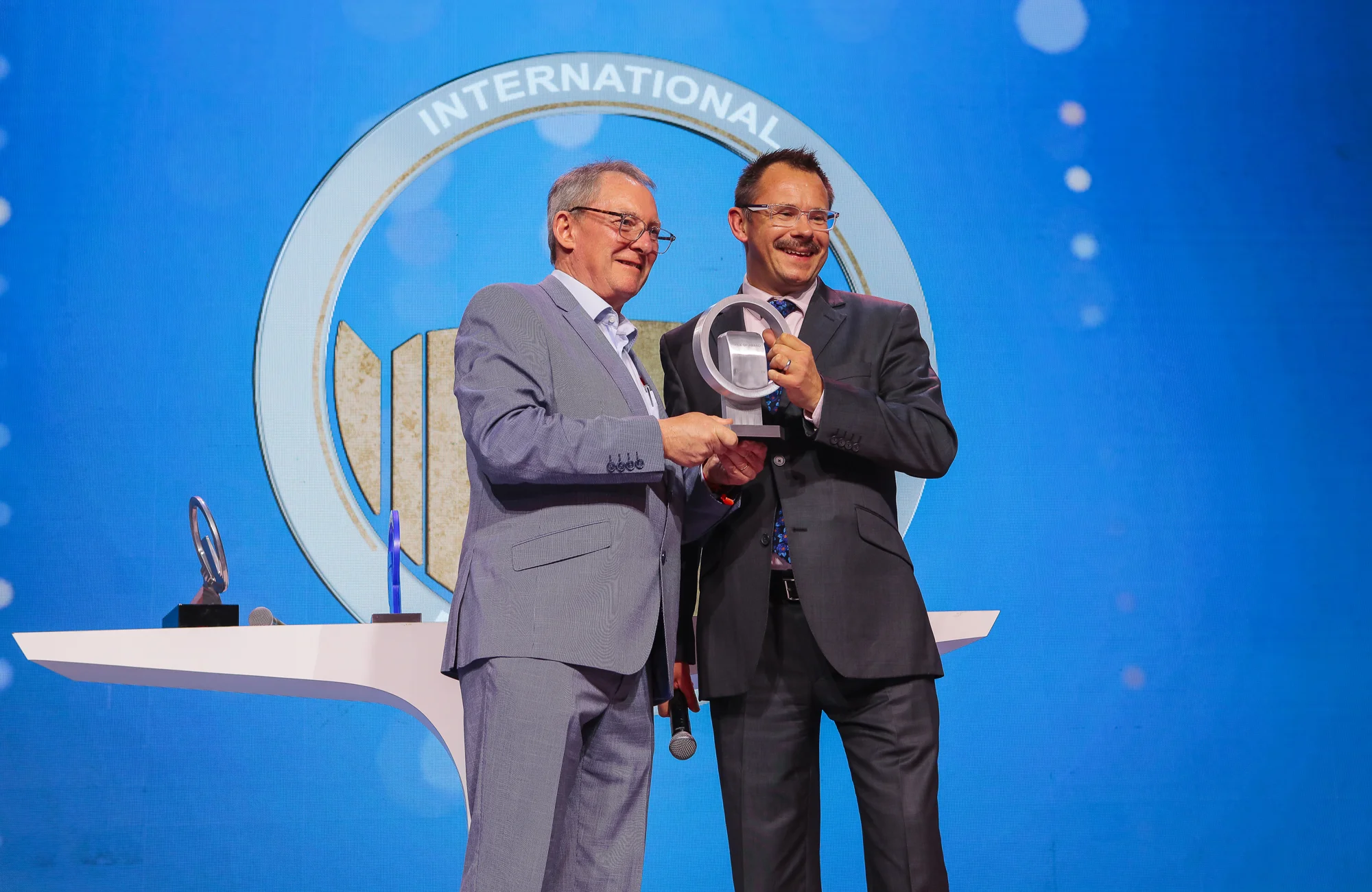
The Solutrans international trade fair once again played host to the commercial vehicle industry’s most prestigious awards, recognising the very best in trucks, vans, pick-ups and technology. As always, the highlight of the event was the announcement of the International Truck of the Year (IToY) – widely regarded as the most influential accolade in the global trucking sector.
South Africa was proudly represented on all four juries by FOCUS editorial director, Charleen Clarke, who has long served as the country’s voice in these highly respected international panels.
International Truck of the Year 2026: DAF electrifies the competition
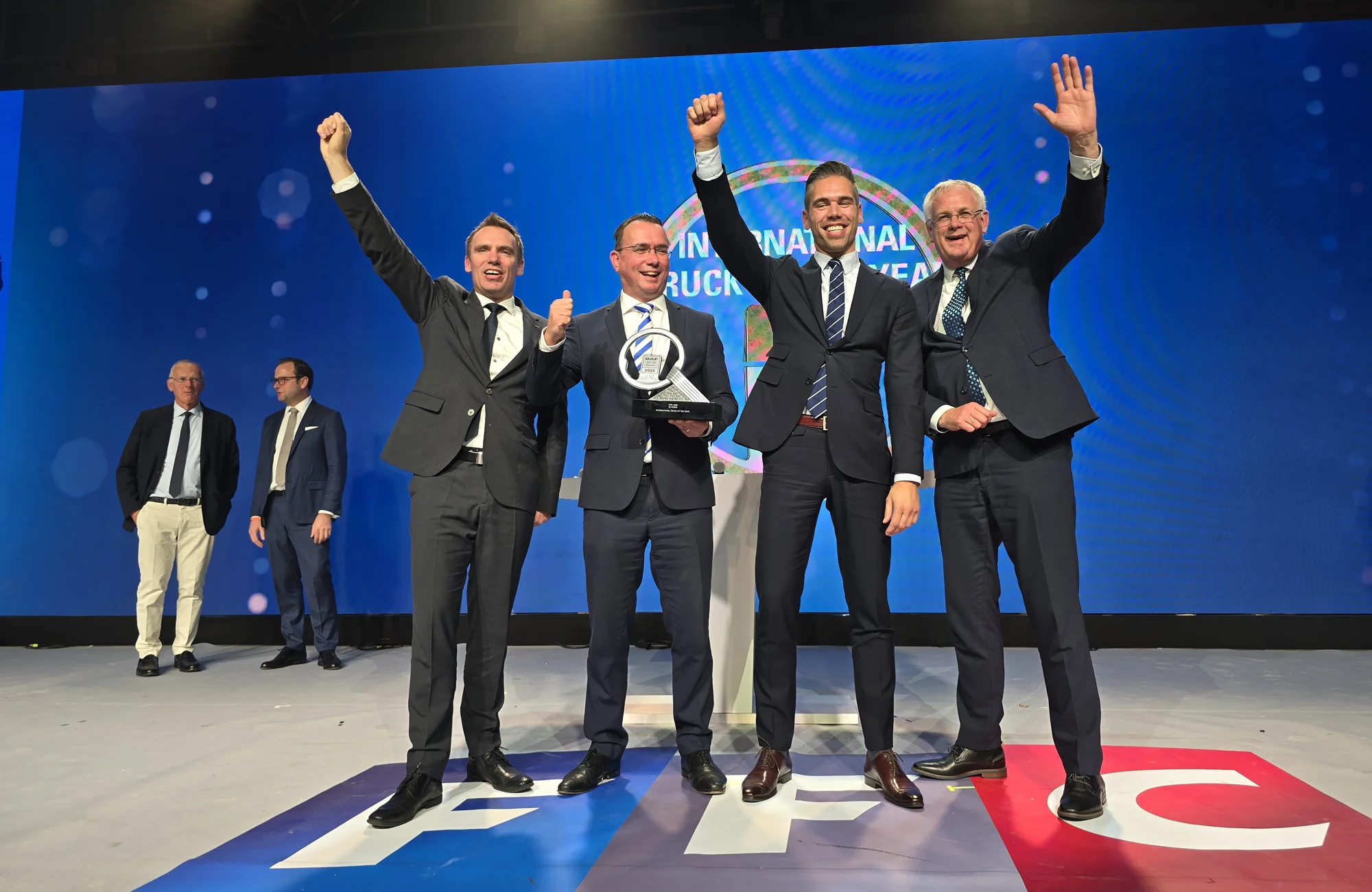
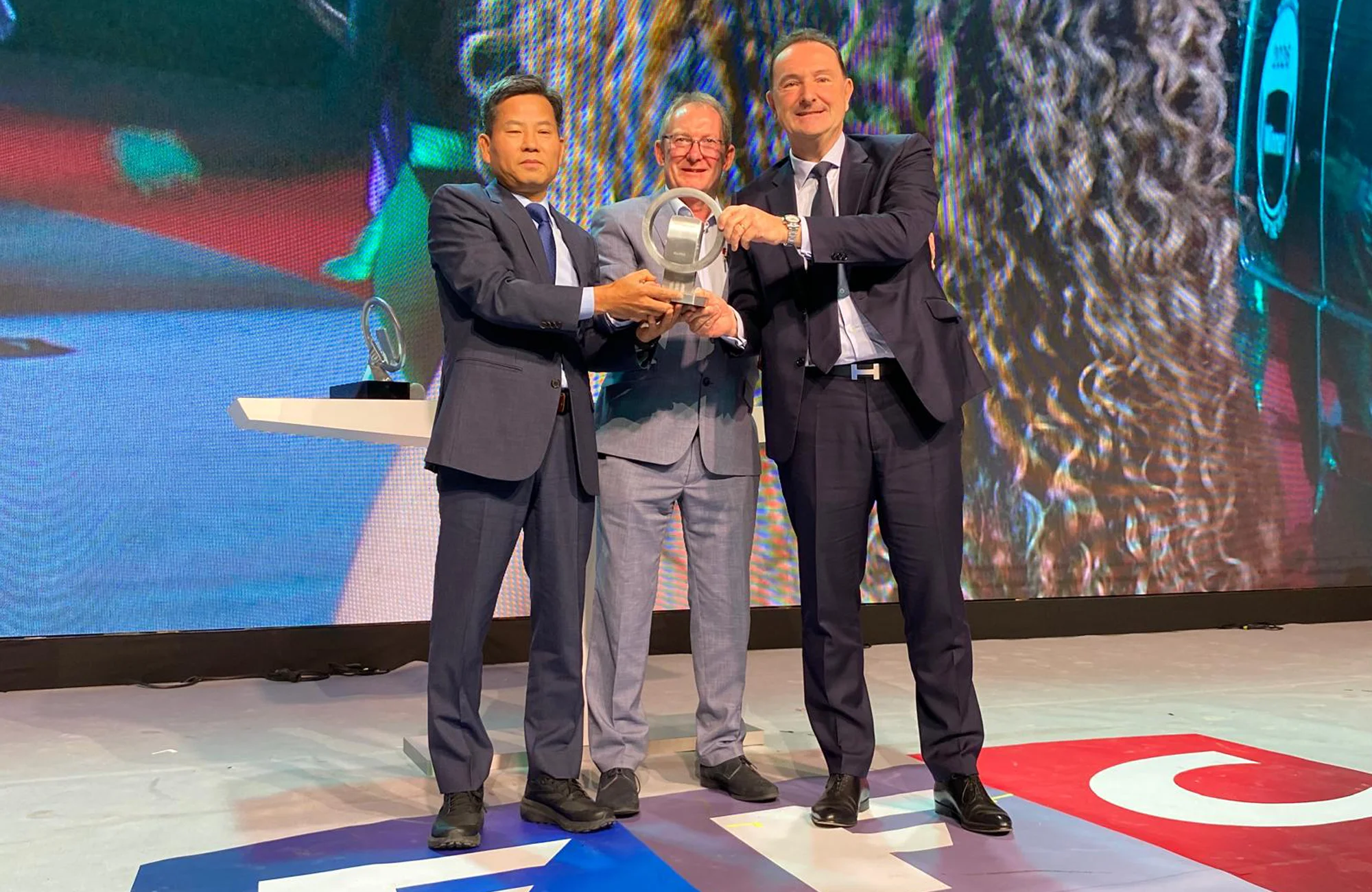
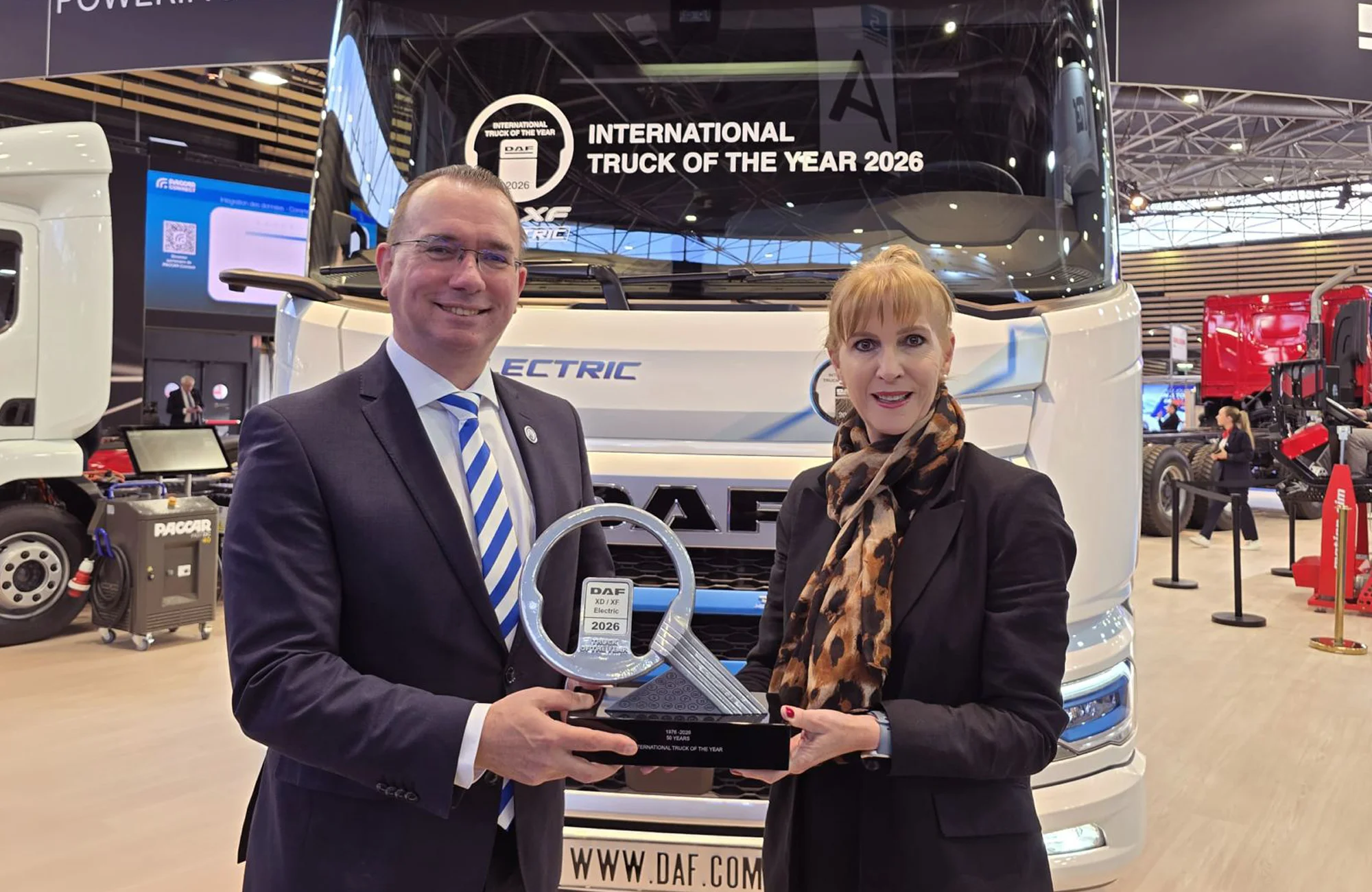
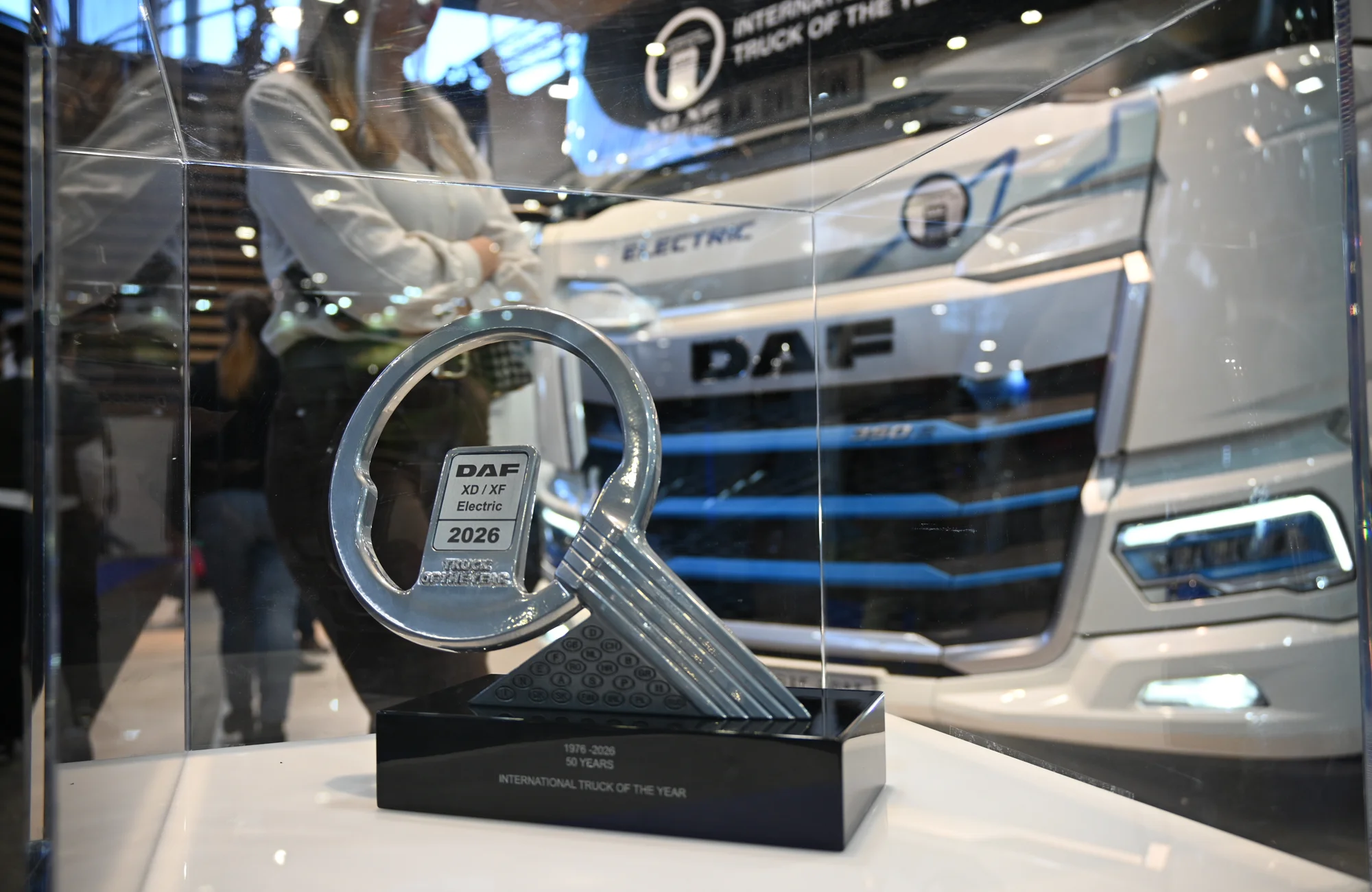
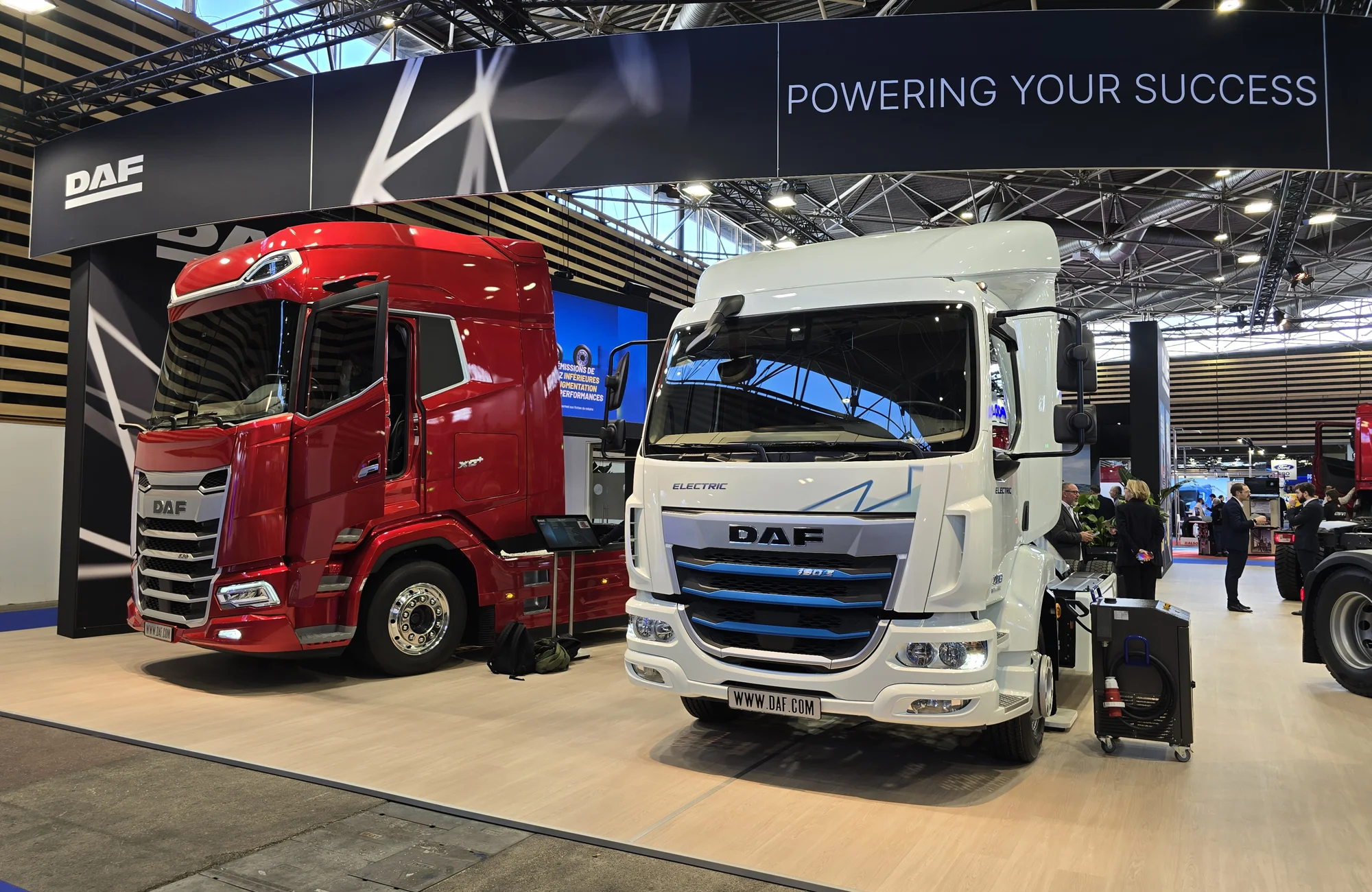
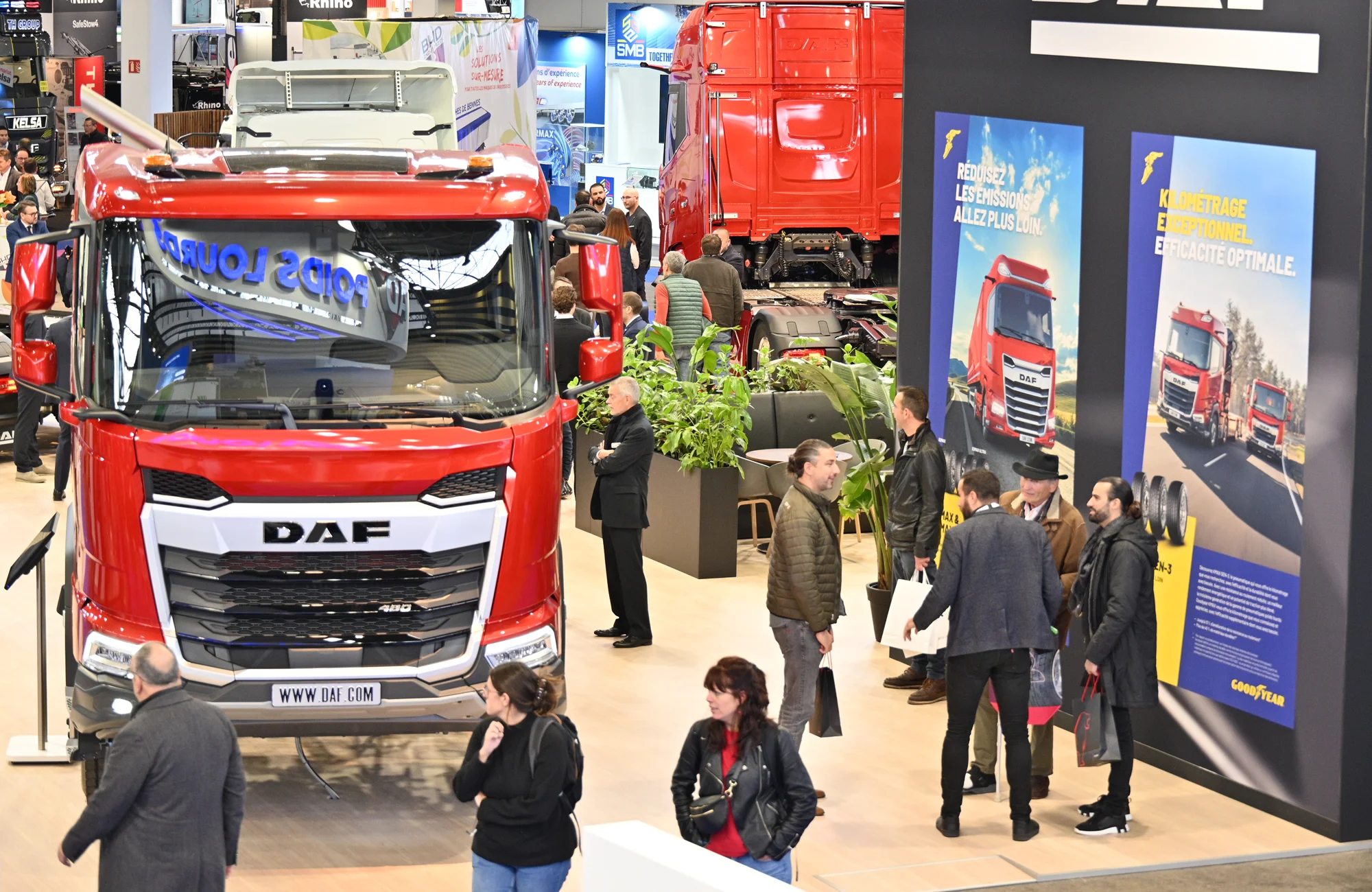
The top honour of the evening – the International Truck of the Year 2026 – was awarded to DAF’s XD and XF Electric models. DAF secured an impressive 92 points from the 24-member jury, marking its third major IToY win since the launch of its New Generation range.
The judges praised the trucks’ exceptionally refined driveline, seamless gear transitions and improved energy efficiency delivered through a 9% aerodynamic gain. Their modular design, which allows operators to select from a wide range of battery and axle configurations, also stood out.
The result marks the third consecutive year in which an electric truck has taken the crown, signalling the rapid acceleration of the industry’s energy transition. Strong competition came from MAN’s D30 PowerLion and the SANY e435 – the first Chinese truck ever shortlisted.

International Van of the Year 2026: Kia claims its first victory
In the light commercial vehicle (LCV) segment, the International Van of the Year 2026 (IVOTY) was awarded unanimously to the fully electric Kia PV5. This win marks Kia’s first-ever IVOTY title, and a significant moment for its emerging Platform Beyond Vehicle (PBV) division.
Built on Kia’s new E-GMP.S skateboard architecture, the PV5 impressed jurors with its modular design, forward-thinking engineering and the brand’s clear commitment to electrified commercial mobility.
The Farizon SV took second place, followed by the Ford E-Transit Courier in third. With several strong European contenders also shortlisted, Kia’s breakthrough win signals its arrival as a serious force in the van market.
International Pick-up Award 2026/27: Ford Ranger PHEV makes history
Ford secured its fourth International Pick-up Award (IPUA) with the newly developed Ford Ranger PHEV, the first hybrid ever to take the title. Tested extensively in Bulgaria, the Ranger PHEV outperformed rivals from INEOS, Foton and Maxus, particularly impressing with its all-round capability.
Its 2.3-litre EcoBoost engine paired with a 75-kW electric motor delivers 207kW and 697Nm, while maintaining the Ranger’s trademark toughness and exceptional towing capacity. The model’s new Pro Power Onboard system – which turns the vehicle into a mobile energy source – also strengthened its appeal to the jury.
Truck Innovation Award 2026: Bosch leads with data-driven safety
Rounding off the honours, Bosch won the Truck Innovation Award 2026 for its cutting-edge Road Hazard Service. The system uses anonymised swarm data from millions of connected vehicles, combined with road-operator and weather information, to give drivers real-time warnings about hazards such as fog, heavy rain or broken-down vehicles.
Already active in passenger cars since 2024 and available in Mercedes-Benz Trucks, the technology represents a major step toward safer roads and an important building block for automated driving.
On with the show
While the awards banquet was undeniably the highlight of Solutrans, the exhibition itself was also very good indeed – the halls were packed with fascinating exhibits and there appeared to be more visitors than ever before.
A number of world premieres took place during the exhibition and, more significantly, important conversations were held. This was extremely necessary, as the commercial vehicle sector is finding itself in a period of both opportunity and unease – electrification is accelerating, yet infrastructure is lagging; efficiency demands are rising, yet supply chains remain fragile; regulatory pressure is mounting, yet customer expectations are hardening.
But, of course, there was also a lot to see. Here are just some of the highlights:
World premiere: Renault Trafic E-Tech Electric
Renault chose Solutrans as the stage to unveil the production version of the Trafic E-Tech Electric, ahead of its arrival on European roads in late 2026. As the first model in a new generation of all-electric vans, it was always going to draw attention, yet its engineering decisions elevated it from routine model launch to something more consequential.
Instead of adapting an existing diesel platform, Renault built the vehicle around a fully-electric skateboard architecture. This decision allows for a compact external footprint paired with maximum internal volume. The rear-mounted motor and shortened overhang help create an agile vehicle capable of manoeuvring easily through congested cities while still offering the practicality expected of a Trafic.
Under the skin lies an 800-V electrical system, enabling rapid charging that takes the battery from 15 to 80% in roughly 20 minutes. The van arrives with two battery choices, one offering a WLTP range of up to 450km using nickel manganese cobalt (NMC) chemistry; the other providing a still respectable 350km with a lithium iron phosphate (LFP) pack containing no rare metals. The motor generates 150kW and 345Nm of torque, giving the van a confident blend of performance and efficiency.
Perhaps more telling than the powertrain is the extent of software integration. Built on Ampere’s Software Defined Vehicle architecture, the Trafic E-Tech is designed to evolve through over-the-air updates. Its vehicle-to-load (V2L) and vehicle-to-grid (V2G) capabilities suggest a future in which commercial vehicles act as mobile energy assets, not merely logistics tools. The model will be produced in France at Sandouville, reinforcing Renault’s commitment to local manufacturing for its electric LCV portfolio.
Micro-mobility that punches above its weight
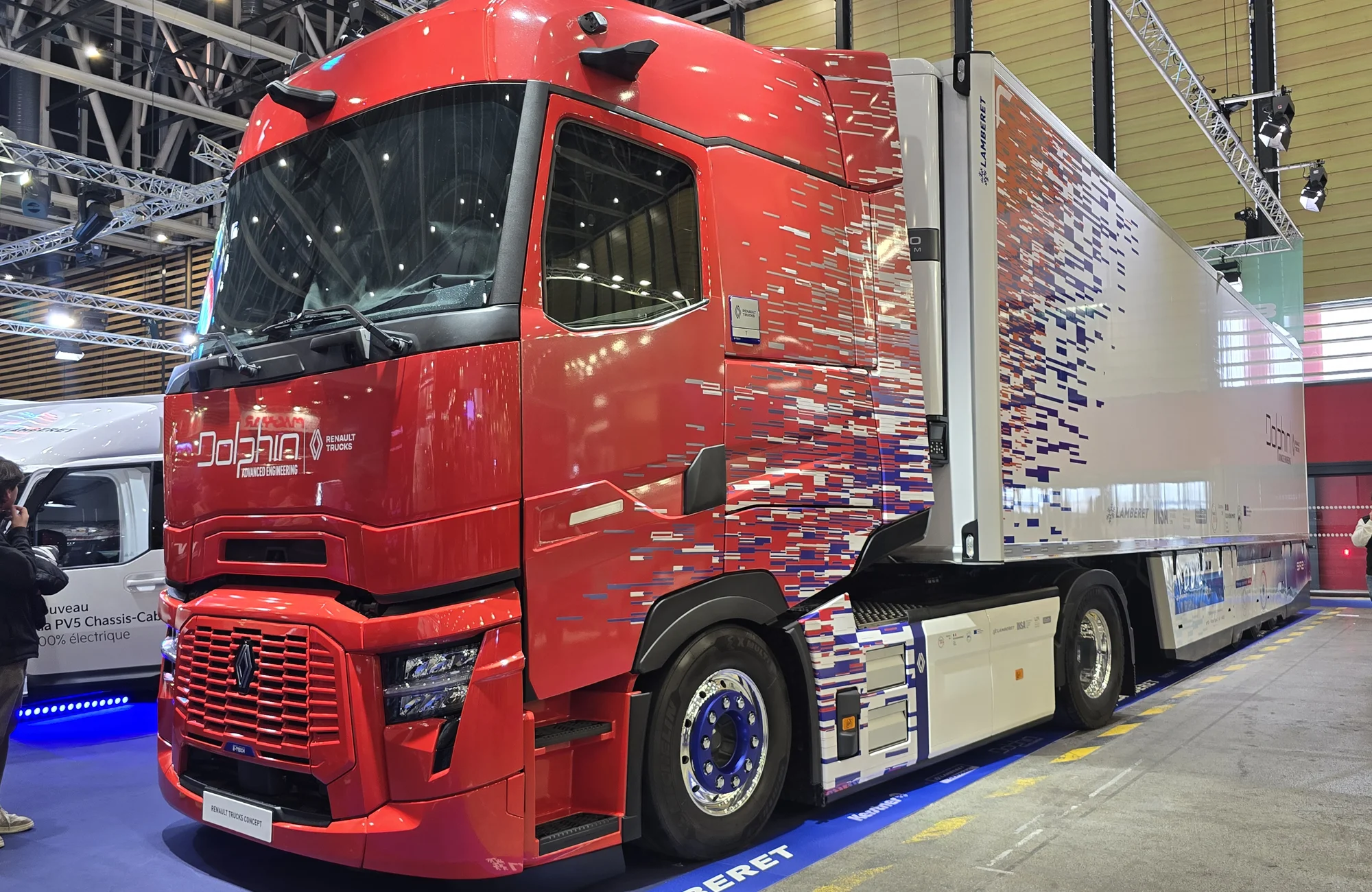
Although the halls were filled with giant tractors, 44-tonne combinations and long-haul electric prototypes, two unusually small machines captured a surprising amount of attention on the Renault stand.
The first was the latest Kleuster cargo e-bike, developed in partnership with Renault Trucks. Designed for urban logistics, the bike’s compact frame conceals engineering far more robust than its size suggests. It uses a chainless transmission system that reduces maintenance and accepts swappable batteries to extend operating hours. Front and rear suspension help it cope with the increasingly rough surfaces of modern cities, while its tight turning radius makes it highly manoeuvrable in narrow streets.
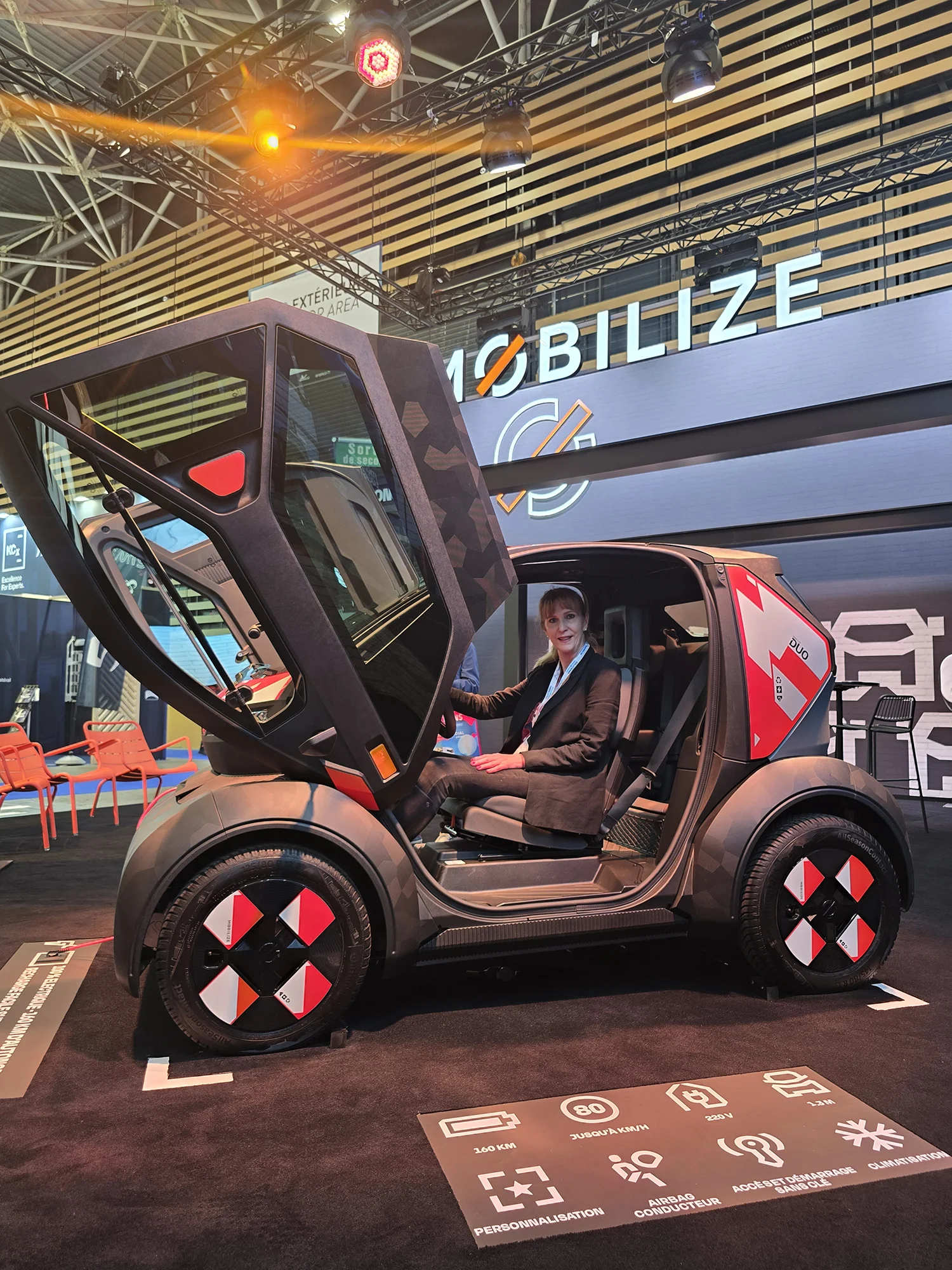
The second attention-grabber was the Mobilize Duo, Renault Group’s compact electric city car. Quirky in appearance yet surprisingly sensible in purpose, the Duo offers a 160-km range and a top speed of 80km/h, delivering short-distance practicality in a footprint barely larger than a motorcycle space. With a price hovering around 10,000 euros, it demonstrated that not all urban mobility challenges require large batteries or large vehicles.
Reinventing the used truck: The T 01 Racing
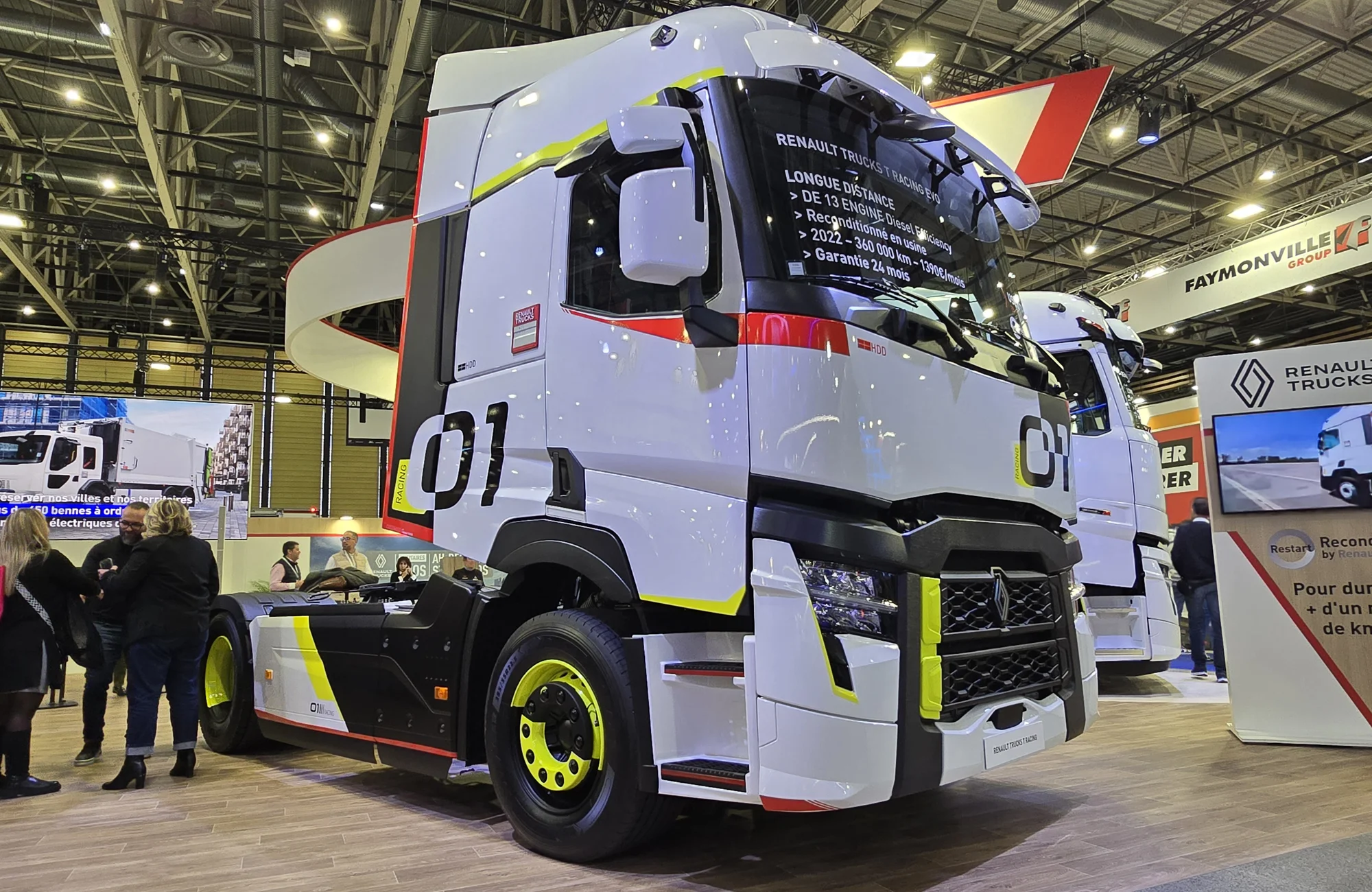
Across the stand, Renault Trucks also showcased the T 01 Racing, a bold reinterpretation of what a refurbished truck can be. Borrowing visual cues from the world of motorsport, the revamped model features sharp aerodynamic lines, a mixture of matte and gloss finishes and striking LED headlamps. The company describes it as part of a new generation of used trucks designed not simply to extend the life of old units, but to elevate them.
Inside the cab, drivers benefit from improved ergonomics, increased storage and an optimised rest area. A three-way adjustable steering column supports long-distance comfort, while refined aerodynamics, updated cruise-control logic and Class-A tyres promise fuel-efficiency improvements of up to 3%. Renault Trucks wants the T 01 Racing to demonstrate that refurbished vehicles can contribute meaningfully to sustainability without compromising pride of ownership.
Michelin: Between lunar exploration and earthly efficiency
Among the tyre manufacturers, Michelin delivered perhaps the single most visually dramatic exhibit of Solutrans 2025. Positioned proudly at the centre of its stand was the MiLAW – an airless wheel developed for NASA’s Artemis lunar missions. The idea of a tyre company producing a wheel designed to withstand temperatures ranging from -240 to +100˚C felt like science fiction made real.
The MiLAW has been engineered to operate on lunar regolith, a surface that is simultaneously abrasive, unstable and electrically charged. Without the option of air pressure to absorb impacts, Michelin turned to a combination of advanced materials, 3D printing and two decades of research into non-pneumatic tyre structures. The result is a wheel capable of resisting extreme thermal cycles, harsh radiation and the sharp edges of moon dust – all while supporting a rover in a zero-atmosphere environment.
What resonated with visitors was Michelin’s argument that space exploration enables innovation that eventually trickles back to everyday transport: technologies developed for interplanetary travel could improve the durability, efficiency and environmental profile of tyres used on Earth. In that sense, the MiLAW was both a moon tool and a statement of intent.
Broad mobility ecosystem for fleets
Away from the lunar spectacle, Michelin presented a comprehensive 360˚ offering for fleet operators. The company confirmed its goal of refreshing 80% of its truck tyre range by 2028, in line with its broader sustainability ambitions. Its commitment to 100% renewable or recycled materials in its tyres by 2050, with an interim milestone of 40% by 2030, formed a central narrative throughout the stand.
Digitalisation was another major theme. Michelin’s MyConnectedFleet platform has now been enhanced with a proprietary AI assistant capable of interpreting vast volumes of data and converting them into actionable insights. Operators can ask natural-language questions and receive detailed reports instantly, with the company emphasising that no customer data leaves the platform.
Truckfly by Michelin, the widely-used app that helps drivers locate essential services, was also updated to include a dedicated GPS for heavy goods vehicles (HGVs). Designed specifically for truck routing, it aims to reduce navigation errors and enhance safety.
Kia’s world premiere and the growing ambition of PBVs
Kia used Solutrans to introduce the PV5 Chassis Cab, a major step in its Platform Beyond Vehicle (PBV) strategy and a clear sign that the company intends to compete seriously in Europe’s LCV segment.
The PV5 Chassis Cab is built on Kia’s dedicated E-GMP.S electric platform, designed from the outset for electrification and modularity. The vehicle, which measures under 5m in length, offers a payload of just over one tonne and up to 8m³of cargo capacity when fitted with a High Box conversion. Despite these figures, it maintains a tight turning radius suited to urban delivery work.
Two battery options were confirmed: a 51.5-kWh pack available at launch and a 71.2-kWh long-range option arriving in 2026. The specific range depends heavily on the final body, but the standard L2H1 version recently achieved 297km (WLTP) with the smaller battery and 416km with the larger unit. DC fast charging enables a 10 to 80% recharge in about 30 minutes, helping fleets minimise downtime.
Kia emphasised that the PV5 Chassis Cab was developed in close collaboration with European converters. This has enabled a wide range of configurations, including dropside variants for construction work, tippers for municipal services, box bodies for parcel logistics and refrigerated versions for grocery distribution. At Solutrans, Kia illustrated the vehicle’s adaptability by showcasing a food-truck conversion serving pastries and coffee.
Alongside the vehicle, Kia introduced a comprehensive Business Solutions Ecosystem structured around four pillars: Drive, Charge, Connect and Work. This ecosystem integrates over-the-air updates, predictive diagnostics, advanced infotainment, fleet rental schemes, charging platforms and deep digital insight tools. The message was clear: the PV5 is not just a vehicle; it is a node within a wider service infrastructure designed to streamline fleet management.
Flexis: Bold new multi-brand ambitions
Flexis, a comparatively new OEM, arrived at Solutrans with a surprisingly mature proposition. Positioned as a provider of complete electrification solutions – from vehicles to digital services and financing – the company showcased a range of prototypes and operational platforms that suggest a strong understanding of fleet operator priorities.
At the entrance of the show, Flexis displayed the full spectrum of its electric vehicle lineup, including a prototype panel van and a step-in van mock-up. According to the company, 50 prototypes have been built to date, and open-road tests are already underway. The display also highlighted Flexis’ “Interface” platform, which integrates analytics, digital services and operational consulting into a single hub. Parcel-tracking features and keyless locking were demonstrated in real time.
Flexis dedicated much of its presence to unveiling a fully managed operations service aimed at last-mile logistics providers. This system supports mixed-brand fleets and combines real-time monitoring with on-site visits from Flexis Fleet Advisors. These advisors help manage charging schedules, maintenance needs and data interpretation. In early pilot programmes, a fleet of 25 vehicles reportedly saved more than 20,000 euros within three months through optimised charging and improved uptime.
To strengthen its offering, Flexis announced new partnerships with Geotab and AMPECO. Geotab’s telematics expertise helps integrate data from vehicles that lack native connectivity, while AMPECO’s platform provides reliable depot charging infrastructure. Together, these partnerships help Flexis build a cohesive, city-positive approach to electric logistics.
Schmitz Cargobull: Practical engineering for real-world logistics
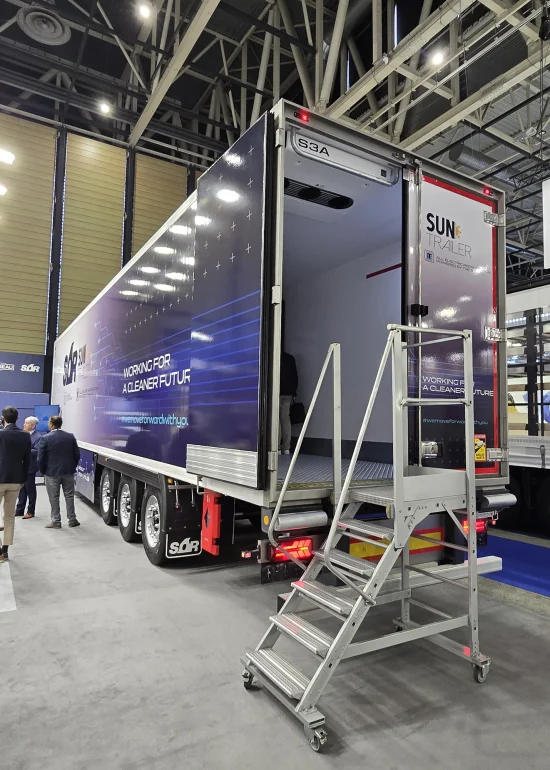
Schmitz Cargobull emphasised solutions that reduce operational complexity and enhance fleet efficiency. While electrification dominated much of Solutrans, the German trailer manufacturer focused on the daily realities of payload, durability, cooling performance and servicing.
The company unveiled its new S.CU dc90 refrigeration unit, which builds on the success of the S.CU dc85. The unit features a newly developed hermetic two-stage reciprocating compressor that delivers improved cooling performance while reducing fuel consumption. Schmitz Cargobull notes that the dc90 offers up to 6% more refrigeration capacity and up to 10% less fuel usage – significant gains for operators with temperature-controlled fleets. The unit uses the R454A refrigerant as standard, supporting the company’s ongoing sustainability commitments.
Beyond the dc90, Schmitz Cargobull presented several established models. The S.KO COOL trailer, equipped with FERROPLAST insulation, was shown with updated monitoring systems and TrailerConnect telematics. The S.CS X-TOUGH curtainsider highlighted its robustness for demanding operations, while the M.KI tipper demonstrated its suitability for bulk and asphalt transport. The compact S.KO CITY model underscored the growing need for agile vehicles in urban logistics, particularly as cities explore low-emission zones and delivery-time restrictions.
Schmitz Cargobull also expanded its service offering with new mobile service vans designed to assist operators directly at their depots or breakdown sites.

Thermo King: Digitalisation and electrified cooling
Thermo King attracted steady footfall to its E-Zone, where the focus centred on digitalisation, electrification and predictive maintenance.
The newly introduced Ask TracKing tool gives operators the ability to interrogate vast datasets through natural-language queries. The system distils complex telematics information into intuitive dashboards that support decision-making around efficiency, uptime and maintenance. Thermo King emphasised that the tool is designed to simplify the increasingly complex world of fleet data.
The company also presented a concept for a fully integrated electric trailer refrigeration unit capable of drawing power from a variety of sources, including AxlePower systems, auxiliary battery packs, tractor batteries, solar installations and depot chargers. Designed with low-global-warming-potential (GWP) refrigerant and complemented by transparent lifecycle reporting, the unit positions Thermo King as a key contributor to decarbonised refrigerated transport.
Thermo King’s E-Volution systems, now ready for serial production, support trucks between 7.5 and 26 tonnes and include features such as low maintenance requirements, telematics integration and energy-efficiency enhancements validated by third-party analysis. Built for LCVs, the E-Series incorporates lightweight construction, smart controls, lower energy consumption and zero direct emissions, addressing the demands of urban delivery fleets.
MAN: Multiple technologies for a diverse future
Perhaps no exhibitor articulated the industry’s current dilemma as clearly as MAN. Rather than advocating for a single technological direction, the company stressed that different operational environments will require different solutions.
MAN presented a range of insights during its press conference. In France, more than a fifth of the company’s sales are already associated with biofuel applications. MAN’s Powerlion D30 driveline has demonstrated fuel savings of up to 3.5 litres/100km compared with rivals and a 5% saving compared to its predecessor.
Across Europe, MAN has sold more than 400 electric trucks, with the majority operating in Germany, France and the Netherlands. Total cost of ownership for electric trucks has now reached parity with diesel in roughly three to four years, depending on national incentives and duty cycles, while MAN also highlighted that hydrogen combustion remains a viable future avenue for long-haul applications.
The highlight of MAN’s stand was the debut of the eTGL designed specifically for refrigerated box bodies. With a 12-tonne rating and usable battery capacity of 160kWh, the truck provides a range of up to 310km for dry-box applications and 260km for refrigerated bodies without intermediate charging. A fast-charging capability allows the truck to recharge from 10 to 80% in about 35 minutes, effectively doubling the achievable daily range through opportunistic charging during breaks and unloading sessions.
Integrated high-voltage interfaces enable the refrigeration unit to draw power directly from the truck’s electrical system, while efficiency improvements across auxiliary systems and heat-management strategies support range increases of up to 10%. MAN has now created a fully-electric refrigerated logistics chain spanning 12 to 50 tonnes.
What’s next?
Walking through Solutrans in 2025, it was clear that manufacturers are embracing electrification more seriously than ever, yet few believe it is the sole solution. Robust diesel, hydrogen combustion, advanced biofuels, electrified refrigeration, software-defined vehicles, predictive analytics and micro-mobility are all developing in parallel.
Solutrans offered no single “future of transport”. Instead, it provided a view into a sector that is embracing diversity, experimenting with new technologies and acknowledging the complex reality of logistics in a decarbonising world. From lunar wheels and used-truck redesigns to fully-managed fleet ecosystems and ultra-compact delivery vehicles, Solutrans 2025 showed that the future of road transport will be shaped not by one innovation, but by the interplay of many.
We can’t wait to see what Solutrans 2027 has in store for us! See you there from 16 to 20 November 2027.
Published by

Charleen Clarke

focusmagsa