Making miracles on the Han River
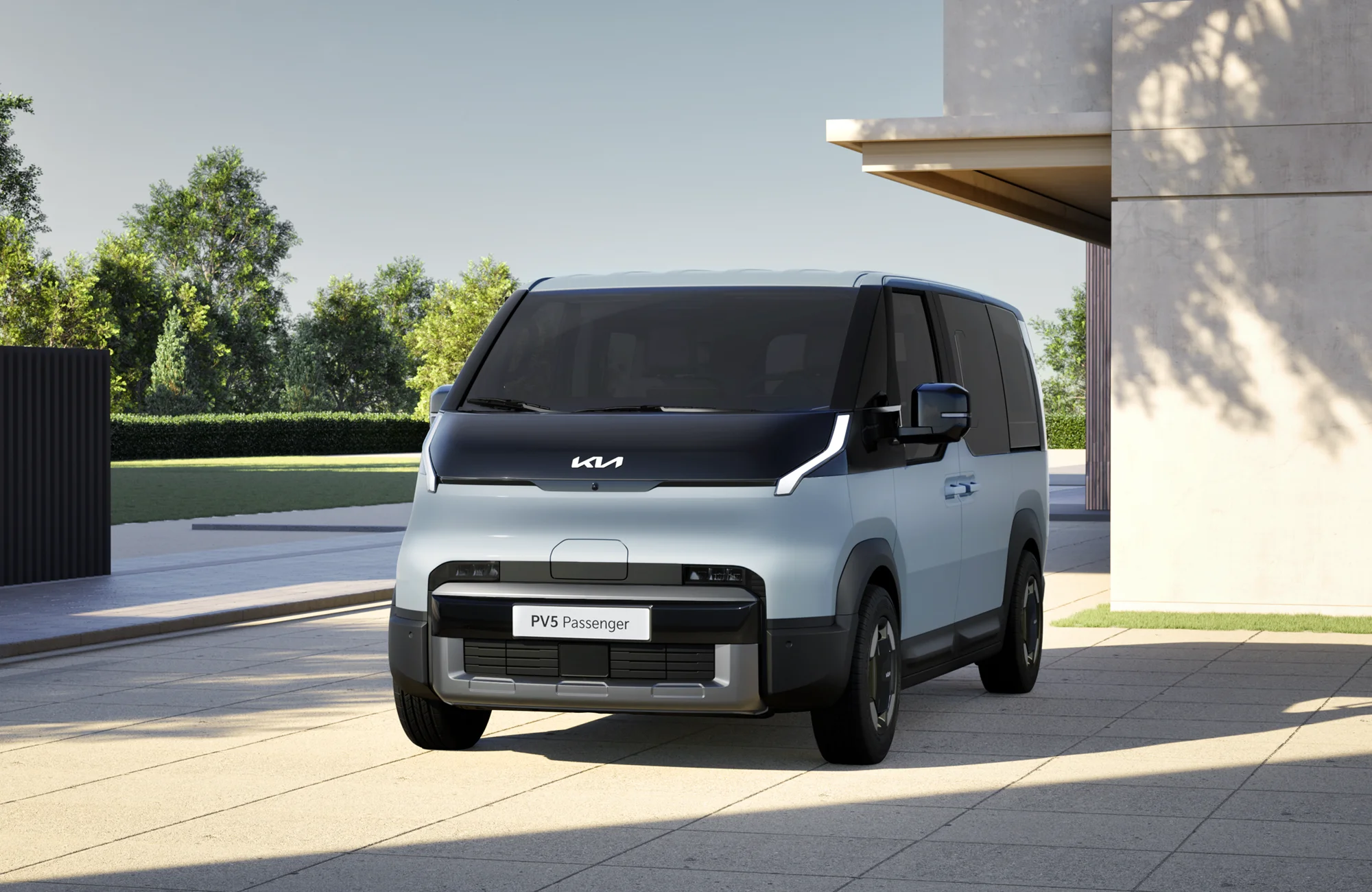
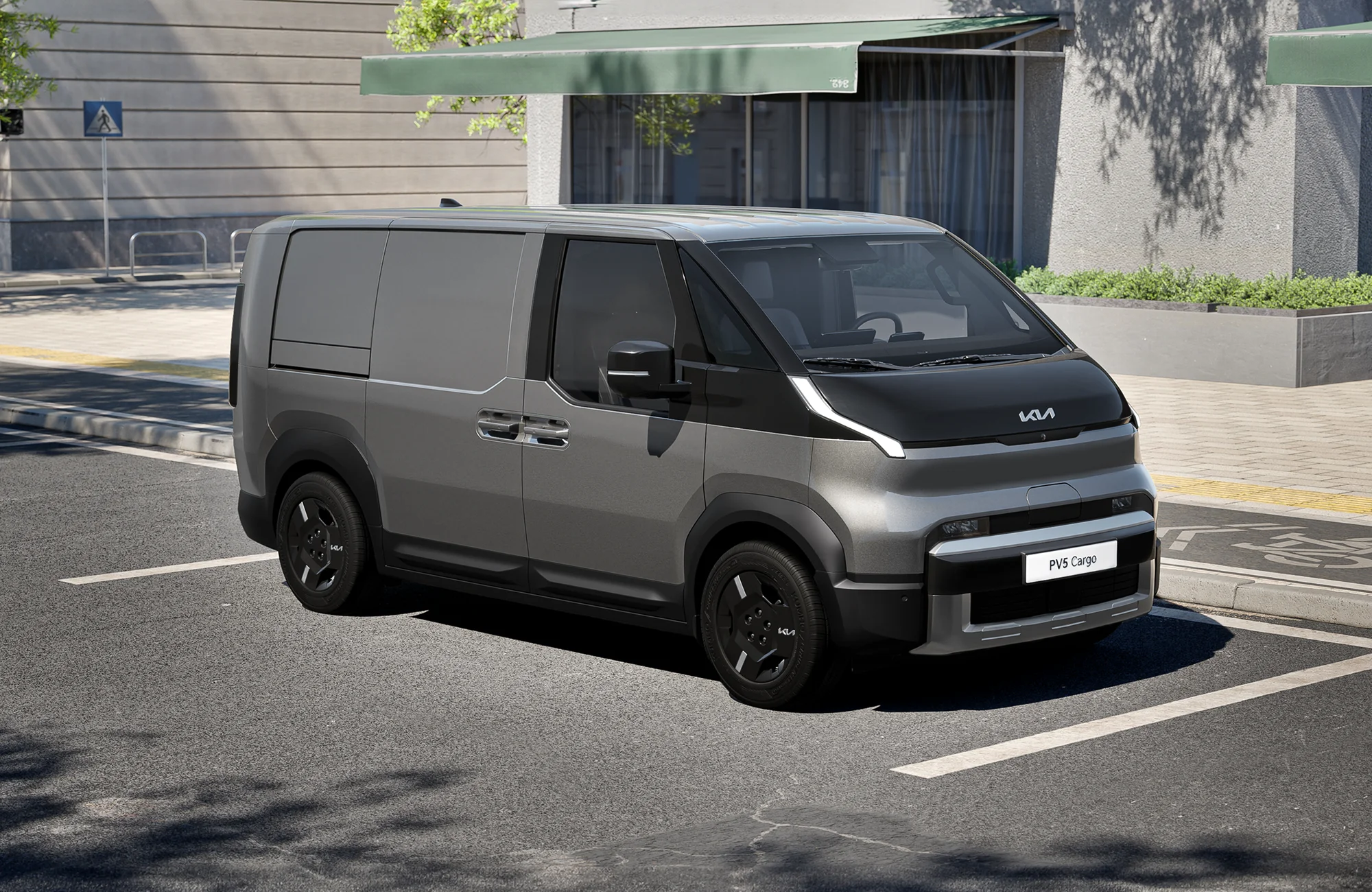
From war-torn poverty to global tech titan, South Korea’s transformation is legendary. Now Kia, once nearly bankrupt, is leading a new revolution – with a van. CHARLEEN CLARKE writes that the PV5 is about to ruffle many a feature in the commercial vehicle (CV) market.
In the aftermath of the Korean War, few would have wagered on South Korea’s future. The country was left scorched and destitute. In 1960, its GDP per capita hovered around US$80 – barely above subsistence level. Infrastructure was primitive, foreign investment negligible, and most of its population lived in agrarian poverty. But something extraordinary began to happen.
Over the course of the next six decades, South Korea would vault itself into the ranks of the world’s most technologically-advanced economies. This phenomenon became known as the “Miracle on the Han River”, a phrase coined to describe the astonishing economic resurrection that transformed Seoul – and the country at large – from war-torn ashes into a humming, high-rise sprawl of silicon and ambition.
The reasons are many: export-led industrialisation, unprecedented investment in education, a collective national ethos of resilience, and the raw tenacity of a people who simply refused to be left behind. As Michael Breen aptly writes in The New Koreans, “In just a couple of generations, South Koreans took themselves out of the paddy fields and into Silicon Valley.”
Fast forward to the 2020s, and the legacy of South Korea’s economic miracle is evident in every corner of its industrial landscape – from semiconductors and smartphones to soaring skyscrapers. Yet it is in the field of mobility that the country, and one company in particular, is now rewriting the global playbook.
Kia, once on the brink of financial oblivion, is now building some of the most forward-thinking vehicles in the world. Among them stands a remarkable new symbol of Korea’s transformation: the PV5.
Back from the brink
Before diving into the nuts and bolts of Kia’s electric revolution, it’s worth revisiting just how close the company came to disappearing altogether.
In 1997, during the Asian Financial Crisis, Kia was on the verge of collapse. Strangled by debt and unable to pay suppliers, it applied for court receivership. The South Korean government, fearing a ripple effect on the wider economy, orchestrated a rescue operation. The saviour came in the form of Hyundai, which acquired a controlling stake in 1998. Thus was born the Hyundai Motor Group, now the third-largest car manufacturer in the world by volume.
That moment marked a turning point not just for Kia, but for Korean industry. From being a manufacturer of modest sedans and commercial workhorses, Kia began a long and deliberate journey toward innovation and design leadership. By the early 2010s, under European leadership and inspired by international design talent, Kia was beginning to turn heads.
The turning point: 2021
The year 2021 was significant for Kia. It marked the debut of a new logo, a bold rebrand, and the official removal of the word “Motors” from its name – signalling the company’s transition from traditional carmaker to a broader mobility solutions provider.
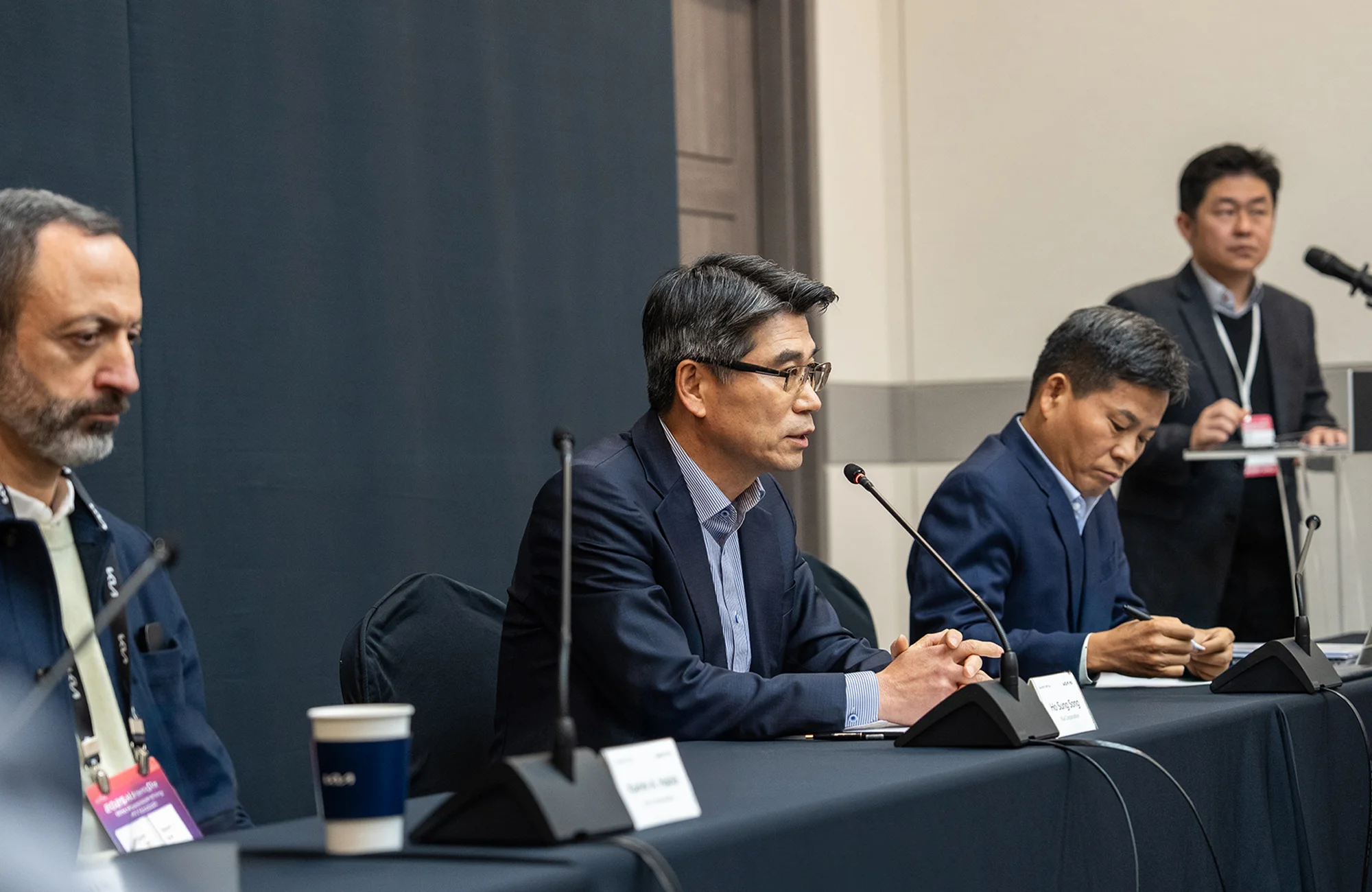
Back then, Ho Sung Song, president and CEO of Kia Corporation, said: “At Kia, we believe that transportation, mobility, and movement represent a human right. Our vision is to create sustainable mobility solutions for consumers, communities, and societies globally. Today, we start putting this vision into action with the launch of our new brand purpose and strategy for the future.”
It was also the first time we got an inkling of what would become the PV5. As part of its new strategy, Kia announced it would begin developing Purpose-Built Vehicles (PBVs) for commercial operators. We were told that these specialised vehicles would be based on flexible skateboard-style electric vehicle (EV) platforms, allowing for modular bodies tailored to different business needs – from last-mile delivery vans to ride-sharing and logistics solutions.
Demand for PBVs was projected to grow fivefold by 2030, Kia said at the time. This would be driven by the exponential rise in e-commerce and car-sharing platforms. The announcement in 2021 wasn’t just symbolic… it was the beginning of Kia’s next big leap.
A van like no other
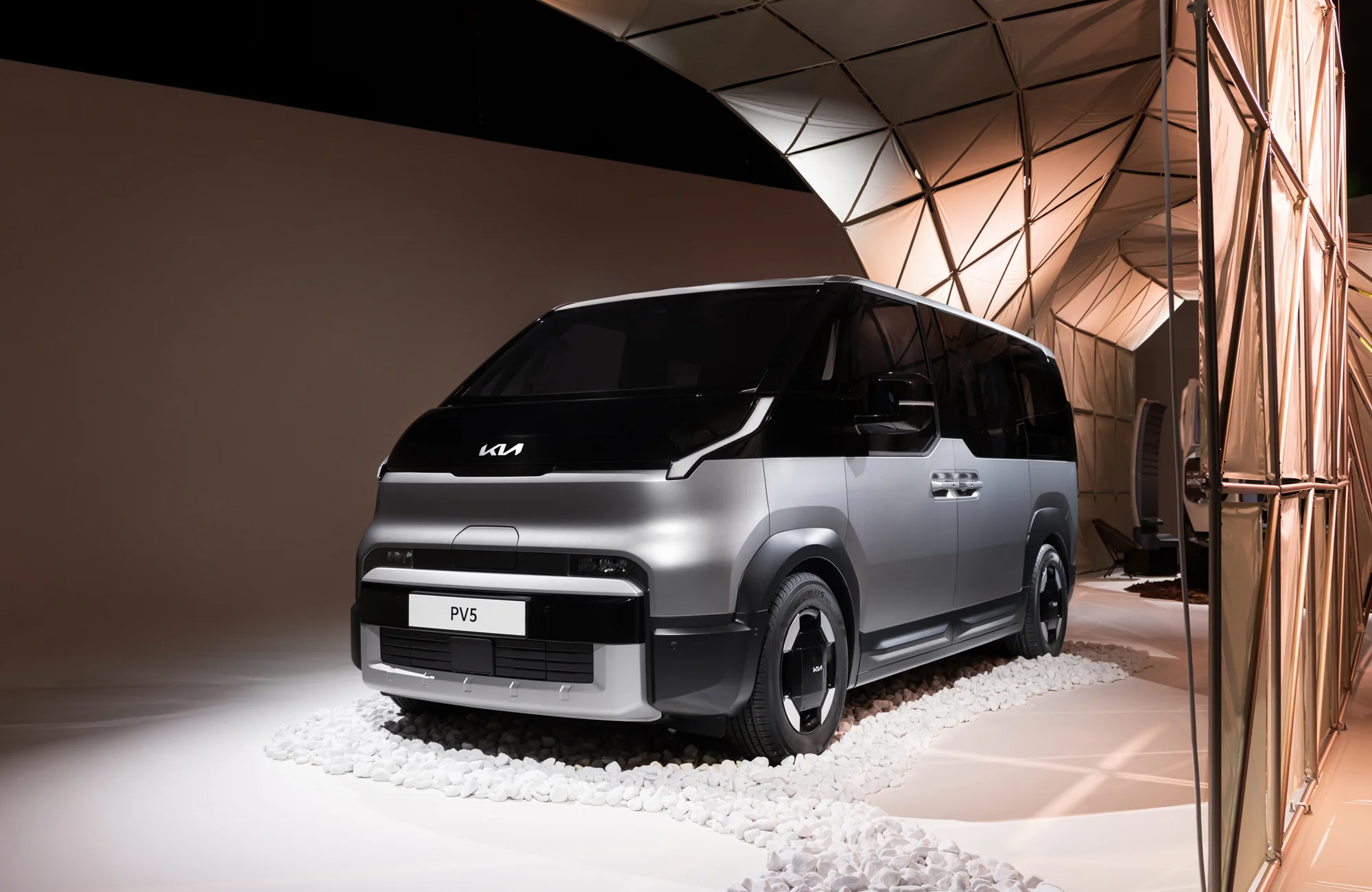
Fast-forward to 2025 and the PV5 has blasted into the limelight. Of course, we need to be clear: electric vans are not new. But most are retrofits, conversions of existing combustion-engine platforms with their guts swapped out for batteries and motors. Kia’s PV5 is something else entirely – a purpose-built electric van designed from scratch.
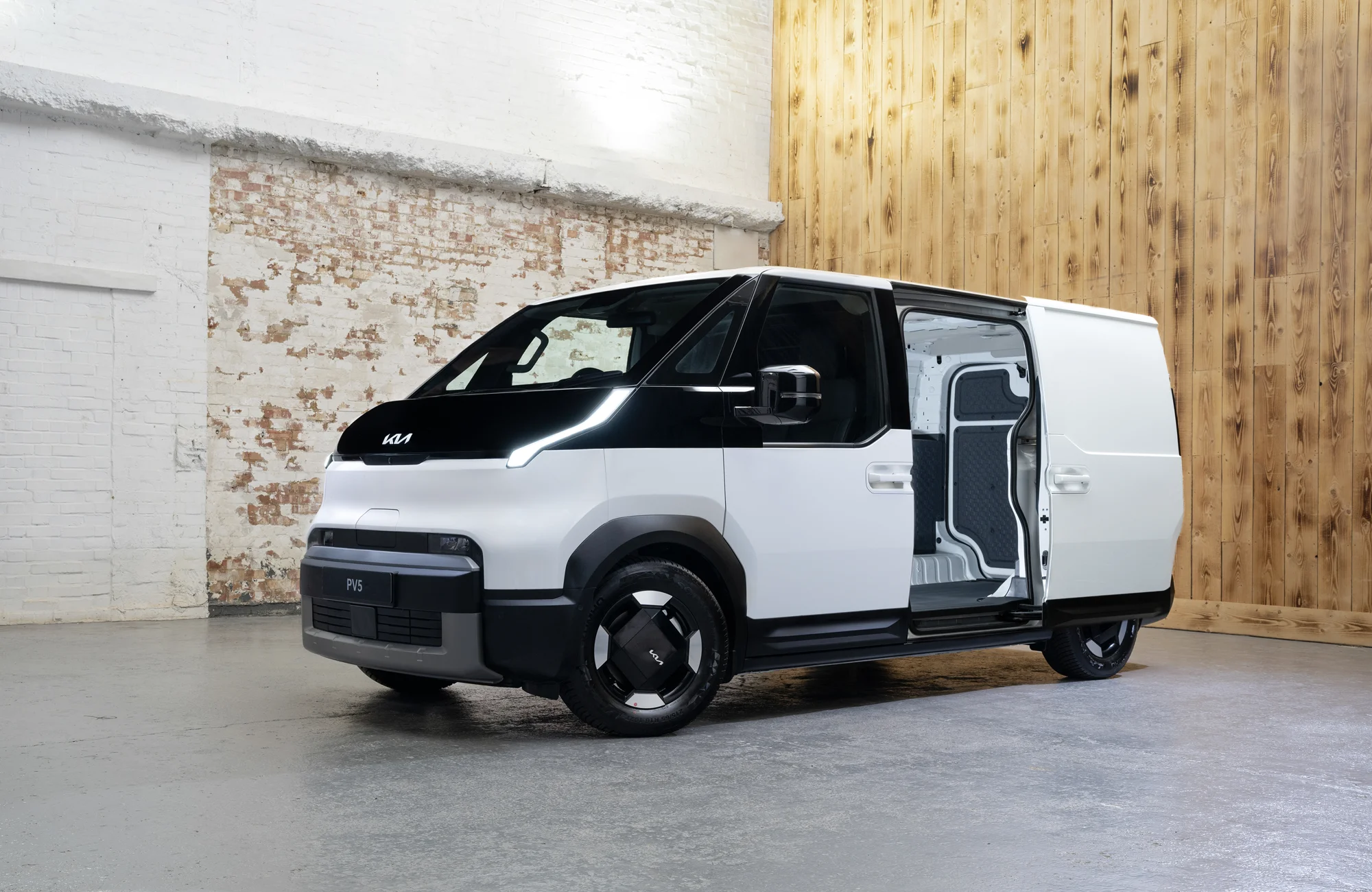
The PV5 rides on the E-GMP.S platform – a skateboard-style electric architecture designed for modularity. This allows Kia to stretch, shrink, and morph the van to meet multiple use cases. Available in Cargo, Passenger, and Chassis Cab variants, the PV5 can be configured into everything from a two-seat delivery workhorse to a high-roof minibus, a wheelchair-accessible vehicle, or even a camper.
Its modular nature also allows for flexibility rarely seen in the commercial sector. Need a freezer van? A drop-side for building materials? A mobile workshop with onboard power tools? Kia’s factory in Hwaseong – built specifically for PBVs – is designed to handle this. Vans are pulled off the production line into “cells” for customisation, eliminating waste and duplication. It’s greener, cheaper, and far more efficient than the traditional post-production modification model.
As Song puts it, “The usual modification process is very high-cost and is not an environmental process. We’re changing that.”


The numbers behind the magic
At the heart of the PV5’s appeal lies its choice of three battery packs: 43.3kWh (lithium ferrophosphate / LFP), 51.5kWh (nickel cobalt manganese / NCM), and 71.2kWh (NCM). These offer real-world ranges of 238km, 291km, and up to 400km respectively. Charging is quick too: DC fast charging at up to 150kW gets you from 10% to 80% in around 30 minutes. AC charging at 22kW is also supported.
A single front-mounted electric motor produces 120kW and 250Nm of torque – more than sufficient for urban logistics and fleet operators. Payloads range from 690 to 770kg, and there’s space for up to two Euro pallets in the back.
Critically, the PV5 is designed to last. Kia claims a 600,000-km lifecycle and backs the van with the company’s industry-leading seven-year/100,000-mile (160,934-km) warranty as standard, plus an eight-year warranty on the high voltage battery.
Driving the future – A personal glimpse
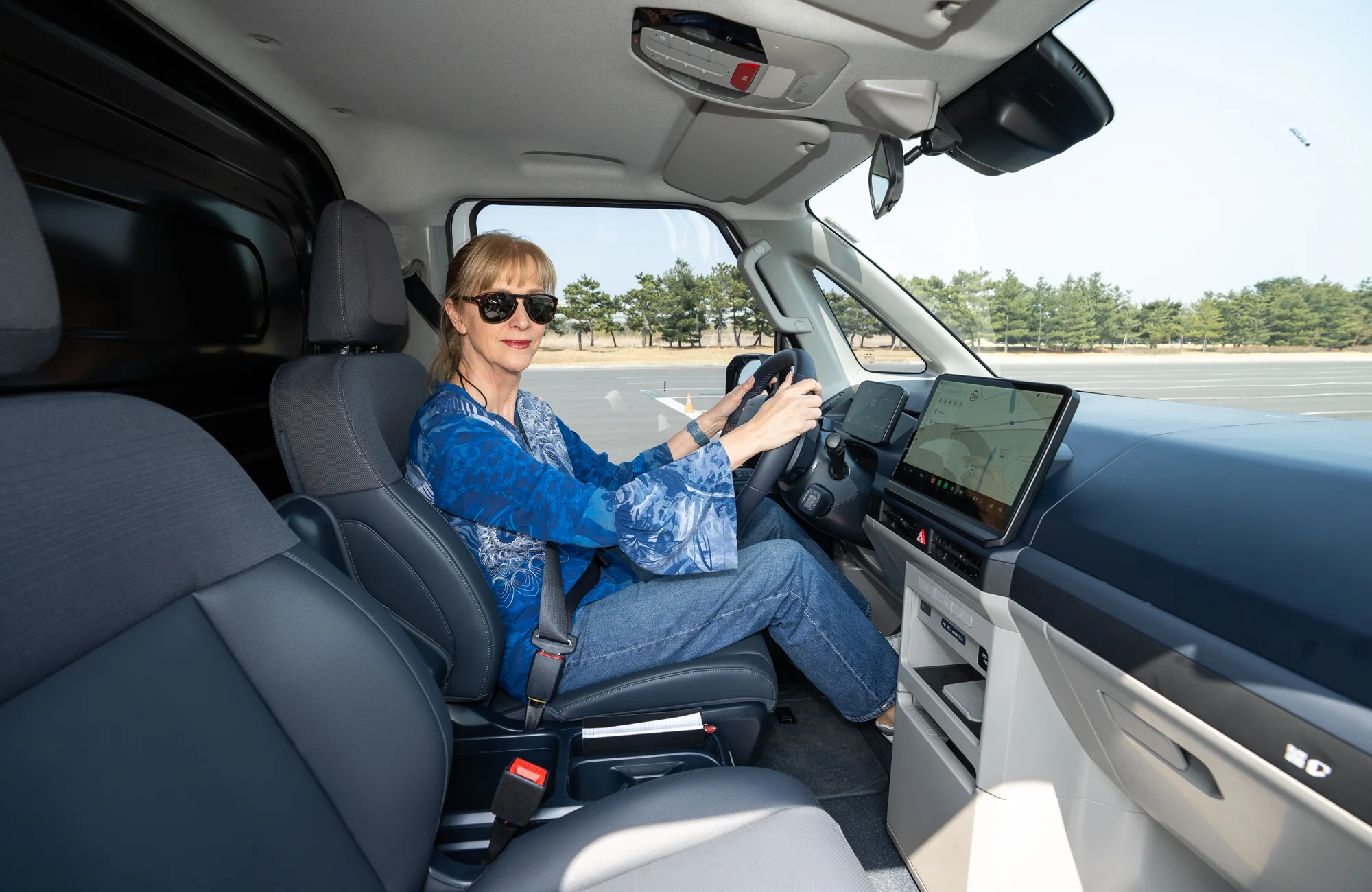
I had the opportunity to briefly test drive the PV5 on a Kia test track in South Korea. It was only a prototype, but the experience was telling.
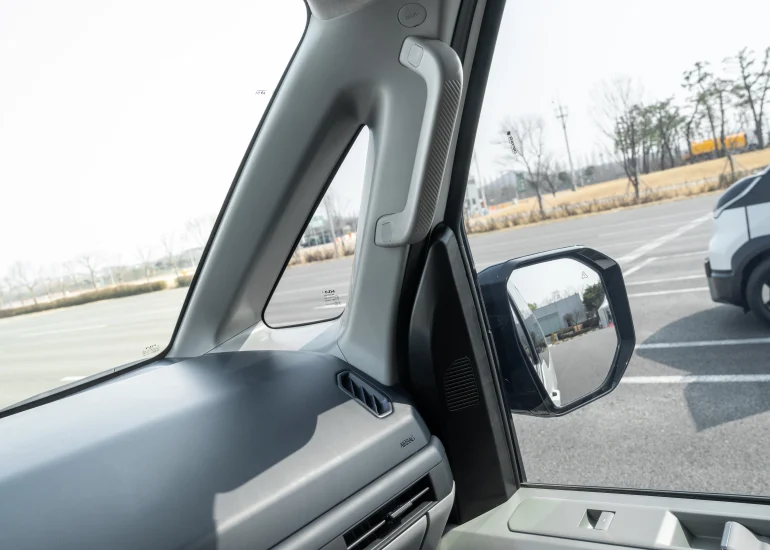
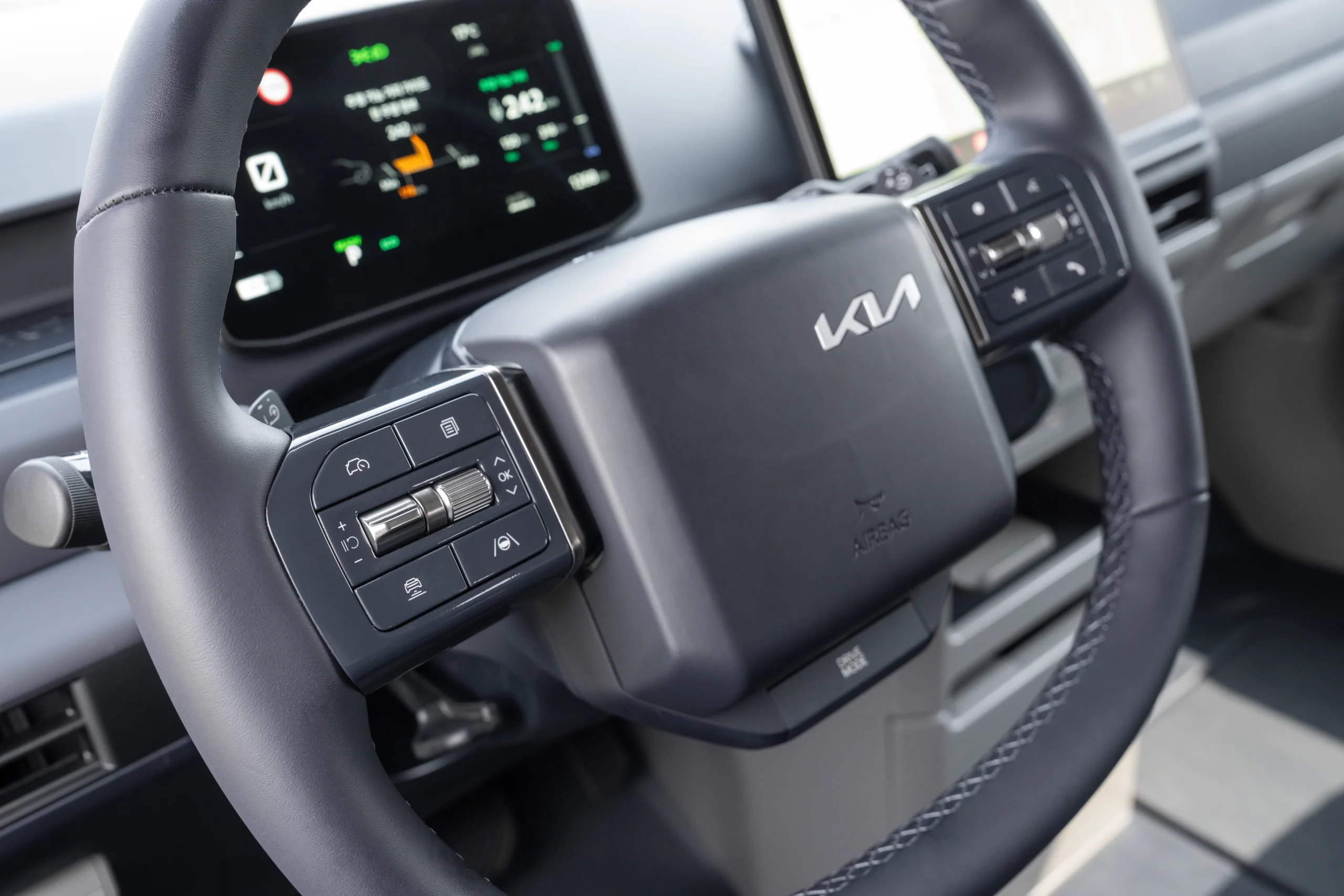
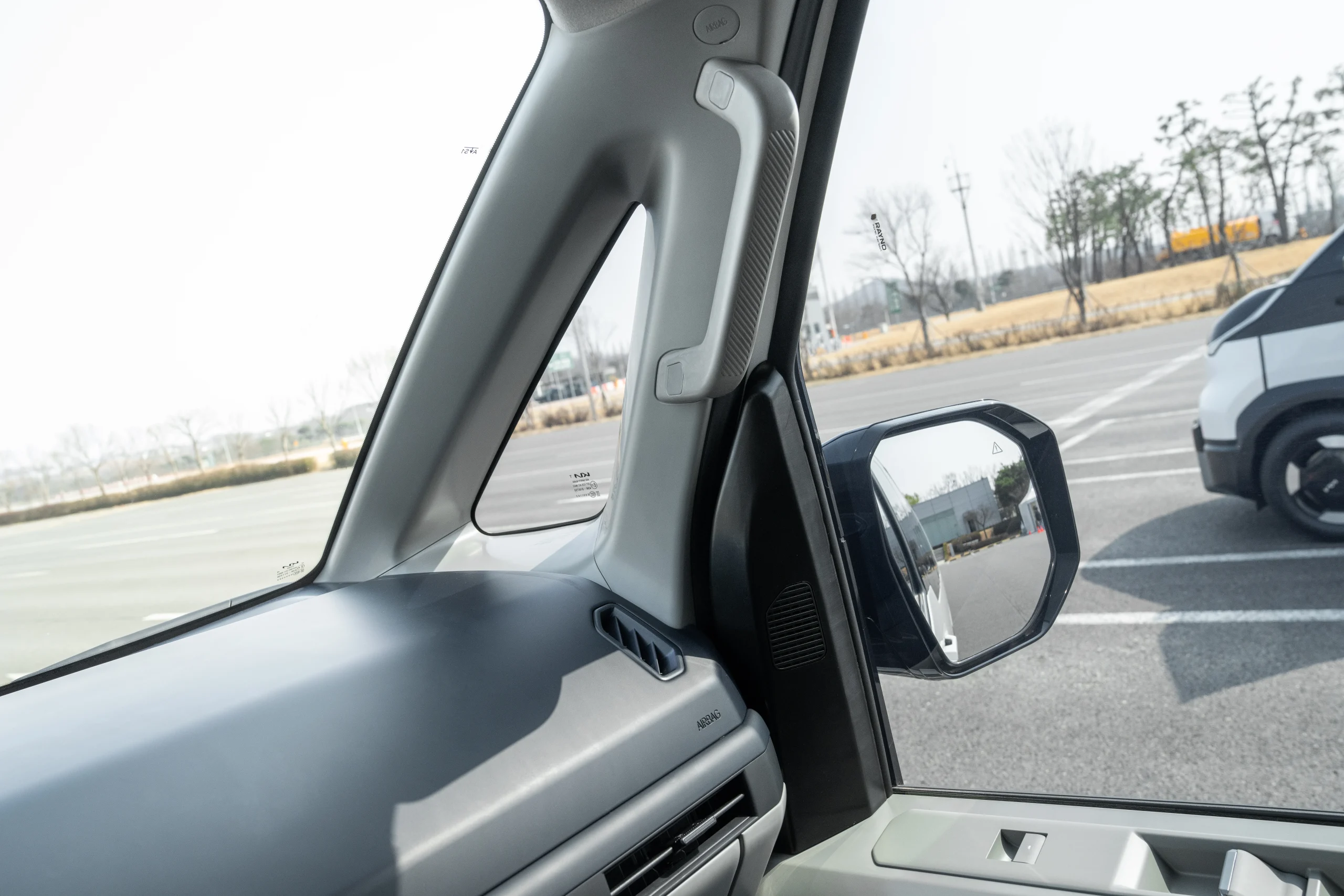
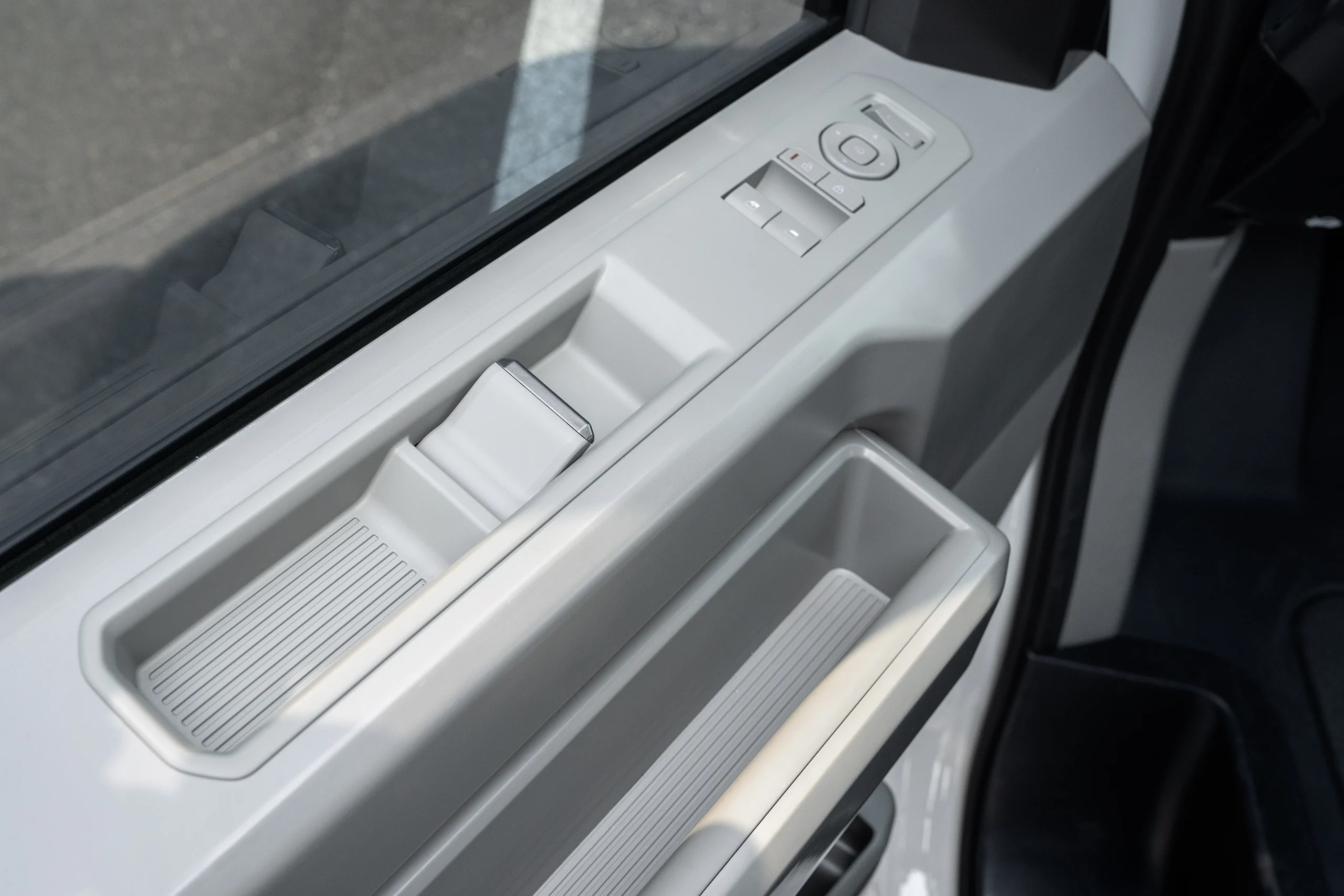
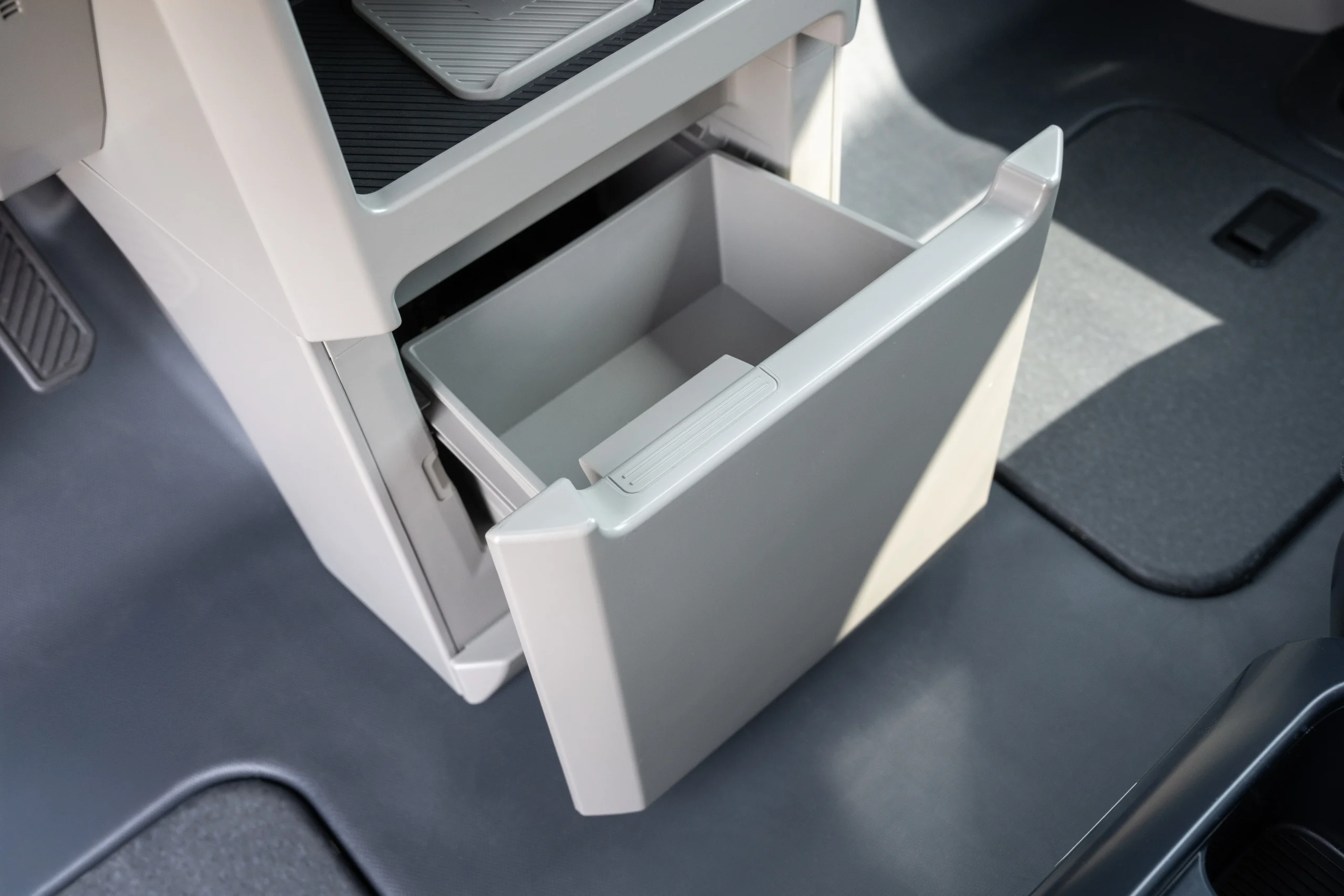
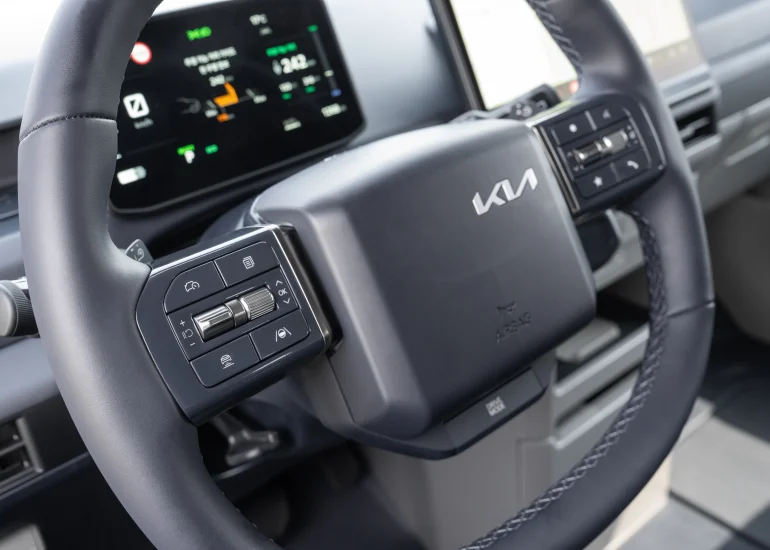
Even before you start moving, there’s an immediate sense that this is no ordinary van. The cabin is airy and modern, with a digital instrument cluster and a 12.9-inch central screen running Android Automotive. The driving position is commanding, with excellent forward visibility thanks to a low dashboard and deep windscreen. Kia’s engineers have clearly sweated the ergonomics.
On the short test loop, the PV5 felt calm and composed. Throttle response was smooth, and the acceleration was super impressive (no big surprise there; this is fairly typical of modern EVs). The suspension was softly sprung – perhaps a touch too much so – but this helps comfort, especially when unladen. The steering is light but direct, and the turning circle is genuinely impressive – it pirouettes almost as well as Misty Copeland.
One feature that is worth highlighting is the regenerative braking. It can be dialled up or down using paddles behind the wheel, and in the highest setting, one-pedal driving becomes entirely possible – which is really great in stop-start urban traffic.
Noise? Barely any. Apart from some wind flutter at higher speeds (likely to be tuned out in production), the cabin is serene. No engine noise, no gearshifts to worry about, no drama.
New customers, new markets
Traditionally, Kia has been a car company. With the vans, that’s all about to change. “While our existing EV lineup has primarily served B2C customers, PBVs will extend electrification into the B2B sector, supporting businesses that rely on fleet operations and logistics. This strategic expansion strengthens Kia’s presence in both consumer and commercial markets, ensuring a comprehensive and future-ready EV ecosystem,” Song tells FOCUS.
Africa is most definitely on the company’s radar. “In emerging markets like Africa, where logistics networks are rapidly evolving, commercial EVs have immense potential to drive decarbonisation efforts. By providing affordable, durable, and adaptable electric mobility solutions, Kia’s PBVs can help businesses transition away from traditional combustion-powered fleets, reducing carbon emissions and lowering operating costs.
“Kenya, Ivory Coast, and Morocco are currently very focused on EVs,” he adds. “EV factories are being built there, and the endless source of solar power makes energy affordable. PV5 is developed on a very durable platform, and we are planning to launch it in Africa soon. We have already received requests for Morocco.”
Additionally, Kia will continue to evaluate infrastructure developments, government policies, and customer demand across African markets to determine the best approach for introducing PBVs in the region. “Our focus remains on ensuring the right market conditions are in place to support the successful adoption of electric commercial mobility solutions in South Africa and beyond,” says Song.
Success seems certain
For now, though, Korea, Europe, and the United Kingdom are the target markets – and, as the PV5 prepares to roll out across these markets, it enters a CV sector that is both crowded and cautious.
Will it succeed? Of that we have no doubt. The PV5 is the result of intent, intellect, and indomitable will. In that sense, it is very Korean – and the Koreans never accept failure. We have seen this in the development of the country and, indeed, in the evolution of Kia. It would be fair to say that Kia’s journey has mirrored that of Korea itself. A country once devastated by war and dismissed by the world is now shaping global industries. Kia may have almost vanished in 1997, but it didn’t. It fought. It reinvented. It rebuilt. A company that once relied on licences and hand-me-down technology is now setting new benchmarks in design, electrification, and manufacturing.
Song, who steered Kia through this transition, once observed: “Our commitment remains clear. To design with intention, to lead with responsibility, and to continue delivering experiences that inspire.” Couple that with commitment to an accelerating requirement for commercial EVs, and the success of the PV5 – and indeed Kia – seems inevitable. No miracles needed.
Kia PV5 – Models and Specs
Kia’s new PV5 line-up marks a significant leap into the world of purpose-built electric CVs. The range includes Cargo, Crew, and Chassis Cab variants, with Wheelchair Accessible Vehicle (WAV) models also confirmed.
The Cargo model offers a payload of 790kg (690kg for long range), 4.4m³ of cargo space, and a maximum range of 258 miles (about 415km) on a single charge. The PV5 supports fast charging: 10% to 80% in under 30 minutes using a 150-kW charger. It runs on a 400-V electric platform and is available in both 51.5kWh and 71.2kWh battery options.
The PV5 Crew offers a five-seat configuration with up to 174 miles (280km) range and 605kg payload, while the versatile PV5 Chassis Cab allows for a wide range of commercial conversions. Chassis Cab models deliver a range of up to 217 miles (350km) and a generous 995-kg payload.
All models feature a 12.9-inch touchscreen infotainment system, 7.5-inch digital driver display, advanced driver assistance systems, and an array of comfort and connectivity features.
The PV5 range has already been launched in the northern hemisphere. Kia’s larger PV7 and PV9 models will follow in 2027 and 2029 respectively, building out a robust commercial EV portfolio tailored for global needs. Pricing starts at about R650,000.


From Bongo to PV5
In the early 1980s, South Korea was undergoing a period of rapid industrialisation. Infrastructure was expanding, small businesses were multiplying, and the country needed a reliable, affordable CV to power its growth. Enter the Kia Bongo – a compact cab-over truck that would go on to become one of the most enduring names in Kia’s CV history.
Launched in 1980, the original Bongo was not flashy, futuristic, or luxurious. But it wasn’t meant to be. It was a one-tonne light truck, designed for functionality, durability, and affordability. With its cab-over-engine design, the Bongo maximised cargo bed space while remaining compact and manoeuvrable – crucial for navigating the tight alleys and winding roads of South Korea’s growing cities.
The Bongo’s spartan interior and basic mechanicals were part of its appeal. It was easy to maintain, hard to break, and tough enough to tackle everything from urban deliveries to rural farming tasks. Powered by small petrol or diesel engines, it was never fast, but it didn’t need to be. For countless tradespeople, shopkeepers, and entrepreneurs, the Bongo became an indispensable tool of the trade – a vehicle that quite literally carried the Korean economy through its developmental years.
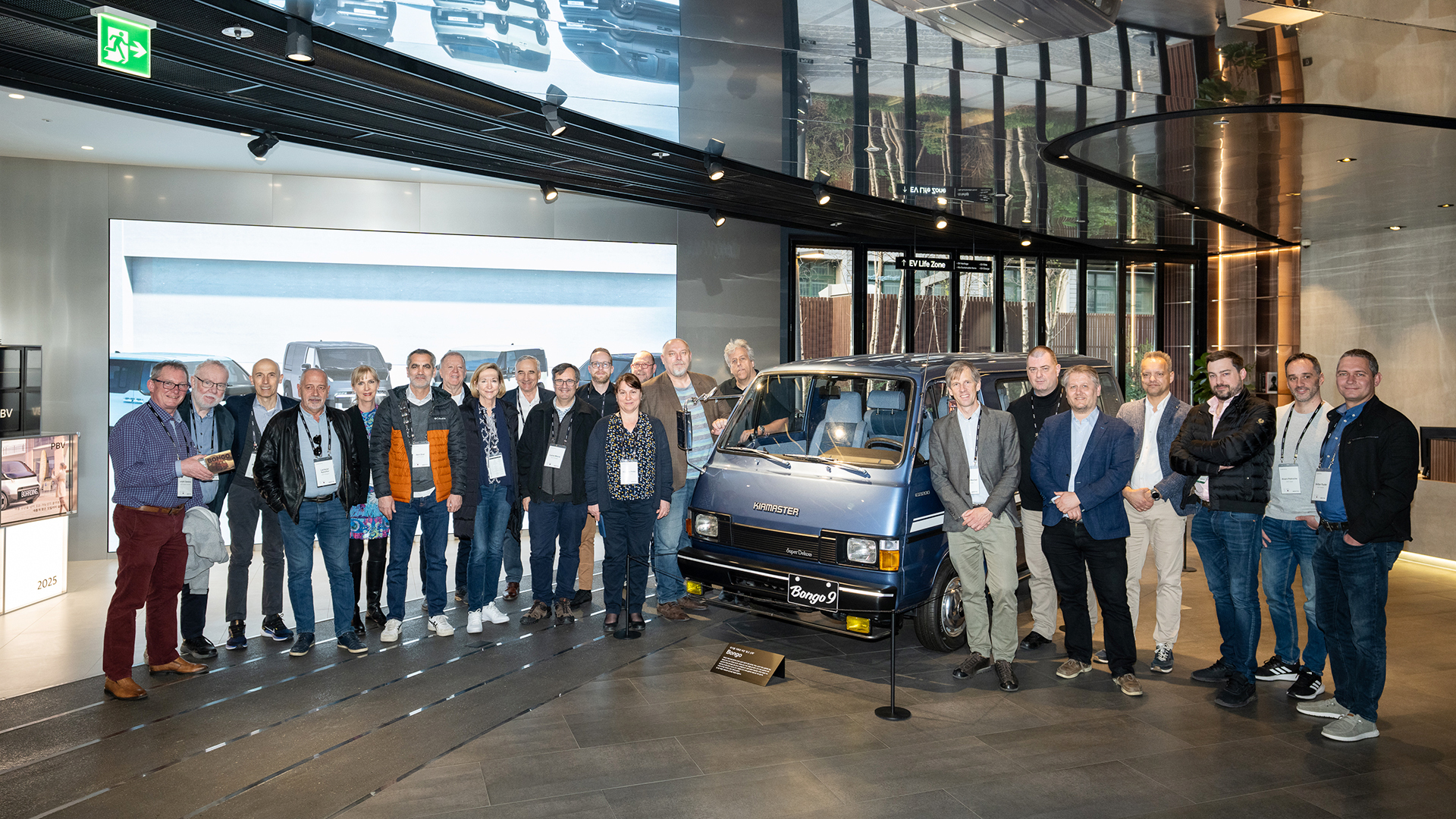
Over time, the Bongo evolved. Variants like the Bongo III, K2500, and K2700 added more power, better suspension, and improved comfort. Yet the essence remained unchanged: a reliable, no-frills CV that got the job done.
Fast forward four decades, and Kia’s approach to CVs has transformed – not just in design, but in purpose. The new Kia PV5 is a world away from the humble Bongo. It’s an electric van, built from the ground up as part of Kia’s Purpose-Built Vehicle (PBV) programme. Rather than simply moving goods, the PV5 is designed to fit seamlessly into the modern logistics ecosystem – from last-mile delivery to shared mobility services.
In terms of sustainability, the PV5 represents a generational leap. While the Bongo ran on fossil fuels and produced the emissions typical of its era, the PV5 is zero-emission – helping to decarbonise logistics operations, particularly in urban areas. It also promises a lower total cost of ownership, thanks to reduced maintenance and energy costs – factors that matter deeply to fleet operators today.
Despite the obvious differences, there is a thread that connects the Bongo and the PV5: utility, adaptability, and ambition. The Bongo was a tool for a country on the rise, helping South Korea build its infrastructure and economy from the ground up. The PV5, meanwhile, is part of Kia’s vision to shape the future of global mobility.
Kia’s Hwaseong plant: A glimpse inside the heart of Kia’s advanced manufacturing
So, the PV5 is futuristic and as green as Kermit the frog. What about the plant in which it is built? CHARLEEN CLARKE toured the factory during the International Van of the Year VIP tour to Korea to find out.
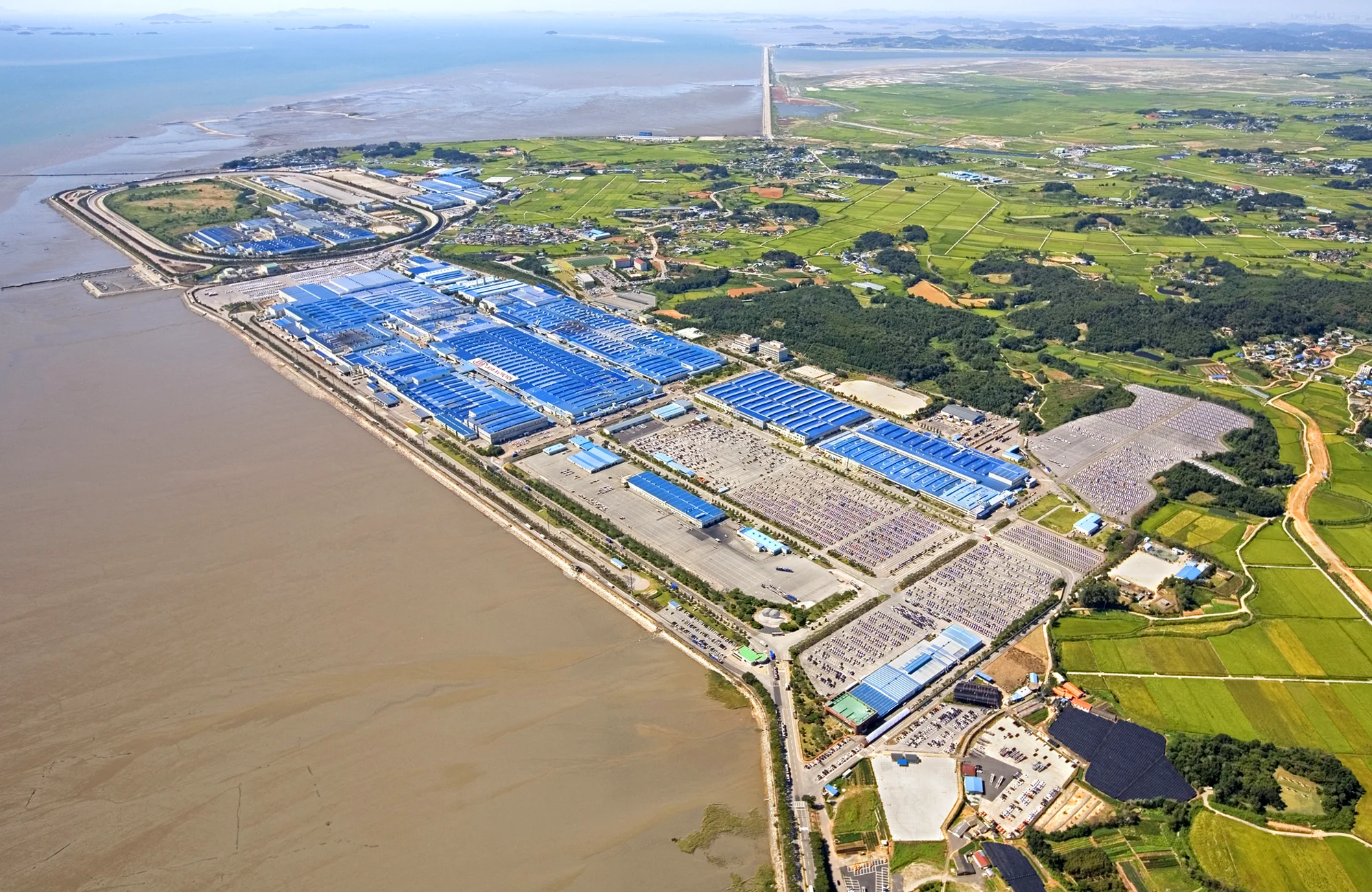
Kia’s Hwaseong Plant, officially known as Autoland Hwaseong, stands as the company’s largest and one of its most technologically advanced manufacturing facilities. Located in Woojeong-myeon, Gyeonggi Province, South Korea, the plant was established in 1991 and spans a vast 3.2 million square metres. It plays a pivotal role in Kia’s global production strategy, with an annual capacity of 590,000 vehicles.
This single facility employs 14,473 people and produces several key Kia models, including the Sorento SUV, Tasman bakkie, K5 mid-size sedan, K8 full-size sedan, Niro compact crossover, and the EV6 – Kia’s first dedicated electric vehicle built on the E-GMP platform. Mass production of the PV5, a new purpose-built vehicle (PBV), started in July this year.
Remarkably, about 60% of the vehicles produced at Hwaseong are exported to 170 countries, underscoring its significance in Kia’s international operations. The plant is central to Kia’s broader manufacturing network, which comprises nine plants worldwide: four in South Korea and five overseas, located in Slovakia, China, the United States, Mexico, and India. Collectively, these facilities have a global capacity of 3.68 million vehicles annually.
Production at Hwaseong is both high-speed and highly automated. It takes roughly 20 hours to build a vehicle from start to finish, and a vehicle rolls off each of the three production lines every 72 seconds. The facility’s maximum capacity is 29 vehicles per hour, although current production runs at 15 units per hour.
Hwaseong boasts the highest level of automation among all Kia plants, with 256 robots on site, 67 of which are in the assembly area alone. These robots, mostly made by Hyundai, help eliminate human errors, while 21 automated guided vehicles (AGVs) from Syscon transport parts throughout the factory. Nevertheless, essential tasks such as wiring, fitting interiors, advanced driver assistance systems (ADAS), and exterior details remain in the hands of experienced human workers, referred to internally as “human specialists”.
The plant is also designed with environmental considerations in mind. It operates as a completely paperless factory, with all worksheets digitised. Each vehicle is assigned a smart tag and a digital build sheet, which can be tracked on any of the plant’s 247 monitors. Such measures, alongside clean painting processes and energy-saving systems, contribute to minimising carbon emissions.
The plant employs innovative manufacturing techniques like the “cell method”. Unlike traditional conveyor systems, the cell method organises workstations into clusters where customisation takes place, enabling flexible production tailored to various customer needs. This includes fitting specific components such as cargo room flat floors and tailgate lamps. Six of these customising cells are already operating, with a total of 15 planned for the future.
The PBV plant integrates Kia’s “E-FOREST” smart manufacturing ecosystem, which connects digital systems, artificial intelligence, and robotics to enhance efficiency, reduce environmental impact, and improve overall production quality. Speaking during a tour of the facility, one employee summarised the team’s ambition simply: “We are trying very hard to achieve perfect quality.”
According to Ho Sung Song, president and CEO of Kia Corporation, this dedicated PBV facility is central to the brand’s Plan S strategy, which aims to position Kia as a leader in the PBV market by 2030. The company plans to initially introduce derivative PBV models to test market demand, before expanding with dedicated models featuring autonomous driving capabilities. By combining PBVs with self-driving technology, Kia expects these vehicles to transform mobility solutions for businesses and communities alike.
Kia’s investment in the Hwaseong PBV facility reflects broader ambitions within the Hyundai Motor Group. Together, Hyundai, Kia, and Hyundai MOBIS plan to invest 24 trillion South Korean won (an eye-watering R336 billion) in the country’s electric vehicle (EV) sector by 2030, aiming to make it one of the world’s top three EV producers. As part of these efforts, Kia’s new PBV facility is expected to produce 150,000 vehicles per year initially, with the flexibility to scale output in line with market demands.
Published by
Charleen Clarke
focusmagsa