Be safe and sensible on the roads this Easter
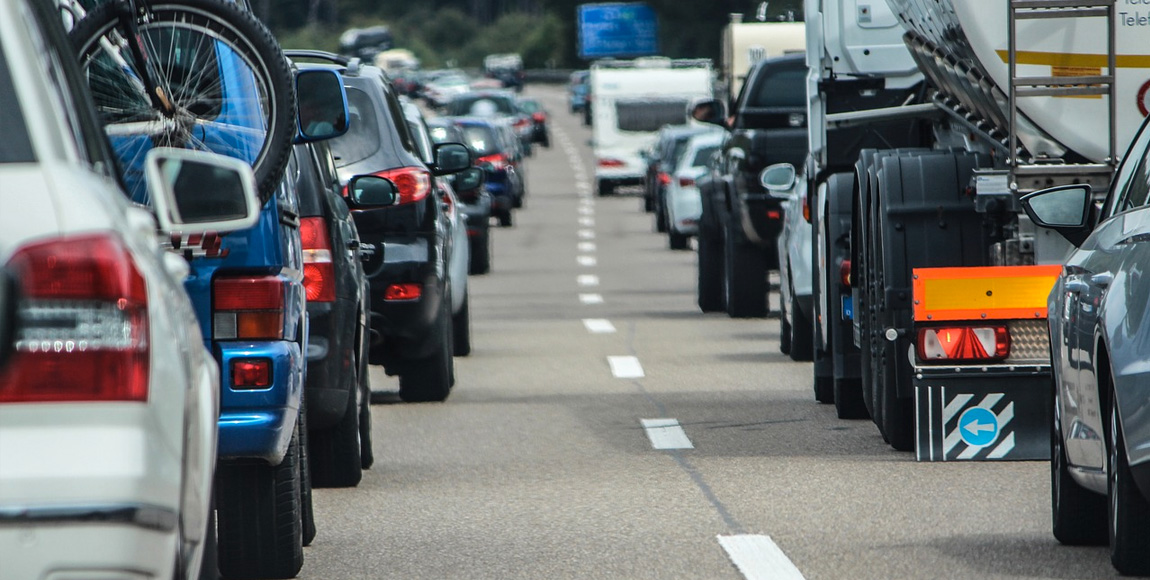
Year after year, South Africa’s Easter road-crash statistics leave a lot to be desired. Holidaymakers take advantage of the extra-long weekends, adding to the many cars, trucks and buses going about their usual business, which means that there is an increase of traffic on the country’s national roads.
During the most recent December-January festive season, the road death toll alone topped just over 1 600 fatalities. It’s therefore up to all those who find themselves behind the wheel to do their bit in the interests of road safety and not become another statistic…
“While this year’s Easter period doesn’t coincide with government school holidays, traffic volumes on the country’s main roads are expected to pick up. From experience we know that increased numbers on the roads mean increased crashes and, unfortunately, increased serious injuries and deaths,” comments the Automobile Association of South Africa (AA).
The AA is appealing to South Africans to be vigilant, focused, aware and courteous while on the country’s roads – whether walking, cycling, riding a motorcycle or driving a vehicle.
It issues the following tips for safe travel:
- Ensure your vehicle is in good mechanical condition;
- Ensure your tyres (including the spare) are in good condition and inflated to the correct pressure;
- Respect the speed limit and road markings, and indicate when you change lanes;
- Keep a cellphone for emergencies, but don’t use it while driving;
- Take a break every two hours or 200 km;
- If you are pedestrian, make yourself visible. If you are using a motorbike, wear a helmet. Don’t drink and drive, get enough rest ahead of a long trip and plan your route.
“Too many road users – pedestrians and those in vehicles – still believe the road rules don’t apply to them. They also have a misguided belief that they’re better drivers than others and that something bad won’t happen to them or their families,” notes the AA.
“For most South Africans the 14 000-plus road deaths annually seem remote and a problem that doesn’t apply to them. However, when we consider that crashes in the country cost our economy almost R143 billion, the scale of the problem becomes clearer.
“We believe the lack of road safety in our country is a national disaster. Unless there is a conscious effort on the part of everyone who uses the nation’s roads, fatality numbers will increase,” concludes the Association.
GIVE YOUR VEHICLE A ONCE-OVER
Filum Ho, CEO of South African automotive parts and glass specialists, Autoboys, shares some of the key areas of a vehicle that motorists need to be aware of to ensure a safer trip during Easter.
Glass
Over time, small stone chips or cracks may occur along the surface of a vehicle’s windscreen. A cracked windscreen hinders one’s ability to see the road ahead and can also become a danger during front-end collisions or rollovers. This is because the windshield is a structural part of a vehicle. In addition, it is critical to providing support to the airbag.
Suspension
When dampers (commonly called shock absorbers) are worn, the vehicle’s tyres can start bouncing along the road while driving, meaning there is no positive contact to the road surface. This affects the vehicle’s braking and stability, especially in wet weather conditions and during emergency stops.
Control arms, lateral links
Any issues with a vehicle’s control arms or lateral links will mean the driver will not have adequate control. This can be especially dangerous when it comes to harsh braking in wet conditions, or where there is sand on the road.
Braking system and tyres
Lastly, it’s imperative that the vehicle is able to stay on the road surface with tyres that are in good condition and a fully functioning braking system. By law, tyre tread depth needs to be at least 1,6 mm. Radial cracks could cause blowouts while driving.
Further to this, ensure the braking system is fully functional and includes sufficient brake pad thickness, and brake discs that are not adversely worn.
Published by



focusmagsa