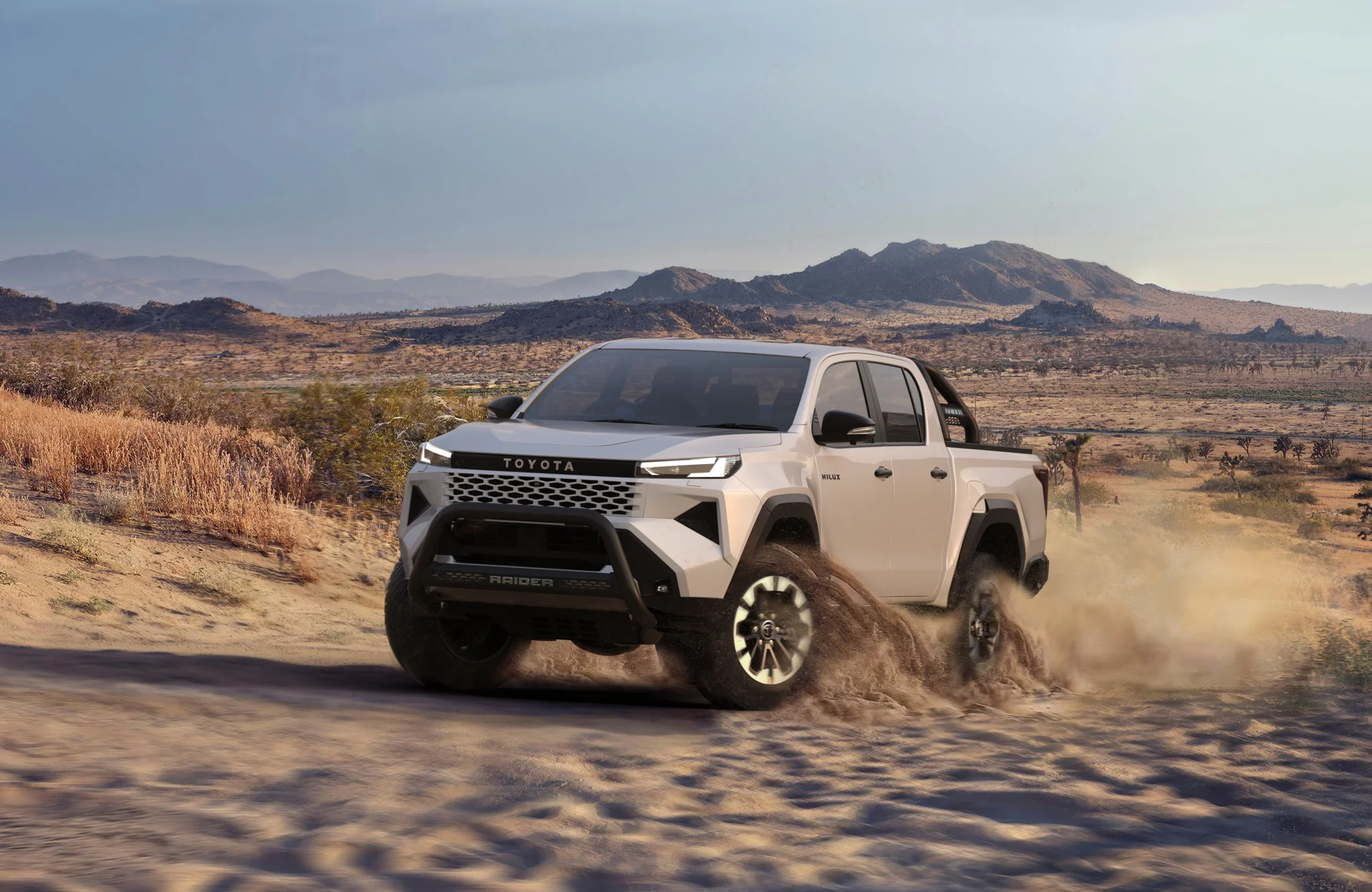
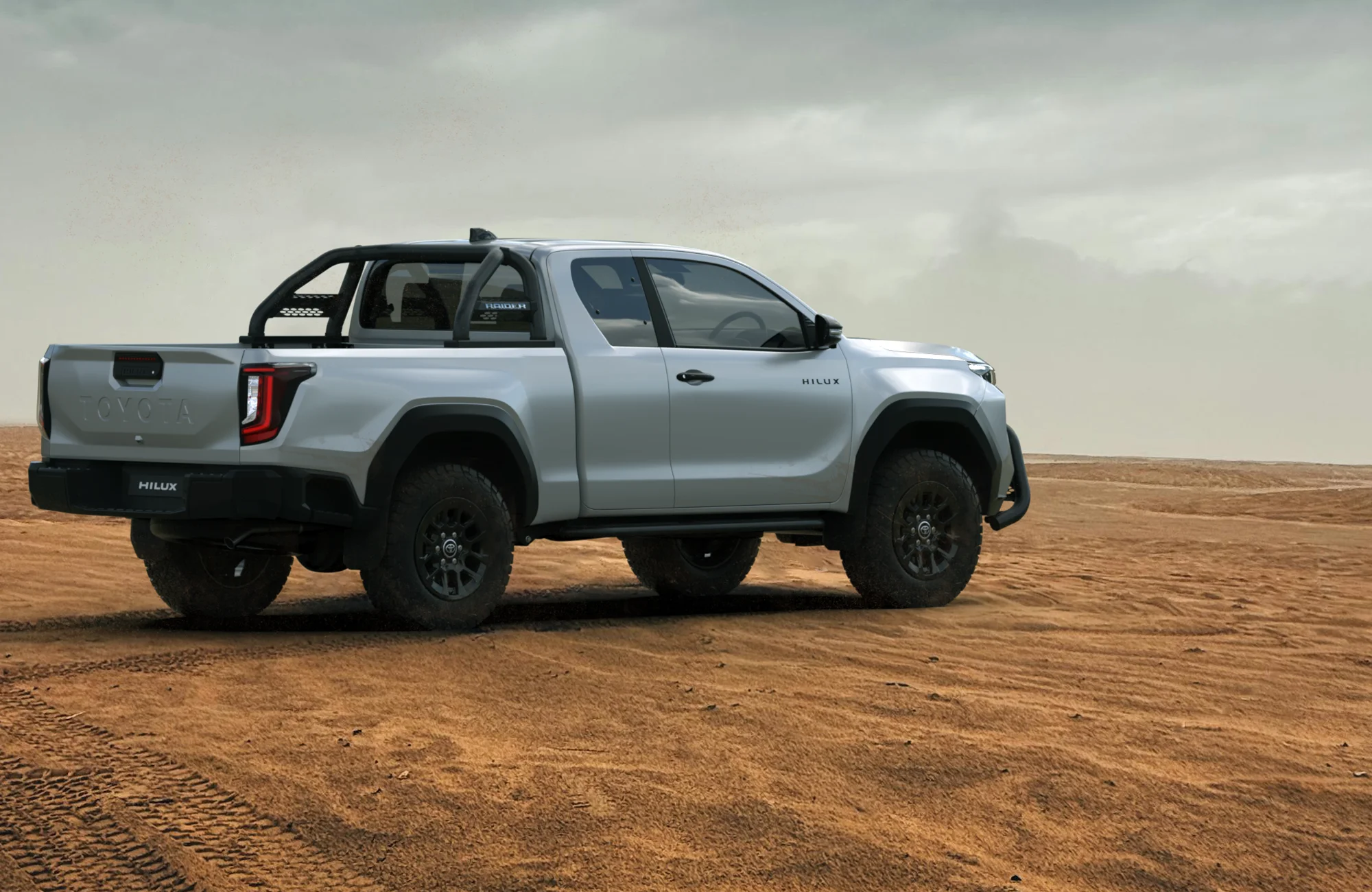
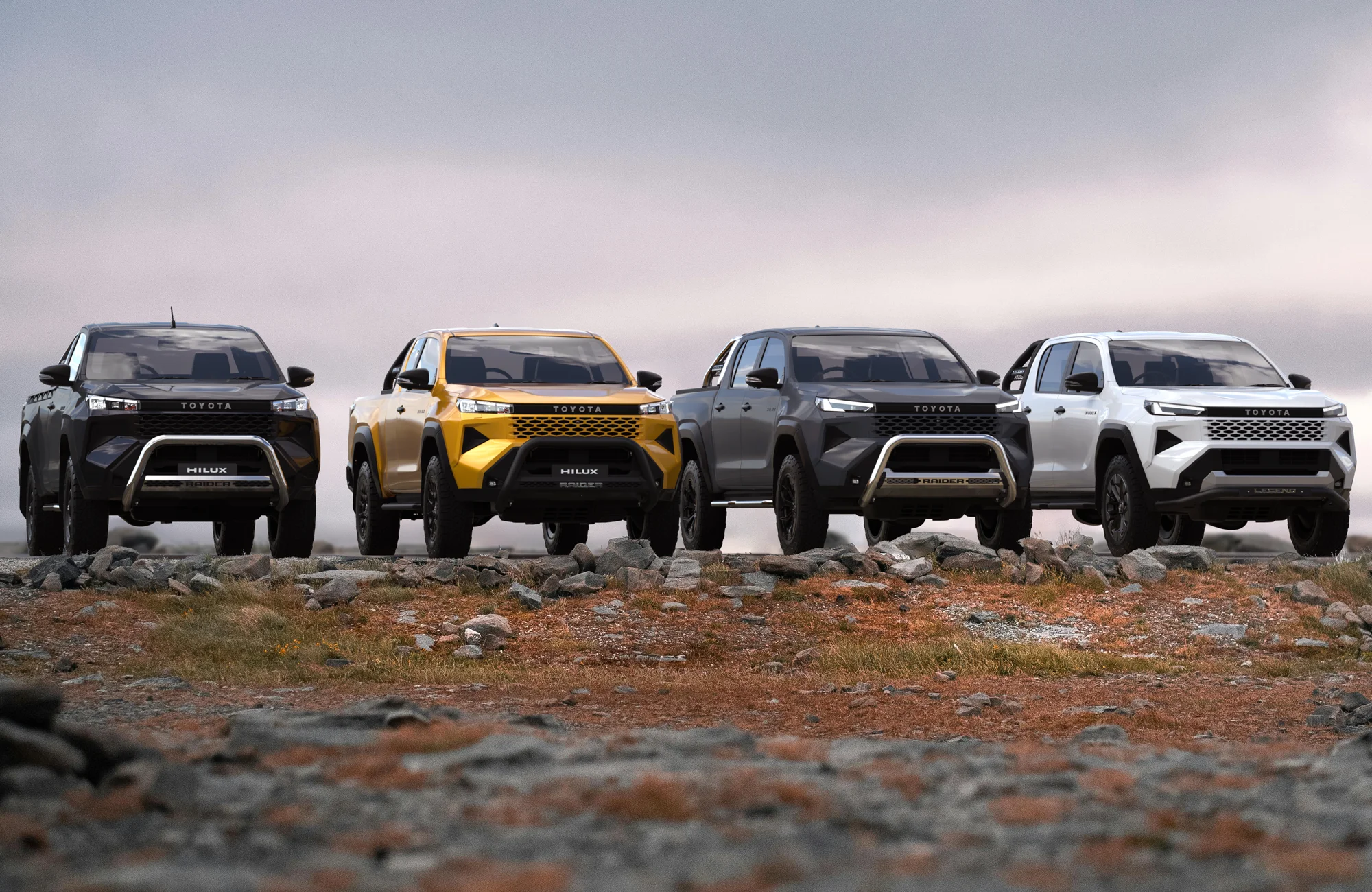
South Africa is bakkie country, where vehicles such as the new Toyota Hilux command loyal followings because they are durable, reliable and hard-working. But even the toughest bakkies benefit from proper protection and preparation.
The modern bakkie has moved beyond its traditional role as a basic workhorse. Today’s models combine advanced technology, improved safety, comfort and premium styling, yet they are still expected to cope with demanding operating conditions.
A single bakkie may spend the week moving between farms, construction sites, depots and customer premises, then transport a family or recreational equipment over the weekend. Others serve as delivery vehicles, long-distance business assets or mixed-route fleet units across highways, gravel roads, rough worksites and cities.
That broader role is changing the way bakkies are specified. Accessories are no longer considered only after delivery or years of hard use. They are increasingly part of how a bakkie is finished, adapted and prepared before it begins work.
New Hilux sharpens the focus
The arrival of the new Toyota Hilux illustrates this shift. The Hilux remains one of South Africa’s most important light commercial vehicle (LCV) platforms, serving private buyers, small businesses, farmers, contractors and large fleets.
As official supplier of genuine accessories for the new Hilux, Commercial Auto Components SA (CACSA) is closely involved in helping prepare the vehicle for local operating conditions and customer requirements.
The significance extends beyond a single model launch. Original equipment manufacturers (OEMs) are making bakkies tougher, safer, more refined and more technologically advanced, while specialist accessory manufacturers help owners tailor those vehicles to the roles they must perform.
The two should not be seen as competing propositions, says Richard Thompson, managing executive of CACSA. “Modern OEM engineering and well-designed accessories can work together, allowing a vehicle to retain its warranty and core strengths while being adapted for the conditions, duties and image expected by its owner,” he explains.
More than cosmetic additions
Accessories are still sometimes dismissed as cosmetic extras, but that description no longer captures their purpose. Carefully selected products can contribute to styling, finish, practicality, durability and everyday usability, while also protecting exposed components.
For a farmer, fit-for-purpose preparation may mean equipping a bakkie for travel between fields, gravel roads and town. A contractor may need protection for exposed areas and products that make it easier to carry tools and equipment. A fleet operator may prioritise a standardised specification that helps manage wear and ensures vehicles suit their routes.
“Accessories should be considered from the day the bakkie is ordered because they influence much more than appearance,” says Thompson. “They are part of how the vehicle is styled, specified and prepared for the work it will actually do.”
This places accessory selection firmly within responsible ownership and fleet planning. Instead of waiting for damage, corrosion or operational inconvenience to expose a weakness, owners can consider the vehicle’s intended duties from the outset and specify it accordingly.