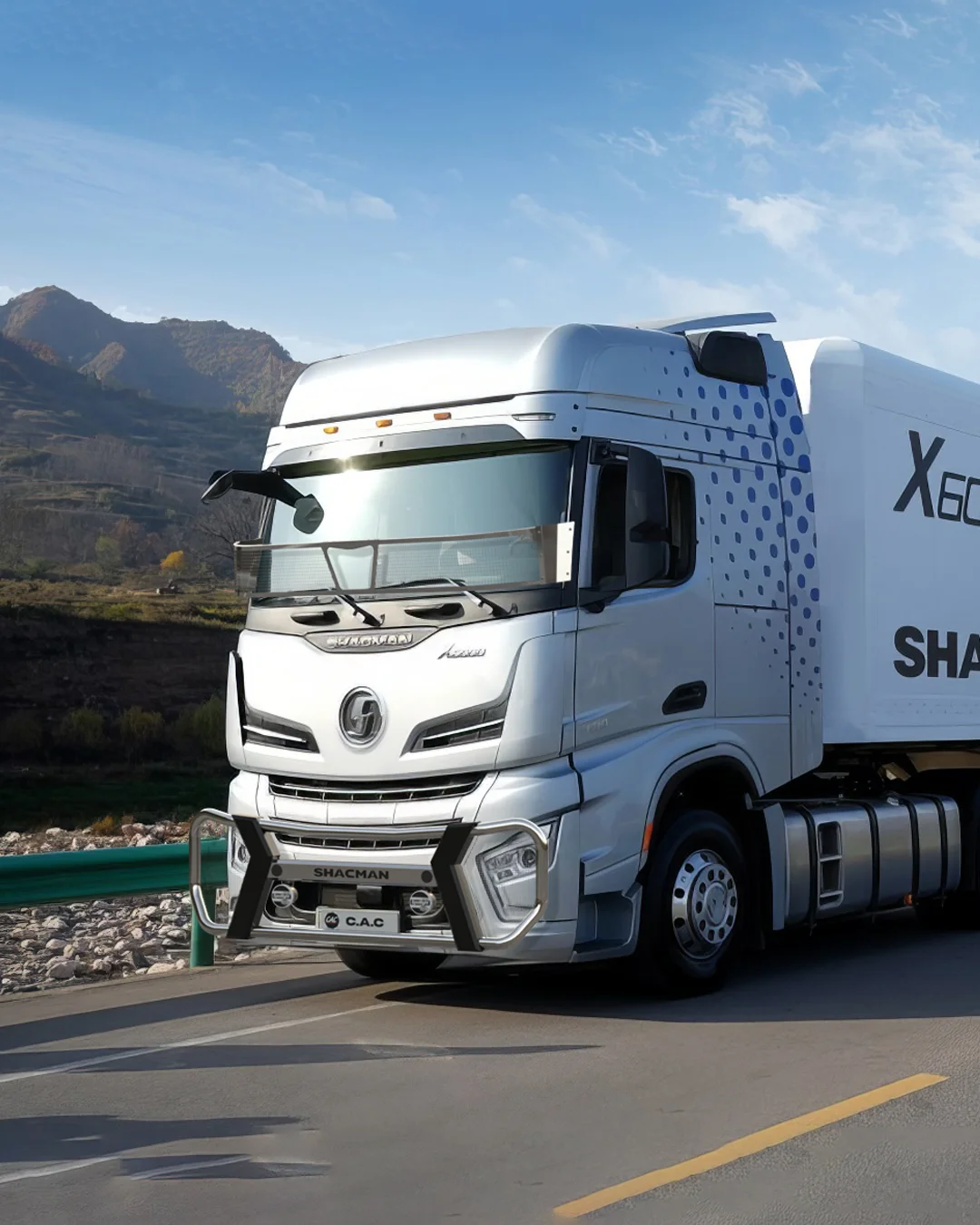
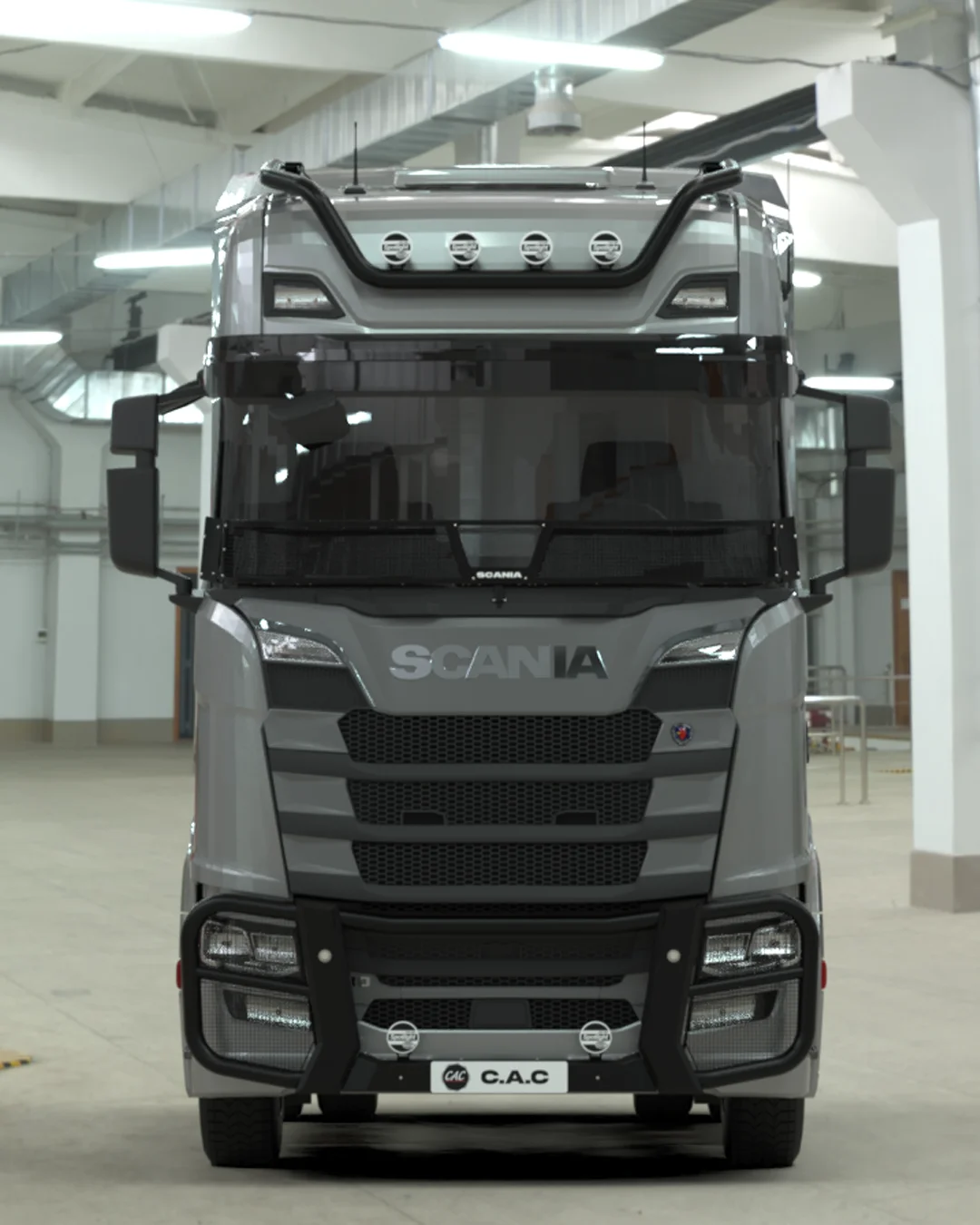
CACSA: helping operators balance vehicle protection and fuel efficiency
For South African fleet operators, protecting trucks from damage while controlling fuel costs has become an increasingly difficult balancing act as operating pressures continue to rise across the transport sector. Commercial Auto Components SA (CACSA) has the solutions.
Long-haul transport in South Africa presents unique challenges. Trucks regularly travel vast distances across demanding routes, often through isolated regions where roadside support is limited, and downtime becomes extremely costly.
Whether transporting agricultural produce from the Northern Cape, moving citrus from farming regions to export terminals or handling cross-border freight operations, transport operators face constant exposure to road debris, animal strikes, poor road surfaces and minor collisions that can damage vulnerable front-end vehicle components.
In this environment, products such as bullbars are not viewed as cosmetic accessories. For many operators, they are practical fleet tools designed to reduce repair costs, minimise downtime and keep vehicles operational.
At the same time, fuel remains one of the single biggest operating expenses for transport businesses, especially in long-haul applications where small efficiency gains can translate into substantial cost savings over time. This creates a growing challenge for the industry: how to maintain the protection operators need without negatively affecting vehicle aerodynamics and fuel efficiency.
A changing focus for fleet operators
According to Richard Thompson, managing executive at CACSA, transport operators are increasingly looking for products that address both durability and operational efficiency. The company has been developing a new aerodynamic bullbar concept as part of a broader effort to respond to changing fleet requirements. While the registered design remains under development and specific technical details are being kept confidential, the project reflects a growing focus on engineering-led product development within the commercial vehicle (CV) sector.
Advanced simulation work using Ansys FEA software has been conducted to compare CACSAโs existing bullbar design against the developing Aero bar. The simulations focused on aerodynamic drag, airflow behaviour and turbulence intensity. According to Thompson, the analysis indicated an approximate 32% reduction in average turbulence intensity compared with the current design.
While the final product remains in development, the findings highlight the increasing role aerodynamics may play in future CV protection products.
Fuel efficiency under pressure
Aerodynamics have long been associated primarily with truck cab design, trailer configurations and vehicle speed management. However, as fuel prices remain volatile and transport margins tighten, greater attention is being paid to every component that affects airflow and drag.
For long-haul operators travelling thousands of kilometres every month, even marginal aerodynamic improvements can influence overall operating costs. This is particularly relevant in South Africa, where freight vehicles often operate continuously across long regional corridors linking farms, ports, industrial centres and neighbouring countries. The challenge lies in ensuring that protective equipment does not create unnecessary aerodynamic penalties while still delivering the durability operators require in difficult conditions.
Engineering around operational realities
Thompson says the companyโs development work is being shaped directly by the realities transport operators face daily.โFleet operators should not have to choose between vehicle protection and fuel efficiency. Our focus is on developing products that provide essential functional protection without the aerodynamic cost,โ he explains.
The companyโs approach is rooted in understanding how CVs are actually used across South Africaโs freight environment. โWe understand the pressures operators face around uptime, repairs, fuel consumption and vehicle availability,โ he says. โProtection products need to work in real operating conditions while also supporting broader efficiency goals.โ
Innovation beyond accessories
The development of more aerodynamic protection systems reflects a wider shift taking place within the transport industry, as suppliers increasingly focus on practical operational outcomes rather than standalone accessories.
For transport operators, downtime caused by damaged front-end components can carry significant financial consequences. Repairs may involve lost delivery time, vehicle recovery costs and disruptions to tightly managed logistics schedules. At the same time, operators remain under pressure to reduce operating expenses wherever possible.
This combination of durability and efficiency is driving new thinking around product development, particularly in sectors linked to long-distance freight movement and agricultural logistics. While battery-electric trucks and alternative energy technologies continue attracting global attention, many South African operators remain focused on improving the efficiency and reliability of existing diesel fleets operating in difficult real-world conditions.
A balancing act
As transport businesses continue balancing rising costs with operational demands, products that combine protection, durability and improved efficiency are likely to receive increasing attention. For manufacturers, this means moving beyond conventional approaches and focusing more heavily on engineering, simulation and practical fleet realities.
Although CACSAโs aerodynamic bullbar design remains under development, the project highlights how even familiar CV products are evolving alongside broader changes in the transport industry. For fleet operators travelling South Africaโs long and demanding freight corridors, the ability to reduce downtime while improving efficiency may ultimately prove just as important as the protection itself.
Published by
Focus on Transport
focusmagsa