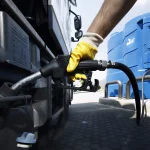
South Africa’s transport sector is facing a pivotal moment as fuel prices surge to unprecedented levels, driven by global geopolitical tensions. As NELLY MKHABELA writes, the impact is immediate: operators are facing rising costs, while passengers and businesses pay more and the broader economy feels the strain.
In response, the Southern African Bus Operators Association (SABOA) is taking a proactive, solution-focused approach, working to ensure the industry remains sustainable while citizens continue to benefit from reliable and affordable transport services.
Rising diesel: local impact of a global crisis
The recent diesel price spikes are closely linked to disruptions in Middle East oil supply, including maritime chokepoints such as the Strait of Hormuz. Globally, crude prices have soared and South African operators including bus, taxi, e-hailing, scholar transport and freight operators are feeling the direct impact. Diesel is approaching record levels and under-recoveries (where local prices lag behind import costs) are compounding the pressure.
For these operators, diesel is the lifeblood of operations. Every cent increase translates into significant operational strain. For passengers, students and consumers, this results in higher fares, delivery costs and school transport fees, affecting daily commutes, goods movement and access to essential services. The situation highlights the urgent need for strategic, collective responses across the entire road transport sector.
SABOA’s leadership in action
SABOA has stepped forward to lead the conversation. The association recently submitted a formal letter to the Minister of Transport, proposing a joint engagement with other road operators and associations, including bus, taxi, e-hailing, scholar transport and freight stakeholders. The aim is to explore collaborative strategies to manage the impact of rising fuel costs while keeping citizens at the centre of all solutions.
Importantly, SABOA has requested that the minister advocate on behalf of the sector with other relevant ministries, including Energy and Finance, to ensure coordinated policy support and sustainable interventions. This step emphasises that SABOA is not only addressing operational challenges, but also seeking structural support to safeguard the entire road transport industry.
Collaboration, strategic foresight and responsibility
SABOA believes that collective action is the most effective path forward. By working together with government, the sector can coordinate strategies that reduce cost pressures, maintain service quality and protect citizens.
Rising diesel prices are a challenge, but they also present an opportunity to demonstrate strategic leadership. SABOA is ensuring that the voices of operators across the transport sector are heard, that citizens’ interests are prioritised and that government interventions are coordinated across departments.
By requesting the minister’s advocacy with the Energy and Finance ministries, SABOA is reinforcing the importance of cross-sector collaboration. This approach moves beyond short-term fixes, fostering long-term resilience and sustainability in South Africa’s road transport sector.
Looking ahead
SABOA’s commitment is clear: rising costs demand greater responsibility. By encouraging structured dialogue, collective solutions and government advocacy, the association is turning a crisis into an opportunity for stronger industry partnerships and improved outcomes for citizens.
South Africa’s road transport sector is at a crossroads. With SABOA’s leadership, operators can work together with government to ensure that rising diesel costs do not compromise service delivery or accessibility, but instead drive strategic, collaborative solutions for a sustainable future.