MyCiTi prepares for electric integration
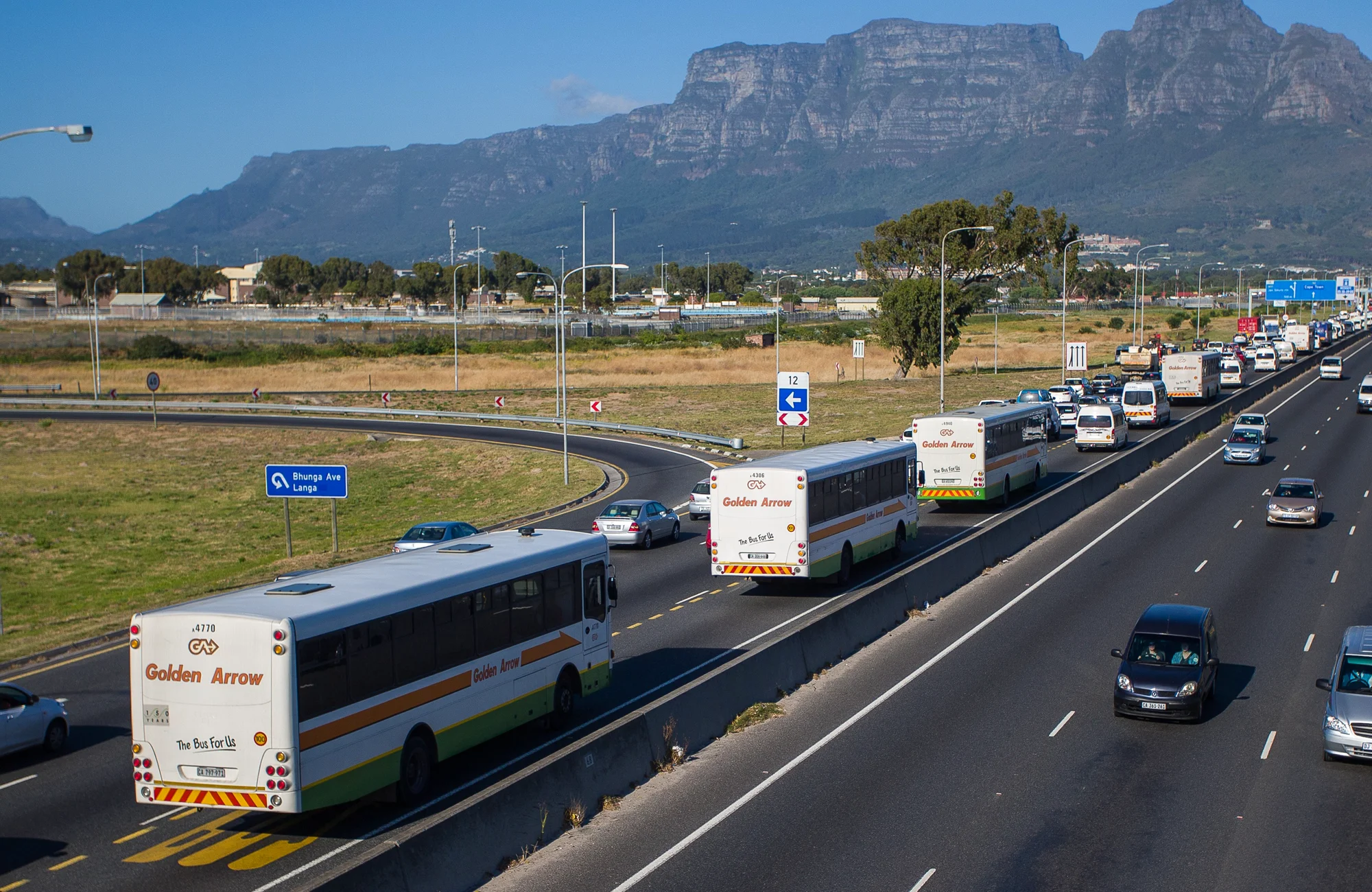
The City of Cape Town’s MyCiTi BRT network is also preparing for electrification. In early 2026, the City Council approved a pilotwith up to four 12-m electric buses to run on existing routes. It’s funded in part by a €90,000 (nearly R1.7-million) grant from the Urban Electric Mobility Initiative (UEMI) and City resources. The buses will be tested over approximately 12 months to evaluate performance, battery life, charging requirements, maintenance and operational costs – aiming for a full roll-out from 2027/28.
The research partnership with the University of Cape Town reflects the City’s intent to benchmark electric bus performance in the local context – accounting for Cape Town’s terrain, climate and passenger loads – before scaling up.
In tandem, Cape Town has issued a tender to procure 30 electric buses from Volvo Bus Southern Africa for the MyCiTi network, slated for delivery in 2027. Notably, this contract foresees local assembly of buses using imported Volvo chassis, fostering job creation and skills transfer. A separate tender was also placed for the installation of the charging infrastructure.
Red lanes and a Sky Circle
The City’s Urban Mobility Directorate reported recently that it has reached a key milestone with the casting of the first red bus lanes along Govan Mbeki Road in Lansdowne. The steel-reinforced bus lanes get their distinctive colour from a red oxide added to the concrete.
Also progressing well is the construction of South Africa’s very first Sky Circle – a freestanding elevated traffic circle, located at the intersection of Govan Mbeki Road (M9) and Jan Smuts Drive (M17) in Lansdowne. Elevated about 6.2m above the ground, the Sky Circle will be for the exclusive use of MyCiTi buses. Once the circle has been cast and the concrete has reached its design strength, the temporary traffic circle on ground level will be converted back to a four-way signalised intersection for general road users.
“By separating the MyCiTi buses from general traffic, the commuters will no longer be delayed by traffic or congestion at the ground level of the intersection,” explains the City’s Mayoral Committee Member for Urban Mobility, Councillor Rob Quintas.
While the Sky Circle will reduce travelling time for MyCiTi commuters, other road users will also benefit from significant upgrades at the reconfigured intersection. These include dedicated turning lanes, improved traffic signals and walking and cycling lanes.
The project is on track to be completed by December 2026, and the first MyCiTi buses are expected to operate along this route in the second half of 2027.
NEVs in government fleets
As part of a systems-driven approach to the electrification of government-owned vehicles, Government Motor Transport (GMT) – the fleet management entity forming part of the Mobility Department of the Western Cape Provincial Government – has also begun the introduction of New Energy Vehicles (NEVs) within its permanent fleet. This long-term process requires a stepped approach, notes Sileku, to align with the department’s operational planning, procurement cycle and other targets.
Based on current fleet size and vehicle replacement rates, GMT has established long-term transition milestones, to be reviewed annually. These include 5% NEV fleet composition by 31 March 2030, 20% by 2040 and 80% by 2050, with the objective of achieving 100% NEV fleet composition post-2050.
While battery-electric vehicles (BEVs) remain central to GMT’s long-term net-zero ambitions, its strategic approach has matured to reflect the complexities of South Africa’s current policy, energy and market conditions. As such, GMT is transitioning its public fleet using the broader NEV technology spectrum, including hybrid electric vehicles (HEVs), plug-in hybrid electric vehicles (PHEVs) and BEVs, to incrementally reduce tailpipe emissions.
Bumps on the road ahead?
Despite considerable progress in the transition, some hurdles remain. South Africa’s broader electricity constraints mean charging large fleets could strain local grids. Research suggests optimised charging strategies are essential to mitigate peak demand and operating costs. Electric buses require reliable charging infrastructure, ideally backed by renewable energy. The Arrowgate Depot’s hybrid setup is a model, but replicating this across cities demands capital investment and technical capacity.
While electric buses play a major role, a truly integrated public transport system – one that connects buses, rail, taxis and non-motorised modes – is required for broader social and economic impact. This is according to institutions like the South African Institution of Civil Engineering (SAICE), which advocate for coordinated planning and infrastructure investment to unlock these benefits. High upfront costs and the need for stable policy incentives mean local government, national policymakers and private investors must align to maintain momentum.
The Western Cape’s mobility revolution reflects a growing ambition to transform public transport in South Africa, while operators are proving the feasibility of electric fleets at scale. As cities across the country observe developments in Cape Town, the lessons learned here will help inform broader transitions toward sustainable urban mobility nationwide.