The bell that keeps ringing: Isuzu’s 13-year reign in South Africa

The bell that keeps ringing: Isuzu’s 13-year reign in South Africa

In South Africa’s fiercely competitive commercial vehicle market, leadership is rarely permanent. Economic cycles shift, regulations evolve and new competitors constantly challenge the status quo. Yet for more than a decade one name has consistently remained at the top: Isuzu. Why? CHARLEEN CLARKE explains…

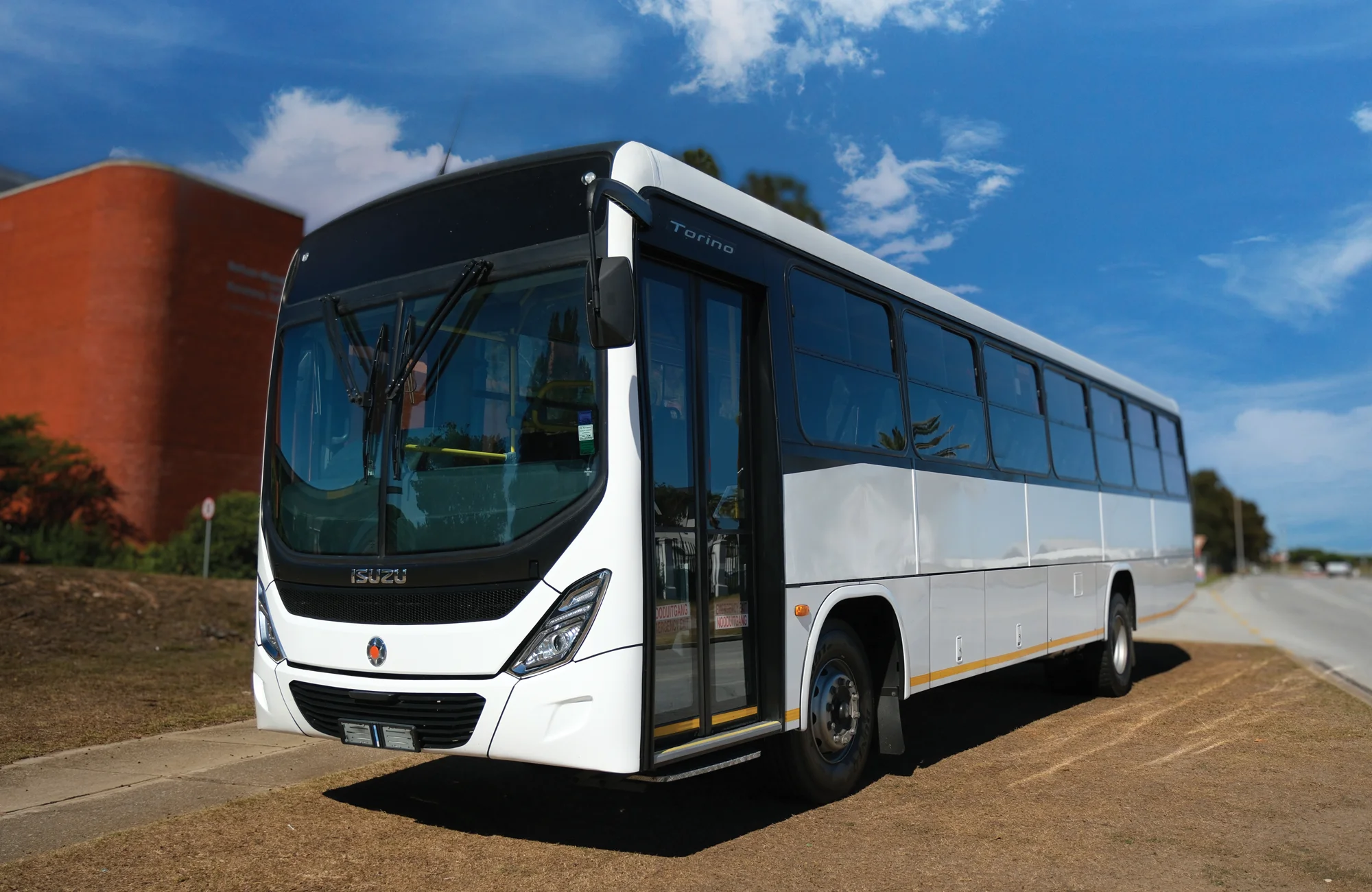
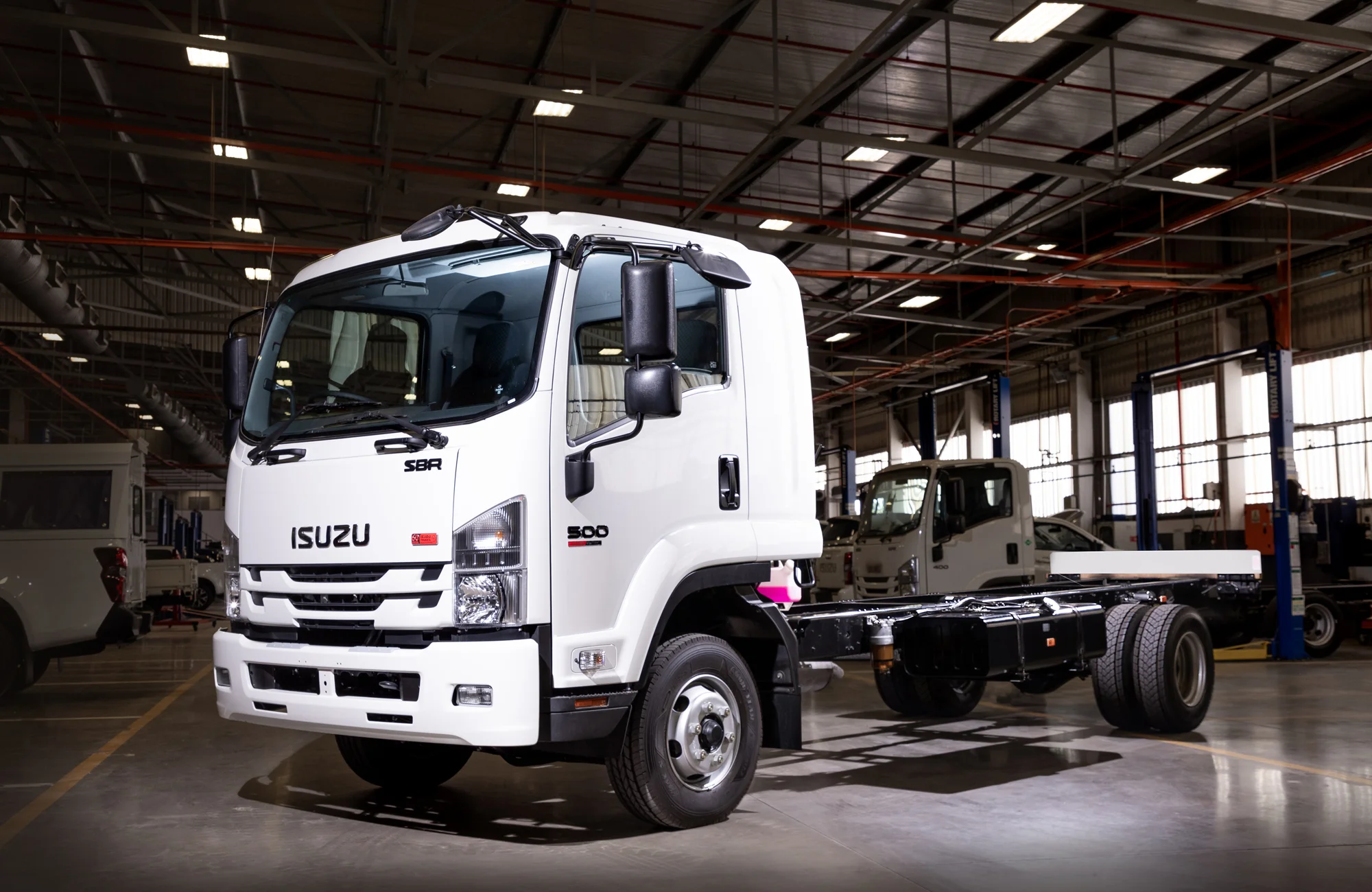
The Japanese manufacturer has secured 13 consecutive years as South Africa’s number one brand in the combined medium commercial vehicle (MCV) and heavy commercial vehicle (HCV) segments, a remarkable achievement in a market known for its volatility and demanding operating conditions. For the calendar period from 7 January 2025 to 6 January 2026, Isuzu led the cab-over-chassis segment with a 26.8% market share, finishing comfortably ahead of its nearest competitors.

But numbers alone do not explain the depth of Isuzu’s success. To understand why the brand continues to dominate the country’s trucking landscape, one must look beyond market share to the story behind the name, the engineering philosophy that shapes its products and the long-standing relationship between Isuzu and South Africa.

The meaning behind the name

Few global automotive brands carry a name as poetic and as interesting as Isuzu. The word originates from Japan and is commonly linked to the Isuzu River, which flows through Mie Prefecture near the revered Ise Grand Shrine. In Japanese culture the river symbolises purification and renewal, concepts closely associated with Shinto spiritual traditions.

Linguistically, the name is often interpreted as a combination of two words: I, symbolising abundance or multiplicity and suzu, meaning bell. Together the phrase can be understood as “fifty bells” – an evocative expression that suggests harmony, clarity and resonance.

For the founders of the company this symbolism was deliberate. Bells have long played an important role in Japanese shrines and festivals, their sound representing purity and connection. In a metaphorical sense the clarity of a bell’s tone mirrors the precision and reliability expected of Isuzu engineering.

Today the name Isuzu has become synonymous with durability and dependability across global transport markets. Yet its origins remain rooted in a cultural connection between nature, tradition and craftsmanship.

A long-standing presence in South Africa

Isuzu’s relationship with South Africa stretches back decades. The brand was first introduced locally in the 1960s when Stanley Motors Organisation brought the Isuzu Elfin TKG 10, a 1.5-tonne petrol-powered truck, to the country.

By the late 1960s the range had expanded significantly. Models such as the bonneted TXD and TWD series and the forward-control TD 80E established Isuzu as a serious contender in the commercial vehicle (CV) sector. Powered by robust diesel engines and designed for demanding workloads, these trucks quickly earned a reputation for reliability.

Over time, the brand became deeply embedded in South Africa’s logistics ecosystem. Today Isuzu trucks are a common sight across highways, construction sites, municipal fleets and agricultural operations. From urban delivery routes to remote rural transport corridors, the vehicles have proven their ability to handle the country’s diverse and often challenging operating environments.

Engineering for African realities

One of the defining characteristics of Isuzu’s approach in South Africa is its commitment to engineering vehicles specifically suited to local conditions. South Africa presents a unique combination of transport challenges. Long distances, variable road quality, extreme temperatures and demanding payload requirements all place heavy strain on CVs. Trucks must operate reliably across rugged terrain while maintaining fuel efficiency and cost control.

Isuzu has responded to these conditions with a design philosophy focused on practicality and durability. Chassis configurations, powertrains and cab designs are optimised for African operating environments, ensuring vehicles deliver consistent performance in both urban logistics and remote regional transport.

Reliability is central to this philosophy. Robust vehicle architecture reduces the risk of mechanical failure, while extended service intervals and accessible components simplify maintenance. For fleet operators this translates into less downtime and higher productivity.
The economics of reliability

In the CV industry, purchasing decisions are rarely driven by brand image alone. Fleet operators evaluate trucks primarily through the lens of economics: cost per kilometre, maintenance requirements and resale value.

Isuzu’s leadership in South Africa is closely linked to its reputation for delivering competitive total cost of ownership. Efficient engines contribute to lower fuel consumption, while durable drivetrains minimise repair costs over the vehicle’s lifetime. Strong residual values further enhance the financial case for Isuzu trucks, ensuring operators can recover a substantial portion of their investment when vehicles are replaced.

This economic reliability has made the brand particularly attractive to industries where transport efficiency directly affects profitability. Logistics providers, construction companies and government fleets all depend on vehicles that can perform consistently while controlling operating costs.

Aftersales support and dealer partnerships

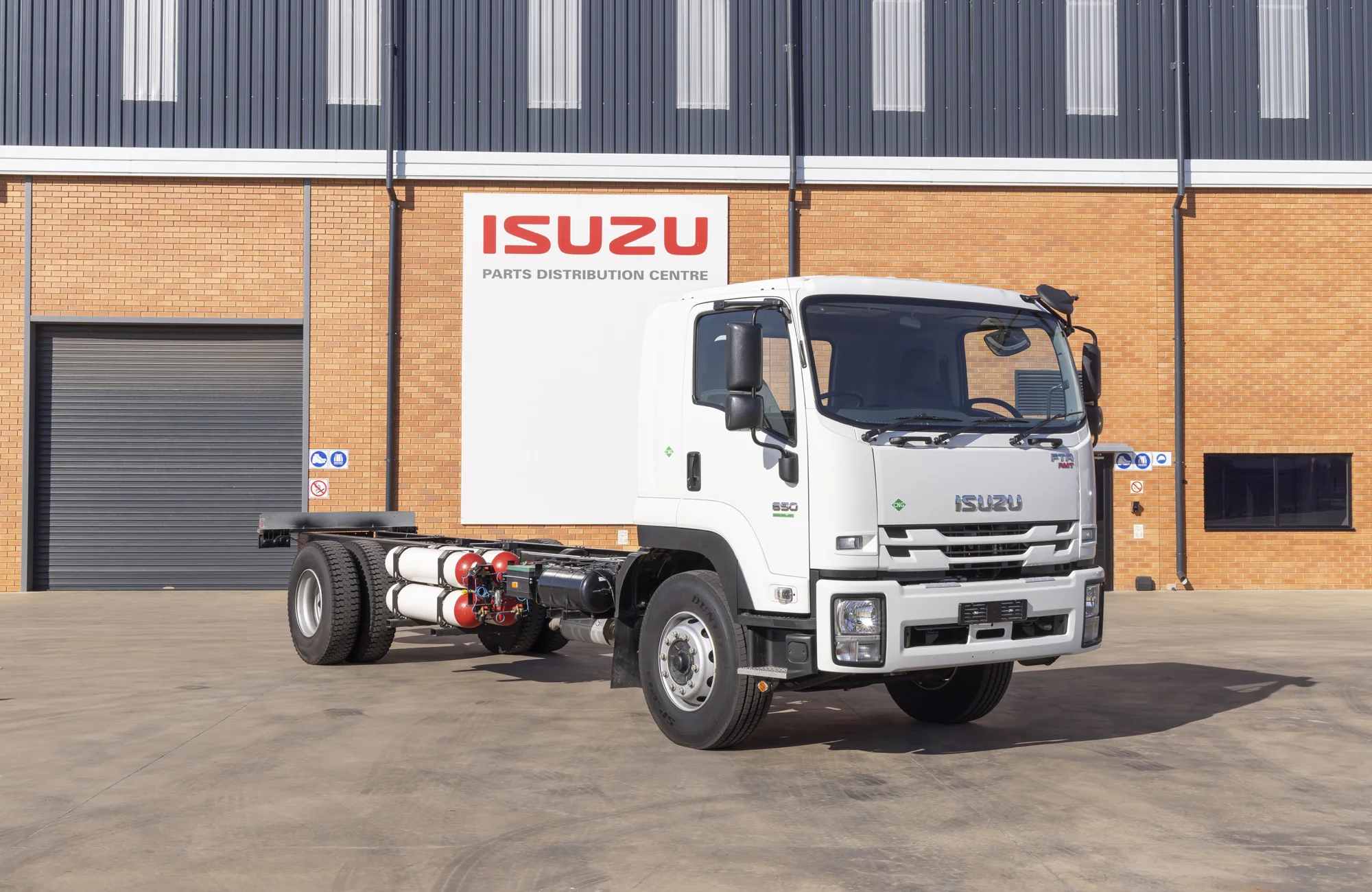
A truck’s true value extends far beyond the moment it leaves the showroom floor. In many ways, the real test begins once it enters daily service. Isuzu’s extensive aftersales infrastructure has played a major role in maintaining customer confidence. A nationwide network of dealerships provides access to genuine parts, technical expertise and service facilities. Technicians receive specialised training, while advanced diagnostic tools ensure vehicles are maintained to manufacturer standards.

This support network helps operators keep trucks on the road and minimise disruptions to their businesses. It also reinforces the long-term partnerships that underpin Isuzu’s market leadership. As Craig Uren, senior vice president of revenue generation for Isuzu Motors South Africa, explains, sustained success comes from understanding the realities of customer operations. “Over 13 years we have consistently invested in reliable drivetrains, application-appropriate specifications and aftersales capability that supports customers throughout the full lifecycle of their vehicles,” he says.

Local production and economic impact

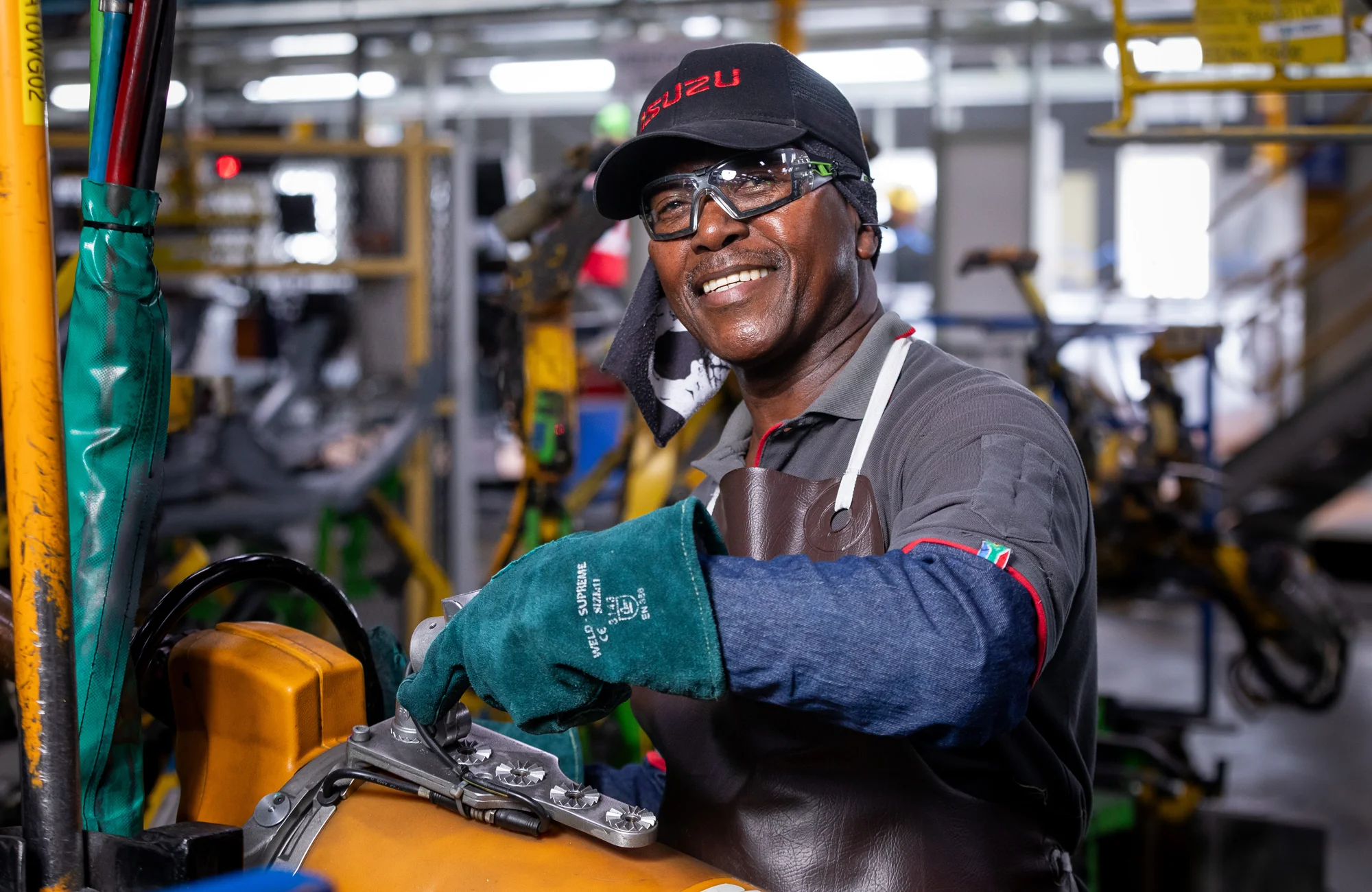
Another important factor behind Isuzu’s strong presence in South Africa is its commitment to local production. Vehicles assembled in the country support job creation and contribute to the domestic manufacturing sector. Local assembly also allows engineers to tailor vehicles more precisely to regional requirements. Adjustments to specifications, materials and configurations can be made with direct insight into South African operating conditions.

Beyond the factory floor, the ripple effects extend throughout the supply chain. Local component suppliers, logistics providers and service networks all benefit from the continued growth of the CV industry.

More than market leadership

While 13 consecutive years at the top is an impressive statistic, it represents more than a simple measure of sales performance; it reflects a long-term relationship between a brand and the industries that depend on it. Isuzu’s enduring popularity suggests the brand has successfully aligned its engineering philosophy with the practical realities of South African transport.

Now, as Isuzu enters its 14th year of market leadership, the focus remains on refining technology and adapting to a changing transport landscape. Improvements in fuel efficiency, emissions management and digital diagnostics will continue to shape the next generation of trucks. At the same time. the company’s underlying philosophy remains unchanged: build vehicles that work hard, last long and support the businesses that rely on them.

Much like the clear tone of a bell echoing across a shrine courtyard, the name Isuzu will no doubt continue to resonate across South Africa’s highways and freight corridors. And, after more than a decade at number one, that sound shows little sign of fading.

Published by

Focus on Transport

FOCUS on Transport and Logistics is the oldest and most respected transport and logistics publication in southern Africa.
Prev Global demand drives Sinotruk to record heavy-duty truck exports
Next Truck Test 2026: It’s going to be our best yet!

Leave a comment

This site is protected by reCAPTCHA and the Google Privacy Policy and Terms of Service apply.