Inside the world’s largest commercial vehicle market

Inside the world’s largest commercial vehicle market

What’s happening inside the world’s largest commercial vehicle (CV) market? GIANENRICO GRIFFINI travelled to the China Commercial Vehicles Show (CCVS) in Wuhan to find out.

China, long recognised as a high-technology industrial power, is rapidly transitioning to alternative traction systems to decarbonise road transport. The latest evidence comes from medium- and heavy-truck registration data, as well as from the CCVS.

Growth in alternative drivelines has been particularly striking over the past two to three years. The first turning point occurred roughly two-and-a-half years ago, when operators began shifting rapidly from diesel engines to liquefied natural gas (LNG), largely for cost reasons. Manufacturers responded quickly; a practical solution involving one or two cryogenic tanks mounted behind the cab of 6×4 tractors became widespread. These vehicles are typically configured for 49-tonne combinations, by far the most common transport configuration in China.

Battery-electric trucks gain momentum

A second turning point is linked to the rapid growth of battery-electric trucks. According to data reported by the International Council on Clean Transportation (ICCT), in 2024 battery-electric vehicles (BEVs) accounted for 13% of the market for vehicles above 14 tonnes, compared with 57% for diesel trucks and 29% for gas trucks. In the medium-duty segment, BEVs represented around 14%, compared with 81% for diesel and 3% for methane-powered trucks.

Overall, including medium-duty vehicles, heavy-duty vehicles and buses, approximately 230,000 zero-emission vehicles entered service – an exceptionally high figure by global standards. During the first half of 2025, meanwhile, the BEV share among heavy goods vehicles (primarily semi-trailer tractors and tipper trucks) rose further to 22%. Diesel fell to 52%, while gas models accounted for 25%. The electrification trend also affected the medium-duty segment, where BEVs represented 17% of registrations, compared with 76% for diesel engines and 5% for natural gas units.

TCO drives change

As in many other markets, purchasing decisions by Chinese transport operators are strongly influenced by total cost of ownership (TCO). Energy price remains a decisive factor.

In China, the average cost of sulphur-free diesel ranges from 6.6 to 6.8 yuan (R17.20 to R17.70) per litre. LNG is sold at 3.5 to 4.1 yuan (R9.10 to R10.70) per kilogram. At public charging stations, electricity prices range from 1.1 to 1.5 yuan (R2.90 to R3.90) per kWh, helping to explain the rapid expansion of BEVs.

Hydrogen is another energy carrier receiving significant attention. According to the National Energy Administration (NEA), producing one kilogram of hydrogen costs about 28 yuan (R72.80) compared with more than €8 (R160) in Europe, while the purchase price for end users is approximately 48.6 yuan (R126.40).

In this evolving environment, BEVs and fuel cell trucks already play (and will increasingly play) a decisive role in helping China reach carbon neutrality by 2060.

Ambitious electrification and the rise of battery swapping 

China has set ambitious targets for the development of electric mobility, including both battery-electric and hydrogen fuel cell vehicles. The transition is supported by a comprehensive ecosystem actively promoted by the central government and provincial authorities. Electricity generation capacity is expanding rapidly, supported by increased reliance on wind and solar power. Large-scale energy storage installations are also growing to compensate for the variability of renewable sources.

Charging infrastructure is being expanded nationwide, while automated battery-swap systems are spreading quickly within the heavy-truck sector. These systems enable entire battery packs to be replaced in just five to eight minutes, eliminating lengthy charging stops. This solution also reduces the initial investment required for zero-emission vehicles because the battery – often nearly as expensive as the truck itself – can be rented rather than purchased.

Data from the first half of 2025 indicates that approximately 20,400 heavy goods vehicles, representing about 30% of electric trucks, are equipped with rapid battery-replacement systems.

The widespread adoption of battery swapping highlights the pragmatic approach taken by Chinese manufacturers and operators in accelerating electrification.
Renewable electricity and green hydrogen expansion

The two main pillars supporting the adoption of zero-emission vehicles in China are rapidly-expanding renewable electricity generation and increasing production of green hydrogen.

In 2024 electricity generation from wind and solar sources rose by 25% compared with the previous year. In the first half of 2025, generation increased by a further 27% compared with the same period in 2024.

Between June 2024 and June 2025, energy generated by wind farms and solar installations reached 2,073 terawatt-hours, surpassing the 1,936 terawatt-hours produced by nuclear, hydroelectric and biomass sources. According to NEA data, China achieved green hydrogen production capacity of approximately 36.5 million tonnes per year in 2024, representing around 50% of global capacity.

About 125,000 tonnes of hydrogen – an increase of more than 38% compared with 2023 – were produced by water electrolysis and were therefore classified as green hydrogen. Hydrogen refuelling infrastructure is expanding rapidly, reaching 540 stations by the end of 2024 and with more than 600 expected by the end of 2025.

Alternative drivetrains showcased in Wuhan

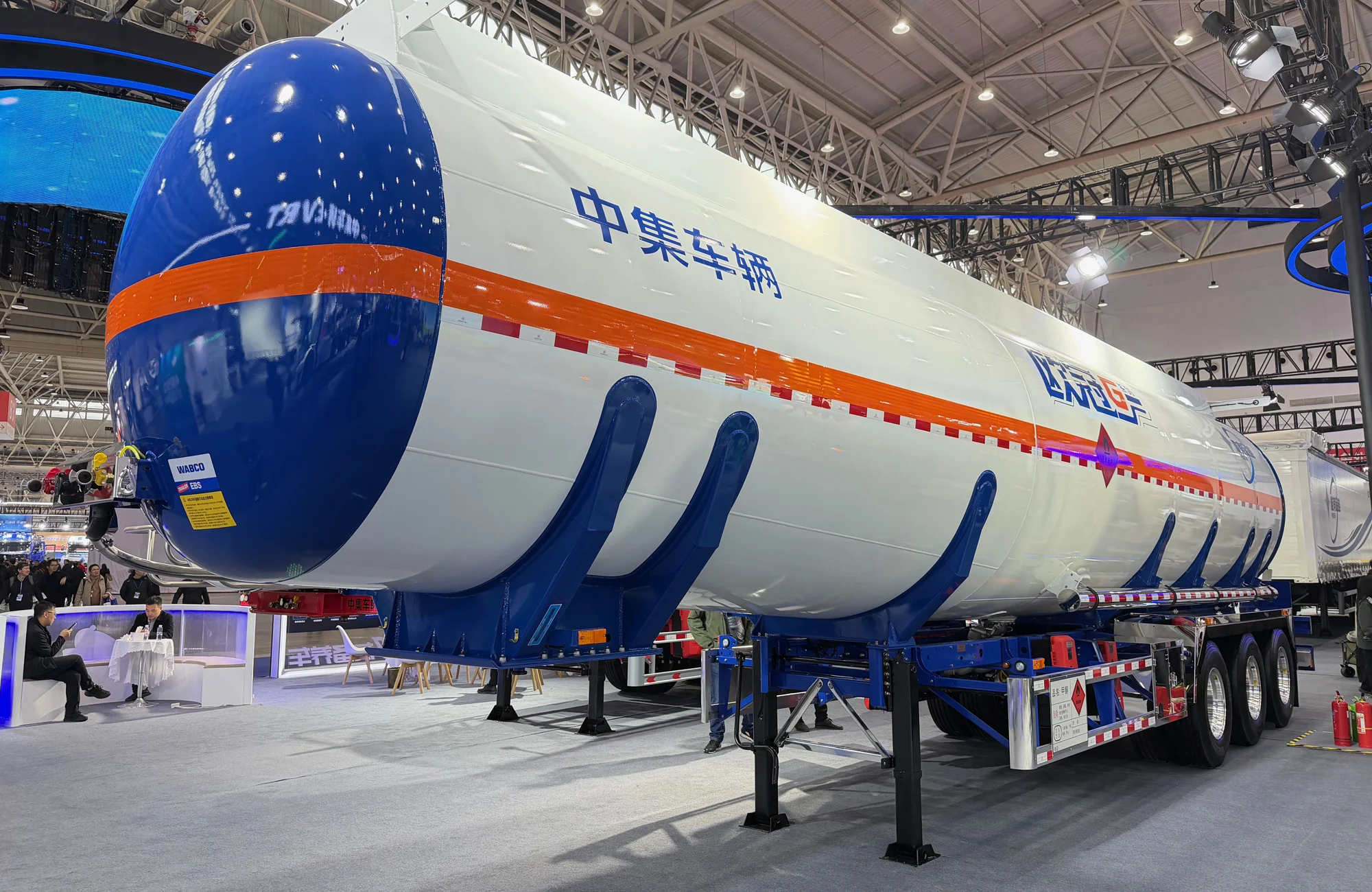
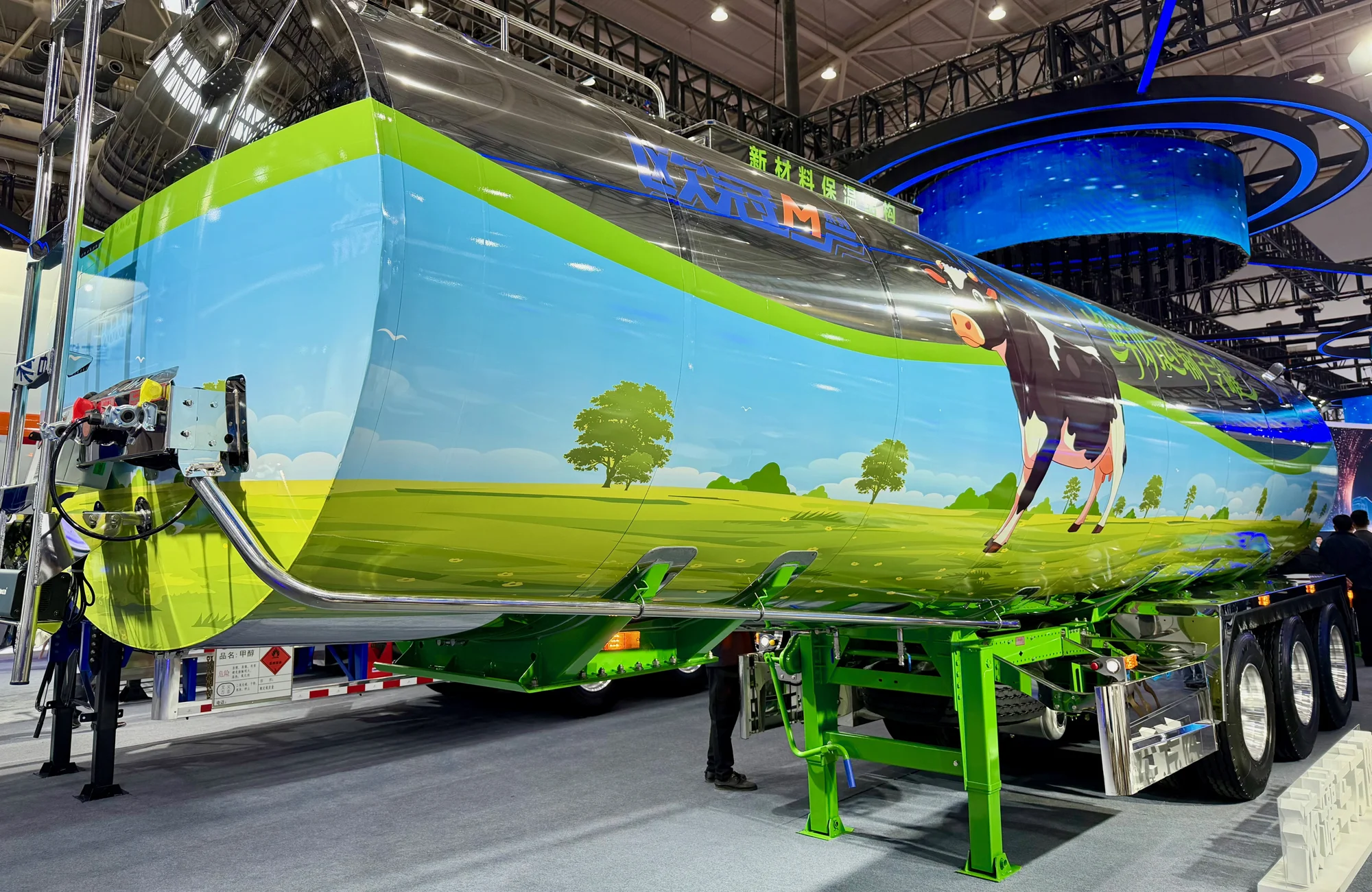
Given this background, it is not surprising to learn that hybrid, battery-electric and fuel-cell trucks were widely displayed at the CCVS in Wuhan. The many exhibits highlighted the rapid development of alternative fuel powertrains.

Among the hybrid models was Dongfeng’s 6×4 Tianlong KX tractor. Alongside an LNG-powered internal combustion engine and a 1,350-litre cryogenic tank behind the cab, the truck uses an 80kW electric motor to provide additional torque during climbing or peak energy demand.

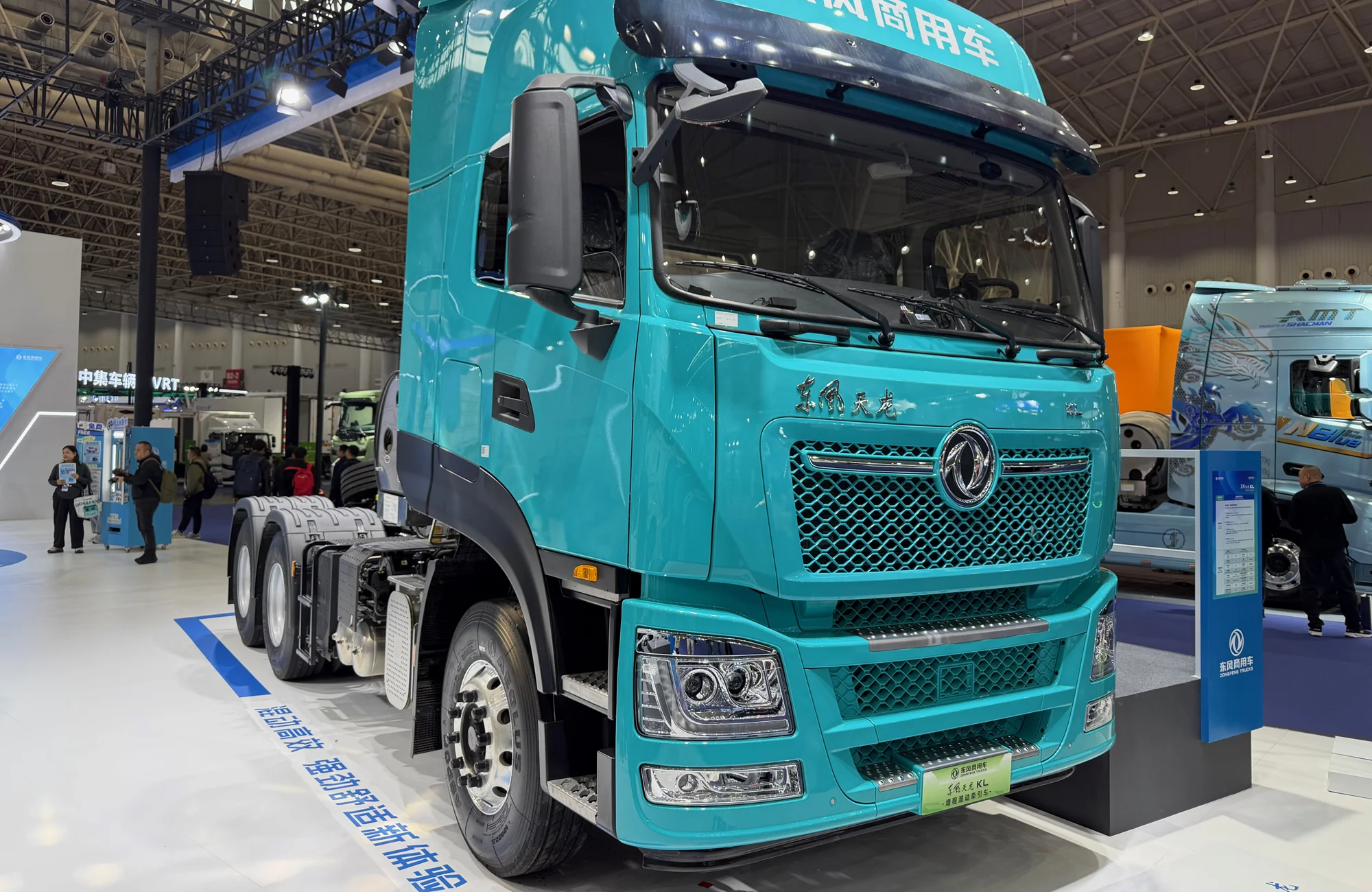
Another hybrid configuration – where the combustion engine operates as a range extender – appears in the Dongfeng Tianlong KL 6×4. This model features a 78.3-kW battery and a 17-kW LNG engine supplied by a 1,000-litre tank.

Fuel cell technology advances

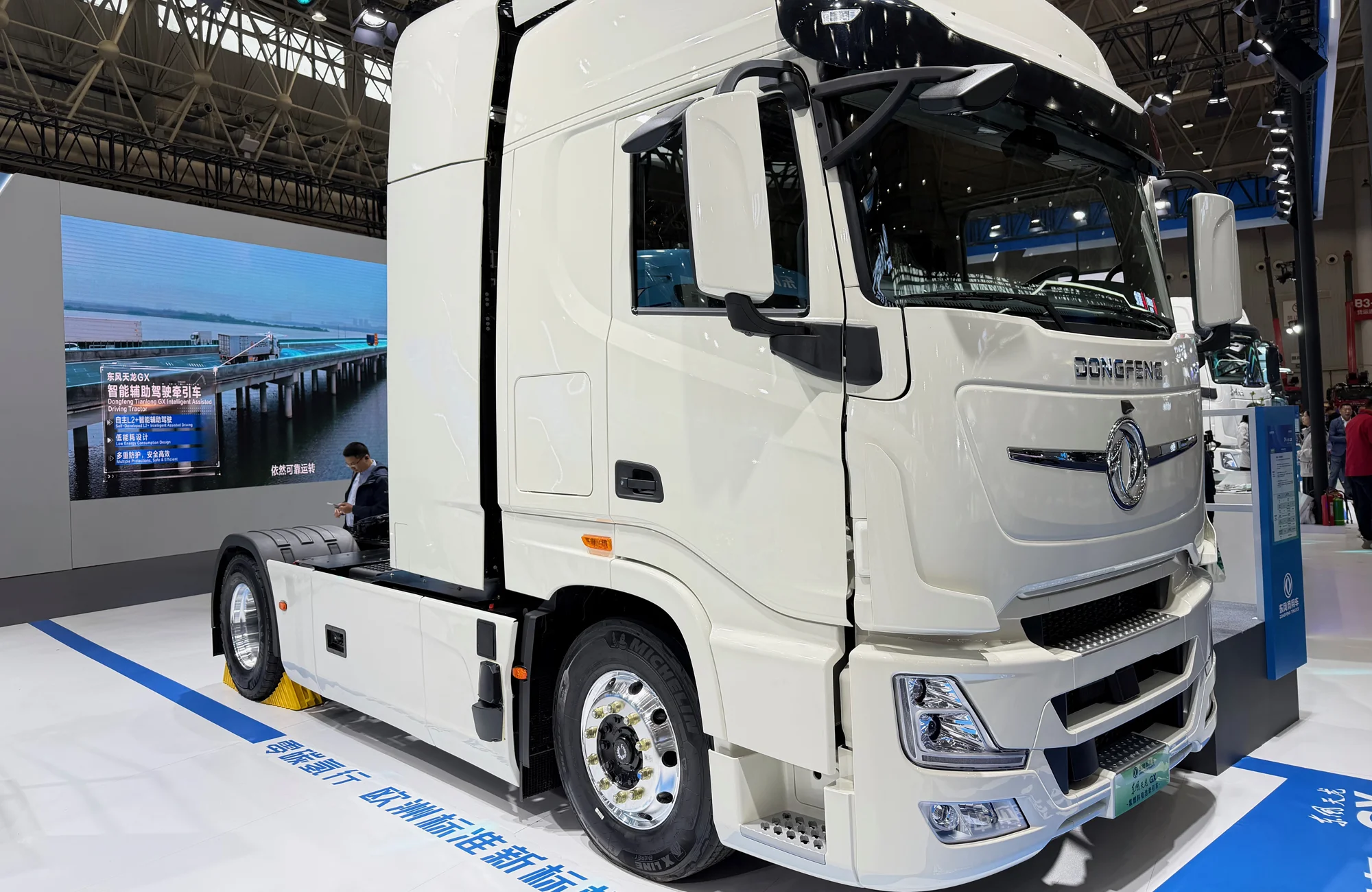
Dongfeng – which holds a market share exceeding 24% in the heavy-duty segment above 14 tonnes – also presented the 4×2 Tianlong GX tractor, equipped with a 190-kW fuel cell powered by hydrogen stored at 700 bar in carbon-fibre tanks positioned behind the cab.

The Z Truck tractor, developed by a Chinese start-up collaboration between Shanghai Wuliu Automotive Technology and Horizon Fuel Cells, features two 150-kW fuel cells. According to manufacturer data, the vehicle offers an operating range exceeding 1,500km. This long range is made possible by a 600-kWh battery – significantly larger than those typically installed in fuel cell vehicles.

Battery-electric trucks for construction and regional use

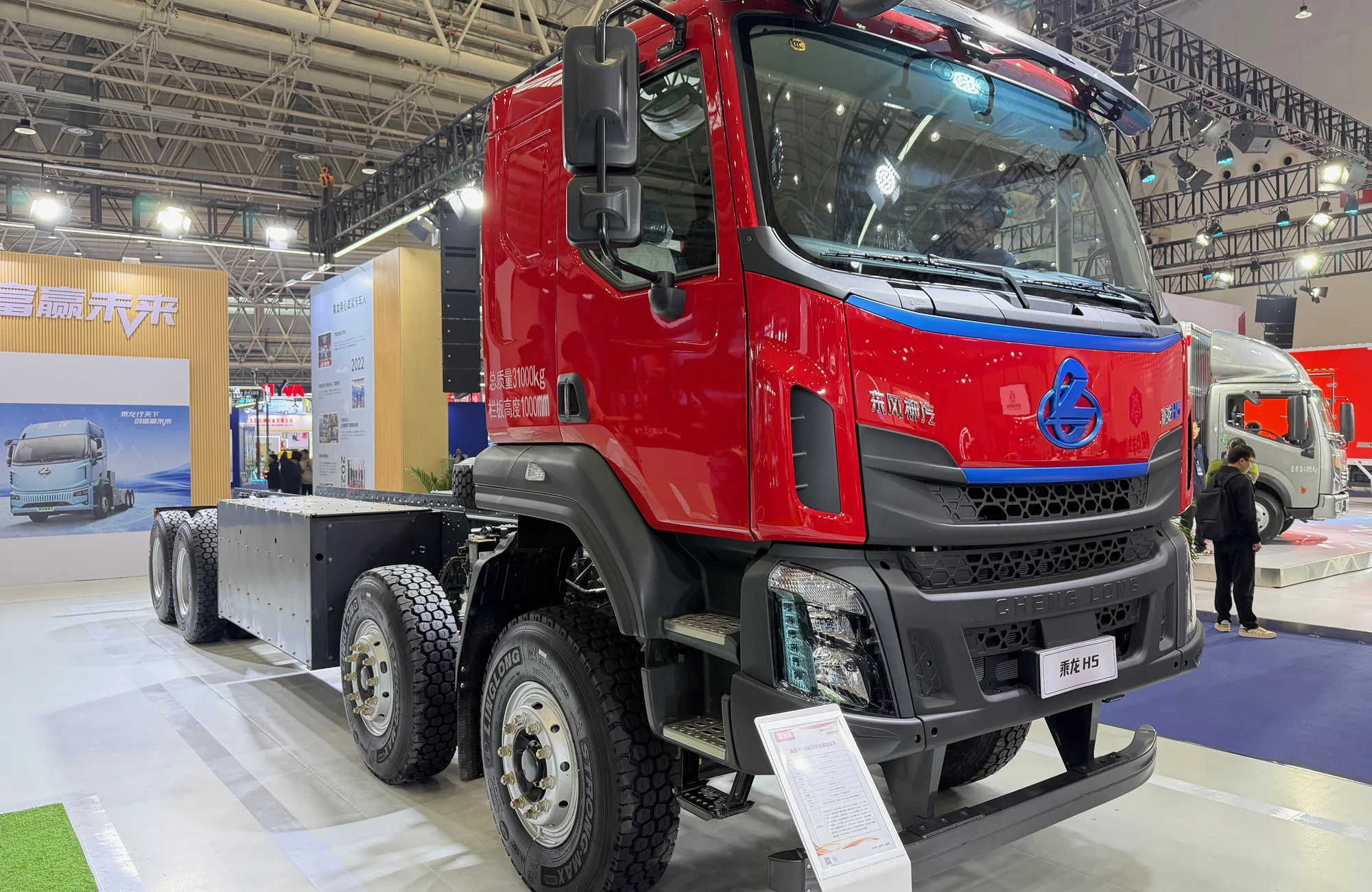
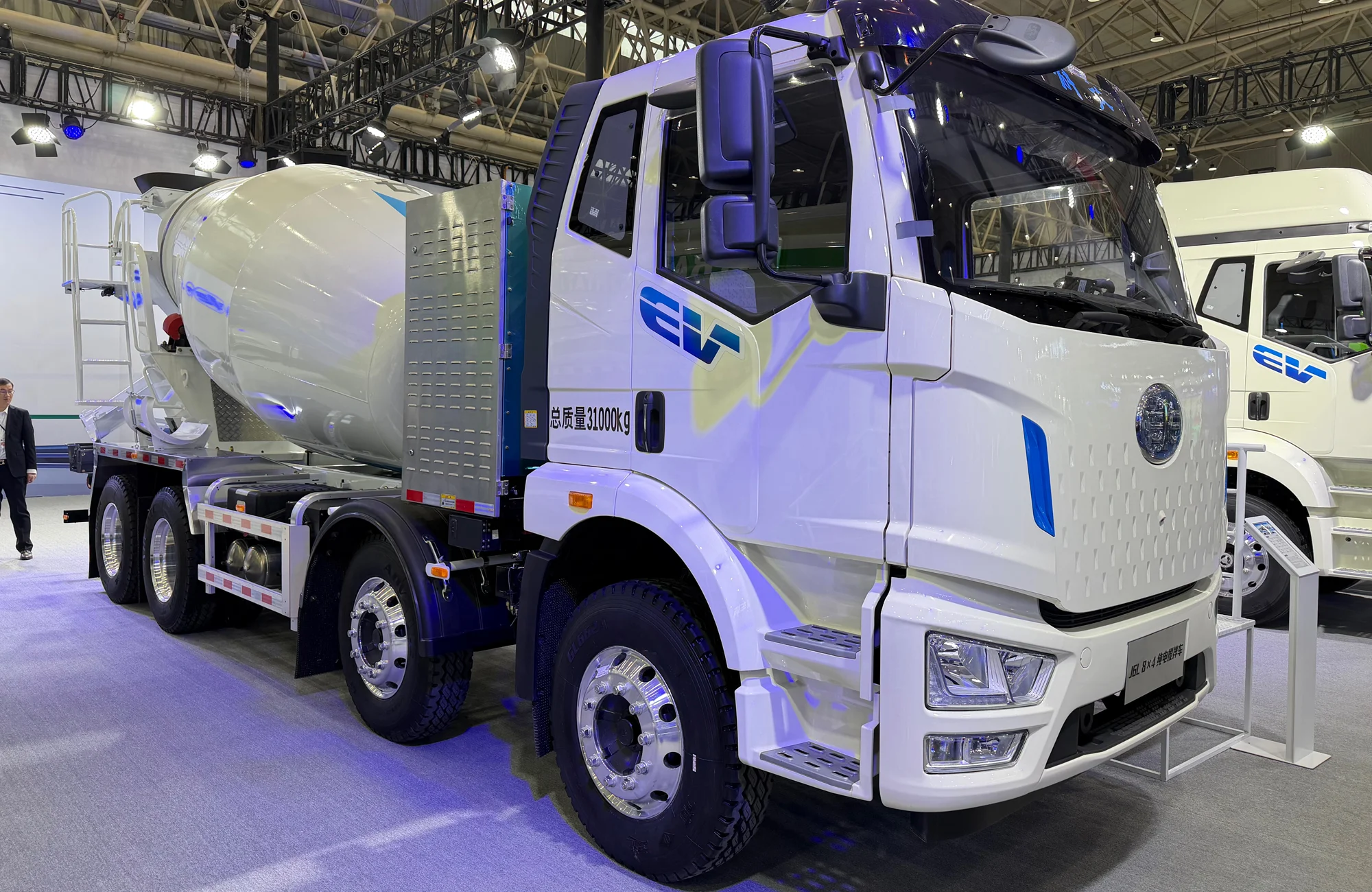
The Wuhan show also featured numerous battery-electric trucks designed for regional distribution and construction applications. Among them was Dongfeng Liuzhou Motor’s Chenglong H5 8×4 model equipped with batteries exceeding 600kWh capacity. FAW presented several electric variants, including the J6L EV 8×4 concrete-mixer chassis fitted with 352-kWh lithium-iron phosphate batteries providing a range of 200 to 220km.

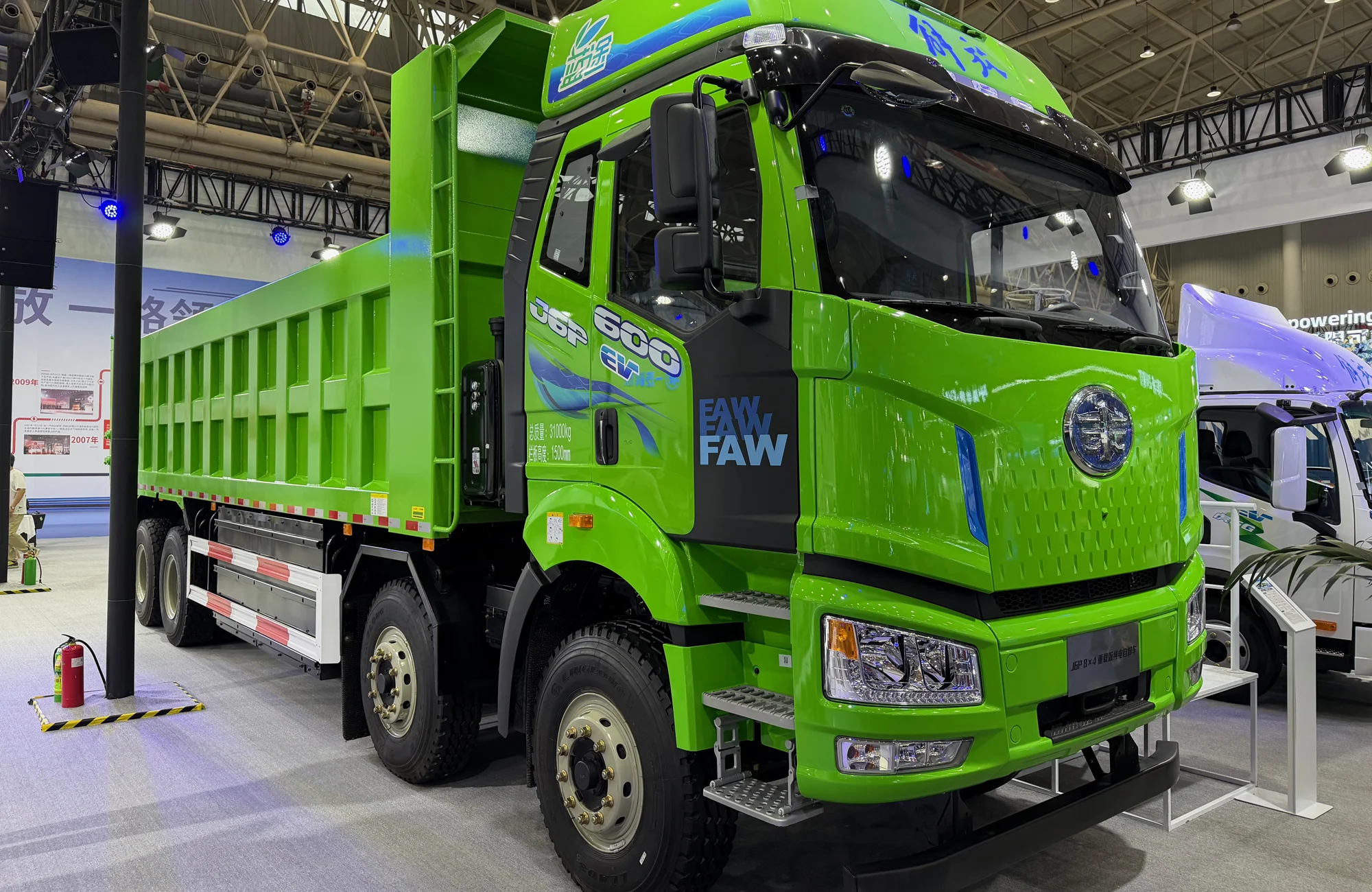
Additional models included the J6L EV 6×4 regional tractor, equipped with 400-kWh batteries, and the J6P EV chassis cab featuring a rear tipper and a 600-kWh battery pack. All three models offer rapid battery-swap capability to minimise downtime.

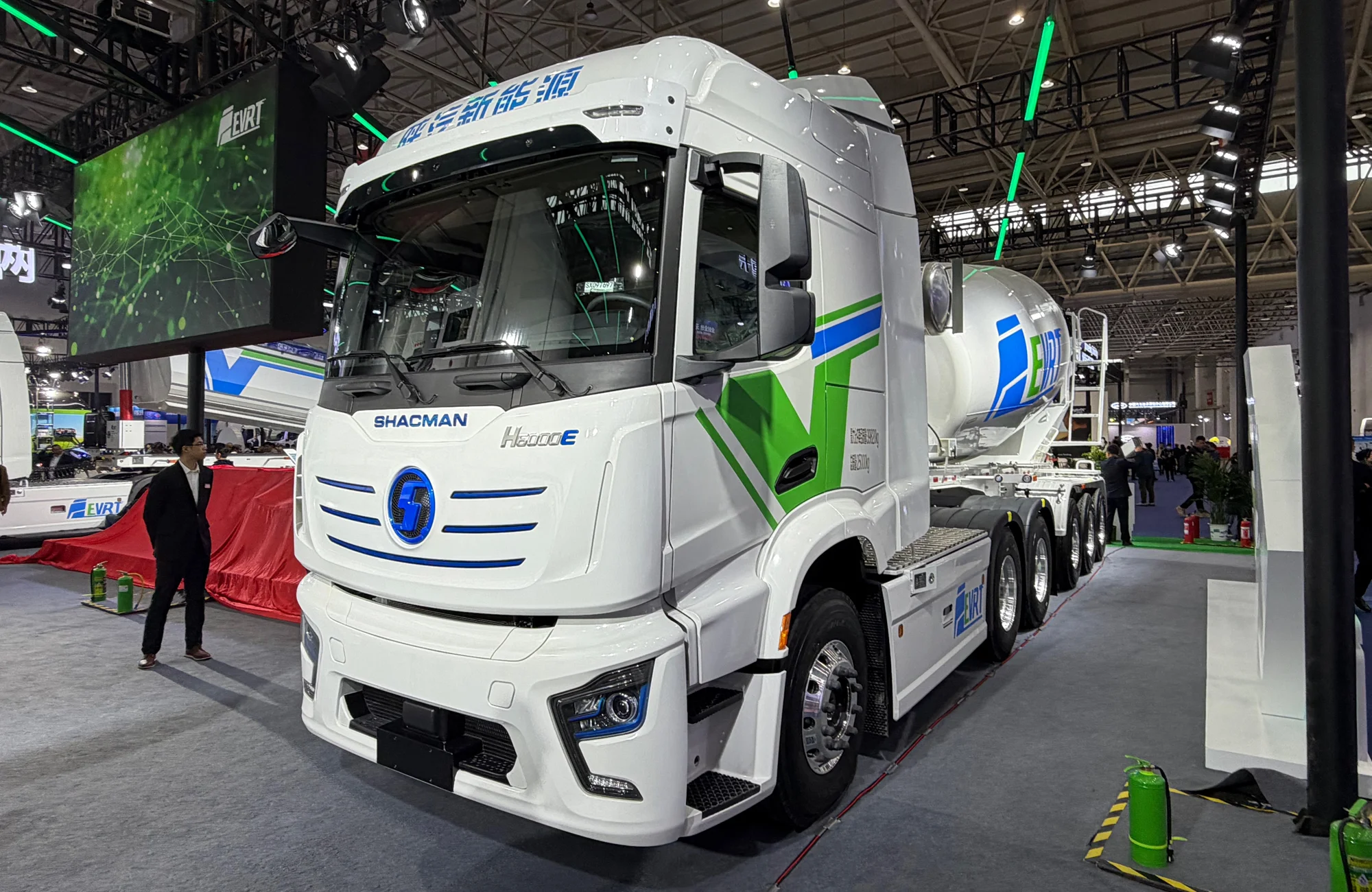
Another interesting concept combined a Shacman H6000E tractor with EVRT semi-trailers equipped with electrified axles capable of providing additional torque to the articulated vehicle during peak demand.

All in all, the CCVS was an interesting exhibition, and it provided us with many clues as to the future of the world’s largest CV market. Given the pace of transformation now underway, it seems reasonable to believe that China will shape the global future of trucking for many years to come – most certainly when it comes to new energy vehicles.

Hybot H49 wins Chinese Truck of the Year 2026

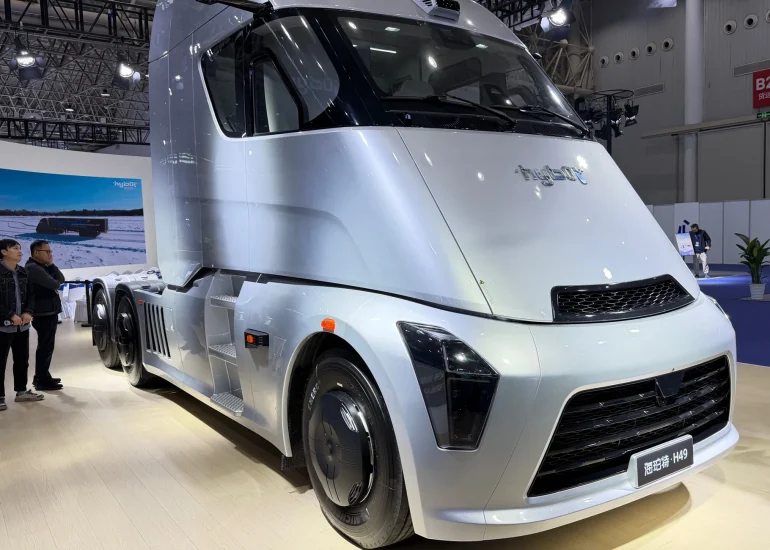
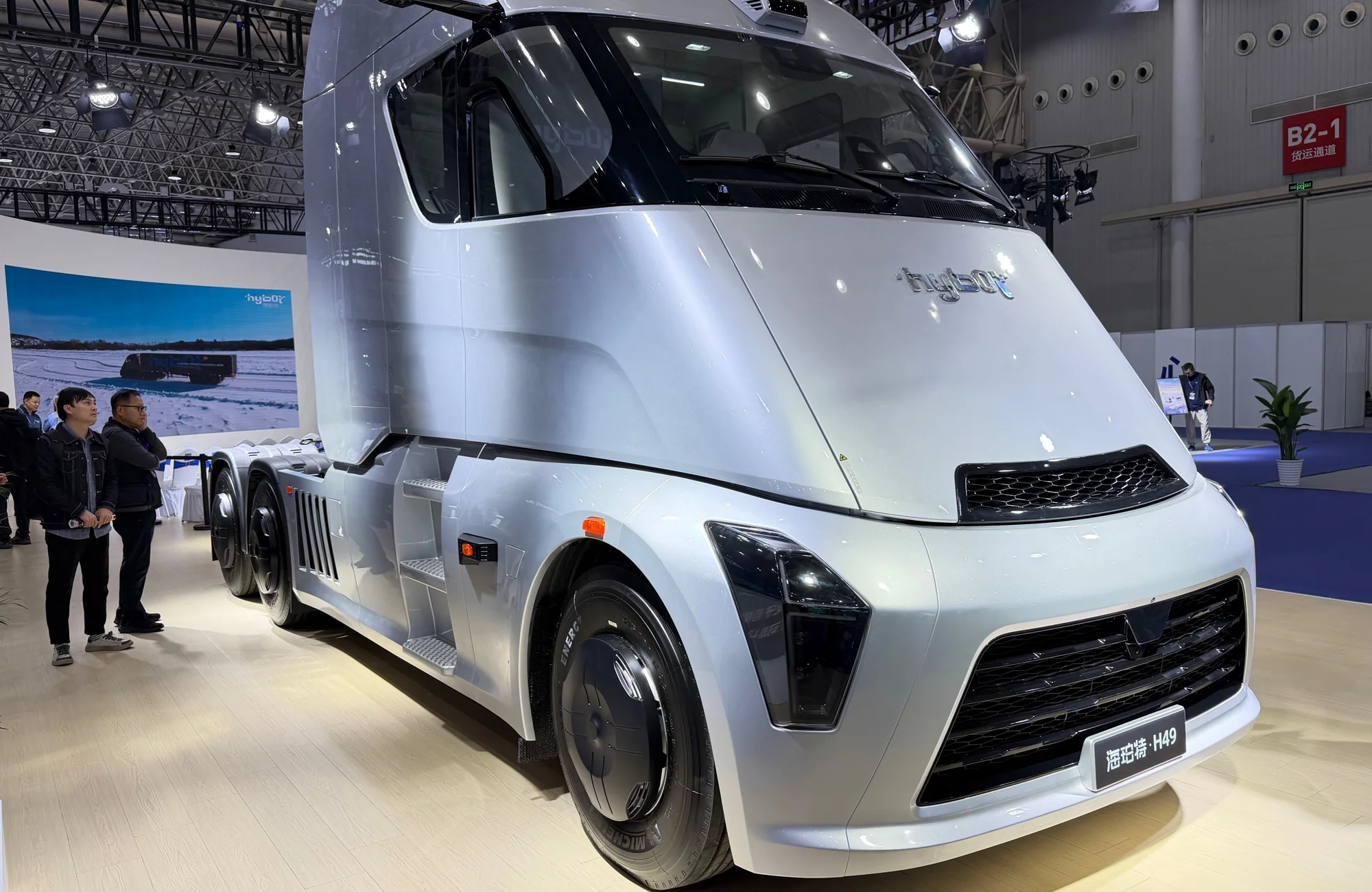
The winner of the Chinese Truck of the Year 2026 award – presented by Commercial Vehicle Magazine with the support of International Truck of the Year (IToY) journalists – was named during the CCVS. This honour went to the Hybot H49, a fuel cell electric tractor developed by Guangzhou Hybot Technology.

Founded in late 2021, the company has progressed rapidly by leveraging venture capital investment and a domestic ecosystem strongly focused on hydrogen technologies. The H49 is a 6×4 tractor designed for 49-tonne combinations and is equipped with a fuel cell system delivering a total output of 300kW. Hydrogen is stored at 700 bar in carbon-fibre tanks mounted along the chassis. The longest-range version, capable of up to 1,000km according to the manufacturer, includes additional hydrogen tanks positioned behind the cab.

Designed for demanding operating conditions

The truck is designed to operate in extreme environments with temperatures ranging from −30°C to +45°C and at altitudes of up to 3,500m above sea level. Manufacturer testing indicates an average hydrogen consumption of approximately 7.1kg/100km.

The vehicle’s long operating range is supported by aerodynamic efficiency (with a drag coefficient of 0.35) and by a low tare weight of under 10 tonnes – achieved through extensive use of carbon-fibre reinforced polymer components. Power is delivered by three electric motors – one integrated into the second axle and two into the third axle – enabling efficient cruising on flat roads and full power deployment on steep gradients or during manoeuvring.

Advanced cab design

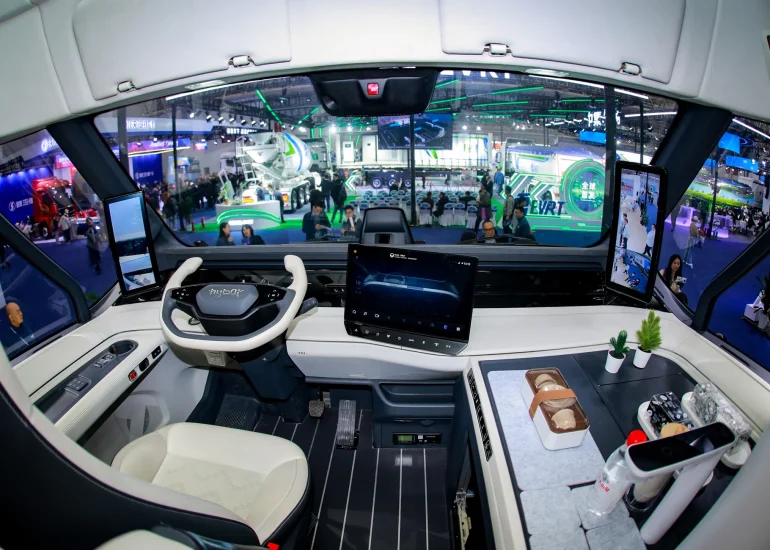
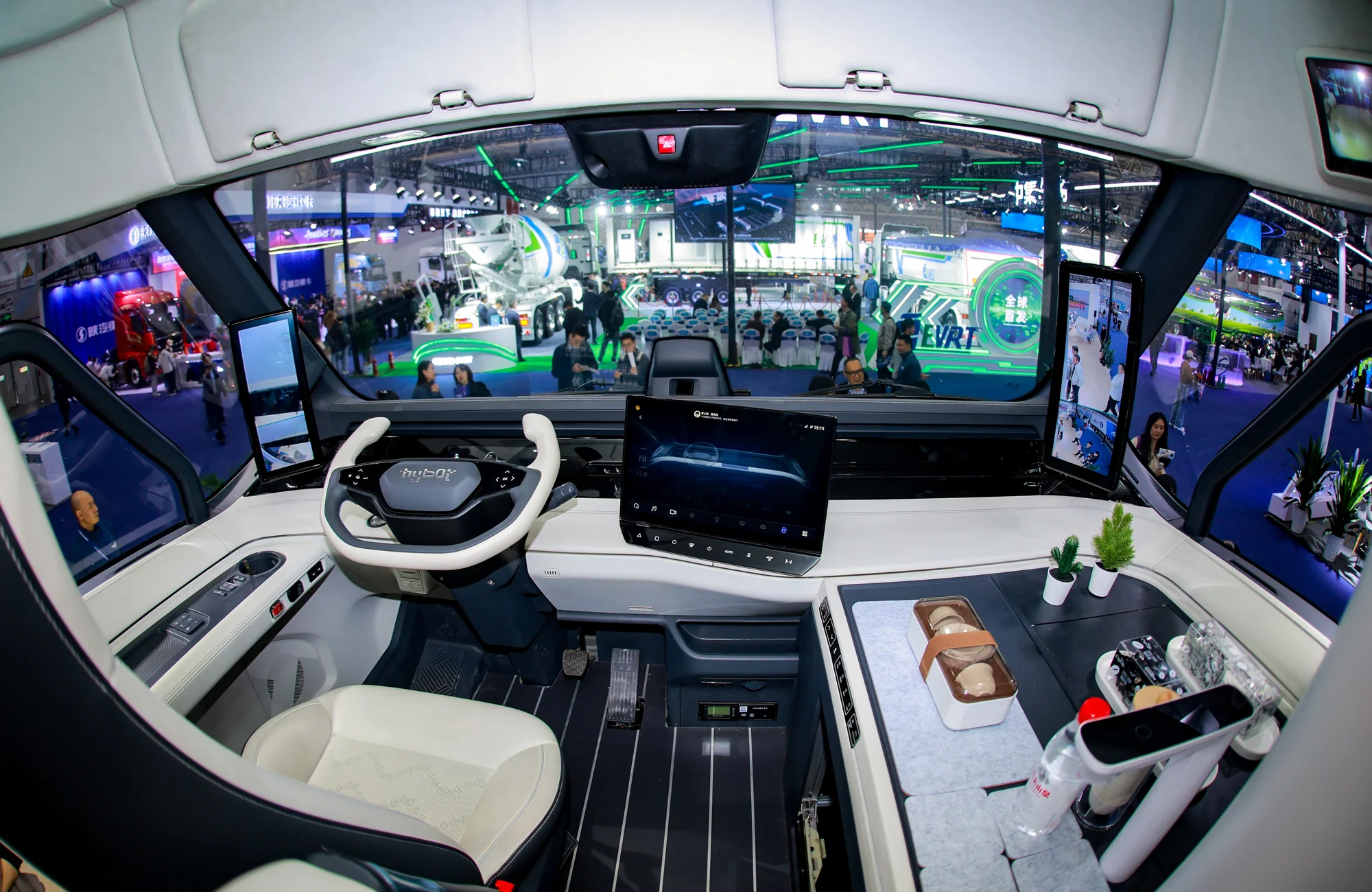
The interior layout of the cab is notable for its innovative design. It features a single driver’s seat positioned on the left, fully digital instrumentation and camera-based mirror systems replacing conventional rear-view mirrors.

A convertible sleeping area provides a fold-down bunk along the rear wall, as well as a compact shower cubicle and space for a washing machine, reflecting the increasing importance of driver comfort in long-distance operations.

Major supply agreement signed

During the award ceremony, Hybot signed a supply contract with Wuhan Future Innovative Comprehensive Energy Service involving approximately 200 low-environmental-impact vehicles. This included the H49, with a total contract value of around €93 million (R1.91 billion).

The Chinese Truck of the Year 2026 trophy was presented to Hybot president Huang Zhaoqin and CEO Sun Ying by Wang Xia, president of the automotive section of the China Council for the Promotion of International Trade, jury president Yu Jing and journalist Gianenrico Griffini.

Top 10 Cumulative Sales Ranking of heavy-duty trucks in China from January to October 2025

Rank

Enterprise

Sales (units)

Year-on-year growth (%)

Market share (%)

1

Sinotruk

253,255

23.25

27.26

2

FAW Jiefang

176,116

16.67

18.96

3

Shacman

148,161

19.08

15.95

4

Dongfeng Motor

146,307

24.37

15.75

5

Foton

117,887

99.91

12.69

6

XCMG

30,127

87.89

3.24

7

JAC

11,212

-1.42

1.21

8

CAMC

10,106

108.72

1.09

9

BAIC Trucks

8,080

57.02

0.87

10

Chery

5,996

140.32

0.65


Total sales (units)

906,977

Total market share (%)

97.67


Published by

Gianenrico Griffini

Gianenrico Griffini is editorial manager at Allestimenti & Trasporti magazine.
Prev Reactors to return to commercial shipping
Next Using Tracker FleetLogic for effective fleet management

Leave a comment

This site is protected by reCAPTCHA and the Google Privacy Policy and Terms of Service apply.