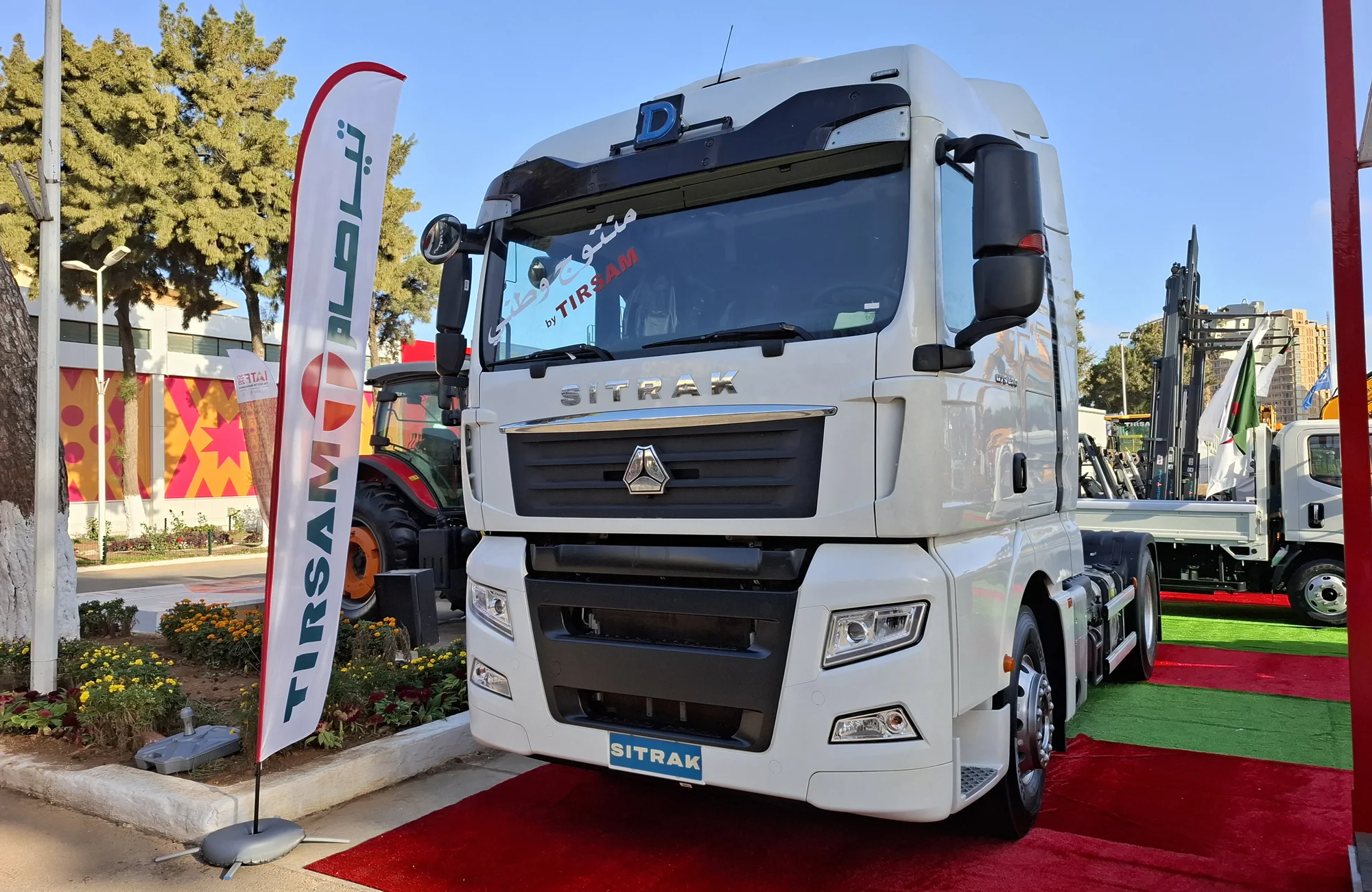
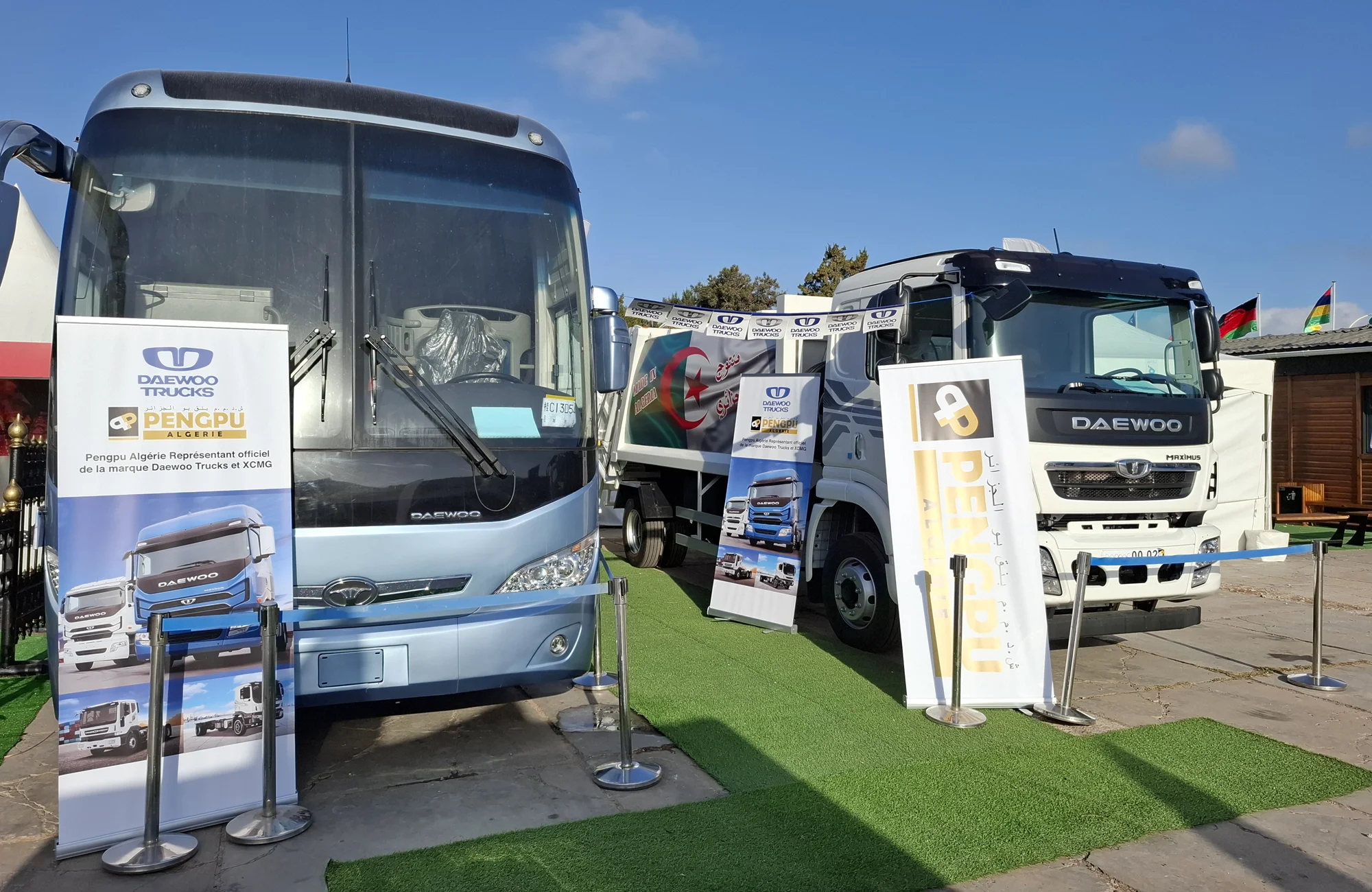
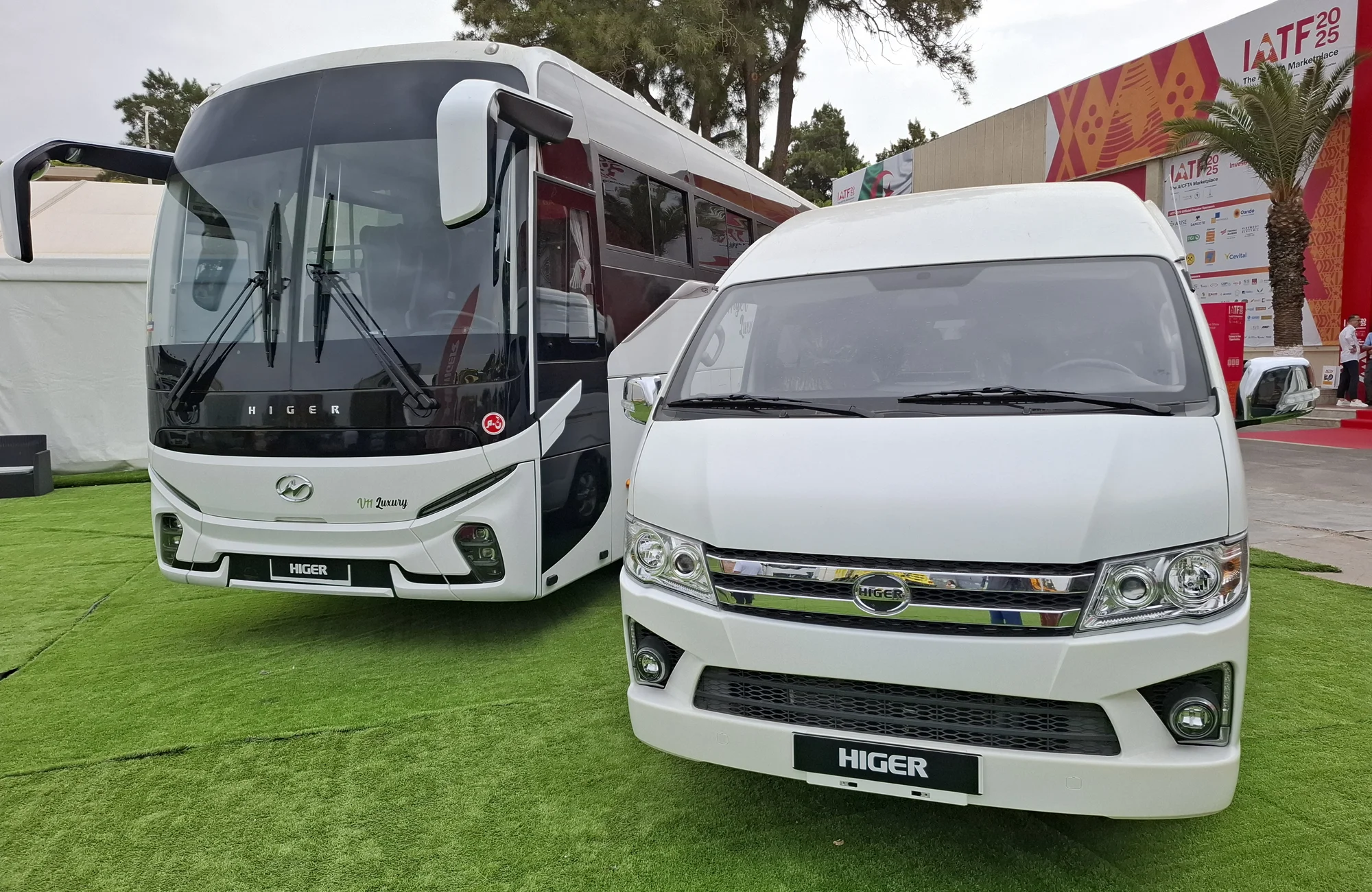
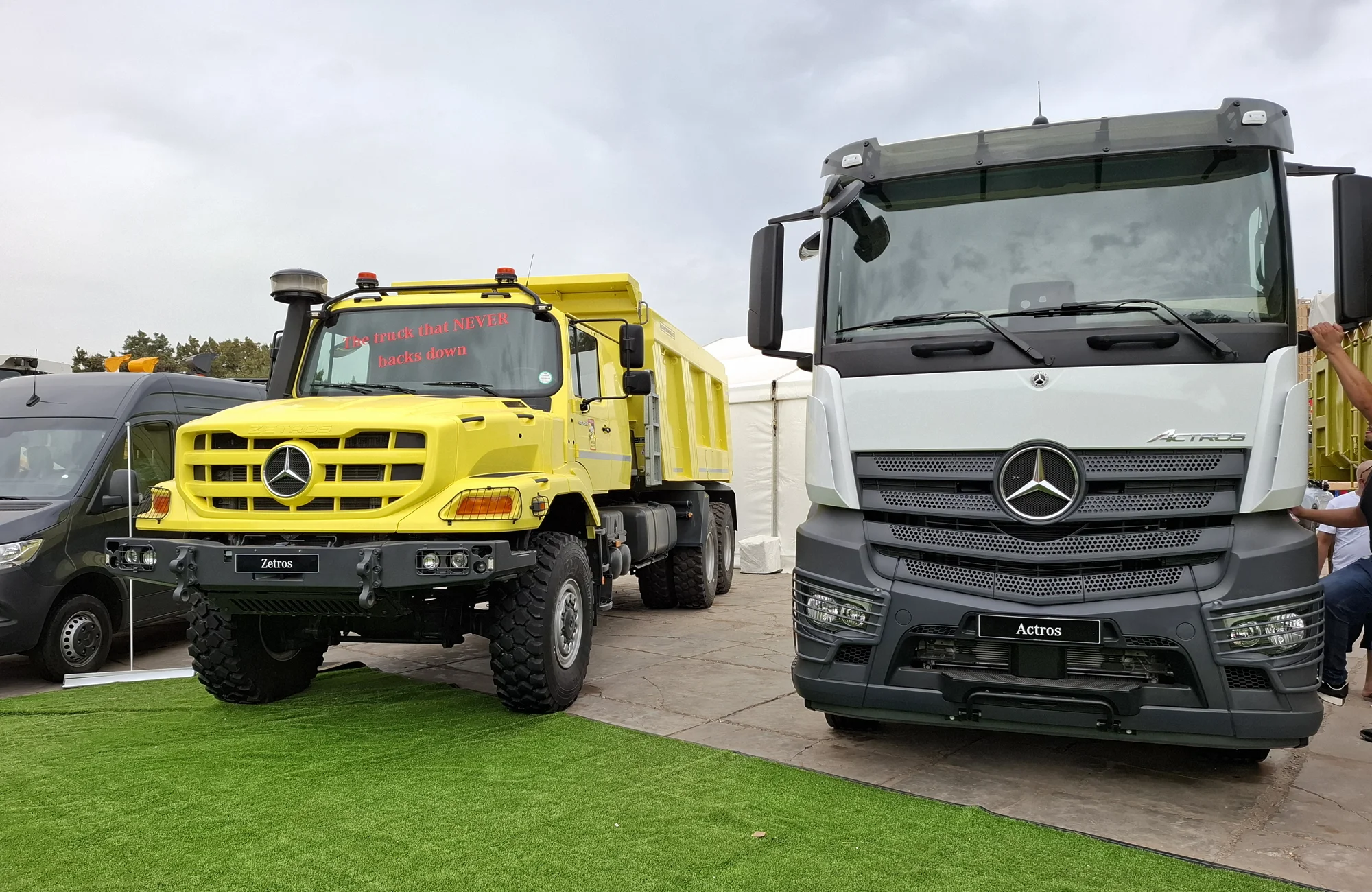
At IATF 2025, South Africa and Algeria advanced trade ties, prioritising new routes and restoring direct air links. COLIN WINDELL attended the event.
South Africa and Algeria used the Intra-African Trade Fair (IATF) in Algiers to convert diplomatic momentum into practical steps that should make business faster, cheaper, and more predictable for firms on both sides. Following talks between South Africa’s Minister of Trade, Industry, and Competition, Parks Tau, and Algeria’s Minister of Foreign Trade and Export Promotion, Kamal Rezig, the two countries formalised plans to establish new trade routes and move towards reinstating direct air connectivity.
Their discussions focused on operationalising the Memorandum of Understanding (MoU) on Economic Cooperation signed in December last year under the Bi-National Commission. Framed as the cornerstone for subsequent agreements, the MoU provides the strategic scaffold from which specific trade and investment mandates will now be drawn. To keep delivery on track, Tau proposed a Joint Trade and Investment Committee – an implementation forum designed to maintain momentum, troubleshoot bottlenecks, and report progress to principals.
The renewed push comes as Algeria accelerates efforts to diversify an economy long anchored in hydrocarbons. Growth in agriculture, agri-food, textiles, and commerce is reshaping domestic demand and creating new opportunities for suppliers, service providers, and investors seeking a durable African beachhead on the Mediterranean. For South Africa, deepening ties with Algeria supports Pretoria’s broader goal of continental integration: building resilient, innovation-led value chains that can compete globally.
Sectorally, there is clear alignment. Tau and Rezig identified collaboration opportunities in oil and gas, automotive manufacturing, infrastructure, pharmaceuticals, aviation, and agro-processing. These are capital-intensive, skills-hungry industries where partnerships can accelerate localisation, technology transfer, and supplier development – especially when backed by predictable market access and workable customs and standards regimes.
Air links are a priority enabler. The resumption of a direct route between the two countries would compress travel times for executives and technicians, improve reliability for time-sensitive cargo, and underpin event-driven trade missions. More broadly, the IATF spotlighted Africa’s fragmented skies as a drag on commerce. Wamkele Mene, Secretary-General of the African Continental Free Trade Area (AfCFTA) Secretariat, reiterated the case for full implementation of the Single African Air Transport Market: lower costs, more frequencies, better cargo capacity, and tighter continental integration.
Political backing appears firm. In a meeting with Algeria’s Acting Prime Minister, Sifi Ghrieb, Tau advanced discussions on constituting a bilateral business council – envisaged as the engine room for private-sector problem-solving and deal origination. Both sides framed the initiative as a logical next step following the December 2024 state visit, and as a practical expression of the shared vision of Presidents Abdelmadjid Tebboune and Cyril Ramaphosa.
For South African fleet operators, the implications are tangible. New trade routes and smoother air connectivity can rebalance volumes across north-south corridors, create predictable backhaul opportunities, and open niches in specialist logistics – from pharmaceutical cold chains to project cargo for infrastructure sites. With Algeria diversifying, demand signals are likely to broaden beyond energy to food supply, automotive components, and consumer goods – each with distinct transport and warehousing profiles.